
How to Increase Humidity for Plants : Every Method Ranked & Explained
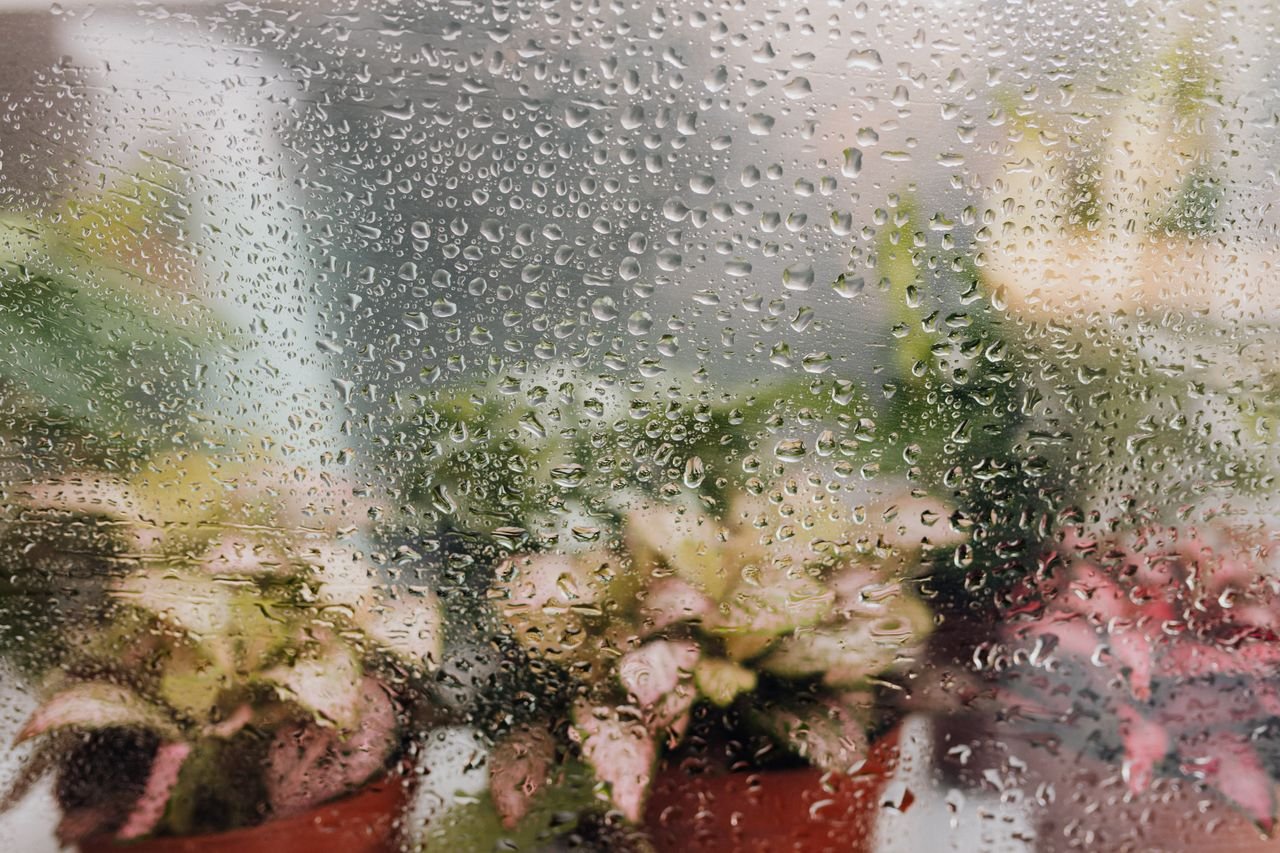
Low humidity is the silent killer of indoor plants in American homes — and it’s worst precisely when we’re most likely to ignore it: in the depths of winter, when the heating is running, when the air feels comfortable to us, and when our tropical houseplants are silently struggling.
Brown leaf tips on Calathea. Crisping edges on maidenhair fern. Spider mites appearing seemingly from nowhere on your English ivy. Sluggish growth on Monstera through November and February. These are not watering problems or light problems. In the majority of cases, they are humidity problems.
This guide covers the complete picture — the science behind why humidity drops and why it matters, the honest assessment of every humidity-raising method ranked by actual effectiveness, the humidifier comparison that most guides skip, the misting truth that contradicts most of what you’ve read, and the plant-specific humidity requirements that tell you exactly how much you need to aim for.
Table of Contents
- What Is Relative Humidity? The Physics Behind the Problem
- Why Your Home Loses Humidity in Winter (And Why Summer Isn’t Safe Either)
- What Humidity Does for Plants: The Leaf-Level Biology
- Vapor Pressure Deficit (VPD): The Metric Professional Growers Use
- Signs Your Plants Need More Humidity
- How to Measure Humidity: Hygrometers & Placement Science
- Humidity Requirements by Plant: The Complete Reference Table
- Methods Ranked: Honest Effectiveness Assessment
- Method 1: Humidifier (The Only Reliable Solution for High-Humidity Plants)
- Humidifier Types Compared: Ultrasonic vs Evaporative vs Warm Mist
- The White Mineral Dust Problem Nobody Warns You About
- How to Size a Humidifier for Your Room
- Method 2: Bathroom Placement
- Method 3: Grouping Plants
- Method 4: Pebble Tray
- Method 5: Double-Pot with Sphagnum
- Method 6: The Terrarium/Enclosed Environment Solution
- Method 7: Aquarium Proximity
- Method 8: Misting — The Truth
- The Humidity–Airflow Balance: The Side Nobody Covers
- The Seasonal US Humidity Strategy
- Frequently Asked Questions
1. What Is Relative Humidity? The Physics Behind the Problem
Relative Humidity (RH) is the percentage of water vapor the air currently holds relative to the maximum it could hold at that temperature. 50% RH means the air contains half the water vapor it’s capable of holding at that temperature.
Here is the critical physics point that most guides never explain — and that clarifies why humidity management is so much harder than it seems:
The maximum amount of water vapor air can hold increases dramatically with temperature. Warm air can hold far more water vapor than cool air. This relationship is not linear — it’s exponential. At 32°F (0°C), air holds a maximum of about 5 grams of water vapor per kilogram of dry air. At 77°F (25°C), it holds about 20 grams. At 95°F (35°C), about 37 grams.
This explains the winter humidity crisis completely:
When cold outdoor air at, say, 32°F and 90% RH (nearly saturated) enters your home and is heated to 72°F — the total amount of water vapor in the air stays the same, but the maximum it can hold has quadrupled. That same water vapor now represents only about 20–25% RH. You haven’t removed any moisture — you’ve just heated the air until the existing moisture represents a much smaller fraction of its new capacity.
Every time you heat your home, you lower its relative humidity. The harder the heating works, the drier the air becomes. This is not a fixable problem of technique — it’s the unavoidable physics of heated indoor air in winter.
What this means practically: Maintaining 50–60% RH in a heated American home in winter requires actively adding water vapor to the air — either through a humidifier, through plants’ transpiration, or through other evaporation sources. Passive measures alone are rarely sufficient when outdoor temperatures are below 40°F.
2. Why Your Home Loses Humidity in Winter (And Why Summer Isn’t Safe Either)
Winter: Heating Is the Primary Driver
As described in Section 1, the physics of heated air guarantee that winter is the lowest-humidity season in most American homes.
Typical indoor RH by season in the US (without intervention):
- Spring: 45–55% — outdoor humidity begins rising; heating reduced
- Summer: 50–65% — outdoor humidity high; however, see below
- Fall: 40–55% — heating begins; outdoor humidity falling
- Winter: 20–35% — peak heating season; coldest outdoor temps; most dangerous for humidity-sensitive plants
Summer: Air Conditioning Also Removes Humidity
This is the fact most guides miss in their “it’s a winter problem” framing:
Air conditioning actively dehumidifies. Central air conditioners and window units work by passing air over cold coils — moisture condenses on the coils and is drained away. This is a feature, not a bug: part of AC’s comfort function is removing excess summer humidity. But for humidity-loving tropical plants, a heavily air-conditioned room in July can have RH as low as 35–45% — uncomfortably low for Calathea, ferns, and other humidity-demanding species.
The full picture: Humidity management is a year-round challenge in American homes:
- Winter: Central heating drops RH to 20–35%
- Summer (AC zones): Central cooling drops RH to 35–50%
- Spring/Fall: Natural outdoor humidity partially compensates — the easiest seasons for humidity-sensitive plants
- Any season near a vent: Direct airflow from HVAC vents creates a microclimate of accelerated evaporation regardless of room RH
3. What Humidity Does for Plants: The Leaf-Level Biology
Understanding why plants need humidity makes every care decision around it more intuitive.
Stomata and Transpiration
Plants regulate gas exchange — taking in CO₂ and releasing O₂ — through tiny pores called stomata on their leaves. Stomata are also the primary pathway through which water vapor leaves the plant (transpiration).
When ambient humidity is high, the vapor pressure gradient between the humid air inside the leaf and the surrounding air is small — water moves slowly from leaf to air. The plant loses water slowly, doesn’t need to close stomata protectively, and can keep them open for efficient gas exchange.
When ambient humidity is low, the gradient is steep — water rushes from the moist leaf interior to the dry surrounding air. To prevent excessive water loss, the plant closes its stomata. But closed stomata also mean reduced CO₂ absorption and reduced photosynthesis — growth slows, nutrient uptake decreases, and the plant is under chronic stress.
Aerial Roots and Moisture Absorption
Many tropical houseplants — Monstera, Pothos, and most aroids — evolved in environments where aerial roots absorb moisture directly from humid air. In the low humidity of a heated American home, these aerial roots desiccate and lose their moisture-absorbing function. A moist moss pole addresses this directly for climbing plants; ambient humidity matters for the leaves.
The Brown Tip Mechanism
The most visible humidity symptom — brown leaf tips and edges — happens because leaf margins are the furthest from the plant’s water supply. In low humidity, transpiration at leaf margins exceeds the rate at which water can be supplied from the roots, and these distal cells desiccate and die. The result is the characteristic brown crispy margin that signals inadequate humidity.
4. Vapor Pressure Deficit (VPD): The Metric Professional Growers Use
Standard relative humidity has a significant limitation: the same RH value means different things at different temperatures. 50% RH at 65°F is very different for plant physiology than 50% RH at 85°F — because temperature directly affects how rapidly water evaporates from leaves.
Vapor Pressure Deficit (VPD) measures the difference between the amount of water vapor the air currently holds and the maximum it could hold at the current temperature. It’s expressed in kilopascals (kPa) and captures the combined effect of temperature and humidity on plant water loss.
Why VPD matters:
- Low VPD (below 0.4 kPa) = humid, cool air; plants lose water slowly; stomata stay open; good for photosynthesis but fungal disease risk increases
- Optimal VPD (0.8–1.2 kPa for most tropical houseplants) = plants transpire efficiently, stomata function well, growth is vigorous
- High VPD (above 1.6 kPa) = dry, hot air; plants lose water rapidly; stomata close; growth slows and stress symptoms appear
For practical home growing: You don’t need to calculate VPD for every plant. But understanding that both temperature AND humidity affect plant water stress explains why your Calathea struggles in a warm, 50% RH room but does fine in a cool bathroom at the same RH. The temperature component changes the VPD even when RH is identical.
5. Signs Your Plants Need More Humidity
Recognizing humidity stress early prevents the severe damage that comes with chronic deficiency.
Primary Symptoms
Brown, crispy leaf tips and margins: The most universal and reliable humidity stress signal. The browning begins at the very tip and progresses inward along the leaf edges — following the farthest points from the vascular water supply. Dry and papery to the touch, not soft or mushy (which would indicate overwatering).
Leaf curling or rolling inward: Many tropical plants curl their leaves longitudinally — rolling inward from the edges toward the midrib — in low humidity. This reduces the exposed leaf surface area and slows water loss. Often confused with underwatering; check soil moisture to distinguish.
Wilting despite adequate soil moisture: In severe cases, transpiration exceeds water supply even when soil is moist. The plant wilts in the afternoon (when VPD is highest in a warm, sunny room) and recovers at night when temperatures drop and humidity rises slightly.
Flower and bud drop: Flower buds are particularly sensitive to humidity stress. Premature bud drop on peace lily, orchids, and flowering tropicals often indicates inadequate humidity rather than watering issues.
Increased spider mite activity: Spider mites (Tetranychus urticae) breed and establish populations dramatically faster in low-humidity conditions — below 40% RH. A sudden spider mite outbreak in your collection almost always coincides with a drop in ambient humidity, particularly when heating season begins. See our spider mites guide for full treatment.
Slowed or stalled growth: Chronic mild humidity deficiency suppresses growth without dramatic visible symptoms — plants simply produce leaves more slowly, smaller, and with less lush development than they would in adequate humidity.
Secondary Symptoms
Yellowing leaf edges: Low humidity can cause edge yellowing distinct from the dry browning associated with severe deficiency. Often seen in Calathea and Maranta.
Distorted new growth: In very dry conditions, new growth may emerge underdeveloped or with irregular form in extreme cases.
6. How to Measure Humidity: Hygrometers & Placement Science
Before you can address a humidity problem, you need to know your actual humidity levels. Guessing is unreliable — 40% and 60% RH feel nearly identical to human perception but represent dramatically different conditions for sensitive plants.
Hygrometer Types
Digital hygrometers ($10–$30): The standard recommendation for home plant growers. Display both temperature and RH on a small screen. Accuracy typically ±3–5% RH. Widely available at Amazon, Home Depot, Walmart. Brands like ThermoPro, AcuRite, and Govee are reliable and affordable.
Smart/Wi-Fi hygrometers ($20–$60): Connect to your phone app and log humidity data over time — invaluable for identifying patterns (when does humidity drop? how low does it go overnight?). Govee and SensorPush are well-regarded in US plant communities.
Dial/analog hygrometers: Less accurate than digital — not recommended for plant care purposes.
Critical Placement Science That Most Guides Miss
Humidity stratifies in rooms — it is not uniform from floor to ceiling.
In winter with heating: Warm air rises, and since warm air holds more water vapor, the relative humidity is often highest near the floor and lowest near the ceiling. Plants on high shelves may experience lower humidity than plants on the floor.
In summer with AC: Cold air sinks; cool air holds less water vapor at the same absolute moisture content. Humidity can be higher at ceiling level than floor level with air conditioning running.
Measure at plant level — not on a high shelf, not across the room, not near a window. Place your hygrometer at the height where your most humidity-sensitive plants live. The reading from across the room at a different height may be 5–15% RH different from your plant’s actual microclimate.
Near-vent measurement: If any plants are within 3–4 feet of an HVAC vent, measure in their immediate vicinity. The continuous airflow from vents creates a local microenvironment with significantly lower effective humidity even when room RH is adequate.
7. Humidity Requirements by Plant: The Complete Reference Table
No competitor guide provides this — the specific humidity targets for common houseplants:
High Humidity Plants (60–80%+ RH Required)
| Plant | Minimum RH | Ideal RH |
|---|---|---|
| Calathea / Maranta | 60% | 65–80% |
| Maidenhair Fern | 60% | 70–80% |
| Orchids (Phalaenopsis) | 50% | 60–70% |
| Alocasia | 60% | 70–80% |
| Boston Fern | 55% | 65–80% |
| Nerve Plant (Fittonia) | 60% | 70–80% |
| Anthurium | 55% | 65–80% |
| Peace Lily | 50% | 60–70% |
See our Calathea care guide and Maidenhair Fern guide for specific humidity management strategies for these demanding plants.
Medium Humidity Plants (40–60% RH)
| Plant | Minimum RH | Notes |
|---|---|---|
| Monstera deliciosa | 40% | Tolerates lower, thrives at 60% |
| Pothos | 35% | Very tolerant, prefers 50%+ |
| Philodendron | 40% | Moderate needs |
| Spider Plant | 35% | Tolerant |
| Rubber Plant | 40% | Tolerates typical home RH |
| Bird of Paradise | 40% | Trichome biology helps |
| Fiddle Leaf Fig | 35% | Prefers 50%+ |
| ZZ Plant | 30% | Very tolerant |
| Peace Lily | 50% | Higher end of medium |
For humidity management specific to Monstera, see our Monstera care guide.
Low Humidity Tolerant Plants (30–40% RH is Fine)
| Plant | Notes |
|---|---|
| Snake Plant | Very tolerant of dry air |
| Aloe Vera | Evolved in arid conditions — trichomes reduce transpiration |
| Cacti & Succulents | Desert-adapted; low humidity preferred |
| ZZ Plant | Waxy leaves reduce moisture loss |
| Pothos | Adaptable to low humidity |
| Chinese Evergreen | Tolerant of dry conditions |
| Jade Plant | Succulent; low humidity fine |
| Indoor Olive Tree | Mediterranean origin; trichome biology |
See our best low-maintenance indoor plants guide for the full list of low-humidity tolerant species.
8. Methods Ranked: Honest Effectiveness Assessment
Before covering each method individually, here is the honest ranking — organized by actual sustained humidity increase, not by how often guides recommend them:
| Rank | Method | Sustained RH Increase | Effort | Cost |
|---|---|---|---|---|
| 1 | Dedicated humidifier | +15–30% reliably | Low (set and forget) | $25–$80 |
| 2 | Enclosed terrarium/cabinet | +20–40% (localized) | Medium setup | $30–$200 |
| 3 | Bathroom placement | +10–20% (passive) | Zero | Free |
| 4 | Double-pot with sphagnum | +5–10% (localized) | Low | $5–$15 |
| 5 | Aquarium proximity | +5–15% (localized) | Zero | Free (if you have fish) |
| 6 | Grouping plants | +3–8% | Zero | Free |
| 7 | Pebble tray | +2–5% | Very low | $5–$10 |
| 8 | Misting | +1–3% (lasts 5–10 min) | High (daily) | Free |
9. Method 1: Humidifier — The Only Reliable Solution for High-Humidity Plants
For plants requiring 60%+ RH — Calathea, maidenhair fern, Alocasia, Boston fern — a dedicated humidifier is not optional. It is the only method that reliably achieves and sustains the humidity levels these plants need in the typical American heated home.
Every other method on this list provides modest, localized, passive increases that may contribute useful supplemental humidity but cannot alone bridge the gap between a typical winter home at 25% RH and the 65% RH that a Calathea needs.
Humidifier Placement
Distance from plants: Position 1–3 feet from the plant canopy — close enough for the mist to reach the plant’s immediate microclimate, far enough that water droplets don’t land directly on leaves (which can cause fungal spotting with prolonged leaf wetness).
Height: At canopy level — not on the floor below the plants and not on a shelf well above them. The goal is elevating humidity in the immediate plant zone.
Avoid: Pointing the mist output directly at plants — the concentrated mist stream can cause cold damage and fungal disease on leaves that stay persistently wet.
Run time: For most moderate-demand plants (50–60% RH target), 4–8 hours daily is typically sufficient. For very high-demand plants (65–80% RH), continuous running during waking hours or an automatic humidity-controlled unit (hygrostat) is the most reliable approach.
10. Humidifier Types Compared: Ultrasonic vs Evaporative vs Warm Mist
Most guides just say “get a humidifier.” Here is the comparison that helps you choose the right one:
Ultrasonic Cool Mist Humidifiers
How they work: A vibrating piezoelectric plate breaks water into extremely fine droplets that are propelled into the air as a visible cool mist.
Pros:
- Energy-efficient (no heating element)
- Silent operation
- Fast and visible mist production
- Wide range of sizes and prices ($20–$150)
- Most popular type for houseplant growers
Cons:
- White mineral dust problem (see Section 11 — the most significant practical drawback for plant use)
- Can disperse bacteria and mold if water tank is not cleaned regularly (use distilled water to reduce this risk)
- Mist output can be too cold for very temperature-sensitive plants if positioned very close
Best for: Most houseplant humidity applications where water quality and regular cleaning are managed.
Evaporative (Cool Mist with Fan/Wick) Humidifiers
How they work: A fan draws air through a water-saturated wick or filter. Water evaporates naturally into the airstream.
Pros:
- No white mineral dust — the wick filters out minerals, releasing pure water vapor
- Self-regulating — evaporation rate naturally slows when air approaches saturation
- Often quieter than ultrasonic
- No risk of over-humidifying a space
Cons:
- Less visible moisture output
- Requires regular wick/filter replacement ($5–$20 every 1–3 months)
- Slightly less effective at very low RH because the self-regulating mechanism limits maximum output
- Typically bulkier than equivalent ultrasonic models
Best for: Growers in hard water areas who want to avoid the mineral dust problem entirely; larger rooms; anyone who has experienced white residue on plants from ultrasonic models.
Warm Mist / Steam Humidifiers
How they work: Heating element boils water and releases steam into the air.
Pros:
- Steam is naturally pure — bacteria and minerals don’t travel with steam
- Most hygienic output (boiling kills pathogens)
- Effective in very cold conditions (warm steam works against cold dry air more effectively than cool mist)
Cons:
- Higher energy consumption (heating water continuously)
- Burn risk from steam output — keep away from children, pets, and plant leaves
- Larger, heavier units
- Slower to affect ambient RH than ultrasonic
Best for: Very cold rooms; growers who want the cleanest possible humidity output without using distilled water; winter use in very dry northern climates.
11. The White Mineral Dust Problem Nobody Warns You About
This is the most important practical humidifier issue for houseplant growers — and almost no guide mentions it.
Ultrasonic humidifiers work by vibrating water into a fine mist. When hard tap water (water with high dissolved mineral content — the norm in most US cities) is used, the minerals dissolved in the water are carried along with the mist droplets. As the water evaporates from leaves, surfaces, and furniture, the minerals remain — as a fine white powder.
The plant-specific problem: This white mineral dust settles on leaf surfaces and in stomata. Over time, accumulated mineral deposits:
- Block stomata, reducing gas exchange and photosynthesis efficiency
- Create white spots on glossy leaves that appear similar to hard water spots
- Build up on moss pole surfaces, blocking moisture absorption by aerial roots
- Coat the surface of soil, contributing to mineral salt buildup
Solutions:
1. Use distilled water in your humidifier — distilled water has no dissolved minerals; no minerals in the water = no white dust. A gallon of distilled water costs $1–$2 at any US grocery store.
2. Use a demineralization cartridge — some ultrasonic humidifiers (particularly Levoit models) include or sell compatible demineralization cartridges that filter minerals from tap water.
3. Switch to an evaporative humidifier — evaporative humidifiers filter minerals through the wick; the vapor released is pure water with no mineral content.
If you already have mineral deposits on leaves: Wipe gently with a soft cloth dampened with distilled water. For heavier buildup, a solution of 1 part white vinegar to 3 parts distilled water dissolves mineral deposits without harming most plant surfaces.
12. How to Size a Humidifier for Your Room
This is genuinely useful information that every guide on the subject omits.
Basic formula: Room square footage × ceiling height = room volume in cubic feet
Most US homes have 8-foot ceilings. A 12×15 foot room has 180 sq ft × 8 ft = 1,440 cubic feet.
Humidifiers are rated by pints of water output per 24 hours.
General sizing guidelines:
- Up to 500 sq ft: 1–2 pints/day output
- 500–1,000 sq ft: 2–4 pints/day
- 1,000–2,000 sq ft: 4–8 pints/day
For plant-specific humidification (targeting a microclimate around a plant cluster rather than the whole room), a smaller tabletop ultrasonic humidifier (0.5–1.5 pints/day, $20–$40) positioned near your plant collection is more efficient than a whole-room unit.
Whole-home humidifier: If you have many humidity-sensitive plants throughout the house, a whole-house humidifier installed on your HVAC system is the most efficient solution — it maintains baseline RH throughout the entire home. These systems cost $200–$500 installed but eliminate the need for multiple portable units.
13. Method 2: Bathroom Placement
Sustained RH increase: +10–20% (passive, free)
Why it works: Bathrooms accumulate humidity from showering, bathing, and general water use. A bathroom that gets regular use may maintain 50–65% ambient RH naturally, compared to 30–40% in a living room.
Best for: Plants that need moderate humidity (40–60%) and can tolerate lower light. The combination of naturally elevated humidity and typically diffuse light from frosted windows makes bathrooms ideal for:
- Peace lily
- Pothos
- Snake plant (in bright bathroom)
- Some orchids
- Boston ferns (with adequate light)
- Maidenhair ferns (if light is adequate — their most common failing in bathrooms)
Limitations:
- Light is often insufficient — most bathrooms have small, frosted, or north-facing windows
- Humidity spikes after showering but may drop between uses in less-used bathrooms
- Not effective for plants requiring 65%+ RH unless showers are extremely frequent
14. Method 3: Grouping Plants
Sustained RH increase: +3–8% (localized)
Why it works: Plants transpire water vapor through their stomata — releasing moisture into the surrounding air as a byproduct of photosynthesis. A cluster of plants creates a collective transpiration cloud that raises localized humidity meaningfully above room ambient levels.
How much humidity does grouping actually provide?
Research on plant transpiration in indoor conditions suggests that a cluster of 5–8 medium-sized tropical plants in a still-air environment can raise localized RH by 4–8% above ambient. In a naturally ventilated room with some air movement, the effect is smaller (the humid air disperses).
Best practice: Group your most humidity-demanding plants together, surrounded by your larger, more vigorous transpirers (Monstera, Peace Lily, large Pothos) on the outside of the cluster. The outer ring transpires generously and the inner plants benefit from the collective humid microclimate.
Limitations: Cannot bridge the gap between 25% RH (heated winter home) and the 60%+ that demanding plants need. Best used as a supplement to a humidifier, not a replacement.
15. Method 4: Pebble Tray
Sustained RH increase: +2–5% (very localized, directly above tray)
How to set up: Fill a shallow tray or saucer with pebbles (river stones, decorative stones). Add water to just below the top of the pebbles. Place plant pot on top, ensuring the pot’s drainage holes are above the waterline (roots must never sit in water). As water evaporates from the tray surface, it raises humidity immediately above.
What the numbers actually mean:
A 12-inch diameter pebble tray in typical indoor conditions evaporates approximately 0.2–0.4 oz (6–12ml) of water per hour. That’s 5–10 oz per day — which sounds meaningful, but distributed through even a modest room volume, it represents a negligible RH change at any distance more than a few inches above the tray.
Why it’s still worth doing: The localized humidity directly above the tray surface is meaningfully elevated — and that’s exactly where the plant’s lower leaves and root zone are. For plants where lower leaf humidity matters (Calathea, ferns), the pebble tray provides genuine benefit at the point of most need.
Important: Refresh the water every 3–5 days. Standing water in pebble trays that isn’t refreshed breeds bacteria, algae, and fungus gnats. Change water completely weekly and scrub the tray monthly.
Upgrade: A wider, shallower tray provides more evaporative surface area than a narrow, deep tray. A 24-inch aluminum baking tray costs $10 and provides 4× the evaporative surface of a standard pot saucer — a meaningful upgrade.
16. Method 5: Double-Pot with Sphagnum
Sustained RH increase: +5–10% (localized around the plant)
This underused method provides more sustained localized humidity than a pebble tray and is particularly useful for smaller plants or as a transition solution while waiting for a humidifier.
Setup: Choose an outer pot 2–4 inches larger in diameter than the plant’s nursery pot. Fill the space between the inner and outer pot with moist long-fiber sphagnum moss. As the sphagnum slowly dries, it releases moisture into the air immediately surrounding the plant’s stem and lower leaves.
Why it outperforms the pebble tray: The sphagnum surrounds the plant rather than only being beneath it. Moisture evaporates from all sides of the inner pot surface, creating a more effective humidity microclimate at the leaf level than the bottom-only evaporation of a pebble tray.
Maintenance: Re-moisten the sphagnum every 5–7 days — remove the inner pot, add water to the sphagnum until moist but not dripping, replace. Check that the inner pot’s drainage holes aren’t submerged in the wet moss.
17. Method 6: The Terrarium/Enclosed Environment Solution
Sustained RH increase: +20–40% (localized, within the enclosure)
For the most demanding humidity plants — maidenhair fern, Fittonia, miniature orchids, mosses — an enclosed or semi-enclosed terrarium provides the single most effective passive humidity solution available.
How it works: A glass terrarium, Wardian case, or even a clear plastic storage container with a lid traps the water vapor transpired by the plants inside. The humidity inside a closed glass terrarium can reach 80–90% RH without any external intervention.
Two types:
Closed terrarium: Sealed glass container. Self-maintaining — the water cycle (evaporation, condensation, re-absorption) operates continuously without needing water added for weeks or months. Ideal for maidenhair ferns, mosses, and very high-humidity plants.
Semi-closed terrarium: Open or partially open top. Allows more airflow than a fully closed system (reducing fungal disease risk) while still maintaining significantly higher humidity than open-air growing. Better suited for plants that need high humidity but also reasonable airflow.
See our DIY terrarium guide for complete setup instructions.
18. Method 7: Aquarium Proximity
Sustained RH increase: +5–15% (within 2–3 feet of the tank)
An open-top aquarium is essentially a large water surface continuously evaporating into the surrounding air. A 20-gallon aquarium in a bedroom can raise local humidity by 8–15% within a few feet of the tank.
How to use it: Position humidity-loving plants on or near the aquarium stand. The combination of aquarium humidity and typical aquarium lighting (often bright but indirect) suits many tropical plants well.
Important: This effect is specific to open-top or partially open aquariums. Fully sealed aquariums (paludariums) with glass lids prevent evaporation entirely.
Secondary benefit: The aquarium light provides supplemental plant lighting. Many growers deliberately combine aquarium keeping and tropical plant growing for this complementary humidity and light benefit.
19. Method 8: Misting — The Truth
Sustained RH increase: +1–3% for approximately 3–10 minutes
Here is the honest assessment that contradicts nearly every care guide on the internet:
Misting does not meaningfully increase ambient humidity for plants.
The physics are straightforward: misting sprays water droplets onto leaf surfaces and into the surrounding air. In a typical indoor environment with any air movement (even natural convection from heating systems), those droplets evaporate within 3–10 minutes. After 10 minutes, the humidity in the air has returned to exactly what it was before misting. The mist was a brief spike, not a sustained increase.
For a plant that needs 65% RH, misting in a 30% RH room provides 35 minutes of adequate humidity per day if you mist every 30 minutes — which is not how anyone uses misting. In practice, once-daily misting raises the daily average humidity by less than 1%.
Why guides still recommend it:
- It’s tactile and satisfying — you feel like you’re doing something
- It can be genuinely soothing for plants in extreme heat situations (the evaporation provides cooling)
- For certain plants, leaf surface hydration briefly prevents extreme desiccation at leaf margins in very hot, dry conditions
Where misting IS useful:
- During propagation in a high-humidity tent — misting the inside of the tent provides supplemental humidity between ventilation intervals
- On very hot summer days, a light mist provides evaporative cooling
- For plants like orchids with aerial roots, misting aerial roots directly hydrates them in a way that ambient humidity doesn’t fully replicate
Where misting is actively harmful:
- On leaves in still, humid air — wet leaf surfaces in low-airflow conditions promote fungal disease (botrytis, powdery mildew, bacterial leaf spot)
- On fuzzy-leaved plants (African violets, rex begonias) — water trapped in trichomes causes rot
- In the evening or overnight — wet leaves that don’t dry before dark are particularly fungal disease-prone
The conclusion: If you enjoy misting and it makes you feel connected to your plants, continue it as a practice. But don’t rely on it to solve a genuine humidity problem. A $25 ultrasonic humidifier running 4 hours a day will do more for your Calathea than daily misting for a year.
20. The Humidity–Airflow Balance: The Side Nobody Covers
There is a critical second side to the humidity story that no guide adequately addresses:
High humidity without adequate airflow causes fungal disease.
Powdery mildew, botrytis (grey mold), and bacterial leaf spot all thrive in humid, still-air conditions. Plants in enclosed spaces with high humidity but no air movement are at significantly elevated disease risk.
The professional grower’s approach: Maintain high humidity AND maintain airflow. These two goals don’t conflict if managed correctly.
How to do both:
- Run a small fan at LOW speed near (not directly on) your humidity-loving plants. The gentle air movement prevents the stagnant humid air pockets where fungal spores germinate — without drying out the plants the way direct airflow would
- Avoid spraying leaves with mist in still air, particularly in the evening
- Don’t pack high-humidity plants so densely that air cannot circulate between them
- Water at soil level only — wet foliage in humid conditions without airflow is the highest-risk scenario for fungal disease
The target environment: Imagine a tropical rainforest understory — humid, yes, but also with gentle, continuous air movement from canopy wind. Replicating both the humidity AND the airflow is what produces genuinely healthy tropical plants.
21. The Seasonal US Humidity Strategy
Spring (March–May): Recovery & Preparation
As heating use decreases and outdoor humidity rises, home RH begins recovering naturally. This is when humidity-damaged plants begin showing recovery (new growth replaces damaged leaves).
Actions: Continue humidifier use through late March/April until night temperatures are reliably above 50°F and you’ve reduced heating use. Begin reducing humidifier hours as outdoor and indoor humidity naturally rise.
Summer (June–August): Monitor Air Conditioning
Summer is the underappreciated humidity problem season. If you use central air conditioning heavily, check your humidity regularly — heavily AC-conditioned rooms may need the humidifier running even in July.
Actions: Measure RH weekly during peak AC season. If dropping below 40%, continue targeted humidification near humidity-demanding plants.
Fall (September–November): The Critical Transition
The most dangerous humidity transition — temperatures drop, heating begins, and humidity starts its rapid winter decline. Plants that were thriving through summer suddenly begin showing brown tips and spider mite activity.
Actions: Restart your humidifier by mid-October in most US climate zones. Don’t wait for damage symptoms to appear — proactive humidity maintenance is far more effective than reactive treatment.
Winter (December–February): Maximum Effort
Peak heating season, lowest outdoor temperatures, minimum indoor humidity.
Actions: Humidifier running daily near humidity-sensitive plants. Check hygrometer weekly. Move most sensitive plants to bathrooms. Increase grouping density. Reduce hot air vent exposure.
22. Frequently Asked Questions
Q: What is the fastest way to increase humidity for plants? A humidifier is the fastest and most reliable method — a quality ultrasonic humidifier can raise localized RH by 15–30% within an hour of running. For plants already showing humidity stress, place in a bathroom or enclosed space while setting up a more permanent solution. Misting provides a temporary spike but not a sustained increase.
Q: Does misting really increase humidity for plants? Only very briefly — 3–10 minutes of elevated humidity before the mist evaporates and RH returns to its previous level. Misting is not an effective substitute for a humidifier for plants that genuinely need sustained high humidity. See Section 19 for the full honest assessment.
Q: What humidity do indoor plants need? It varies significantly by species. High-humidity plants (Calathea, maidenhair fern, Alocasia) need 60–80% RH. Medium-humidity plants (Monstera, Pothos, Philodendron) do well at 40–60%. Drought-adapted plants (succulents, snake plant, ZZ plant) tolerate 30–40% without issue. See the complete reference table in Section 7.
Q: Does a pebble tray actually help with humidity? Marginally — a pebble tray raises local humidity by approximately 2–5% in the immediate vicinity above the tray. This is too small to address significant humidity deficiency but provides meaningful supplemental support when combined with other methods. Ensure pot drainage holes remain above the waterline.
Q: Why does my humidifier leave white dust on my plants? This is the mineral dust produced when an ultrasonic humidifier uses hard tap water — the dissolved calcium and magnesium travel with the mist droplets and remain as white residue when the water evaporates. Switch to distilled water, use a demineralization cartridge, or choose an evaporative humidifier to eliminate this problem. See Section 11.
Q: How do I know if my plant has low humidity problems? The most reliable signs: brown, crispy leaf tips and edges (dry and papery, not soft); leaf curling inward; sudden spider mite activity; slowed growth; bud drop on flowering plants. Use a digital hygrometer to confirm RH levels before diagnosing humidity as the cause.
Quick Reference: Humidity Solutions at a Glance
| Solution | Works For | Doesn’t Work For | Cost |
|---|---|---|---|
| Ultrasonic humidifier | All humidity needs | Very hard water (mineral dust issue) | $25–$80 |
| Evaporative humidifier | All humidity needs; hard water | Large rooms | $40–$100 |
| Bathroom placement | Moderate humidity needs | Very high-humidity plants | Free |
| Terrarium | Extreme humidity needs | Large plants | $30–$200 |
| Double-pot sphagnum | Small plants, supplemental | Large collections | $5–$15 |
| Pebble tray | Supplemental only | Primary humidity source | $5–$10 |
| Grouping plants | Supplemental only | Primary humidity source | Free |
| Aquarium proximity | Supplemental; plants near tank | Plants far from tank | Free |
| Misting | Brief heat relief | Sustained humidity | Free |