
How to Make a DIY Terrarium: The Complete Guide to Building Your Own Miniature Garden
Tags: closed terrarium plants, how to build a terrarium for beginners, how to make a DIY terrarium, indoor garden terrarium, moss terrarium DIY, terrarium ideas 2025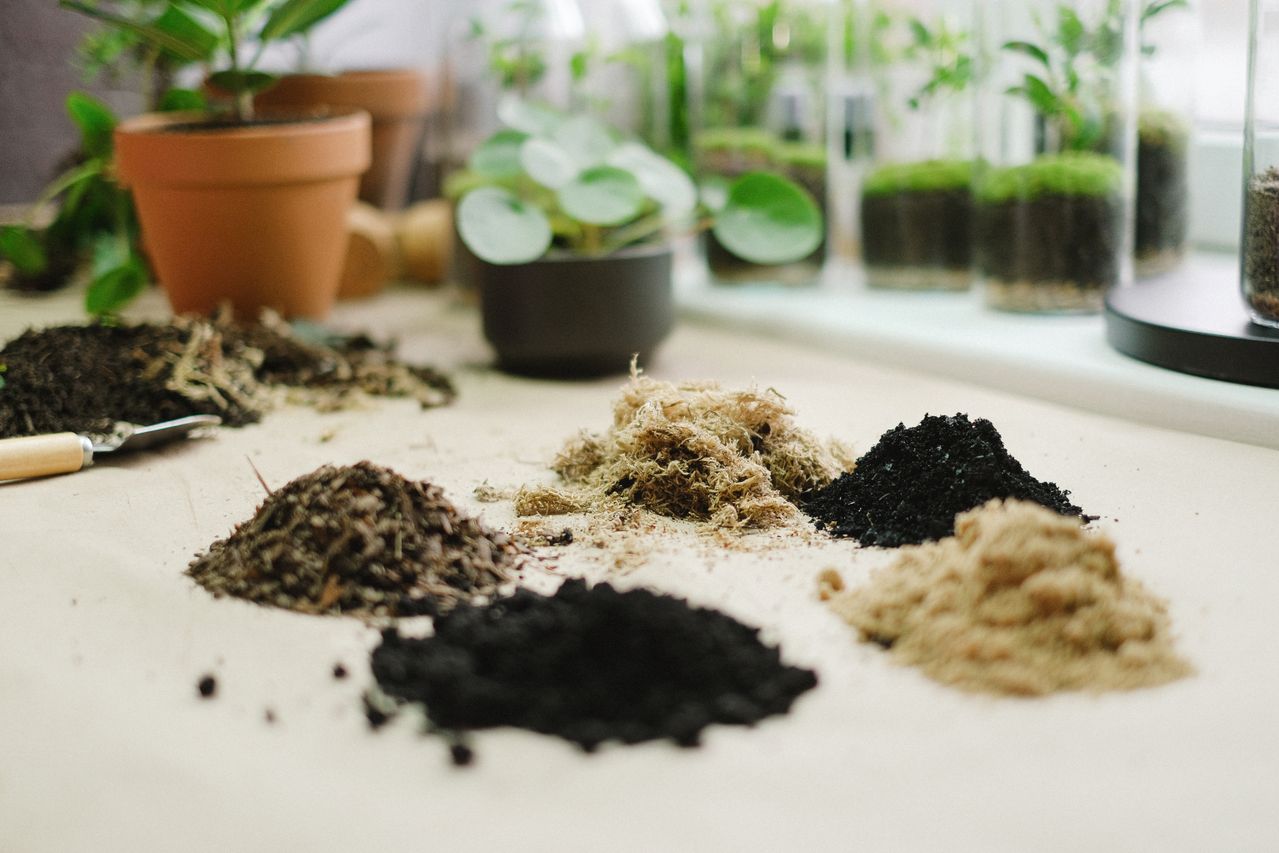
Imagine a tiny, self-contained world living on your coffee table — a miniature landscape of mosses, ferns, and stones that runs almost entirely on its own, thriving quietly in its glass universe while you go about your day.
That’s a terrarium. And in 2025, they’re back — bigger, more creative, and more popular than ever in American homes.
Terrarium-making has been declared one of the top houseplant trends of the year by experts at the Pennsylvania Horticultural Society, plant designers at the Philadelphia Flower Show, and virtually every interior design publication covering the 2025 home décor landscape. The reasons are easy to understand: terrariums are customizable, deeply personal, low-maintenance once established, and visually unlike anything else you can put in your home.
Whether you want a lush, foggy closed moss terrarium that creates its own weather system, a sun-drenched open desert landscape filled with cacti and succulents, or a woodland scene with tiny ferns and stones — this guide walks you through every step, from choosing your container to placing the final decorative rock.
Let’s build something beautiful. 🌱
Table of Contents
- What Is a Terrarium? The Types Explained
- Choosing Your Terrarium Container
- The Complete Materials List
- The 5-Layer Terrarium Foundation (Why Each Layer Matters)
- The Best Plants for Each Terrarium Type
- Step-by-Step: How to Build a Closed Terrarium
- Step-by-Step: How to Build an Open/Desert Terrarium
- Step-by-Step: How to Build a Moss Terrarium
- Terrarium Care: Surprisingly Easy Maintenance
- Terrarium Styling & Display Ideas
- Troubleshooting Common Terrarium Problems
- Frequently Asked Questions
1. What Is a Terrarium? The Types Explained
A terrarium is a partially or fully enclosed glass container used to grow plants in a controlled, miniature ecosystem. The word comes from the Latin terra (earth) + arium (container) — essentially, a land-based version of an aquarium.
There are three main terrarium types, each with its own plant community, visual aesthetic, and care requirements:
Closed Terrarium 🫙
A sealed glass container (with a lid or opening that can be closed) that creates a self-sustaining ecosystem. Water vapor transpired by plants condenses on the glass walls and “rains” back down to the plants — a genuine miniature water cycle. A well-built closed terrarium can go weeks or even months without any watering at all.
Best for: Moisture-loving tropical plants — ferns, mosses, fittonias, orchids, carnivorous plants. Aesthetic: Lush, foggy, jungle-like. Deeply atmospheric. Care level: Very low once established.
Open Terrarium 🏺
A container without a lid, or with a wide, uncovered opening. Air circulates freely, keeping humidity levels lower than a closed terrarium. Open terrariums are better suited to plants that prefer drier conditions.
Best for: Succulents, cacti, air plants (Tillandsia), drought-tolerant tropicals. Aesthetic: Clean, modern, desert-inspired or minimalist. Care level: Low — water every 2–3 weeks.
Moss Terrarium 🌿
A variation of the closed terrarium that emphasizes mosses as the primary plant material — sometimes combined with small stones, miniature figurines, and accent plants to create a miniature landscape or Japanese-inspired garden scene. The most meditative and artistically flexible terrarium style.
Best for: Various moss species, small ferns, Pearlwort (Sagina subulata), miniature orchids. Aesthetic: Zen, minimalist, naturalistic. Often styled as a tiny forest floor or mountain landscape. Care level: Very low once established. Primarily self-maintaining in a closed configuration.
2. Choosing Your Terrarium Container
The container is the defining aesthetic choice of your terrarium build. Here’s how to think about it:
Container Types & Where to Find Them
Geometric glass terrariums: The most popular choice for open terrariums in 2025. Angular frames (triangular, hexagonal, octagonal) in black or gold metal with glass panels. Modern, graphic, widely available on Amazon, Target, and specialty plant shops. Prices range from $15–$80 depending on size.
Glass apothecary jars / cloches with lids: The classic choice for closed terrariums. Wide-mouth jars allow easy planting and access; glass cloches (bell jars) create a dramatic display piece. Available at home goods stores like HomeGoods, World Market, and IKEA across the USA.
Fish tanks and glass bowls: A 5–10 gallon fish tank with a partial cover makes an exceptional, spacious closed terrarium. Glass fish bowls create beautiful open orb terrariums. Both are widely available and highly affordable at pet supply stores.
Repurposed bottles and jars: Large glass bottles, wide-mouth pickle jars, carboys, and wine decanters all make unique terrarium vessels. The challenge of planting through a narrow opening (using long tweezers and chopsticks as tools) is part of the fun for experienced terrarium builders.
Vintage glass pieces: Antique cake stands with cloches, Victorian-era wardian cases, vintage aquariums, and glass candy jars found at thrift stores and antique markets create the most unique and characterful terrariums. The patina of old glass adds extraordinary visual warmth.
Container Size Guidelines
| Terrarium Type | Minimum Container Size |
|---|---|
| Desktop closed (moss/fern) | 4–6 inches diameter |
| Standard closed terrarium | 6–12 inches diameter |
| Open/desert terrarium | 6–12 inches wide |
| Statement/floor terrarium | 15–30 inches (fish tank or large vessel) |
Key rule: Always buy slightly larger than you think you need. Overcrowded terrariums look messy and are harder to maintain. Generous negative space (bare soil or stone) within a terrarium always looks more intentional than a jam-packed container.
3. The Complete Materials List
Before building your terrarium, gather everything you need. Having all materials ready before you start makes the process smooth and enjoyable.
Universal Materials (All Terrarium Types)
Glass container (your chosen vessel)
Drainage layer: Pea gravel, aquarium gravel, or coarse sand (~1–2 inches worth)
Separation layer: Landscape fabric, fine mesh screen, or activated charcoal + fine gravel
Activated charcoal / horticultural charcoal: Keeps water fresh and prevents bacterial odor in closed terrariums
Potting mix appropriate to your plant type (see Section 4)
Plants (see Section 5)
Decorative top layer: Moss, small stones, sand, bark chips, pebbles, crystals — your aesthetic choice
Tools: Long tweezers or chopsticks, small spoon or trowel, spray bottle, soft paintbrush (for removing soil from leaves)
For Closed/Moss Terrariums — Additional Items
Sheet moss or preserved moss (for lining the glass walls)
Sphagnum moss (for moisture retention in the planting layer)
Miniature figurines or decorative stones (optional — for diorama-style terrariums)
For Open/Desert Terrariums — Additional Items
Cactus/succulent potting mix
Coarse sand (for desert surface effect)
Small rocks, driftwood, or crystal clusters (for styling)
4. The 5-Layer Terrarium Foundation
This layered approach is the structural foundation of every successful terrarium. Each layer serves a specific function — skip one and you risk plant health problems down the line.
Layer 1: Drainage Layer (1–2 inches)
Material: Pea gravel, aquarium gravel, or lava rock. Purpose: Since terrarium containers typically lack drainage holes, this layer provides a reservoir for excess water to drain away from the root zone. Without it, water pools at the bottom and causes root rot.
Visual tip: In clear glass terrariums, use attractive gravel or pebbles in this layer — it’s visible through the glass and contributes to the overall aesthetic.
Layer 2: Separation Layer (thin — ¼ inch)
Material: Landscape fabric, fine mesh, or a thin layer of fine gravel. Purpose: Prevents the potting mix above from washing down into the drainage layer below. Keeps each layer distinct and functional over time.
Layer 3: Activated Charcoal (¼–½ inch)
Material: Horticultural or aquarium activated charcoal (available at garden centers and pet supply stores). Purpose: Acts as a biological filter. In closed terrariums especially, activated charcoal absorbs toxins, controls odor from decomposing organic matter, and keeps the terrarium’s mini ecosystem healthy over the long term. This is the “secret ingredient” that separates terrariums that stay healthy for years from those that develop problems within months.
Layer 4: Growing Medium (2–4 inches)
Material: Varies by terrarium type — see below. Purpose: This is where your plants’ roots live. The right growing medium for the plant type is critical.
- Closed/tropical terrarium: Mix of peat-based potting mix + sphagnum moss + a small amount of perlite for aeration.
- Open/desert terrarium: Cactus/succulent potting mix or standard potting mix cut 50/50 with coarse sand/perlite.
- Moss terrarium: Mostly sphagnum or peat moss, very little soil.
Depth guide: The growing medium should be deep enough to accommodate the root balls of your chosen plants — typically 2–4 inches for small plants, 4–6 inches for medium plants.
Layer 5: Decorative Surface Layer
Material: Sheet moss, pebbles, decorative sand, bark chips, small stones, colored gravel. Purpose: Aesthetic finishing layer that covers exposed soil, completes the design vision, and helps retain surface moisture in closed terrariums.
This is where your terrarium develops its personality — a sandy desert surface with small quartz crystals reads completely differently from a lush green moss carpet with tiny stones.
5. The Best Plants for Each Terrarium Type
Plant selection is the most important decision after container choice. The golden rule: only mix plants with similar light, moisture, and humidity requirements.
Closed Terrarium Plants (High Humidity, Low to Medium Light)
| Plant | Why It Works | Size |
|---|---|---|
| Fittonia (Nerve Plant) | Stunning vein patterns; loves humidity | Small |
| Selaginella (Spike Moss) | Dense, carpet-like; thrives in enclosed moisture | Small |
| Miniature Ferns | Delicate, lush; perfect for closed environments | Small–Medium |
| Peperomia (small varieties) | Compact, varied textures; tolerates humid enclosed space | Small |
| Miniature Orchids | Exquisite blooms in a closed environment | Small |
| Carnivorous Plants (Sundew, Venus Flytrap) | Thrive in humid, low-nutrient terrarium conditions | Small |
| Baby Tears (Helxine soleirolii) | Creeping, carpet-forming; fills negative space beautifully | Small |
Avoid in closed terrariums: Succulents, cacti, lavender, rosemary, and any plant that prefers dry conditions.
Open Terrarium Plants (Low Humidity, Bright Light)
| Plant | Why It Works | Size |
|---|---|---|
| Echeveria (Succulent) | Perfect rosette form; enormous color variety | Small |
| Haworthia | Tolerates indirect light better than most succulents | Small |
| Cactus (small varieties) | Sculptural; requires minimal water | Small–Medium |
| Air Plants (Tillandsia) | No soil needed; dramatic forms | Small |
| Aloe Vera (miniature) | Useful and architectural | Small–Medium |
| Sempervivum (Hens & Chicks) | Hardy, spreading; beautiful in clusters | Small |
| Lithops (Living Stones) | Extraordinary camouflage-patterned succulents | Tiny |
Moss Terrarium Plants (High Humidity, Low Light)
| Plant | Why It Works |
|---|---|
| Sheet Moss (Hypnum spp.) | Carpet-forming; the backbone of most moss terrariums |
| Cushion Moss (Leucobryum) | Dome-shaped mounds; creates topographic interest |
| Haircap Moss (Polytrichum) | Upright, forest-floor texture |
| Fern Moss (Thuidium spp.) | Feathery texture; stunning as ground cover |
| Mood Moss (Dicranum scoparium) | Irregular, naturalistic clumping form |
For moss sourcing, Moss Acres is a reputable Pennsylvania-based US supplier of live terrarium moss widely used by American terrarium builders.
6. Step-by-Step: How to Build a Closed Terrarium
This is the most popular terrarium style for beginners — and once established, the most self-sufficient.
Time Required: 45–90 minutes
Difficulty: Beginner
Step 1: Clean your container. Wash the glass vessel with warm soapy water and dry completely. Any residual soap or chemical residue can harm plants. For repurposed jars, soak in a diluted white vinegar solution for 30 minutes to eliminate bacteria.
Step 2: Add the drainage layer. Pour 1–2 inches of pea gravel or aquarium gravel into the bottom of your container. Tilt and rotate to level evenly.
Step 3: Add the separation layer. Place a thin layer of landscape fabric, fine mesh, or fine gravel over the drainage layer to prevent soil from migrating down.
Step 4: Add activated charcoal. Sprinkle ¼–½ inch of activated horticultural charcoal over the separation layer. Distribute evenly.
Step 5: Add the growing medium. Add 2–4 inches of your prepared growing mix (peat + sphagnum moss + perlite blend). Create gentle topography — slightly mounded in the center or at the back creates a more naturalistic, layered landscape than a flat surface.
Step 6: Plan your layout before planting. Arrange your plants (still in their nursery pots) on top of the growing medium before you plant anything. Move them around until you’re happy with the composition. Consider: tallest plants at the back or center, ground covers filling negative space, focal plants as visual anchors.
Step 7: Plant. Remove each plant from its nursery pot. Gently loosen the roots. Use your fingers, long tweezers, or a chopstick to make a cavity in the growing medium, place the plant’s root ball in the cavity, and firm the growing medium around the base.
Step 8: Add the decorative surface layer. Tuck sheet moss between and around plants. Place small stones, bark chips, or pebbles around plant bases and in open areas of soil. Step back and assess the composition. Adjust as needed.
Step 9: Clean the glass. Use a soft, damp cloth or paintbrush to remove any soil from the glass walls. A clean interior is critical for the final aesthetic impact.
Step 10: Initial watering. Mist the interior thoroughly using a spray bottle — enough to wet the growing medium without waterlogging it. The drainage layer should catch any excess. Close the lid.
Step 11: Monitor for the first week. Place in bright indirect light. Monitor condensation: a light mist on the walls each morning, clearing by midday, is ideal — it means the water cycle is working. If condensation never forms, add a small amount of water. If condensation is permanent and heavy (walls always dripping), open the lid for a few hours to release excess moisture.
7. Step-by-Step: How to Build an Open/Desert Terrarium
Time Required: 30–60 minutes
Difficulty: Beginner
Follow Steps 1–4 from the closed terrarium guide above (drainage layer, separation layer, charcoal).
Step 5: Add 3–4 inches of cactus/succulent potting mix. For a desert aesthetic, mix in coarse sand to create a more authentic, gritty texture.
Step 6: Create surface interest. Mound the mix slightly differently across the container — small hills and valleys create a more interesting landscape than a flat surface.
Step 7: Plan and plant your succulents, cacti, and air plants. For succulents and cacti: plant in the mix as normal. For air plants: no planting required — simply nestle them in the mix or prop against a rock.
Step 8: Add your decorative surface. This is where open/desert terrariums really shine aesthetically. Options:
- Fine white or tan sand around the base of plants (desert effect)
- Small river pebbles in varying sizes (zen garden effect)
- Crystal clusters, quartz points, or colored stones (modern crystal aesthetic — currently very trending)
- Small driftwood pieces (organic, naturalistic)
Step 9: Add any decorative accents. Small figurines (miniature animals, people, architectural elements) are popular in open terrariums and create the “tiny landscape” effect that makes them so visually compelling.
Step 10: Water sparingly after planting — barely enough to settle the roots. Open terrariums for succulents and cacti should be watered only every 2–3 weeks thereafter.
8. Step-by-Step: How to Build a Moss Terrarium
Moss terrariums are the most meditative and artistically expressive terrarium style — inspired by Japanese garden design and the ancient art of kokedama.
Step 1: Prepare your moss. If using fresh/live moss, mist it lightly. If using preserved moss (no watering required, purely decorative — widely available at craft stores like Michaels and Hobby Lobby), it’s ready to use immediately.
Step 2: Add drainage and charcoal layers as described above. For a purely preserved moss terrarium (no living plants), skip the drainage layers and simply work directly in a container.
Step 3: Add a shallow layer (1–2 inches) of peat or sphagnum moss as the growing base. For living moss terrariums, this layer should be kept moist.
Step 4: Design your landscape. Before placing any moss, arrange your decorative stones, driftwood, and accent pieces to create a basic landscape composition. Think about:
- Topography: Varying heights create visual depth.
- Focal points: One or two standout stones or pieces of wood anchor the composition.
- Negative space: Empty areas (gravel paths, stone clearings) make the planted areas stand out more.
Step 5: Place your moss varieties. Layer different moss types to create texture variation — cushion moss for dome-shaped mounds, sheet moss for carpet areas, haircap moss for upright texture.
Step 6: Add small accent plants if desired. Miniature ferns, tiny Selaginella, or Baby Tears complement moss beautifully without competing with it visually.
Step 7: Final styling. Add fine gravel “paths,” arrange stones, and position any miniature figurines. Close the lid if building a closed configuration.
9. Terrarium Care: Surprisingly Easy Maintenance
One of the greatest selling points of terrariums — particularly closed terrariums — is how little ongoing care they require.
Closed Terrarium Care
- Watering: Rarely needed. A well-established closed terrarium can go months without any added water. Open the lid briefly if condensation becomes too heavy and persistent.
- Pruning: Trim any plant that grows too large for the container using small scissors. Pinch back vigorous growers to maintain the designed composition.
- Light: Bright indirect light only. Never direct sun through glass — the greenhouse effect will cook your plants.
- Opening the lid: Briefly once a week for air exchange helps prevent fungal issues and maintains plant health.
Open/Desert Terrarium Care
- Watering: Every 2–3 weeks. Water until the drainage layer is slightly moist. Never allow water to sit above the drainage layer.
- Light: Bright indirect to some direct light. Succulents and cacti need the most light of any terrarium type — a south or west-facing windowsill is ideal.
- Cleaning: Wipe the glass interior with a damp cloth every 4–6 weeks to remove mineral deposits and dust.
Moss Terrarium Care
- Watering: Mist every 2–4 weeks for living moss. Preserved moss requires no watering at all.
- Light: Low to medium indirect light. Most mosses prefer shade — they evolved on the forest floor.
For general plant watering guidance applicable to terrarium environments, see our guide on how to water indoor plants correctly.
10. Terrarium Styling & Display Ideas
On the Coffee Table
A medium-to-large closed terrarium with lush ferns and moss makes a stunning coffee table centerpiece — an alternative to a flower arrangement that lasts indefinitely rather than days. Use a glass cloche on a wooden base or a wide glass bowl for the most visually impactful table displays.
On a Shelf
Small to medium geometric open terrariums with succulents work beautifully on bookshelves and display shelves, surrounded by books, candles, and other objects. Their clean lines complement modern and minimalist shelf styling.
As a Window Installation
Multiple small terrariums of varying sizes hung in a window using transparent fishing line creates a stunning, light-catching installation — like a botanical mobile. Use small glass orb terrariums for this effect.
As a Bedroom Accent
A small closed moss terrarium on a bedside table or dresser adds a deeply calming, natural element to bedroom environments. The miniaturized natural world has a meditative quality that suits sleeping spaces beautifully. For more bedroom plant ideas, see our air-purifying plants for bedroom guide.
As a Gift
A hand-built terrarium is one of the most personal, impressive, and memorable gifts you can give. A medium geometric open terrarium with succulents costs approximately $30–$50 in materials and takes under an hour to build — but reads as a far more significant gift than anything at that price point from a store.
For broader plant display styling inspiration, revisit our ultimate indoor plants home décor guide.
11. Troubleshooting Common Terrarium Problems
Problem: Black, mushy stems or leaves in a closed terrarium. Cause: Bacterial rot from overwatering or poor air circulation. Fix: Open the lid. Remove affected plant material immediately. Allow the terrarium to air out for 24–48 hours. Add a thin layer of fresh activated charcoal. Leave the lid partially open going forward.
Problem: White fuzzy mold on soil surface. Cause: Fungal growth from excess moisture and poor air circulation. Fix: Open the lid, allow to dry slightly, remove visible mold with a soft brush, sprinkle a small amount of activated charcoal over the affected area.
Problem: Plants stretching toward the light and becoming leggy. Cause: Insufficient light. Fix: Move the terrarium closer to a window or add a small grow light. Rotate the terrarium periodically.
Problem: Condensation never forms in a closed terrarium. Cause: Too little moisture in the system. Fix: Open the lid, mist the interior thoroughly, close, and monitor. Repeat until you see appropriate morning condensation.
Problem: Succulents in an open terrarium are turning yellow or mushy. Cause: Overwatering — the most common open terrarium problem. Fix: Stop watering immediately. Allow the growing medium to dry completely before watering again. If plants are severely affected, repot into fresh dry medium.
Problem: Moss turning brown and dying. Cause: Either too much direct sunlight (scorches moss) or too little moisture. Fix: Move away from direct light. Mist more frequently or close the lid to retain more moisture.
12. Frequently Asked Questions
Q: How long does a terrarium last? A well-built closed terrarium can technically last indefinitely — there are documented cases of closed terrariums thriving for decades with no intervention. Open terrariums last as long as the plants inside are healthy, which with proper care can be years.
Q: Can I make a terrarium without charcoal? Technically yes, but it’s not recommended for closed terrariums. Without charcoal, toxins and bacteria build up in the closed water cycle over time, leading to smelly, unhealthy conditions. Charcoal is inexpensive and worth including.
Q: What’s the best terrarium to start with as a complete beginner? An open/desert terrarium with 3–5 succulents is the most forgiving first build. The plants are drought-tolerant, the care is minimal, and the aesthetic impact is immediate. Start here, then graduate to a closed terrarium once you’re comfortable with the layering process.
Q: Where can I buy terrarium plants in the USA? Local garden centers carry most terrarium plants, especially succulents and ferns. For more specialized plants (miniature orchids, carnivorous plants, rare succulents), reputable online retailers include California Carnivores (californiacarnivores.com), Steve’s Leaves, and numerous Etsy shops specializing in terrarium plants.
Q: Can I mix succulents and tropical plants in one terrarium? No — this is the most common terrarium mistake. Succulents need low humidity and dry conditions; tropical plants need high humidity and consistent moisture. Mixing them guarantees that one group will die. Always keep moisture-loving tropicals together and drought-tolerant plants together.
Q: Do terrariums need special soil? Yes. Use potting mix appropriate to your plant type (see Section 4). Never use garden soil in a terrarium — it’s too dense, retains too much moisture, and introduces pests and pathogens that quickly become problematic in an enclosed container.
Final Thoughts
A terrarium is the most compact, self-contained, and magical form of indoor gardening available to American home growers. It requires less space than a single houseplant, less care than almost any potted plant, and produces a visual result that is genuinely unlike anything else in home décor.
There’s a reason they’re trending in 2025. Once you build your first one and watch a miniature ecosystem establish and stabilize over its first few weeks, you’ll want to build another one immediately.
Expand your plant world with PlantCareHacks:
- 🌿 DIY Plant Propagation Station: Get Free Plants Forever
- 🌿 Indoor Plants for Home Décor: The Complete Room-by-Room Guide
- 🌿 Best Low-Maintenance Indoor Plants for Busy Americans
- 🌿 Plant Care for Beginners: Your First 30 Days
- 🌿 Air-Purifying Plants for Your Bedroom
Build small. Dream big. Grow wild. 🌱