
The Ultimate Guide to Indoor Plants for Home Décor: Transform Every Room in Your House
Tags: best indoor plants USA, houseplants home improvement, indoor garden ideas, indoor plants for home décor, plant décor ideas, plant styling tips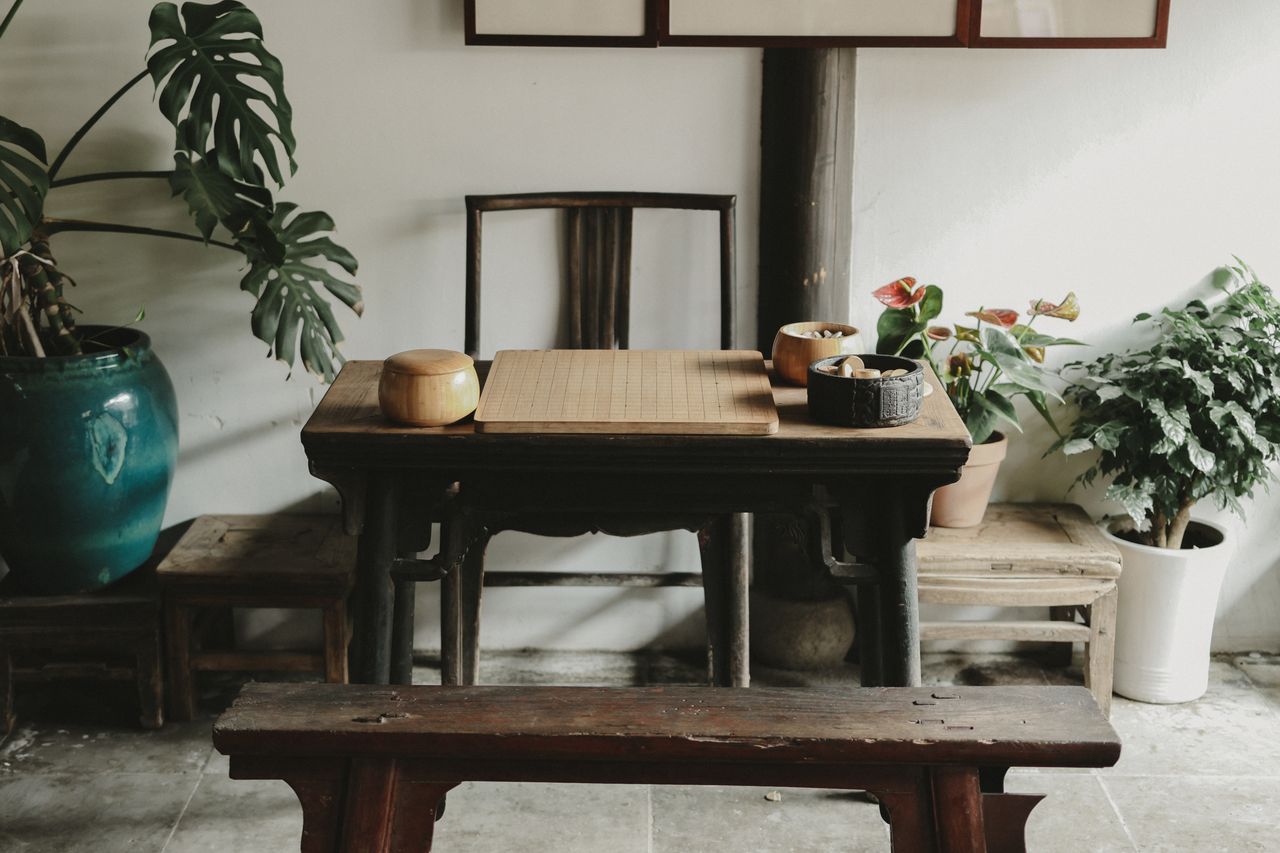
If you’ve scrolled through Pinterest or Instagram lately, you already know: indoor plants are the single biggest home décor trend sweeping American homes in 2025. And unlike a fresh coat of paint or a pricey furniture upgrade, plants do something no other décor element can — they breathe life into a space, purify your air, and genuinely make you feel better every day.
Whether you live in a 600 sq ft apartment in Chicago or a 3,000 sq ft colonial in the suburbs of Atlanta, this guide will show you exactly how to use houseplants to elevate every corner of your home. We’re talking room-by-room strategies, styling techniques used by professional interior designers, the best plant picks for beginners and experts alike, and budget-friendly DIY planter ideas you can pull off this weekend.
Let’s get into it. 🌱
Table of Contents
- Why Indoor Plants Are the Ultimate Home Improvement Tool
- The Room-by-Room Plant Placement Guide
- Design Principles: How Interior Designers Style Plants
- The 15 Best Plants for Home Décor (By Aesthetic & Skill Level)
- DIY Indoor Garden Ideas on a Budget
- Choosing the Right Planters & Pots for Your Style
- Common Plant Décor Mistakes (And How to Fix Them)
- Seasonal Plant Décor: Keeping It Fresh Year-Round
- Quick-Start Checklist: Your First Plant Décor Project
- Frequently Asked Questions
1. Why Indoor Plants Are the Ultimate Home Improvement Tool
Here’s something most homeowners don’t realize: adding plants is one of the highest ROI home improvements you can make. A redesigned kitchen might cost $20,000. A plant shelfie wall can cost $150 and completely transform the same space.
But the benefits go way beyond aesthetics.
They Actually Improve Your Air Quality
NASA’s landmark Clean Air Study identified common houseplants that can absorb volatile organic compounds (VOCs) like benzene, formaldehyde, and trichloroethylene from indoor air. While a few potted plants won’t replace your HVAC filter, they contribute to a healthier indoor environment — especially important since the EPA estimates Americans spend about 90% of their time indoors.
They Boost Mental Wellness
A growing body of research links exposure to indoor plants with reduced stress, improved focus, and elevated mood. A 2022 study published by the Journal of Physiological Anthropology found that active interaction with indoor plants — even just caring for them — suppresses both physiological and psychological stress.
They Add Instant Visual Warmth & Texture
No throw pillow, wall art piece, or area rug adds the kind of organic, layered texture that a live plant does. Plants bring color, movement (leaves that sway), varied heights, and seasonal change to a space — all things that make a room feel alive rather than staged.
And the best part? They’re endlessly customizable. A single trailing Pothos on a high shelf reads completely differently than a 6-foot Fiddle Leaf Fig anchoring a living room corner. Once you understand the design language of plants, your whole home becomes a canvas.
2. The Room-by-Room Plant Placement Guide
The biggest mistake most people make is buying plants they love without thinking about whether the plant actually suits the room. Light levels, humidity, and traffic patterns vary enormously from room to room. Here’s how to think about each space.
Living Room: Your Statement Zone
The living room is where plant décor makes its boldest statement. You have the most square footage, the best natural light in most homes, and the most eyes on it.
Best strategies:
- Floor plants in empty corners: Fiddle Leaf Figs, Bird of Paradise, and Monstera deliciosa all work beautifully as architectural anchors at 4–6 feet tall.
- Shelf styling: Use trailing plants like Pothos or String of Pearls on floating shelves to add cascading greenery at eye level.
- Coffee table centerpiece: A low, wide planter with succulents or a single Pilea peperomioides makes a striking, modern focal point.
- Window nooks: If you have south- or east-facing windows, build a “plant corner” — cluster 3–5 plants of varying heights together. The grouping effect is dramatically more impactful than scattered single plants.
Light tip: Most living rooms get bright indirect light. Snake Plants, ZZ Plants, and Monsteras are forgiving performers even in lower-light living rooms.
Kitchen: Edible Meets Beautiful
The kitchen is the most functional room for plants in your entire home. This is where you build your indoor herb garden — and it pays off every single time you cook.
Basil, rosemary, thyme, mint, and chives all grow happily on a sunny kitchen windowsill. Group them in matching terra cotta pots for a classic farmhouse look, or use a tiered wire rack planter for a more contemporary feel.
Beyond herbs, consider:
- A small Pothos or Heartleaf Philodendron on top of the refrigerator — they trail beautifully downward and thrive on the warmth.
- An Air plant (Tillandsia) mounted on a small driftwood piece near the window — zero soil, zero mess.
Bedroom: Calm, Clean & Restorative
The bedroom is your sanctuary, and your plant choices here should reflect that intention. Focus on plants that are known for their calming visual profile and air-filtering properties.
Top performers:
- Lavender: A pot on the nightstand isn’t just beautiful — its scent has been clinically associated with improved sleep quality.
- Peace Lily (Spathiphyllum): One of NASA’s top air-purifying plants. Elegant white blooms, low light tolerant, does well in the humidity a bedroom naturally provides.
- Snake Plant (Sansevieria): One of the few plants that releases oxygen at night (most do the reverse), making it a uniquely good bedroom choice. Nearly indestructible.
- Pothos: Incredibly forgiving, fast-growing, and trails beautifully from a bedside shelf or macramé hanger.
Keep bedroom plants on the smaller, quieter side visually. You want serenity, not a jungle. Two or three well-chosen plants in beautiful pots are far more effective than ten mismatched ones.
Bathroom: The Tropical Retreat
Your bathroom is secretly the best room in the house for tropical plants — it’s warm, humid, and often has diffused natural light. Many of the most visually stunning houseplants are tropical by nature, meaning your bathroom is their ideal habitat.
Best bathroom plants:
- Ferns (Boston Fern, Maidenhair Fern): Absolutely thrive in bathroom humidity. Hang them from the ceiling for a spa-like effect.
- Orchids (Phalaenopsis): They love the humidity and indirect light. A single blooming orchid on a bathroom shelf is pure elegance.
- Bamboo: Lucky Bamboo in a glass vase with pebbles and water is a low-maintenance, high-impact bathroom classic.
- Aloe Vera: Loves the humidity and you’ll always have natural skincare on hand.
Pro tip: Even windowless bathrooms can support plants with a small grow light. Look for full-spectrum LED grow bulbs that screw into standard fixtures — they’re inexpensive and make a huge difference.
Home Office: Focus & Productivity
Research from the University of Exeter found that adding plants to an office environment boosted employee productivity by up to 15%. If you work from home, this one’s a no-brainer.
The best home office plants are low-fuss (you’re busy working), air-purifying, and visually calming without being distracting.
- ZZ Plant: Almost impossible to kill, thrives in low light, and has a clean, architectural look.
- Cactus: On a sunny desk, a small collection of cacti adds personality with zero maintenance demands.
- Chinese Evergreen (Aglaonema): Comes in stunning red, pink, and silver varieties. Tolerates fluorescent office lighting surprisingly well.
3. Design Principles: How Interior Designers Style Plants
Knowing which plants to buy is only half the equation. Professional plant stylists follow a set of core design principles that separate a beautiful plant arrangement from a random collection of pots. Here’s what they know that most homeowners don’t.
The Rule of Three
In interior design, odd numbers feel more natural and visually dynamic than even numbers. When grouping plants, always aim for clusters of 3, 5, or 7. Three plants of varying height — tall, medium, low — create an automatic triangle shape that the human eye finds deeply satisfying.
Vary Height, Texture & Leaf Shape
The most visually compelling plant arrangements mix:
- Scale: A tall floor plant + a medium tabletop plant + a trailing hanging plant
- Leaf texture: Smooth and waxy (Fiddle Leaf) + textured and ribbed (Calathea) + delicate and feathery (Fern)
- Leaf shape: Big bold leaves (Monstera) + thin upright leaves (Snake Plant) + round compact leaves (Pilea)
This variety creates depth and visual interest. Matching plants of the same shape and size, even in beautiful pots, will always look flat.
Use Plants to Define Zones
In open-plan living spaces, plants are an incredibly effective (and cost-free) way to define different functional zones without walls or furniture. A row of tall plants can visually separate a dining area from a living space. A cluster of plants can mark the entrance to a home office nook.
This is a technique interior designers charge thousands of dollars to implement with furniture and architectural elements. You can achieve the same effect with $80 worth of plants from your local nursery.
Match the Pot to the Room’s Design Language
This point cannot be overstated: the pot matters as much as the plant. A beautiful Monstera in a cheap plastic nursery pot looks like it was just brought home from the store. The same plant in a woven rattan basket, a matte terracotta pot, or a sleek white ceramic planter looks intentional, elevated, and designed.
4. The 15 Best Indoor Plants for Home Décor
Here’s a curated list organized by growing difficulty, so you can choose plants that match your current experience level. All of these are widely available at Home Depot, Lowe’s, local nurseries, and online retailers across the USA.
Beginner-Friendly (Hard to Kill)
| Plant | Best Room | Light Needs | Watering |
|---|---|---|---|
| Pothos (Epipremnum aureum) | Any room | Low to bright indirect | Every 1–2 weeks |
| Snake Plant (Sansevieria) | Bedroom, office | Low to medium indirect | Every 2–6 weeks |
| ZZ Plant (Zamioculcas) | Office, living room | Low to medium indirect | Every 2–3 weeks |
| Spider Plant (Chlorophytum) | Kitchen, bathroom | Bright indirect | Every 1–2 weeks |
| Rubber Plant (Ficus elastica) | Living room | Bright indirect | Every 1–2 weeks |
Intermediate (Rewarding With a Little Attention)
| Plant | Best Room | Light Needs | Watering |
|---|---|---|---|
| Monstera deliciosa | Living room | Bright indirect | Every 1–2 weeks |
| Fiddle Leaf Fig (Ficus lyrata) | Living room | Bright indirect | Weekly |
| Peace Lily (Spathiphyllum) | Bedroom, bathroom | Low to medium | Weekly |
| Calathea (various) | Bedroom, bathroom | Medium indirect | Every 1–2 weeks |
| Bird of Paradise (Strelitzia) | Living room | Bright direct/indirect | Weekly |
Statement & Specialty Plants
| Plant | Best Room | Why It Works |
|---|---|---|
| Monstera Thai Constellation | Living room | Stunning variegated leaves — a showstopper |
| Olive Tree (indoor) | Living room | Mediterranean chic, surprisingly adaptable |
| Chinese Money Plant (Pilea) | Any room | Trendy, compact, propagates easily |
| String of Pearls (Senecio) | Shelf or hanging | Dramatic trailing effect |
| Staghorn Fern (Platycerium) | Bathroom, entryway | Mounted on wood = living wall art |
5. DIY Indoor Garden Ideas on a Budget
You don’t need to spend a fortune to create a jaw-dropping indoor garden. Here are five DIY approaches that are trending in American homes right now.
1. The Shelfie Wall (Budget: $100–$200)
Install 3–4 floating shelves at staggered heights on one wall. Style with a mix of trailing plants (Pothos, String of Pearls), small upright plants (Succulents, Air plants), and a few books or decorative objects in between. This creates the “Instagram shelfie” effect that photographs beautifully and looks intentional in person.
Tip: Keep the wall paint neutral. A white or warm grey wall lets the plants pop as the visual stars.
2. The Kitchen Herb Wall (Budget: $50–$80)
Hang a wall-mounted wooden herb rack (widely available on Amazon and Etsy) near your kitchen window. Plant basil, thyme, rosemary, chives, and mint. Label each pot with a simple chalk marker. Functional, beautiful, and it makes your kitchen smell incredible.
3. The Plant Corner Moment (Budget: $150–$300)
Choose one empty corner of your living room or entryway. Add a tall plant (Monstera, Bird of Paradise, or Fiddle Leaf Fig) as the anchor. In front and to the side, add two or three plants of medium height on small plant stands. Add a trailing plant on a slightly elevated surface nearby. Finish with a beautiful floor planter for the anchor plant and matching medium pots for the rest.
This single corner — styled with five plants — will become the design focal point of the entire room.
4. The Bathroom Hanging Garden (Budget: $60–$100)
Install a ceiling hook (or use a tension rod across a small bathroom window) and hang Boston Ferns or trailing Pothos in macramé hangers. The movement and texture of hanging greenery transforms a basic bathroom into a boutique hotel-style retreat.
5. The Propagation Station (Budget: $30–$50)
This is both a décor feature and a practical plant-growing system. Collect 4–6 matching glass bud vases or test tubes. Take cuttings from your existing plants (Pothos, Philodendron, and Tradescantia all propagate easily in water). Arrange the vases in a row on a windowsill or floating shelf. The clear glass showing the developing roots is beautiful, modern, and endlessly conversation-starting.
For more on the science and method of water propagation, the University of Vermont Extension has excellent free resources on vegetative propagation techniques.
6. Choosing the Right Planters & Pots for Your Style
The plant and the pot are a design pair. Getting one right while neglecting the other leaves value on the table. Here’s a quick style matching guide:
- Modern / Minimalist: Matte white or charcoal ceramic, geometric concrete planters, sleek fiberglass pots with clean lines.
- Bohemian / Eclectic: Woven rattan baskets, macramé hangers, hand-painted terracotta, mismatched vintage pots.
- Farmhouse / Cottage: Classic terracotta, galvanized tin planters, wooden crate-style boxes, mason jar herb pots.
- Scandinavian / Nordic: Simple matte pastel ceramics, light wood pot stands, white and grey tones with natural textures.
- Industrial / Urban Loft: Concrete planters, dark metal stands, exposed zinc containers, raw textures.
Critical note on drainage: Whatever style pot you choose, make sure it has drainage holes or use a nursery pot inside a decorative cachepot. Overwatering is the #1 killer of houseplants, and proper drainage is your best defense. Learn the signs and solutions in our guide to how to water indoor plants correctly.
7. Common Plant Décor Mistakes (And How to Fix Them)
Even well-intentioned plant lovers make these errors. Here’s what to watch out for:
Mistake #1: Buying plants for looks without checking light requirements. Fix: Before buying any plant, assess where in your home you plan to put it. How many windows does that room have? Which direction do they face? South-facing = bright direct light. North-facing = low indirect light. Match the plant to the light, not the other way around.
Mistake #2: Using pots with no drainage in a room with no humidity. Fix: Use the cachepot method — plant in a nursery pot with drainage, place inside your decorative planter with an inch of pebbles at the bottom to prevent root rot.
Mistake #3: Placing all plants at the same height. Fix: Invest in a few plant stands, wall-mounted brackets, and hanging hooks. Vertical variation is what makes a plant arrangement look designed rather than dumped.
Mistake #4: Buying too many plants too fast. Fix: Start with 3–5 low-maintenance plants and learn what they need. Expand once you have a feel for your home’s light, humidity, and temperature patterns.
Mistake #5: Ignoring pet and child safety. Fix: Before purchasing any plant, check the ASPCA’s comprehensive toxic plants database to ensure it’s safe for pets and children. Many popular plants — including Pothos, Philodendron, and Peace Lily — are toxic to cats and dogs if ingested.
8. Seasonal Plant Décor: Keeping It Fresh Year-Round
One of the most overlooked aspects of plant home décor is seasonality. Just like you swap throw pillows and blankets, you can refresh your plant displays to match the seasons.
Spring: Bring in flowering plants — Orchids, Anthuriums, and African Violets. Swap heavy dark pots for lighter terracotta and pastel ceramics. Propagate your existing plants and add new starts.
Summer: Move tropical plants (Monstera, Bird of Paradise) to brighter spots as the sun gets stronger. Incorporate herbs more heavily as you’re likely cooking outdoors and need them handy.
Fall: Lean into warmer tones — Aglaonema in red and burgundy varieties, Crotons with their fiery orange and yellow leaves, and succulents in terracotta pots feel seasonally perfect.
Winter: Focus on the statement plants that shine in low winter light — Snake Plants, ZZ Plants, and Pothos hold up beautifully. Add grow lights on a timer to keep your more light-hungry plants thriving through shorter days.
9. Quick-Start Checklist: Your First Plant Décor Project
Ready to start? Here’s your step-by-step action plan for this weekend:
Assess your light: Walk through each room and note window direction and intensity at different times of day.
Pick your focus room: Start with one room — ideally your living room or kitchen for maximum impact.
Choose 3 plants that match your light assessment and style: one tall floor plant, one medium tabletop plant, one trailing or small accent plant.
Choose coordinated pots that match your room’s aesthetic (see Section 6 above).
Plan your placement: Identify one corner or shelf to style intentionally — don’t scatter randomly.
Check pet safety using the ASPCA database before purchasing.
Source your plants: Visit a local nursery for the best selection, or browse online from The Sill, Bloomscape, or Rooted — all reliable US-based plant retailers with nationwide shipping.
10. Frequently Asked Questions
Q: What is the best indoor plant for a beginner in the USA? The Pothos (Epipremnum aureum) is hands-down the best starter plant for American homes. It tolerates low light, irregular watering, central air/heating, and still looks beautiful trailing from a shelf. Nearly impossible to kill.
Q: How many plants do I need to change the feel of a room? Surprisingly few. Three well-placed, well-potted plants in a living room will make a more dramatic impact than 15 plants crammed without thought. Focus on quality placement over quantity.
Q: Are indoor plants safe for homes with cats and dogs? Many popular houseplants are toxic to pets. Always cross-reference new plants with the ASPCA toxic plant list before bringing them home. Pet-safe favorites include Spider Plants, Boston Ferns, Areca Palms, and most Orchids.
Q: What’s the best indoor plant to give as a home gift in the USA? A Fiddle Leaf Fig or Monstera in a beautiful ceramic pot is a guaranteed crowd-pleaser for a housewarming. For something more unique and low-maintenance, a Chinese Money Plant (Pilea) is charming and increasingly popular.
Q: How do I keep my plants alive in a home with central air conditioning? Central AC reduces indoor humidity significantly. Combat this by grouping plants together (they create a micro-humidity zone through transpiration), using a small pebble tray with water under pots, or running a small humidifier near your plant area. Avoid placing plants directly in front of AC vents.
Q: Can I use artificial plants for décor instead? High-quality silk or preserved plants can work in very specific situations (low-light spots where even low-light plants struggle, or for people with severe allergies). However, they don’t provide any air-purifying, wellness, or humidity benefits — and they gather dust over time. Wherever possible, go live.
Final Thoughts
Transforming your home with plants is one of the most satisfying, sustainable, and genuinely impactful things you can do for your living space. Unlike almost every other home improvement project, it gets better over time — plants grow, fill in, and become more beautiful as the months and years pass.
Start small, start intentional, and let your plant collection evolve with your confidence and your home.
Ready to take the next step? Explore our full library of plant care guides.