
Plant Care for Beginners: Your Complete First 30 Days with Indoor Plants
Tags: beginner houseplants, easy indoor plants USA, how to not kill plants, how to take care of indoor plants, indoor plant care guide, plant care for beginners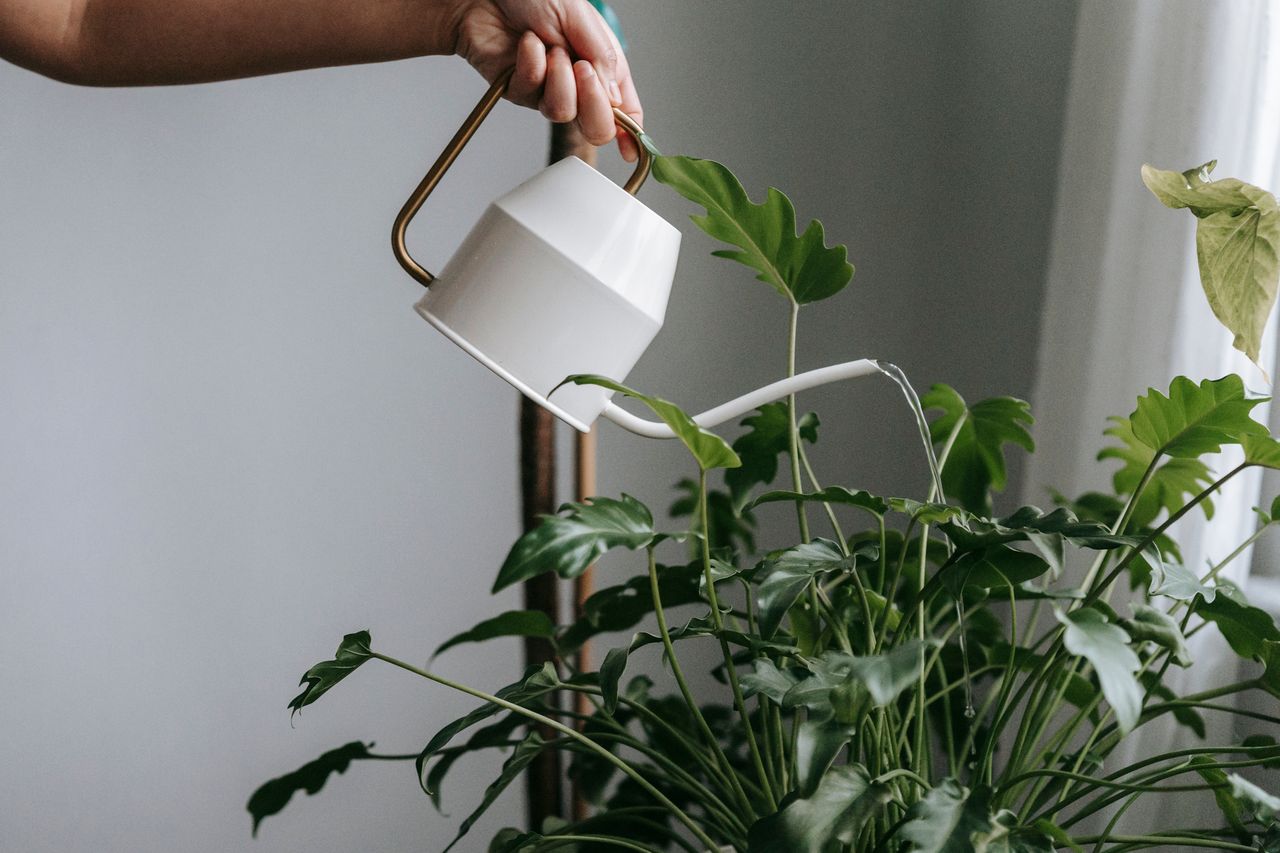
Let’s be honest about something: most people who say they “can’t keep plants alive” aren’t actually bad at plants. They were simply never taught the fundamentals.
No one sat them down and explained why a plant needs what it needs. They bought something beautiful at Home Depot, watered it occasionally, put it in a random spot, and watched it slowly decline — without ever understanding what went wrong or why.
This guide changes that. If you’ve killed plants before, welcome back. If you’re brand new and don’t want to repeat the mistakes most beginners make, you’re in the right place. By the end of this article, you’ll understand exactly what indoor plants need, why they need it, and how to build the simple habits that turn a self-described “black thumb” into a confident plant parent.
Let’s start from the very beginning. 🌱
Table of Contents
- The Truth About Why Plants Die (It’s Not Your Fault)
- The Five Pillars of Plant Care
- Choosing Your First Plant: The Beginner’s Framework
- The 10 Best Plants for Complete Beginners
- Setting Up Your Plant’s Environment
- Watering 101: The Most Misunderstood Part of Plant Care
- Feeding Your Plants: When & How to Fertilize
- Common Problems & How to Diagnose Them
- Your First 30 Days: A Week-by-Week Guide
- Building Your Plant Care Routine
- Frequently Asked Questions
1. The Truth About Why Plants Die (It’s Not Your Fault)
Before we get into technique, let’s address the psychology of plant failure — because it shapes how most beginners approach plants in a way that actually guarantees failure.
The most common beginner mistake is not overwatering or underwatering. It’s buying the wrong plant for the wrong space.
A Fiddle Leaf Fig in a low-light apartment is going to struggle no matter how perfectly you water it. A Peace Lily in a sunny, dry living room is going to need constant attention. When these plants decline, the beginner concludes “I’m bad at plants” — when the real issue is a mismatch between plant needs and environment.
The second most common mistake is inconsistency. Plants don’t need perfection — they need patterns. Regular, consistent care (even if imperfect) outperforms occasional bursts of attention every time.
The third most common mistake is treating all plants identically. What’s good for a succulent (bright light, infrequent watering) will kill a fern (diffused light, consistently moist soil). Plants are not interchangeable. Understanding each plant’s individual needs is the core skill we’re building in this guide.
The American Horticultural Society notes in its plant care resources that new gardeners who take time to understand the specific conditions of their growing environment have dramatically better long-term success rates than those who jump straight to purchasing plants.
Good news: once you understand the five pillars below, matching plant to environment becomes genuinely intuitive.
2. The Five Pillars of Plant Care
Every plant care decision you’ll ever make comes down to these five variables. Master these, and you can care for virtually any houseplant.
Pillar 1: Light
Light is the single most critical variable in plant care. Plants use light to photosynthesize — to convert it into the energy they need to grow, bloom, and stay healthy. Without adequate light, nothing else matters: perfect watering and ideal soil can’t compensate for light deficiency.
The four indoor light levels:
- Bright direct light: Sunlight falls directly on the plant for several hours per day. Typically within 1–2 feet of a south or west-facing window.
- Bright indirect light: The room is well-lit, but direct sun doesn’t touch the plant. Near (but not in) a south or east-facing window, or in a room with large windows.
- Medium light: No direct sun, but a reasonable amount of ambient natural light. Several feet from a bright window or near a north-facing window.
- Low light: Dimly lit spaces. Far from windows, interior rooms, north-facing windows. Very few plants thrive here — but some survive.
Action step: Before buying any plant, identify which light level describes the spot where you plan to put it. Then choose a plant rated for that light level.
Pillar 2: Water
Water is the most frequently mismanaged aspect of plant care — and overwatering kills far more houseplants than underwatering. The goal is not to water on a calendar schedule. The goal is to water based on what the soil and plant are telling you.
We cover this in detail in Section 6 and in our complete guide to how to water indoor plants.
Pillar 3: Soil & Drainage
Plants need the right growing medium for their type:
- Most tropical houseplants: Standard quality potting mix (not garden soil — never use garden soil for containers).
- Succulents & cacti: Cactus/succulent mix, or standard potting mix cut 50/50 with perlite.
- Orchids: Specialized bark-based orchid mix.
- Herbs: Potting mix lightened with extra perlite.
All containers need drainage holes. Full stop. Without drainage, water pools at the root zone, depriving roots of oxygen and causing root rot — the most common cause of houseplant death.
Pillar 4: Temperature & Humidity
Most popular houseplants are tropical in origin. They evolved in warm, humid environments. The good news: most American homes (kept at 65–80°F) are within the comfortable range for the majority of popular houseplants.
Watch out for:
- Cold drafts near windows in winter (particularly damaging to tropical plants)
- Air vents blowing hot, dry air directly on plants
- Low humidity — most American homes drop to 20–30% humidity in winter, below the 40–60% most tropical houseplants prefer
Easy humidity fix: Group plants together (they create micro-humidity through transpiration), use a pebble tray with water under pots, or invest in a small humidifier near your plant area.
Pillar 5: Nutrients
Plants in containers gradually exhaust the nutrients in their potting mix. Fertilizing replaces these nutrients and supports continued healthy growth. A balanced liquid fertilizer (10-10-10 or similar NPK ratio), diluted to half the recommended strength and applied monthly during the growing season (March–September), is sufficient for most houseplants.
During winter, most houseplants enter a semi-dormant state and should be fertilized less frequently or not at all.
3. Choosing Your First Plant: The Beginner’s Framework
Use this simple decision framework to choose plants that will actually succeed in your home:
Step 1: Identify your light conditions (per the guide in Section 2).
Step 2: Honestly assess your schedule. Are you home most days, or are you traveling several days a week? Do you tend to forget things, or are you highly routine-oriented? This determines whether you need a drought-tolerant plant or one that needs more consistent attention.
Step 3: Consider pets and children. If you have cats, dogs, or small children, plant toxicity is a real concern. Always verify safety before purchasing using the ASPCA toxic plants database.
Step 4: Start with ONE of the plants on the beginner list below. Add more plants once you understand what your first plant needs. Buying ten plants at once is a recipe for overwhelm and loss.
Step 5: Buy from a quality source. A healthy plant from a good nursery will perform dramatically better than a stressed, neglected plant from a big-box store. Locally owned garden centers, Whole Foods plant sections, and reputable online retailers (The Sill, Rooted, Bloomscape) are consistently reliable sources in the US.
4. The 10 Best Plants for Complete Beginners
These plants are selected specifically because they’re tolerant of the most common beginner mistakes: inconsistent watering, imperfect light conditions, and occasional neglect.
1. Pothos (Epipremnum aureum)
The undisputed #1 beginner plant. Tolerates low light, irregular watering, and neglect better than virtually any other houseplant. Trails beautifully from shelves or hanging baskets. Grows fast, making it rewarding for new plant parents. Available everywhere, inexpensive, and easy to propagate (simply place a cutting in a glass of water).
Care summary: Bright indirect to low light. Water when the top 1–2 inches of soil are dry. Fertilize monthly in spring/summer.
2. Snake Plant (Sansevieria / Dracaena trifasciata)
The ultimate plant for busy people or dimly lit spaces. Snake Plants store water in their thick leaves and can go 2–6 weeks between waterings. They’re one of the few plants that releases oxygen at night, making them excellent bedroom plants. Their upright, architectural form works in virtually any décor style.
Care summary: Low to bright indirect light. Water sparingly — every 2–6 weeks. Fertilize every 2 months in spring/summer only.
3. ZZ Plant (Zamioculcas zamiifolia)
If the Snake Plant and Pothos had a baby optimized for complete neglect, it would be the ZZ Plant. It stores water in its underground rhizomes and can survive months of drought. Its glossy, deep-green leaves look perpetually healthy with almost no input. One of the best plants for north-facing windows or interior rooms.
Care summary: Low to medium indirect light. Water every 2–3 weeks in summer, every month in winter. Rarely needs fertilizer.
4. Spider Plant (Chlorophytum comosum)
A beloved American classic — many of us first encountered Spider Plants hanging in our grandparents’ kitchens. They’re incredibly adaptable, safe for pets and children, and produce charming “spiderettes” (baby plants on long runners) that dangle decoratively and can be propagated easily. A genuine starter plant that rewards the whole family.
Care summary: Bright indirect to medium light. Water moderately, allow to slightly dry between waterings. Pet-safe!
5. Peace Lily (Spathiphyllum)
One of the most beautiful and low-light tolerant flowering houseplants available. Peace Lilies are dramatic communicators — when they need water, they droop dramatically and perk right back up within hours of being watered. This makes them essentially self-regulating for beginners who aren’t sure when to water. They also bloom reliably indoors with elegant white flowers.
Care summary: Low to medium indirect light. Water when leaves begin to droop slightly. Avoid direct sun.
6. Rubber Plant (Ficus elastica)
For beginners who want a larger, more statement-making plant, the Rubber Plant is the most forgiving of the “big leaf” plants. It has thick, glossy leaves (available in dark green, burgundy, and variegated varieties) and is far more tolerant of varying conditions than its finicky cousin, the Fiddle Leaf Fig. It grows steadily into a small indoor tree with minimal fuss.
Care summary: Bright indirect light. Water when the top 1–2 inches of soil are dry. Wipe leaves with a damp cloth monthly to keep them glossy.
7. Aloe Vera
The most useful beginner plant on the list. Aloe Vera is essentially a living first-aid kit on your windowsill — the gel inside its leaves is a proven treatment for minor burns, sunburns, and skin irritation. It needs very little water and thrives in bright light. In most US homes, a sunny kitchen or bathroom windowsill is ideal.
Care summary: Bright direct or indirect light. Water every 2–3 weeks in summer, every 4–6 weeks in winter. Fast-draining cactus mix preferred.
8. Heartleaf Philodendron (Philodendron hederaceum)
Similar to Pothos in its trailing growth habit and forgiving nature, but with a slightly different look — softer, heart-shaped leaves with a velvet-like texture. Grows quickly, trails beautifully, and tolerates a wide range of light conditions. If you love the look of Pothos but want something slightly different, this is your plant.
Care summary: Bright indirect to low light. Water when the top inch of soil is dry. Fertilize monthly in spring/summer.
9. Chinese Evergreen (Aglaonema)
One of the most underrated houseplants in America. Aglaonemas come in an astonishing range of color varieties — deep green, silver, red, pink, and bicolor patterns — making them some of the most visually striking low-maintenance plants available. They genuinely tolerate low light and are highly adaptable to indoor conditions.
Care summary: Low to medium indirect light (deeper red varieties need brighter light for color). Water when the top 1–2 inches are dry.
10. Succulent Collection
For anyone drawn to minimalist, desert-modern aesthetics, a small collection of succulents — echeverias, haworthias, jade plants, and similar varieties — makes an ideal beginner setup. They need less watering than any other category of houseplant and thrive on the bright light of south and west-facing windows. Group 3–5 in a shallow dish or tray for a striking low-profile centerpiece.
Care summary: Bright direct to indirect light. Water every 2–3 weeks in summer, every 4–6 weeks in winter. Excellent drainage essential.
5. Setting Up Your Plant’s Environment
Once you’ve chosen your plant, setting up the right environment takes less than 10 minutes and dramatically increases your chances of success.
Choose the right spot first. Don’t put the plant wherever you think it looks good — put it where the light matches its requirements, then style around it. You can always adjust aesthetics; you can’t change where the sun comes in.
Use the right pot size. Oversized pots are a common beginner mistake. More soil = more moisture retention = higher root rot risk. Choose a pot only 1–2 inches larger in diameter than the plant’s root ball. If you’re repotting, move up one size at a time.
Check for pests before you bring the plant inside. New plants from nurseries and garden centers can harbor pests that will spread to your other plants. Inspect undersides of leaves and the soil surface for signs of insects. Quarantine new plants away from your existing collection for 1–2 weeks before placing them permanently.
Acclimate gradually. Plants are creatures of habit. Moving a plant abruptly from a low-light garden center to a bright south-facing window can cause leaf scorch. Transition new plants gradually to their final position over 1–2 weeks.
6. Watering 101: The Most Misunderstood Part of Plant Care
Let’s spend extra time here because watering is where the most beginners go wrong.
The Core Rule
Water the plant based on the soil, not the calendar. There is no universal “water your plants every Sunday” rule. How often you water depends on the plant type, pot size, soil mix, light level, season, and humidity in your home. Two identical plants in two different rooms can need watering on completely different schedules.
The Finger Test (Your Primary Watering Tool)
Push your finger 1–2 inches into the soil before every watering decision:
- Soil feels wet or cool and damp: Don’t water. Come back in 2–3 days.
- Soil feels just barely moist: Borderline — depends on the plant. Water drought-sensitive plants (Pothos, Calathea); hold off for drought-tolerant ones (Snake Plant, ZZ Plant, succulents).
- Soil feels dry: Time to water.
How to Water Properly
When you do water, water thoroughly — slowly pour water evenly over the entire soil surface until it flows freely from the drainage holes. This ensures the entire root zone gets moisture and flushes out mineral buildup.
Then wait. Don’t water again until the finger test tells you to.
Avoid:
- Watering a little bit each time (keeps only the top inch moist while the deeper roots stay dry)
- Using ice cubes (cold water shocks tropical plants)
- Misting as a substitute for watering (raises surface humidity temporarily but doesn’t hydrate roots)
- Leaving plants sitting in standing water in saucers (causes root rot)
For a full deep-dive with plant-specific watering charts, read our guide: How to Water Indoor Plants Correctly.
7. Feeding Your Plants: When & How to Fertilize
Fertilizing is simpler than most beginners think. Here’s the framework:
When to fertilize: During the active growing season — roughly March through September in most of the USA. Most houseplants slow or stop growing in winter and don’t need feeding.
What to use: A balanced liquid fertilizer (look for equal NPK numbers like 10-10-10 or 5-5-5, widely available at Home Depot, Lowe’s, or Amazon) diluted to half the recommended strength.
How often: Once a month during the growing season is sufficient for most houseplants. Cacti and succulents: once every two months.
Signs of over-fertilization: White crusty deposits on soil surface, brown leaf tips, wilting despite moist soil, or leaves that look chemically burned. If this happens, flush the soil thoroughly with plain water to leach out excess salts.
8. Common Problems & How to Diagnose Them
Think of this as your beginner plant triage guide. When something goes wrong, work through this checklist:
Yellow leaves (lower or all over):
- Most likely: Overwatering. Check the soil — if it’s consistently wet, reduce watering frequency and improve drainage.
- Less common: Natural aging (lower leaves yellowing on otherwise healthy plants is normal). Nutrient deficiency if soil has been un-fertilized for many months.
Brown, crispy leaf tips:
- Most likely: Low humidity or fluoride/chlorine in tap water. Try filtered water or let tap water sit out overnight before using.
- Also possible: Fertilizer burn or root bound (roots circling the pot).
Drooping, wilting leaves despite moist soil:
- Most likely: Root rot from overwatering. Gently remove the plant from its pot and inspect roots. Healthy roots are white/tan and firm. Rotten roots are brown, black, mushy, and smell bad. Trim rotted roots, repot in fresh dry soil, and reduce watering significantly.
Leggy growth (long, stretched stems with small leaves):
- Cause: Insufficient light.
- Fix: Move to a brighter location or add a grow light.
Dropping leaves suddenly:
- Cause: Often a sudden environmental change — a move, a cold draft, temperature fluctuation, or low humidity shock.
- Fix: Move away from drafts and vents. Stabilize conditions. Plants often recover once the stress source is removed.
Small insects on or around the plant:
- Fungus gnats (tiny flies around soil): Caused by overwatered soil. Let soil dry more completely between waterings. Yellow sticky traps help catch adults.
- Aphids (clusters of tiny insects on new growth): Wipe off with a damp cloth. Spray with neem oil solution.
- Spider mites (tiny dots, fine webbing under leaves): Increase humidity, spray with neem oil solution, isolate from other plants.
The NC State Extension Gardener Plant Toolbox is an excellent free resource for diagnosing both pest and disease problems in houseplants.
9. Your First 30 Days: A Week-by-Week Guide
Here’s exactly what to do in your first month with a new houseplant.
Week 1: Observation Mode
Don’t do much. Resist the urge to repot, fertilize, or rearrange your plant immediately. The #1 thing your plant needs in week one is time to acclimate to its new environment. Shock is real — plants that are moved, repotted, and put in a new light environment all at once experience significant stress.
Do: Place the plant in its chosen spot. Water if the soil is dry from transport. Observe.
Week 2: Assess & Adjust
Check the soil moisture. Do a finger test. Is the soil still moist from when you first watered, or has it dried out? This gives you your first real data point on how quickly this plant will cycle through water in this spot.
Check the light: Does the plant look happy (upright, firm, good color)? Or is it already reaching toward the window (needs more light) or developing pale, washed-out leaves (possibly too much direct sun)?
Week 3: Establish the Care Rhythm
By now you should have a sense of your plant’s watering pace. Begin building the pattern: check the plant twice a week. Water when needed. Remove any dead or yellowing leaves.
This is also a good time to check for pests. Inspect leaf undersides and the soil surface carefully.
Week 4: First Evaluation
Your plant has now been in your care for a full month. A successful first month looks like: the plant maintaining its existing leaves (no major additional yellowing or leaf drop) and potentially showing a small sign of new growth — a new leaf unfurling, a new stem, a new shoot.
Don’t expect explosive growth in month one. Stability is success. If your plant looks essentially the same as when you bought it, you’re doing great.
10. Building Your Long-Term Plant Care Routine
The secret to keeping plants alive long-term isn’t skill — it’s habit integration. Here’s how to build plant care into your existing routine so it never feels like a chore:
Attach it to an existing habit. Water your plants when you make Sunday morning coffee. Do a quick check-in on your plants every time you pass them on your way to the kitchen. Fertilize on the first of every month. Habit stacking (linking plant care to an existing routine) is far more sustainable than trying to remember independently.
Keep a simple plant journal. A note on your phone with each plant’s name, location, and last watering date is surprisingly effective. You don’t need an app — a simple note works perfectly.
Set a monthly reminder. On the first of each month (growing season): fertilize, inspect for pests, rotate pots a quarter turn (for even light exposure), and remove any dead leaves.
Let plants tell you what they need. As you spend more time with your plants, you’ll develop an instinct for when something is off — a subtle droop, a change in color, a texture shift. This intuition builds faster than most beginners expect.
For a beautiful visual reference on how to incorporate plant care into a full home décor strategy, revisit our ultimate indoor plants for home décor guide.
11. Frequently Asked Questions
Q: How do I know if my plant needs water? Use the finger test (Section 6). Push your finger 1–2 inches into the soil. If dry — water. If moist — wait. This is more reliable than any calendar schedule.
Q: What is the best beginner houseplant for a dark apartment? The ZZ Plant or Snake Plant. Both genuinely thrive in low light and are almost impossible to kill with typical beginner habits.
Q: How do I know if my plant is getting too much or too little light? Too little light: leggy, stretched growth; small leaves; reaching toward the window; slow or no growth. Too much direct light: bleached or scorched (brown, papery) patches on leaves.
Q: What type of water is best for houseplants? Room-temperature filtered water or tap water left sitting in an open container for 24 hours (allowing chlorine to dissipate) is ideal for most houseplants. Avoid cold water straight from the tap for tropical plants.
Q: How often should I repot my plants? Most houseplants need repotting every 1–2 years or when you can see roots growing out of the drainage holes. Repot in spring, moving up only one pot size at a time. Use fresh potting mix.
Q: Can I put plants in a room with no windows? Almost all plants need some light — natural or artificial. In a windowless room, a full-spectrum LED grow light on a 14–16 hour timer can successfully grow a wide range of houseplants. Without any light source, plants will decline over time regardless of other care.
Final Thoughts
Here’s the most important thing to internalize as a beginning plant parent: every plant you lose is a lesson, not a failure. Even experienced plant collectors with hundreds of plants have kills. The difference is they’ve learned to read what went wrong and adjust.
With the framework in this guide — five pillars, right plant for right space, consistent watering approach, and a simple monthly routine — you have everything you need to not just keep plants alive, but watch them genuinely thrive.
Start with one plant. Learn it. Then expand.
Keep exploring PlantCareHacks: