
Transform Your Balcony Into a Garden Paradise (Even in a Small Space)
Tags: apartment balcony plants, balcony container garden, balcony garden design ideas, balcony vegetable garden, how to turn a balcony into a garden, small balcony garden ideas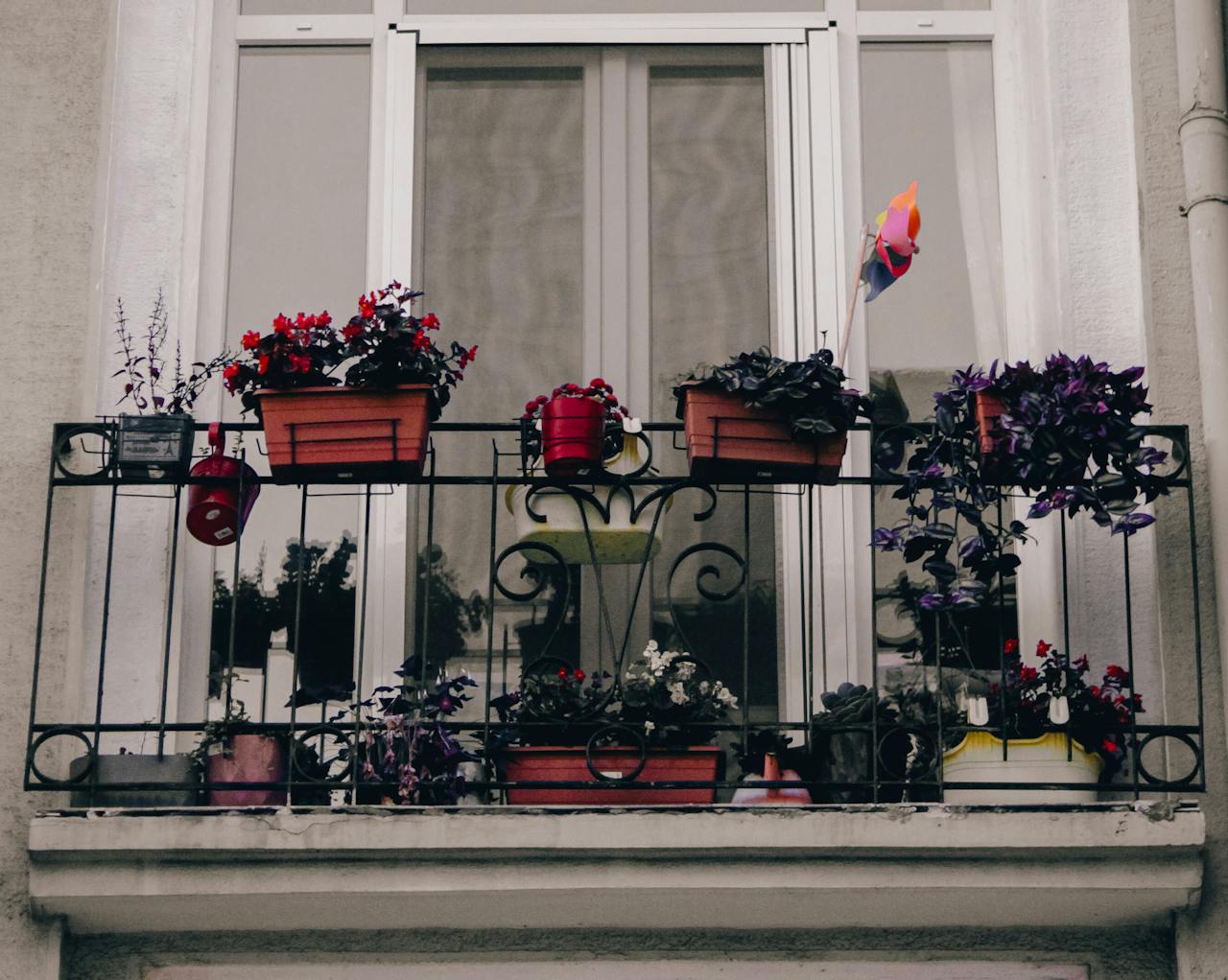
A balcony is one of the most underused spaces in any home. Most sit half-empty, occupied by a single forgotten pot and a dusty chair. But even the smallest balcony — two metres wide and a metre deep — can be transformed into a genuinely beautiful green retreat that becomes the best spot in your home.
In 2026, balconies, indoor plants and nature-inspired corners are becoming major lifestyle trends as people try to make their homes calmer, greener, and more emotionally comforting. The trend is part of a larger shift toward biophilic design — homes designed to feel more connected with nature. Balcony gardens are at the forefront of this movement.
The transformation doesn’t require a garden designer, a large budget, or expert knowledge. It requires a plan.
Here’s how to turn your balcony into a garden paradise — step by step.
Step 1: Assess Your Balcony Conditions
Before buying a single plant, understand what you’re working with. Two things determine almost every plant choice and layout decision you’ll make.
Sunlight direction:
Walk onto your balcony at different times of day and note where the sun falls.
- South-facing: Most light all day. You can grow almost anything — tomatoes, herbs, flowering plants, succulents. The best balcony orientation.
- West-facing: Good afternoon sun. Excellent for most plants including vegetables and herbs.
- East-facing: Morning sun only. Shade in the afternoon. Good for herbs, leafy salads, and some flowering plants. Most vegetables will struggle.
- North-facing: Least light. Suitable for shade-tolerant plants — ferns, hostas, begonias, and some hardy ornamentals. Not ideal for food growing.
Wind exposure:
High-rise balconies particularly can be very windy — this dries out plants rapidly and can damage tall or fragile plants. Test by leaving a piece of paper outside and watching how much it moves in typical conditions.
High wind solutions:
- Use heavy containers (terracotta or stone) that don’t tip
- Choose compact, lower plants over tall ones
- Install a trellis, bamboo screen, or railing-mounted planter along the windward edge to break the wind
Weight limits:
This is critical. Balconies have structural load limits — soil, pots, plants, furniture, and people all add to the load. If you plan a significant number of heavy containers, check your lease or building documents for weight limits. As a general rule of thumb, most building safety codes require balconies to support around 60 pounds per square foot. To stay well within your limits, follow these principles:
- Spread weight across the balcony rather than concentrating it in one area
- Lightweight containers (fabric grow bags, plastic pots) significantly reduce overall weight
- Use lightweight compost mixes rather than topsoil
Step 2: Plan Your Layout Before You Buy
The most common balcony garden mistake is buying plants randomly and arranging them wherever they fit. The result is a crowded, disorganised space that’s harder to maintain and less satisfying to use.
Think in zones:
Even a tiny balcony benefits from two zones:
- The growing zone — where plants are placed, along railings, walls, and in corners
- The living zone — where you actually sit, eat, and relax
The mistake is letting plants eat into the living zone. Design the growing zone to maximise vertical space — railings, walls, and overhead structures — so floor space remains usable.
The vertical-first principle:
On a small balcony, horizontal space is precious. Go vertical:
- Railing planters — purpose-made planters that clamp or hang over the balcony railing; excellent use of dead space
- Wall-mounted planters — fix to exterior walls for herbs and trailing plants
- Tiered plant stands — two or three tiers of plants in a single footprint
- Trellis or wire mesh — fix to the balcony wall for climbing plants or to hang pocket planters
This approach lets you grow far more than floor space alone would suggest.
Step 3: Choose the Right Containers
Container choice on a balcony is more important than in other spaces because of the combined pressures of wind, sun exposure, and weight concerns.
The best balcony container types:
Fabric grow bags: Lightweight, excellent drainage, root-friendly, inexpensive. Ideal for vegetables, tomatoes, and herbs. Not the most beautiful but function extremely well.
Large plastic pots: Lightweight, versatile, available in colours that mimic terracotta or stone. Good all-round choice.
Terracotta: Beautiful but heavy and fragile in frost. If you love the look, use terracotta for small feature pots and plastic for large planters.
Railing planters: Specifically designed for balcony railings. Use for herbs, trailing plants, and flowers. Maximise railing space without adding floor weight.
Window boxes: Mounted along walls or railings for dense, colourful planting.
Size matters: Always go larger than you think you need. Small containers dry out in hours on a sunny balcony. A minimum of 20–30 litres for feature plants; 10 litres for herbs.
Step 4: Choose Your Plants
Plant selection depends on your sunlight assessment, but here’s a complete guide to the best balcony plants in every category.
Statement plants (the anchors of your balcony design):
These are the largest plants that define the space and create the “lush” effect.
- Bamboo — fast-growing, provides privacy screening, looks spectacular in large pots; choose clumping bamboo (not running) to prevent spread
- Olive tree — Mediterranean look; drought-tolerant; beautiful in terracotta
- Cordyline (cabbage palm) — architectural, dramatic; tolerates exposed positions well
- Agapanthus — stunning blue or white flowers; very tolerant of balcony conditions
Flowering plants (colour and vibrancy):
- Pelargoniums (geraniums) — drought-tolerant, long flowering season, compact; a balcony garden classic
- Petunias — cascading from railing planters; vivid colours; excellent in full sun
- Nasturtiums — easy from seed, edible flowers, trail beautifully; also a companion plant that attracts aphids away from other crops
- Lavender — fragrant, drought-tolerant, attracts pollinators; excellent in hot south-facing positions
Food plants (practical + beautiful):
- Cherry tomatoes — one of the best balcony food plants; one 30L container can produce hundreds of fruits. Full guide: how to grow tomatoes at home in pots
- Courgette — surprisingly productive in a large container; large architectural leaves add drama
- Lettuce and salad leaves — fast-growing, cut-and-come-again; ideal for railing planters
- Herbs — basil, chives, mint, thyme, and parsley in railing planters or wall pots. Full guide: how to grow herbs indoors in small pots
Trailing and climbing plants (for vertical coverage):
- Clematis — fast-growing climber; flowering varieties are stunning on a trellis
- Black-eyed Susan vine (Thunbergia) — annual climber; orange and yellow flowers all summer
- Trailing verbena — covers large areas quickly from railing planters
- Nasturtium — excellent trailer; edible and attracts pollinators
Shade-tolerant options (for north or east-facing balconies):
- Fuchsia — beautiful hanging basket plant; flowers in shade
- Begonia — excellent shade performer; vivid flowering; good in containers
- Hostas — dramatic, architectural foliage; loves shade and moisture
- Ferns — lush, tropical-looking; ideal for shaded corners
Step 5: Create the Right Soil and Feeding Setup
Balcony plants live exclusively on what you give them. Unlike in-ground plants that can access nutrients from surrounding soil, container plants depend entirely on their growing mix and your feeding.
The balcony compost mix:
- 50% peat-free potting compost
- 30% multipurpose or vegetable compost
- 20% perlite (crucial — balcony containers need excellent drainage; wind and sun dry them quickly but they can also sit waterlogged after heavy rain)
Add slow-release fertiliser granules when filling containers for a season-long nutrient foundation.
Feeding in season: Feed every 2 weeks with a balanced liquid fertiliser from planting through to late summer. For flowering plants, switch to a high-potassium feed once buds appear. For food plants, follow the guidance in our vegetable garden guide.
Step 6: Solve the Watering Challenge
Watering is the biggest challenge of a balcony garden, particularly in summer. Containers in full sun can need watering once or even twice daily in a heatwave.
Solutions for consistent watering:
Water-retaining granules: Add hydrogel crystals to compost when planting — they absorb water and release it slowly, significantly extending the time between waterings.
Self-watering pots: Containers with built-in reservoirs maintain consistent soil moisture for days. An excellent investment for tomatoes and any thirsty food plants.
Drip irrigation on a timer: The ultimate balcony garden tool. A simple timer-controlled drip system costs surprisingly little and completely solves the watering problem — vital if you travel or work long hours.
Mulching: Cover the top of containers with a 2–3cm layer of decorative gravel, wood chip, or moss. This dramatically reduces evaporation from the soil surface.
Step 7: Make It a Space You Actually Want to Sit In
The most common mistake in balcony garden design is creating a beautiful growing space with no comfortable place to sit and enjoy it. Plants are not the only element of a garden paradise.
The furniture essentials:
- One or two chairs sized for the space — folding chairs that store against the wall maximise usability on small balconies
- A small table — even a bistro table for two transforms a balcony into a usable outdoor room
- Outdoor cushions and textiles — the single fastest way to make a balcony feel cosy and personal
The atmosphere details:
- Outdoor lighting — solar string lights woven through plants creates a magical evening atmosphere for essentially no cost
- A water feature — a small self-contained solar fountain adds sound and attracts birds; they’re widely available and inexpensive
- Scented plants near seating — lavender, rosemary, jasmine, or mint positioned near your seating area makes the space genuinely sensory and immersive
Privacy screening: On overlooked balconies, a bamboo screen, trellis with climbing plants, or dense row of tall plants along the railing creates both privacy and a lush green backdrop that makes the entire space feel like a garden rather than a balcony.
Balcony Garden Seasonal Calendar
| Season | What to Do |
|---|---|
| Spring (Mar–May) | Start seeds indoors; plant tomatoes and herbs after last frost; add summer annuals |
| Early Summer (June) | Establish feeding routine; train climbers; install irrigation if needed |
| High Summer (July–Aug) | Water and feed consistently; harvest food plants regularly; deadhead flowers |
| Late Summer (Sept) | Begin winding down; harvest remaining vegetables; sow autumn salads |
| Autumn/Winter | Clear annuals; protect tender plants; plan next season; compost spent plants |
Frequently Asked Questions
Q: What is the best plant for a small balcony? Cherry tomatoes, pelargoniums, and herbs are the best combination for a small balcony — they’re compact, productive, beautiful, and rewarding. For a pure ornamental balcony, lavender, petunias in railing planters, and one architectural statement plant (olive tree or cordyline) achieves maximum impact in minimal space.
Q: How do I create privacy on a balcony using plants? Bamboo in large containers is the fastest and most effective privacy screen — it grows quickly and creates a dense, attractive barrier. Trellis panels with fast-growing climbers (clematis, black-eyed Susan vine) are also excellent. A row of tall, dense plants along the railing edge screens eye-level views within a single growing season.
Q: Can I grow vegetables on a north-facing balcony? Most vegetables need at least 4–6 hours of direct sun and will struggle on a north-facing balcony. Exceptions include salad leaves, spinach, and some herbs (mint, parsley, chives) which tolerate lower light. For a primarily ornamental balcony, fuchsias, begonias, hostas, and ferns all thrive in north-facing positions.
Q: How do I stop balcony plants drying out so quickly? The most effective solution is a combination of: larger containers (more soil = more water retention), self-watering pots for thirsty plants, mulching the top of containers, and a drip irrigation timer for extended absences. Wind protection also dramatically reduces moisture loss — even a bamboo screen along the windward edge makes a noticeable difference.
Final Thoughts
A balcony garden is one of the most personally rewarding home improvement projects available — particularly for flat and apartment dwellers for whom it may be the only outdoor space they have. The effort invested in planning, choosing the right plants, and setting up proper watering systems is repaid every day you step outside and experience the space you’ve created.
Start with what you can maintain. Three or four well-tended plants in good soil with consistent watering and feeding outperform twenty neglected ones every time. Build the garden season by season, and within a year or two you’ll have an outdoor space that truly feels like a paradise.
Explore more on plantcarehacks.com: