
How to Grow Tomatoes at Home in Pots and Containers (Beginner’s Guide)
Tags: best tomato variety for pots, container tomato growing guide, growing tomatoes in containers beginners, how to grow cherry tomatoes in pots, How to Grow Tomatoes at Home in Pots, tomato plant care at home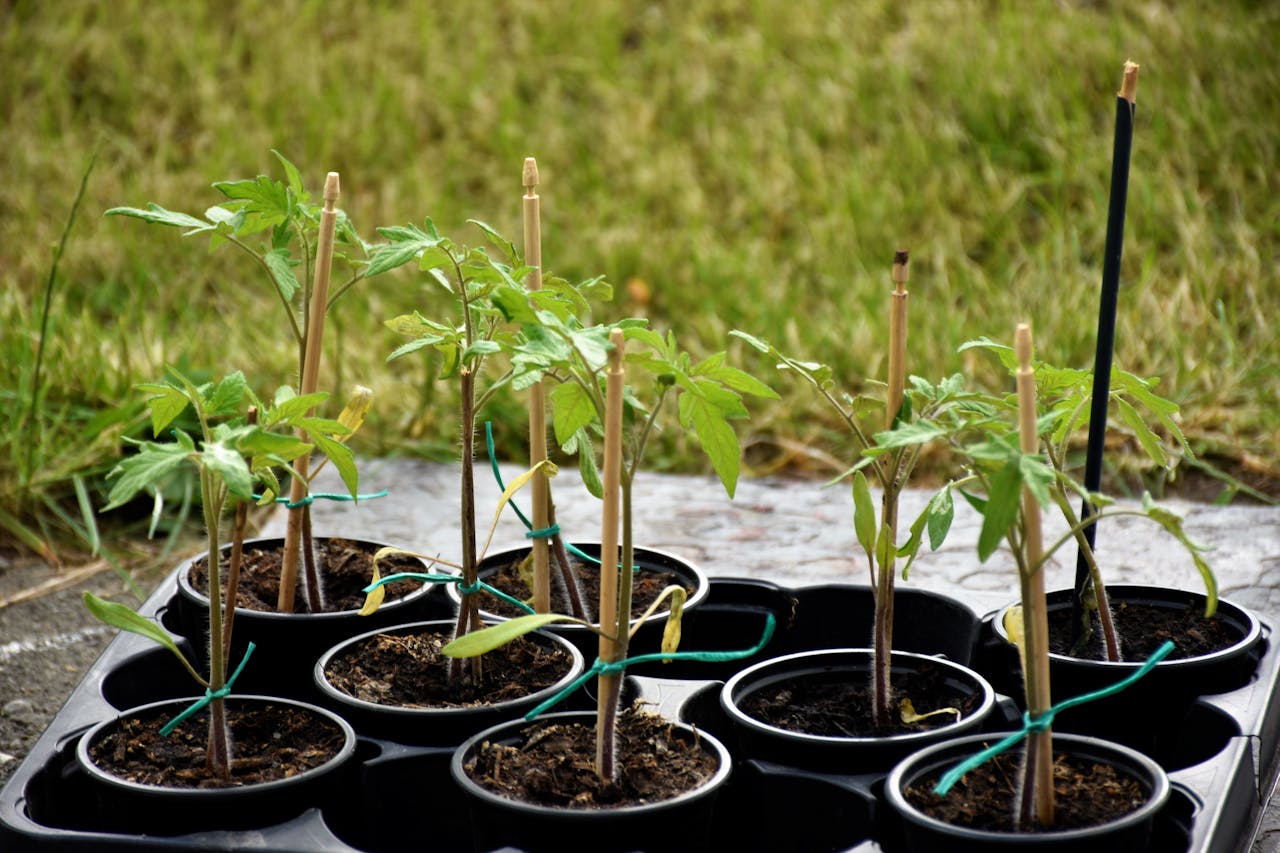
Tomatoes are the most popular vegetable to grow at home — and for good reason. Nothing from a supermarket compares to a sun-warmed tomato picked straight from a plant you grew yourself. The sweetness, the aroma, and the satisfaction are in a different category entirely.
The good news for anyone without a garden: tomatoes are one of the best vegetables for container growing. A pot on a balcony, patio, doorstep, or sunny windowsill can produce an impressive harvest with the right approach.
This guide walks you through everything you need to grow tomatoes at home in pots — from choosing the right variety to harvesting your first fruit.
Can You Really Grow Tomatoes in Pots?
Yes — and successfully, provided you give them three things: a large enough container, the right soil, and consistent watering and feeding. Many experienced gardeners actually prefer growing tomatoes in containers because:
- You control the soil quality completely (no dealing with poor ground soil)
- Containers can be positioned in the sunniest spot available
- Watering is more controlled than in-ground growing
- You can move them under cover if late frost threatens or weather turns bad
The main challenge with container tomatoes is that they dry out faster than in-ground plants and exhaust nutrients more quickly — both of which are easily managed with the right habits.
For a broader introduction to growing food at home including tomatoes, see our complete guide to starting a vegetable garden at home.
Step 1: Choose the Right Tomato Variety for Containers
Not all tomatoes are equally suited to container growing. Large, indeterminate (vining) varieties like beefsteak tomatoes grow very tall, need extensive staking, and aren’t practical in most container situations. The best container varieties are compact, early-maturing, and high-yielding.
Best tomato varieties for pots and containers:
Cherry tomatoes (best for beginners):
- Tumbling Tom — specifically bred for hanging baskets and pots; trailing habit; no pinching needed
- Gardener’s Delight — classic sweet cherry tomato; reliable and prolific; compact cordon type
- Sungold — orange cherry tomatoes with exceptional sweetness; highly recommended for flavour
- Sweet Million — very high-yielding; small sweet fruits in large trusses
Salad/mid-sized tomatoes:
- Tigerella — red and yellow striped; striking appearance; good container variety
- Alicante — reliable mid-sized red tomato; one of the most widely grown container varieties in the UK
Determinate (bush) varieties for smaller containers:
- Balconi Red / Balconi Yellow — specifically bred for balcony pots; very compact; 30–40cm height
- Tiny Tim — dwarf variety suitable for even windowsill growing; very small fruits
Tip for beginners: Start with a cherry tomato variety. They’re more forgiving of irregular watering, produce far more fruit per plant than large-fruited varieties, and ripen faster. A single cherry tomato plant in a 30L pot can produce hundreds of fruits in a season.
Step 2: Choose the Right Pot
Pot size is the most critical factor in container tomato success. Too small a pot and the plant will constantly stress, produce poorly, and need watering multiple times per day in summer.
Minimum pot sizes:
| Tomato type | Minimum pot size | Recommended pot size |
|---|---|---|
| Dwarf/balcony varieties | 10 litres | 15–20 litres |
| Cherry tomatoes | 20 litres | 30 litres |
| Salad/mid-sized varieties | 30 litres | 40+ litres |
| Large/beefsteak varieties | 40 litres | 50+ litres |
What to look for in a tomato pot:
- Drainage holes at the base — essential; root rot kills container tomatoes quickly
- Stable base — tomato plants grow tall and catch wind; a stable, wide pot prevents toppling
- Dark-coloured pots absorb heat (good in cooler climates); light-coloured pots reflect heat (better in hot summers)
- Fabric grow bags are an excellent option — inexpensive, provide excellent drainage and aeration, and the root zone stays cooler than in plastic
Step 3: Use the Right Soil Mix
Tomatoes are among the most nutrient-hungry vegetable plants. Standard potting compost alone won’t sustain a full-season container tomato — it runs out of nutrients too quickly.
Recommended soil mix for container tomatoes:
- 60% peat-free multipurpose or vegetable potting compost
- 20% homemade or well-rotted compost (adds fertility and microbial life)
- 20% perlite (for drainage and aeration)
- Add slow-release fertiliser granules (tomato-specific or balanced) when filling the pot
This gives your tomatoes a rich, well-draining growing medium that retains moisture without waterlogging. For a deeper guide to building the ideal soil mix, see our article on the best soil mix for vegetable gardens.
Step 4: Planting Your Tomatoes
When to plant:
Tomatoes are frost-sensitive. Plant outdoors only after the last frost date in your region — typically mid-May in the UK and northern Europe, or when night temperatures are consistently above 10°C.
Starting from seed indoors 6–8 weeks before your planting date extends the season; buying young plants (available from garden centres from April) saves time.
How to plant tomatoes in pots:
- Fill your container with the soil mix to about 10cm from the rim
- Water the mix well before planting
- Dig a hole slightly deeper than the root ball of your seedling
- Plant deeper than it was growing in its original pot — tomatoes form roots along any buried stem; planting deeply produces a stronger, better-rooted plant. Bury the stem up to the first set of leaves if the plant is leggy.
- Firm gently around the base and water in well
- Insert a support stake (cane or tomato spiral) immediately at planting — doing this later risks root damage
Hardening off:
If you’ve grown tomatoes from seed indoors or bought plants from a heated greenhouse, they need a period of adjustment before going outside permanently. Place them outside in a sheltered spot for a few hours each day, increasing the time over 1–2 weeks. This acclimatises them to wind, cooler temperatures, and direct outdoor light and dramatically reduces transplant shock.
Step 5: Position — Sunlight is Non-Negotiable
Tomatoes need a minimum of 6–8 hours of direct sunlight per day. They are one of the highest light-demand vegetables — insufficient sun leads to weak plants, poor fruit set, and tasteless tomatoes.
Best positions:
- South or south-west facing patio, balcony, or terrace
- Against a south-facing wall (wall reflects and stores heat — particularly beneficial in cooler climates)
- Avoid north-facing positions or anywhere shaded by walls, fences, or taller plants
If your sunniest spot is partially shaded, cherry tomato varieties tolerate slightly less sun than larger-fruited types — but 6 hours minimum is still the target.
Step 6: Watering Container Tomatoes
Consistent watering is the most important ongoing care task for container tomatoes. Irregular watering — alternating between very dry and very wet — causes a common problem called blossom end rot (a dark, sunken patch at the base of fruits) and also causes the skin of fruits to split when they swell quickly after a dry period.
How to water tomatoes in pots:
- Check soil moisture daily in warm weather by pushing your finger 3–4cm into the soil
- Water when the top 3–4cm feels dry — don’t wait for wilting
- Water at the base of the plant, not over the foliage — wet leaves in sun can cause scorch and increases disease risk
- Water until it flows freely from the drainage holes — don’t just dampen the surface
- In peak summer heat, container tomatoes may need watering once or even twice daily
Self-watering pots and drip irrigation:
For holidays or if you struggle to water consistently, self-watering containers (with a water reservoir at the base) or a simple drip-irrigation system on a timer are excellent investments for container tomatoes. Consistent moisture is more important for tomatoes than almost any other container plant.
For a comprehensive guide to watering frequency and technique for all indoor plants, see how often should you water indoor plants.
Step 7: Feeding — Tomatoes Are Heavy Feeders
Tomatoes need more nutrition than almost any other vegetable. The pre-mixed nutrients in potting compost are typically exhausted within 4–6 weeks, after which regular feeding is essential.
Feeding schedule:
From planting to first flowers: Feed every 2 weeks with a balanced liquid fertiliser (equal nitrogen, phosphorus, potassium — NPK). This supports leafy growth and root establishment.
From first flowers onwards: Switch to a high-potassium tomato fertiliser (widely available — look for “tomato feed” or “tomato fertiliser”). High potassium promotes fruit development and improves flavour. Feed every 7–10 days from flower set through to end of harvest.
According to the Royal Horticultural Society, tomatoes in containers are heavy feeders and benefit from weekly feeding with a high-potassium fertiliser once fruits begin to form.
Organic feeding options:
- Liquid comfrey fertiliser — exceptionally high in potassium; ideal for fruiting crops; make by steeping comfrey leaves in water for 3–4 weeks
- Seaweed extract — good general feed; improves plant resilience
- Worm castings — mix into the top of the container monthly
Step 8: Supporting and Pruning
Supporting cordon (single-stem) tomatoes:
Most tomato varieties grown in pots are cordon types — they grow as a single main stem and require support. As the plant grows:
- Tie the main stem loosely to a cane or stake every 20–25cm using soft garden twine
- Don’t tie tightly — the stem thickens as it grows
- As the plant reaches the top of its support, pinch out the growing tip to redirect energy into fruit already forming
Pinching out sideshoots (for cordon types):
Where each leaf meets the main stem, a small shoot (sideshoot) grows out at a 45° angle. For cordon tomatoes, these should be pinched out when small (under 3cm) to keep the plant growing as a single productive stem.
How to identify sideshoots: They grow in the junction (axil) between the main stem and a leaf. Pinch or cut them out cleanly with your fingers or scissors.
Bush/determinate varieties (like Tumbling Tom, Balconi, Tiny Tim) don’t require sideshoot removal — their growth is naturally compact. Check the label when buying.
End-of-season: Stop the plant
In late summer (early August in the UK), pinch out the growing tip of the main stem — this is called “stopping.” It redirects the plant’s energy from making new growth to ripening the fruits that have already formed, which is what you want as the season winds down.
Step 9: Dealing With Common Tomato Problems
Blossom end rot:
Dark, sunken, leathery patch at the base of fruits. Caused by calcium deficiency in the fruit — most often a result of inconsistent watering preventing calcium uptake. Fix: water more consistently. Foliar calcium sprays can help in severe cases.
Blossom drop:
Flowers dropping before setting fruit. Usually caused by temperatures above 30°C or below 10°C, or lack of pollination indoors. Fix: for indoor/greenhouse tomatoes, gently shake flowering stems daily to help pollination; ensure adequate ventilation.
Leaf curl:
Lower leaves curling under. Usually a response to heat stress, over- or underwatering. Not usually serious — monitor and ensure consistent watering.
Aphids on tomato plants:
Common on new growth. For organic control methods, see our complete guide to getting rid of aphids naturally.
Early blight (brown spots with yellow halos):
Fungal disease affecting lower leaves first. Remove affected leaves immediately, improve airflow around the plant, and avoid wetting foliage when watering. Copper-based fungicide applied preventively once fruit set begins.
Step 10: Harvesting Tomatoes
Tomatoes are ready to harvest when:
- Fully coloured (red, yellow, orange — depending on variety)
- Slightly soft when gently squeezed
- Come away from the vine with a gentle twist — no pulling required
- Taste sweet and flavourful (the only truly reliable test)
Harvest regularly: Pick fruits as they ripen rather than waiting for the whole truss. Regular harvesting keeps the plant producing — leaving ripe fruit on the plant signals it to slow down.
Ripening green tomatoes at the end of the season: If frost threatens and you still have unripe fruit, pick all tomatoes that have started to change colour and bring them indoors. Place on a windowsill or in a warm room — they will ripen off the vine. The Old Farmer’s Almanac advises placing a ripe banana near green tomatoes to speed ripening with ethylene gas.
Frequently Asked Questions
Q: What size pot is best for growing tomatoes? For cherry tomatoes, a minimum of 20 litres is workable but 30 litres gives significantly better results. For standard salad tomatoes, aim for at least 30–40 litres. Larger pots hold more moisture, dry out less quickly, and buffer temperature fluctuations better — all of which reduce the maintenance burden and produce better harvests.
Q: How many tomato plants can I grow in one pot? For pots under 40 litres, grow one plant per pot — tomatoes are vigorous and competitive. In a very large container (50+ litres) you can grow two compact bush varieties, but single plants generally outperform crowded ones.
Q: How often should I water tomatoes in pots? In warm summer weather, container tomatoes typically need watering daily — sometimes twice daily in a heatwave. Check the soil by pushing your finger 3–4cm in; water when the top layer feels dry. Never let container tomato soil dry out completely.
Q: Do tomatoes grown in pots taste as good as garden tomatoes? Yes — container-grown tomatoes are often excellent because you control the growing conditions completely. The biggest flavour factor is variety choice (small-fruited varieties like Sungold are consistently highest-rated for flavour) and allowing fruits to ripen fully on the vine rather than picking early.
Q: Can I grow tomatoes indoors on a windowsill? You can grow dwarf varieties like Tiny Tim or Balconi on a bright south-facing windowsill, but the limited light of most indoor environments restricts both growth and flavour compared to outdoor growing. If growing indoors, place in the brightest possible spot and shake the flowers regularly to help pollination.
Q: When should I start tomato seeds indoors? Sow tomato seeds indoors 6–8 weeks before your last frost date. In the UK, this typically means sowing in late February to March for planting out in May. Sow in small pots of seed compost, keep at 18–22°C, and pot on as seedlings develop.
Final Thoughts
Container tomatoes are one of the most rewarding projects in home growing. The combination of regular watering, consistent feeding, and good light produces plants that exceed most beginners’ expectations — often far more fruit than they anticipated from a single pot.
Start with one or two cherry tomato plants in the largest container you can accommodate. Get the watering and feeding rhythm established in the first season, and by year two you’ll have the experience to expand your range and try different varieties.
The biggest payoff — beyond the harvest itself — is the first time you eat a tomato five minutes after picking it, still warm from the sun. That’s the moment most home-growers become committed.
Explore more on plantcarehacks.com: