
How to Grow Herbs Indoors in Small Pots (Kitchen Windowsill Guide)
Tags: best herbs to grow indoors, grow basil indoors, growing herbs in containers indoors, herbs on kitchen windowsill, how to grow herbs indoors in small pots, indoor herb garden for beginners, kitchen herb garden ideas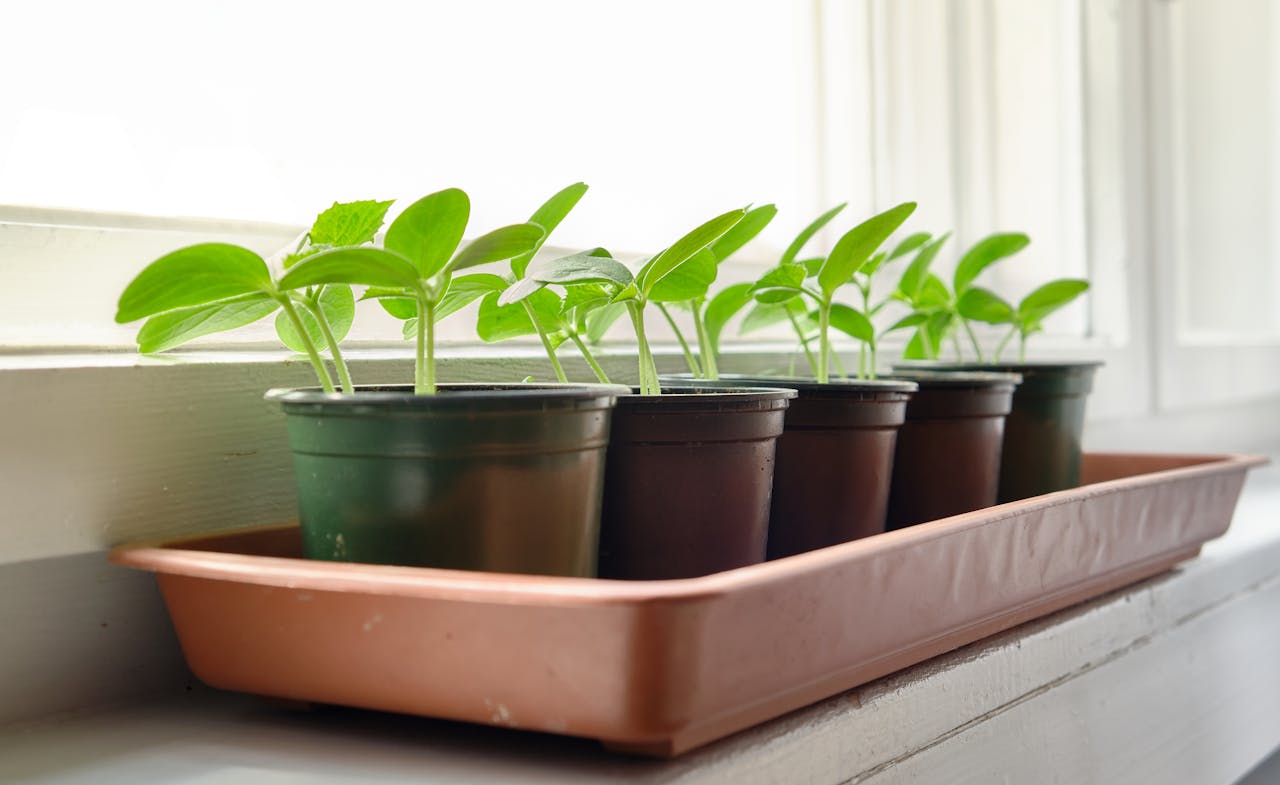
Fresh herbs are one of the most practical and rewarding things you can grow indoors. A few small pots on a kitchen windowsill can give you a continuous supply of basil, mint, parsley, chives, and more — no garden needed, no special equipment, no experience required.
The difference between a store-bought herb plant that dies within two weeks and a thriving indoor herb garden comes down to a handful of simple factors: the right pot, the right soil, the right light, and knowing how to harvest correctly. This guide covers all of it.
Why Grow Herbs Indoors?
Before getting into the how, here’s why it’s worth the effort:
- Always fresh, always on hand — snip exactly what you need, exactly when you need it. No more half-used supermarket packets wilting in the fridge.
- Far cheaper long-term — a single pot of basil from a garden centre costs the same as a supermarket bunch, but keeps producing for months if cared for properly.
- Small space friendly — a single sunny windowsill is genuinely enough. Herbs are among the most productive plants per square centimetre available.
- Beginner forgiving — most herbs are fast-growing and quick to show results, making them ideal first plants for anyone new to gardening.
- Improves your cooking — fresh herbs genuinely taste different from dried. Once you cook regularly with fresh basil, mint, or coriander, going back to the jar feels like a step backward.
According to Learning with Experts, you can learn how to grow herbs in pots.
The Best Herbs to Grow Indoors in Small Pots
Not all herbs are equally suited to indoor growing. These are the best performers in small containers on a kitchen windowsill:
Basil
The most popular culinary herb and one of the easiest to grow indoors — provided it gets enough warmth and sunlight.
- Light: 6–8 hours of direct or bright indirect sunlight daily — south-facing window is ideal
- Watering: Keep soil consistently moist; basil wilts quickly when dry but recovers fast
- Temperature: Warmth-loving; keep above 18°C; dies below 10°C
- Harvest tip: Pinch leaves from the top, never strip the bottom. Regularly pinching the growing tips prevents flowering (bolting) and keeps the plant bushy and productive for months.
- Best variety for indoors: Sweet basil (Genovese) for cooking; compact ‘Spicy Globe’ variety for small pots
Mint
Mint is one of the most vigorous herbs available — almost aggressively easy to grow. The main challenge is keeping it contained, as it spreads rapidly via underground runners.
- Light: Medium to bright indirect light; tolerates lower light better than most herbs
- Watering: Keep moist; mint is thirsty and wilts noticeably when dry
- Temperature: Hardy; tolerates cooler windowsills down to around 10°C
- Harvest tip: Harvest regularly to prevent it going leggy; cut stems back by a third regularly
- Important: Always grow mint in its own pot — it will take over shared containers
- Best varieties for indoors: Spearmint (cooking/drinks), peppermint (teas), or apple mint
Chives
Chives are among the easiest herbs to grow indoors — almost foolproof. They require less light than basil and bounce back quickly after harvesting.
- Light: Medium indirect light; handles north-facing windows better than most herbs
- Watering: Let the top layer of soil dry slightly between waterings; more drought-tolerant than basil or mint
- Temperature: Hardy; tolerates a wide range of temperatures
- Harvest tip: Cut leaves down to 2–3cm above the soil with scissors; the plant regrows within 1–2 weeks. Repeat harvests are possible throughout the year.
- Bonus: Chives produce attractive purple flowers that are also edible
Parsley
Parsley is a biennial herb — it grows leaves in its first year and goes to seed in its second. For indoor growing, treat it as an annual and start fresh plants each year.
- Light: Bright indirect light; at least 4–6 hours per day
- Watering: Keep soil evenly moist; doesn’t tolerate drought as well as chives
- Temperature: Tolerates cooler temperatures; fine down to around 10°C
- Harvest tip: Always harvest outer stems first, leaving the inner growth to continue developing. Never remove more than a third of the plant at once.
- Note: Parsley is slow to germinate from seed (2–4 weeks). Buying a young plant from a garden centre is faster for beginners.
- Best varieties: Flat-leaf (Italian) parsley for cooking; curly parsley for garnishing
Coriander (Cilantro)
Coriander is a fast-growing, fast-bolting herb — it goes to seed quickly, especially in warm conditions. The trick to continuous supply is sowing new seeds every 3–4 weeks (succession sowing).
- Light: Bright indirect light; 4–6 hours minimum
- Watering: Keep moist; wilts quickly when dry
- Temperature: Prefers cooler temperatures (15–20°C); bolts quickly in heat
- Harvest tip: Harvest young leaves frequently to delay bolting. Once flowering begins, flavour diminishes — but the seeds are also edible and useful in cooking.
- Key strategy: Sow a few seeds every 3–4 weeks into a fresh pot for continuous harvest. Once one pot bolts, the next is ready.
Thyme
Thyme is a Mediterranean herb that thrives in warm, dry, sunny conditions — making it well-suited to a bright windowsill but less forgiving of overwatering.
- Light: 6+ hours of direct or bright light daily; one of the more light-hungry herbs
- Watering: Allow soil to dry out between waterings; thyme is drought-tolerant and very susceptible to root rot from overwatering
- Temperature: Tolerates a wide range; very hardy
- Harvest tip: Snip fresh growth from stem tips; avoid cutting into thick, woody stems at the base
- Pot preference: Terracotta pots work particularly well for thyme — they’re porous and allow soil to dry faster, mimicking its natural habitat
Rosemary
Rosemary is one of the more challenging herbs to grow indoors because it needs plenty of light and good airflow — but it’s highly rewarding given how expensive fresh rosemary is to buy regularly.
- Light: 6–8 hours of bright light minimum; struggles in low light
- Watering: Let soil dry out between waterings; highly susceptible to root rot
- Temperature: Prefers cool to moderate temperatures; avoid hot, stuffy rooms
- Harvest tip: Snip young shoot tips — this encourages bushier growth. Don’t cut into old, woody stems.
- Common challenge: Powdery mildew in low-airflow indoor environments; place near a slightly open window when weather allows
Lemon Balm
Often overlooked, lemon balm is a fast-growing, fragrant herb that’s excellent in teas, salads, and desserts. It’s closely related to mint and similarly easy to grow.
- Light: Medium to bright indirect light
- Watering: Keep soil moist; similar care to mint
- Temperature: Tolerant; fine across a wide range of indoor temperatures
- Harvest tip: Harvest regularly to keep the plant compact; it grows vigorously and benefits from being cut back by half occasionally
Choosing the Right Pots for Indoor Herbs
Pot choice matters more for herbs than almost any other indoor plant. The wrong pot is one of the most common reasons herbs die indoors.
Size:
- Most herbs do well in pots of 10–15cm diameter
- Avoid pots that are too large — excess soil holds moisture that small herb roots can’t access, leading to root rot
- For mint, use a slightly larger pot (15–20cm) to accommodate its spreading roots
Drainage:
This is non-negotiable. Every herb pot must have drainage holes. Herbs sitting in waterlogged soil will develop root rot within days. If you have a decorative pot without holes, use it as a cover pot — keep the herb in a smaller plastic pot with holes inside it.
Material:
- Terracotta: Best for Mediterranean herbs (thyme, rosemary, oregano) — porous walls let soil breathe and dry faster
- Plastic: Retains moisture longer — better for basil, mint, parsley, and coriander
- Ceramic: Works well; just ensure drainage holes are present
- Self-watering pots: Excellent for busy households; maintains consistent moisture for herbs like basil and mint
Window boxes:
A single long window box (60–80cm) can house 4–5 herb varieties comfortably. Keep Mediterranean herbs (thyme, rosemary, oregano) at one end and moisture-loving herbs (basil, mint, parsley) at the other, as their watering needs differ.
The Best Soil for Indoor Herbs
Standard multi-purpose potting compost works for most herbs, but you can improve results by adjusting for each herb’s needs:
For Mediterranean herbs (thyme, rosemary, oregano, sage):
Mix standard potting compost with 20–30% perlite or coarse sand to improve drainage. These herbs come from dry, rocky environments and hate sitting in moisture.
For leafy herbs (basil, mint, parsley, coriander, chives):
Standard multi-purpose potting compost works well. You can add a small amount of slow-release fertiliser granules at planting for a steady nutrient supply.
What to avoid:
- Garden soil — too heavy, compacts in pots, poor drainage, may contain pests and disease
- Compost alone without drainage amendment — retains too much moisture for most herbs
Refresh soil annually: After a full growing season, the nutrients in potting compost are largely depleted. Repot herbs into fresh compost each spring for best results.
Light Requirements for Indoor Herbs
Light is the most common limiting factor for indoor herbs. Most culinary herbs are sun-loving plants from the Mediterranean or tropical regions — they want more light than a typical indoor environment provides.
Best windowsill positions (in order):
- South-facing windowsill — maximum light year-round; ideal for basil, rosemary, thyme
- West-facing windowsill — good afternoon sun; suitable for most herbs
- East-facing windowsill — morning sun only; works for chives, mint, parsley
- North-facing windowsill — lowest light; best for mint and chives only; other herbs will struggle
Signs your herbs need more light:
- Pale, washed-out leaves
- Long, thin, weak stems reaching toward the window (etiolation)
- Slow growth and small leaves
- Basil going leggy quickly
Supplementing with grow lights:
If your best windowsill doesn’t provide enough light — particularly in winter — a simple LED grow light makes a dramatic difference. Position it 20–30cm above the herbs and run it for 14–16 hours per day. Even an inexpensive clip-on grow light can transform a dim kitchen windowsill into a productive herb garden year-round.
Watering Indoor Herbs Correctly
Incorrect watering — usually overwatering — kills more indoor herbs than any other cause. The key principle is that different herbs have very different water needs, and grouping them together on one watering schedule doesn’t work.
Group herbs by their water needs:
Moist-preferring herbs (water when top 1cm of soil feels dry): Basil, mint, parsley, coriander, lemon balm, chives
Drought-tolerant herbs (water when top 2–3cm feels dry): Thyme, rosemary, oregano, sage, lavender
Best watering technique for herbs:
Water at the base of the plant, not over the leaves. Wet leaves in still indoor air encourage fungal disease. Water until it drains from the bottom of the pot, then empty the saucer after 30 minutes.
Overwatering signs in herbs:
- Yellowing lower leaves
- Wilting despite wet soil
- Mould on soil surface
- Musty smell
- Soft, mushy stems at the base
Underwatering signs in herbs:
- Wilting and drooping (basil is particularly dramatic about this)
- Dry, crispy leaf edges
- Soil pulling away from pot sides
- Very lightweight pot
How to Harvest Herbs for Continuous Growth
Harvesting correctly is the difference between a herb plant that produces for months and one that dies within weeks. The right harvesting technique encourages the plant to keep producing rather than going to seed.
The golden rule: harvest from the top, not the bottom
Always remove growth from the top of the plant — the newest, most tender growth. This stimulates the plant to produce more shoots below, creating a bushier, more productive plant.
Stripping leaves from the bottom or harvesting randomly weakens the plant and encourages it to bolt (flower and go to seed), which ends leaf production.
Herb-specific harvesting tips:
Basil: Pinch off the top 2–3 sets of leaves using your fingers. When you see a flower bud forming in the centre of the plant, pinch it off immediately — flowering signals the end of leaf production. With regular pinching, one basil plant can produce abundantly for 3–4 months.
Mint: Cut entire stems back by a third using scissors. The plant will regrow vigorously. Harvest regularly — mint that isn’t cut becomes leggy and less flavourful over time.
Chives: Cut leaves down to 2–3cm above the soil level. The plant regrows from the base and will be ready to harvest again within 2 weeks. You can harvest the whole pot multiple times per season.
Parsley: Remove outer stems at the base first — these are the oldest. Leave the inner, younger stems to continue developing. Never take more than a third of the plant at once.
Thyme and rosemary: Snip the tips of young, soft stems — never cut into the thick, woody base. Little and often works best for these herbs; they’re slower-growing and need time to recover.
Coriander: Harvest young leaves from the top regularly. Once the plant starts producing flowers (a tall, delicate flower stem appears), the leaves lose flavour — harvest what remains and start a new pot.
Starting Herbs from Seed vs Buying Plants
From seed:
- Pros: Cheapest option; wider variety choice; satisfying
- Cons: Takes longer; requires more attention during germination
- Best herbs to grow from seed: Coriander, basil, chives, parsley, dill — these germinate reliably and relatively quickly (1–3 weeks for most)
- Sow indoors in small pots or seed trays using fine seed compost; cover lightly with compost, keep moist and warm (18–22°C), and thin seedlings once they have their first true leaves
Buying young plants:
- Pros: Instant results; no germination step; easy
- Cons: More expensive per plant; supermarket herb plants (see below) need special treatment
- Best herbs to buy as plants: Rosemary (slow from seed), thyme, mint (grows vigorously from even a small cutting)
The supermarket herb plant problem — and how to solve it:
Supermarket herb pots (the small, cheap ones in the fresh produce aisle) are not meant to last. They’re typically 5–10 seedlings crammed into a small pot, grown fast under artificial light, and sold as a short-term product.
To save them:
- Divide them — gently separate the root ball into 3–4 individual clumps
- Repot each clump into its own 10–12cm pot with fresh potting compost
- Cut the plant back by a third — this reduces stress while roots re-establish
- Place in bright light and keep consistently moist for the first week
Done this way, a single £1.50 supermarket basil pot can become 3–4 plants that produce for months. This is genuinely one of the best value moves in indoor gardening.
Feeding Your Indoor Herbs
Herbs in containers need regular feeding because nutrients wash out of the potting compost with each watering. Without feeding, plants become pale, slow-growing, and less flavourful after the first few weeks.
Feeding schedule:
- Begin feeding 4–6 weeks after potting up (or when using freshly bought compost — it contains starter nutrients)
- Feed every 2 weeks during the growing season (spring through autumn)
- Reduce to monthly in winter when growth slows
Best fertilisers for herbs:
- Balanced liquid fertiliser (equal N-P-K) — good all-purpose option for leafy herbs
- Seaweed extract — excellent gentle feed; improves overall plant health and resilience
- Worm castings — mix a small amount into the top of the soil for a slow-release boost
What to avoid:
- High-potassium tomato feeds — these encourage flowering (bad for leafy herbs) rather than leaf production
- Over-feeding — too much fertiliser produces lush, fast growth but dilutes essential oils, reducing flavour. Feed at half the recommended dose for the best-tasting herbs.
Common Problems and How to Fix Them
Herbs wilting immediately after buying
Usually transplant shock combined with the supermarket herb plant problem described above. Divide, repot, cut back, and keep well-watered in a bright spot. Most plants recover within a week.
Basil going yellow and dropping leaves
Almost always overwatering or cold temperatures. Basil is extremely sensitive to both. Keep above 18°C, ensure drainage, and let the top of the soil dry slightly between waterings.
Herbs growing tall and spindly with small leaves
Insufficient light. Move to a brighter windowsill or add a grow light. Also check whether you’re harvesting regularly — regular pinching keeps plants compact.
Mint taking over the pot
Mint spreads via underground runners (rhizomes). Always grow mint in its own pot. If it’s escaping, simply trim the runners back when you repot.
White powdery coating on leaves (powdery mildew)
Common on rosemary and mint in low-airflow conditions. Improve ventilation (near a slightly open window), remove affected leaves, and apply a dilute baking soda spray (1 teaspoon baking soda per litre of water) as a preventive treatment.
Herbs flowering (bolting) too quickly
Usually triggered by heat, drought stress, or not harvesting frequently enough. For basil and coriander in particular, pinch off flower buds as soon as they appear. Keep the plant well-watered and in a slightly cooler, bright position. Once a plant has fully flowered and set seed, leaf production ends — start a new pot.
Frequently Asked Questions
Q: What is the easiest herb to grow indoors in a small pot? Chives and mint are the easiest herbs to grow indoors. Chives tolerate lower light than most herbs, require minimal watering attention, and regrow rapidly after cutting. Mint is vigorous and forgiving — almost impossible to kill if kept moist. For a first-time herb grower, either of these is the best starting point.
Q: Can I grow herbs indoors without a garden? Yes — herbs are among the most flat- and apartment-friendly plants available. All you need is a windowsill that gets reasonable light (ideally south or west-facing), small pots with drainage holes, and basic potting compost. A single kitchen windowsill can comfortably grow 4–6 herb varieties simultaneously.
Q: Why do my supermarket herb plants always die? Supermarket herb pots are grown fast under artificial light, packed with multiple seedlings, and sold as a short-term product — not a long-term plant. They’re not designed to survive as-is. The solution is to divide them into individual plants, repot into larger pots with fresh compost, cut them back by a third, and place in bright light. This transforms a dying supermarket pot into several thriving plants.
Q: How much light do indoor herbs need? Most culinary herbs need 6–8 hours of bright light per day. A south or west-facing windowsill is ideal. Mint and chives are the most tolerant of lower light. In winter, or in dimmer homes, an LED grow light running 14–16 hours per day fully compensates for limited natural light.
Q: Can I grow herbs indoors in winter? Yes, though growth slows considerably in winter as day length shortens. South-facing windowsills in winter still provide enough light for chives, mint, and parsley. Basil and coriander struggle the most in winter — a grow light makes a significant difference for these. Reduce watering and feeding frequency to match the slower growth rate.
Q: How do I stop my basil from flowering? Pinch off any flower buds as soon as they appear — look for a small cluster of leaves at the very top of the main stem that looks different from the regular foliage. Pinching the growing tip regularly (every 1–2 weeks) prevents the plant from reaching the stage where it wants to flower. Keep the plant well-watered and away from excessive heat, as stress also triggers bolting.
Final Thoughts
Growing herbs indoors in small pots is one of the highest-reward, lowest-barrier things you can do in a home — regardless of whether you have a garden. The investment is minimal: a few small pots, some compost, and a bright windowsill. The return is months of fresh herbs on demand.
Start with two or three varieties that you actually cook with. Chives and basil are the best all-round starting pair — one is near-indestructible and requires minimal attention; the other is fast-growing and produces abundantly with just a bit of care.
Master the harvesting technique — always from the top, always regularly — and you’ll have plants that keep producing long after a neglected herb pot would have given up. That one habit makes more difference than any other in indoor herb growing.
Explore more on plantcarehacks.com: