
Plants & Mental Health: The Science-Backed Guide to Using Houseplants for Wellness
Tags: biophilic design mental health, houseplants for anxiety, indoor plants wellness benefits, nature indoors wellbeing, plants and mental health, plants reduce stress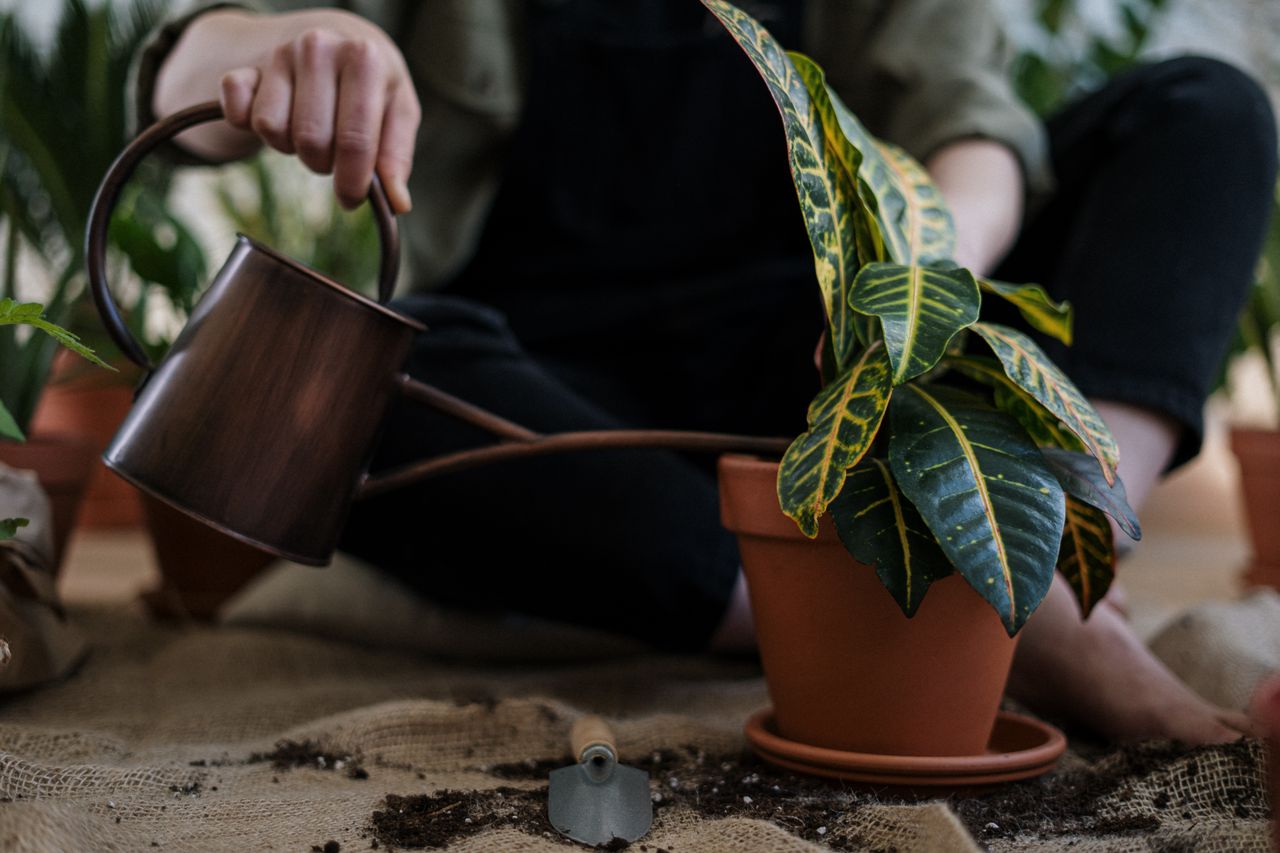
Something quietly remarkable happens in homes with plants. Visitors often feel it the moment they walk in — a certain calm, a sense of life and warmth that’s hard to articulate. Residents who’ve lived with plants for years notice it most clearly when they go somewhere without them: a sterile hotel room, a stark office, an apartment stripped bare. Something feels missing. Something feels wrong.
This isn’t imagination. It isn’t sentimentality. It’s biology.
Human beings co-evolved with the natural world for hundreds of thousands of years. Our nervous systems, our stress-response architecture, our attentional systems — they were all shaped in environments full of plants, natural sounds, living things, and organic forms. The built environments most of us now inhabit — sealed apartments, fluorescent-lit offices, screen-filled rooms — are, in evolutionary terms, profoundly alien. Our nervous systems register this alienation at a level below conscious awareness.
Bringing plants indoors is one of the most direct, accessible, and evidence-supported ways to partially restore that lost connection to nature — and the research on what happens when we do is striking.
This guide covers the full science of plants and mental wellness: what the research actually shows, which plants perform best for specific wellness goals, how to design your home for maximum psychological benefit, and the therapeutic practice of plant care itself.
Table of Contents
- The Science of Biophilia: Why Humans Need Nature
- What the Research Actually Shows About Plants & Mental Health
- Plants and Stress Reduction: The Evidence
- Plants, Focus & Cognitive Performance
- Plants and Sleep Quality
- The Therapeutic Value of Plant Care Itself
- Biophilic Design: Creating a Wellness-First Home with Plants
- The 12 Best Plants for Mental Health & Wellness
- Room-by-Room Wellness Plant Strategy
- Plants as Part of a Broader Wellness Routine
- Frequently Asked Questions
1. The Science of Biophilia: Why Humans Need Nature
The term biophilia — coined by biologist and naturalist E.O. Wilson in his landmark 1984 book of the same name — describes what Wilson argued is an innate human tendency to seek connection with other living systems and nature. For Wilson, biophilia wasn’t a preference or a personality trait. It was a biological need, shaped by millions of years of evolution in natural environments.
The theory has since accumulated substantial scientific support. Researchers across psychology, neuroscience, environmental science, and public health have documented a wide range of measurable physiological and psychological benefits that occur when humans interact with natural environments — from reduced cortisol levels and lower blood pressure to improved mood, faster recovery from illness, and enhanced cognitive performance.
What’s particularly relevant for our purposes is that these benefits don’t require being outdoors in a forest. Multiple research teams have demonstrated that even minimal nature exposure — a window view of trees, a photograph of a natural landscape, or a few plants on a desk — produces measurable positive physiological and psychological effects.
The National Institutes of Health’s National Center for Complementary and Integrative Health has increasingly recognized the role of nature-based therapies — including horticultural therapy and plant-focused environmental interventions — in supporting mental health treatment and prevention.
Your houseplant collection isn’t decoration. It’s infrastructure.
2. What the Research Actually Shows
Before diving into specific benefits, it’s worth being honest about the state of the science — because plant wellness claims exist on a spectrum from well-supported to overstated.
What Is Robustly Supported
Stress reduction: Multiple well-controlled studies using physiological markers (cortisol levels, heart rate, blood pressure, skin conductance) have documented significant stress reduction effects from exposure to indoor plants. These findings are among the most consistently replicated in environmental psychology research.
Improved mood and subjective wellbeing: Large-scale surveys and controlled experiments consistently find that people in plant-rich environments report higher mood, greater life satisfaction, and lower levels of negative emotion.
Enhanced attention restoration: Interaction with natural elements — including indoor plants — has been shown in multiple studies to restore directed attention capacity, reduce mental fatigue, and improve performance on tasks requiring focus.
Reduced anxiety and physiological arousal: Research in clinical settings has shown that patients in rooms with plants report significantly lower anxiety, require less pain medication post-surgery, and have faster physical recovery times compared to patients in plant-free rooms.
Therapeutic value of plant care activities: The act of caring for plants — watering, pruning, observing growth — has documented stress-reducing, mindfulness-promoting effects independent of the plant’s mere presence.
What Is More Moderately Supported
Sleep quality improvement: Plant presence in sleeping environments correlates with improved sleep quality in several studies, though the specific mechanisms (air quality, humidity, psychological calm) are difficult to isolate.
Depression symptom reduction: Horticultural therapy programs in clinical settings show promising results for depression management, though the research is still developing in terms of scale and rigor.
What Is Overstated (To Be Transparent)
Dramatic air purification: As we noted in our air-purifying plants for bedroom guide, the air purification benefits of a few household plants, while real, are more modest in typical home environments than early NASA study headlines suggested. This doesn’t diminish the many other documented benefits — it’s just important to be accurate.
The overall picture is strongly positive: houseplants are one of the most accessible, multi-dimensional wellness interventions available to American households, with a robust and growing body of research behind them.
3. Plants and Stress Reduction: The Evidence
Stress is the defining health challenge of modern American life. The American Psychological Association’s 2024 Stress in America report found that stress related to money, work, the economy, and current events affects the majority of American adults, with significant physical and psychological health consequences.
Against this backdrop, the research on plants and stress reduction is particularly valuable.
The Landmark Studies
A 2015 study published in the Journal of Physiological Anthropology — conducted by researchers at the University of Hyogo — asked participants to either repot a houseplant or complete a computer task, while monitoring physiological stress markers. The plant interaction group showed significantly lower cortisol levels, lower heart rate, and lower diastolic blood pressure compared to the computer task group. The researchers concluded that “active interaction with indoor plants can reduce physiological and psychological stress compared with mental work.”
A 2010 study in the journal HortScience found that hospital patients in rooms with plants reported significantly lower anxiety, lower pain perception, and higher overall satisfaction compared to patients in rooms without plants — with no other variables changed between groups.
Research from Kansas State University found that surgical patients with plants in their recovery rooms required significantly less pain medication, had lower blood pressure and heart rate, experienced less fatigue and anxiety, and were discharged from hospital more quickly than patients in plant-free rooms.
Why Does This Happen?
Several mechanisms have been proposed and studied:
The Stress Inoculation Effect: Natural environments, including indoor plant-rich spaces, are associated with safety and shelter in evolutionary terms. Our nervous systems appear to register the presence of living plants as a signal that we are in a benign, resource-rich environment — triggering a downregulation of the stress response.
Attention Restoration Theory (ART): Proposed by psychologists Rachel and Stephen Kaplan, ART suggests that natural environments restore our capacity for directed attention (the effortful focus we use for work tasks) by engaging a different type of attention — fascination — that requires no effort and allows our deliberate attention systems to recover. Plants, with their subtle movement, color variation, and organic complexity, are particularly effective fascination stimuli.
Reduced Physical Arousal: Multiple studies have documented that exposure to plants directly lowers cortisol, heart rate, and blood pressure — the physiological markers of the stress response. This appears to happen through both the aesthetic/psychological effect of plant presence and, to a lesser degree, the mild improvements in air humidity and quality that plants provide.
4. Plants, Focus & Cognitive Performance
The cognitive performance research on indoor plants is among the most practically important for American adults — particularly those who work from home.
The Productivity Research
A widely cited study from the University of Exeter, published in the Journal of Experimental Psychology: Applied, found that employees in offices with plants showed 15% higher productivity on cognitive tasks compared to those in lean (plant-free) offices. A follow-up study found that the benefit was highest when employees had some control over the plant placement — suggesting that personal engagement with the plants is part of what drives the effect.
A 2022 study from the Journal of Environmental Psychology found that even a single plant visible in the background during a video call or computer work session measurably improved the test subject’s ability to sustain attention on demanding cognitive tasks.
How to Apply This in Your Home Office
The cognitive performance research has clear practical implications for the millions of Americans who work from home:
Place plants within your visual field while working. The attention-restoration benefit requires seeing the plants, not just knowing they’re in the room. Position 2–3 plants where they naturally fall into your gaze during work — on your desk, the windowsill beside your monitor, or on a shelf in your peripheral vision.
Choose visually interesting plants. Research suggests that plants with organic complexity — subtle color variation, textured leaves, gentle movement — are most effective at engaging involuntary fascination and thus restoring directed attention. Consider Calathea (moving leaves, stunning patterns), Pothos (trailing, visually dynamic), or a small moss arrangement in a clear vessel.
Take micro-breaks with your plants. Simply turning your attention to your plants for 30–60 seconds during a work session — observing a new leaf, checking the soil, rotating the pot — functions as a brief mindfulness moment that partially restores attention capacity. This is sometimes called a “nature micro-break” in the occupational psychology literature.
5. Plants and Sleep Quality
Sleep is increasingly recognized as the foundation of mental and physical health — and the research connecting plant presence in sleeping environments to improved sleep quality is genuinely compelling.
The Mechanisms
Oxygen contribution: Plants like Snake Plants and Aloe Vera perform CAM photosynthesis, releasing oxygen at night rather than CO₂. While the volume is modest relative to what you breathe, every increment of improved air quality in a sealed sleeping environment contributes to rest.
Humidity regulation: Indoor plants release moisture into the air through transpiration. In the dry conditions of American homes during winter (central heating drops indoor humidity to 20–30%), even a moderate increase in local humidity from a few bedroom plants improves mucosal health, reduces respiratory irritation, and enhances sleep comfort.
Cortisol reduction: Given the established stress-reducing effect of plant presence, it follows logically — and is supported by preliminary research — that sleeping environments with plants produce lower pre-sleep cortisol levels, which correlates strongly with faster sleep onset and improved sleep quality.
Lavender’s specific sleep effects: Lavender (Lavandula angustifolia) deserves special mention. Multiple randomized controlled trials have documented that lavender aromatherapy significantly improves sleep quality, reduces nighttime waking, and decreases self-reported anxiety before sleep. A live lavender plant on a sunny bedroom windowsill functions as a continuous, low-level aromatherapy source. The Journal of Alternative and Complementary Medicine has published multiple trials supporting these findings.
For a full guide to the best plants specifically chosen for bedroom sleep environments, see our air-purifying plants for bedroom guide.
6. The Therapeutic Value of Plant Care Itself
Here’s the dimension of plant wellness that most articles overlook — and arguably the most important one: the therapeutic value of the practice of caring for plants, independent of the plants’ mere presence.
Mindfulness in the Garden
Plant care is inherently a mindfulness practice. When you’re checking soil moisture, observing new leaf growth, misting, pruning, and repotting, you are — by definition — fully present. You’re attending to what is happening now, with a living thing, in the physical world in front of you. This is mindfulness in its most accessible, unforced form.
For people who struggle with formal meditation practice (which is most people), plant care offers an organic alternative — a way to achieve the same quality of present-moment attention without the difficulty of sitting still with a deliberately cleared mind.
The Psychology of Nurturing
Human beings appear to be hardwired with a nurturing drive — an inclination toward caring for and supporting other living things. Unfulfilled, this drive contributes to the sense of disconnection and purposelessness that is increasingly common in modern American life. Plant care is one of the most accessible ways to engage this drive daily, at whatever scale your life allows.
Research from the field of horticultural therapy — the use of plant-related activities in clinical mental health treatment — has documented significant improvements in depression symptoms, anxiety levels, self-esteem, and social connection in patient populations engaging in regular plant care. The American Horticultural Therapy Association is the primary US professional body governing this field and offers resources for those interested in its clinical applications.
The Reward of Witnessing Growth
There is a specific type of psychological reward that comes from watching something grow because of your care. A new leaf on a Monstera. Roots forming in a propagation vessel. A cutting that was limp and struggling for weeks that suddenly produces vigorous new growth. These moments of witnessed growth are genuinely meaningful — they provide evidence of your own competence, patience, and care in a form that is unambiguous and deeply satisfying.
This is part of why propagation — the practice of growing new plants from cuttings — has become so emotionally resonant for American plant enthusiasts. Watching something go from a severed stem in a glass of water to a complete, thriving plant is a miniature experience of creation that consistently produces strong positive emotion. For more on starting your propagation practice, see our DIY plant propagation station guide.
Connection to Natural Cycles
Plant care connects us to rhythms — seasonal, diurnal, growth-cycle rhythms — that modern life has largely insulated us from. The awareness that your plants grow more slowly in winter and accelerate in spring, that they respond to the changing angle and duration of sunlight, that they have life cycles and seasonal changes — reintegrates us into natural time in a way that clocks and calendars do not.
This reconnection to natural cycles is identified in environmental psychology research as an important component of what makes nature exposure psychologically restorative.
7. Biophilic Design: Creating a Wellness-First Home with Plants
Biophilic design is the architectural and interior design discipline that intentionally integrates natural elements — plants, natural light, water features, organic materials, natural patterns and textures — into built environments to improve occupant wellbeing.
What was once primarily a commercial design concept (applied in hospitals, offices, and schools) has become increasingly relevant to home design — and is one of the dominant interior design trends in the United States in 2025.
Core Principles of Biophilic Design with Plants
Visual connection to nature: The most fundamental biophilic element. Ensure plants are visible from the primary positions you occupy in each room — your chair, your bed, your desk, your cooking position in the kitchen. Plants that are out of sightlines from your main resting positions deliver far less wellness benefit than those you actively see.
Variety and complexity: Natural environments are visually complex — multiple colors, textures, scales, and movement. A diverse plant collection (varying leaf shapes, sizes, textures, and colors) more fully engages the brain’s nature-recognition systems than a few uniform plants.
Movement: Living systems move. Plants sway subtly in air currents. Trailing plants shift and grow. This movement — however subtle — registers as “alive” in our nervous systems in a way that static décor does not. Position some plants where they catch air movement: near (not in) air vents, near windows, in naturally trafficked corridors.
Prospect and refuge: Environmental psychologists use these terms to describe our evolved preference for spaces that offer both a clear view of the surroundings (prospect) and a sense of shelter (refuge). Plant arrangements can create these qualities in interior spaces — a dense plant cluster in a corner creates a sense of sheltered enclosure; a view-framing window plant arrangement draws the eye outward.
Water and plants: The most restorative natural environments typically combine plants with the presence or sound of water. A small tabletop fountain positioned near your plant arrangement dramatically amplifies the biophilic effect of both elements. Small indoor fountains are widely available at US garden centers for $30–$80.
8. The 12 Best Plants for Mental Health & Wellness
This list is curated specifically for psychological wellness properties — combining documented stress-reduction, sensory calming, mood-lifting, and therapeutic engagement qualities.
1. 🌿 Lavender (Lavandula angustifolia)
Wellness benefit: Sleep improvement, anxiety reduction, stress relief. Multiple clinical trials support lavender’s anxiolytic and sleep-promoting effects via aromatherapy. A living lavender plant on a sunny windowsill provides continuous, gentle aromatherapy. Best for: Bedroom, bathroom.
2. 🌿 Snake Plant (Dracaena trifasciata)
Wellness benefit: Air quality, oxygen at night, low-stress care. One of the most reliable, low-anxiety plants to own — it’s nearly impossible to harm, which makes it ideal for anyone whose previous plant failures have created “plant parent anxiety.” Its upright, architectural form is visually calming. Best for: Bedroom, home office.
3. 🌿 Peace Lily (Spathiphyllum)
Wellness benefit: Stress reduction, air purification, visual calm. Its elegant white blooms and deep green foliage create a serene visual profile. One of the top air-purifying plants in the NASA study. Its communicative drooping when thirsty creates an accessible, emotionally engaging relationship with the plant. Best for: Living room, bedroom.
4. 🌿 Pothos (Epipremnum aureum)
Wellness benefit: Confidence-building, stress reduction, visual dynamism. The fast, visible growth of Pothos provides constant positive feedback — an ongoing small reward of new leaf growth and trailing extension that nurtures the confidence of anyone healing from previous plant disappointment. Best for: Any room — shelves, hanging planters.
5. 🌿 Monstera deliciosa
Wellness benefit: Awe, connection to nature, visual complexity. The sculptural drama of Monstera’s split leaves engages what psychologist Dacher Keltner calls “awe” — a specific positive emotion associated with exposure to beautiful, vast, or complex natural forms. Awe has been shown to reduce self-focused negative thinking, expand perspective, and increase prosocial feelings. Best for: Living room, home office.
6. 🌿 Calathea (various species)
Wellness benefit: Mindfulness engagement, sensory stimulation, stress reduction. Calatheas fold their leaves upward at night and open them toward the light each day — a rhythmic, living movement that is endlessly fascinating and genuinely mindfulness-inducing. Their extraordinary leaf patterns (zebra stripes, peacock markings, cathedral windows) reward close observation. Best for: Bedroom, living room.
7. 🌿 Ferns (Boston, Maidenhair, Bird’s Nest)
Wellness benefit: Humidity, visual softness, anxiety reduction. Ferns are among the most visually “soft” plants available — their delicate, feathery fronds create a gentle, non-demanding visual texture that multiple studies have associated with reduced physiological arousal. Their significant moisture-transpiring capacity also improves air humidity. Best for: Bathroom, bedroom.
8. 🌿 Jasmine (Jasminum polyanthum — indoor variety)
Wellness benefit: Mood elevation, anxiety reduction, romantic atmosphere. A study published in the European Journal of Applied Physiology found that jasmine scent reduced anxiety and improved mood significantly more than unscented control conditions. A jasmine vine in a bright indoor spot blooms with intensely fragrant white flowers that transform a room’s atmosphere. Best for: Living room, bedroom (for those not scent-sensitive).
9. 🌿 Aloe Vera
Wellness benefit: Practical empowerment, air quality, low-anxiety care. There’s a specific wellness dimension to having a plant that’s also directly useful for your body — the immediate accessibility of Aloe’s gel for skin care, minor burns, and sun exposure creates a tangible daily relationship with the plant that goes beyond aesthetics. Best for: Kitchen, bathroom.
10. 🌿 Spider Plant (Chlorophytum comosum)
Wellness benefit: Connection through propagation, pet safety, confidence-building. Spider Plants’ cheerful, arching growth and prolific production of “spiderettes” make them among the most emotionally rewarding plants to grow. The experience of watching baby plants develop and eventually potting them up is deeply satisfying. Completely pet-safe — an important wellness consideration for pet owners. Best for: Kitchen, bedroom, home office.
11. 🌿 Moss (various species — terrarium or mounted)
Wellness benefit: Deep calm, mindfulness, connection to ancient nature. Multiple studies have found that the visual and tactile experience of moss triggers a specific deep-calm response — distinct from the stress-reduction effects of plants generally. Moss is ancient (mosses are among the oldest land plants on earth), soft, and profoundly organic in a way that modern materials never achieve. A moss terrarium or mounted moss art piece in a meditation or reading space is a powerful wellness investment. Best for: Meditation space, bedroom, home office. See our DIY terrarium guide for building a moss arrangement.
12. 🌿 Rosemary (Salvia rosmarinus)
Wellness benefit: Cognitive performance, aromatherapy, mindful herb care. Research from Northumbria University found that 1,8-cineole — a compound in rosemary aroma — was associated with improved speed and accuracy on cognitive tests. Separately, the practice of caring for a rosemary plant (pruning, harvesting, observing growth) provides both mindful engagement and a fragrant, sensory-rich experience. Best for: Kitchen, home office, near a sunny window.
9. Room-by-Room Wellness Plant Strategy
Apply these principles systematically through your home for maximum cumulative wellness benefit:
Entrance / Hallway: First impressions reset your nervous system as you enter your own home. A single statement plant — a bold Snake Plant, a graceful Peace Lily, or a trailing Pothos — positioned at the entrance point establishes a nature-first greeting. This is the “transition from outside world to sanctuary” moment, and a plant makes it more effective.
Living Room: Prioritize variety, visual complexity, and movement. This is where you decompress from the day — the visual environment here has the most daily impact on your resting nervous system. Aim for a minimum of 3–5 plants of varying heights and leaf types.
Kitchen: Prioritize sensory engagement and practicality — herbs that you touch, smell, and harvest daily. The kitchen is where mindful sensory engagement happens naturally; plants amplify this quality enormously.
Home Office: Prioritize visual field placement and attention-restoration plants. Calathea (moving leaves, complex patterns), Pothos (trailing, dynamic), and Rosemary (cognitive aromatherapy) are particularly relevant.
Bedroom: Prioritize calming, low-complexity forms and sleep-supporting plants. Lavender, Snake Plant, Peace Lily, and low-maintenance trailing plants in calming pot colors (soft terracotta, matte white, sage green).
Bathroom: Prioritize sensory richness and humidity-loving tropicals. The bathroom is where your body care routine happens — the most physically intimate daily self-care practice. Plants that make this space feel like a spa (ferns, orchids, trailing Pothos) genuinely enhance the psychological quality of self-care rituals.
For a full room-by-room plant selection guide, visit our ultimate indoor plants home décor guide.
10. Plants as Part of a Broader Wellness Routine
Plants work synergistically with other wellness practices — they’re not a standalone solution but a genuinely powerful component of a broader approach to mental health:
With meditation practice: A dedicated meditation or reading corner with intentional plant presence (a moss terrarium, a calming arrangement of 2–3 low-maintenance plants) creates a physical cue that signals to your nervous system that it’s time to slow down. Environmental cues are powerful behavior shapers.
With journaling: Writing near plants — rather than at a bare desk — provides the gentle, low-level nature stimulation that environmental psychology research suggests improves reflective thinking and reduces the physiological interference of stress during introspection.
With yoga and movement: Practicing yoga or stretching in a room with plants creates a more immersive mind-body-nature experience than a bare space. Many yoga studios specifically invest in biophilic design for this reason.
With digital detox: Plants offer a specific counterweight to screen-heavy modern life — they are slow, organic, non-interactive, and require your physical presence in a way screens do not. A daily plant-care ritual (even 5 minutes of checking, touching, observing) is a structured nature micro-break that interrupts screen time with something genuinely restorative.
11. Frequently Asked Questions
Q: Can houseplants actually improve mental health? Yes — with appropriate expectations. The research robustly supports stress reduction, mood improvement, attention restoration, and sleep quality benefits from plant presence and plant care engagement. Plants are not a clinical treatment for serious mental health conditions, but they are a meaningful, evidence-based wellness intervention accessible to almost everyone.
Q: How many plants do I need to see a wellness benefit? Even a single plant, placed where you can see it regularly from your primary resting position, produces measurable effects in research settings. Three to five plants placed thoughtfully through a room is the point at which most people report a noticeable environmental shift.
Q: I’m struggling with depression or anxiety. Can plants actually help? Plants are part of a broader wellness toolkit, not a replacement for professional mental health support. That said, research in horticultural therapy settings consistently shows that plant care engagement produces significant improvements in depression and anxiety symptoms as a complementary intervention. If you’re dealing with serious mental health challenges, please work with a qualified mental health professional — and consider whether adding plants to your environment might be a worthwhile complementary step.
Q: Is caring for plants stressful (rather than stress-reducing) for some people? Yes — for some people, particularly those with plant anxiety from previous failed attempts, the responsibility of plant care feels like an obligation rather than a pleasure. The fix: start with Tier 1 plants (ZZ Plant, Snake Plant, Pothos) that are genuinely nearly impossible to harm. Remove the possibility of failure, and plant care reliably becomes a pleasure rather than a stressor. See our plant care for beginners guide to start with confidence.
Q: What’s the fastest-acting plant wellness intervention? Lavender aromatherapy has the most immediately noticeable effect — within minutes of exposure, measurable physiological changes in stress markers are documented in research. If you want a rapid, noticeable wellness impact from a single plant addition, a lavender pot on a sunny windowsill is your best first choice.
Final Thoughts
We are organisms that evolved in nature. Our bodies and minds don’t merely prefer natural environments — they need them, at a deep biological level that indoor architecture and modern convenience have never overridden.
Houseplants aren’t a trendy aesthetic choice. They’re a practical response to a genuine biological need — the most accessible, affordable, and beautiful way most Americans can restore some of what modern life has stripped away.
Start where you are. Add one plant to the room where you spend the most time. Notice how you feel in that room over the following weeks. Build from there.
Continue your plant wellness journey:
- 🌿 Air-Purifying Plants for Your Bedroom: Sleep & Breathe Better
- 🌿 Indoor Plants for Home Décor: The Room-by-Room Guide
- 🌿 How to Make a DIY Terrarium: The 2025 Guide
- 🌿 DIY Plant Propagation Station: Get Free Plants Forever
- 🌿 Best Low-Maintenance Indoor Plants for Busy Americans
Grow green. Live well. 🌱