
Best Low-Maintenance Indoor Plants for Busy Americans: 20 Plants That Thrive on Neglect
Tags: best low-maintenance indoor plants, easy care indoor plants, hard to kill houseplants, houseplants for busy people, low maintenance plants USA, plants that don't need much water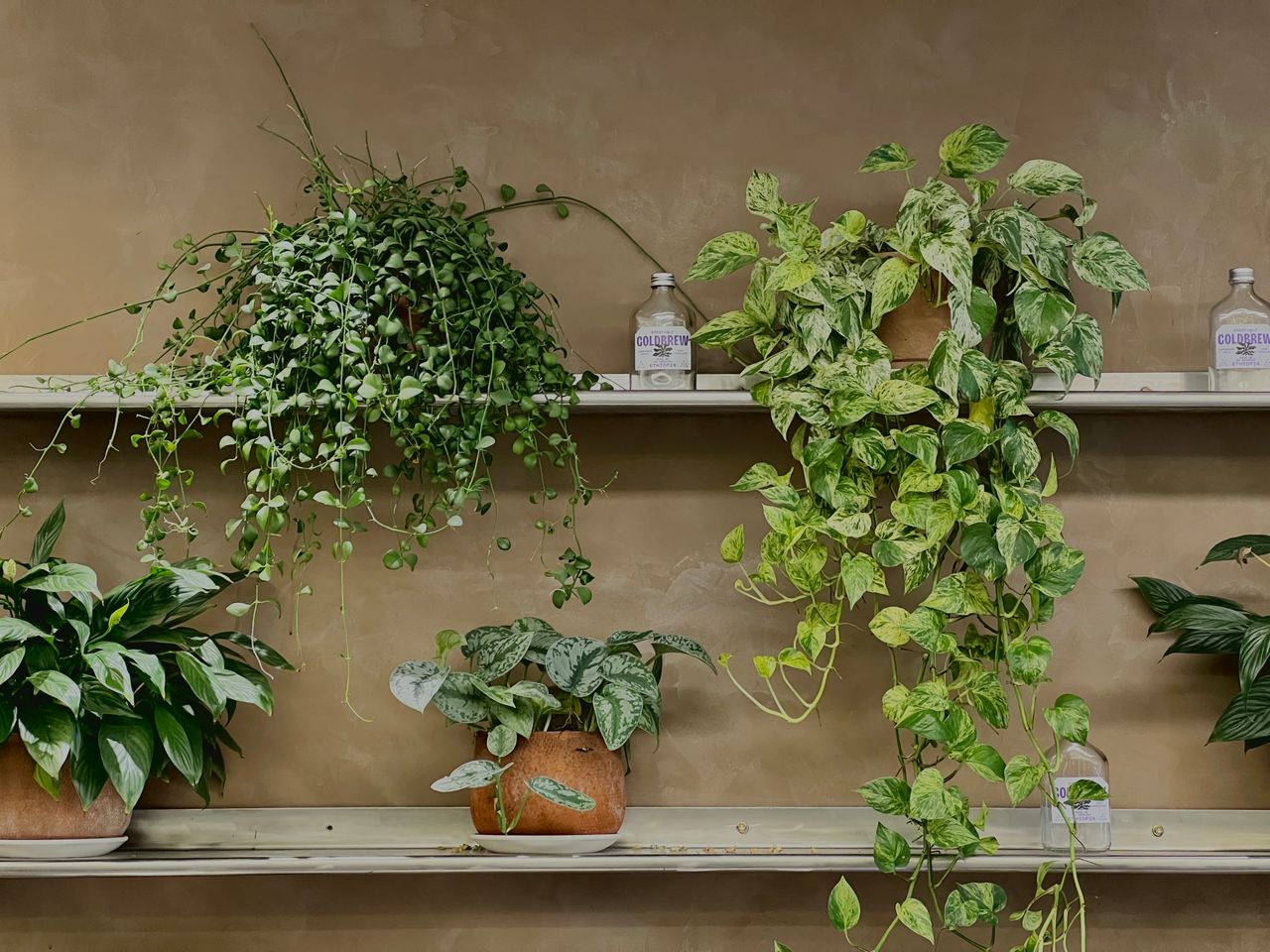
You want plants. Real, living, beautiful plants that make your home feel alive. But between work, family, travel, and the other 47 things competing for your attention, the idea of researching care schedules, monitoring humidity levels, and following complex watering routines feels like one more thing you don’t have time for.
Here’s the truth: you don’t need time to keep great plants. You just need the right plants.
There is an entire category of houseplants — genuinely beautiful, architecturally interesting, visually impactful plants — that are specifically adapted to endure irregular watering, imperfect light, dry indoor air, and benign neglect. These plants were surviving droughts and low-light conditions long before you brought them home. A busy schedule isn’t a threat to them. It’s practically their natural habitat.
This guide gives you 20 of the best, organized by care difficulty and lifestyle fit, with honest care requirements, styling ideas, and everything you need to choose confidently.
Let’s find your perfect plants. 🌱
Table of Contents
- What Makes a Plant Truly Low-Maintenance?
- The Low-Maintenance Plant Scale (How We Rated These)
- Tier 1: Almost Impossible to Kill (5 Plants)
- Tier 2: Very Forgiving (7 Plants)
- Tier 3: Easy With Basic Habits (8 Plants)
- Low-Maintenance Plants by Room
- Low-Maintenance Plant Care: The 5-Minute Weekly Routine
- Styling Low-Maintenance Plants for a High-Maintenance Look
- Where to Buy the Best Low-Maintenance Plants in the USA
- Frequently Asked Questions
1. What Makes a Plant Truly Low-Maintenance?
Not every plant labeled “easy” in a garden center actually qualifies. True low-maintenance plants share several specific traits:
Drought tolerance: They can go extended periods between waterings without permanent damage. This is the #1 trait for busy households.
Light flexibility: They perform well across a range of light conditions — they don’t require a perfectly south-facing window or specific hours of direct sun to stay healthy.
Slow to show stress: Some plants droop within 24 hours of being slightly underwatered. Low-maintenance plants signal distress slowly, giving busy owners a wide window to respond.
Resilient to temperature fluctuations: They handle the central air conditioning of American summers and the heating-dried air of American winters without requiring intervention.
Pest and disease resistance: They’re not prone to attracting the insects and fungal issues that plague more fussy varieties.
The Missouri Botanical Garden, one of the most respected horticultural institutions in the United States, notes in its plant care library that selecting plants suited to your specific indoor conditions is the single most impactful decision a beginner plant owner can make.
2. The Low-Maintenance Plant Scale
We evaluated each plant on this list across five dimensions, rated 1–5 (5 being most forgiving):
| Dimension | What It Measures |
| Drought Tolerance | How long can it go without water without damage? |
| Low Light Tolerance | Does it survive away from bright windows? |
| Temperature Resilience | Does it handle heating/AC without issues? |
| Pest Resistance | Is it less prone to common houseplant pests? |
| Recovery Ability | Can it bounce back from neglect or mistakes? |
Any plant scoring 4+ across all five dimensions earns Tier 1 status. The plants in Tier 2 and 3 score slightly lower in one or two areas but remain genuinely easy for busy people to manage.
3. Tier 1: Almost Impossible to Kill
These five plants are the gold standard of low-maintenance houseplants. They’re not just “easy” — they actively seem to resist death. If you’ve killed plants before, start here.
🏆 1. ZZ Plant (Zamioculcas zamiifolia)
Drought Tolerance: ⭐⭐⭐⭐⭐ | Low Light: ⭐⭐⭐⭐⭐ | Overall: Near-indestructible
The ZZ Plant is the single most resilient common houseplant available in the United States. It stores water in large underground rhizomes (potato-like structures), allowing it to survive months of complete drought without damage. It genuinely thrives in low light — one of the very few plants that performs well in north-facing rooms or interior spaces far from windows.
Its glossy, deep green leaves grow in a graceful arching pattern that suits modern, minimalist, and Scandinavian décor styles beautifully. It grows slowly, which means it stays the same manageable size for years without repotting. It rarely attracts pests. It doesn’t shed leaves when you forget to water it.
Watering schedule for busy people: Every 3–4 weeks in summer. Every 5–6 weeks in winter. That’s it.
Light needs: Anything from low indirect light to bright indirect. Will survive (though not thrive) in surprisingly dim conditions.
Best placement: Office desk, bedroom corner, living room shelf, hallway table — anywhere from low-light to moderate-light.
Watch out for: Overwatering is the only real threat. More ZZ Plants die from too much care than too little.
🏆 2. Snake Plant (Dracaena trifasciata)
Drought Tolerance: ⭐⭐⭐⭐⭐ | Low Light: ⭐⭐⭐⭐⭐ | Overall: Near-indestructible
Arguably the most popular plant in American homes for two consecutive decades — and the reason is simple: it’s beautiful and nearly impossible to kill. Snake Plants store water in their thick, upright leaves and can go weeks to months without watering without visible distress. They tolerate the full range of indoor light from low to bright.
They come in more varieties than most people realize — from the classic tall Laurentii with yellow margins to the compact Bird’s Nest varieties, the silver-grey Moonshine, and the striking black-green Black Gold. There’s a Snake Plant for every aesthetic.
Watering schedule for busy people: Every 2–4 weeks in summer. Every 4–6 weeks in winter. In a low-light room, you can push that to every 6–8 weeks in winter.
Light needs: Low to bright indirect. One of the most light-flexible plants available.
Best placement: Bedroom (releases oxygen at night), home office, living room corner, entryway. See our full air-purifying plants for bedroom guide for more on the Snake Plant’s sleep benefits.
🏆 3. Pothos (Epipremnum aureum)
Drought Tolerance: ⭐⭐⭐⭐⭐ | Low Light: ⭐⭐⭐⭐⭐ | Overall: Near-indestructible
If the ZZ Plant is the most resilient plant for low-light scenarios and the Snake Plant is the most architecturally striking, Pothos is the most visually dynamic low-maintenance option. It grows rapidly, trails dramatically, and gives a lush, cascading effect that no slow-growing plant can match.
When it needs water, it droops visibly — then perks back up within hours of being watered. This communicative quality makes it exceptionally forgiving for beginners still developing their plant intuition. It comes in stunning varieties: Golden Pothos (classic yellow-green marbling), Neon Pothos (electric lime green), Marble Queen (cream and white variegation), and Satin Pothos (velvety silver highlights).
Watering schedule for busy people: Every 1–2 weeks. Allow the top 2 inches of soil to dry between waterings.
Light needs: Low to bright indirect. Variegated varieties (Marble Queen, Golden) need more light to maintain their color patterns.
Best placement: High shelves (to trail down), hanging planters, top of refrigerator, bathroom windowsill.
🏆 4. Cast Iron Plant (Aspidistra elatior)
Drought Tolerance: ⭐⭐⭐⭐⭐ | Low Light: ⭐⭐⭐⭐⭐ | Overall: Near-indestructible
The Cast Iron Plant earned its name honestly. It’s one of the most shade-tolerant plants in existence, thriving in conditions that would kill virtually any other popular houseplant. It tolerates temperature extremes, drought, dust, and neglect with extraordinary equanimity. Its deep green, strap-like leaves grow slowly into a lush, tropical-looking clump.
It’s less commonly found in big-box stores than the other Tier 1 plants, but local nurseries and online retailers typically stock it. Worth seeking out specifically for dark apartments, interior rooms, or anywhere you’ve repeatedly failed to keep plants alive due to light constraints.
Watering schedule for busy people: Every 3–4 weeks. In winter or low light, every 5–6 weeks.
Light needs: Low to very low. Will survive further from windows than almost any other plant.
🏆 5. Haworthia (Haworthiopsis / Haworthia spp.)
Drought Tolerance: ⭐⭐⭐⭐⭐ | Low Light: ⭐⭐⭐⭐ | Overall: Near-indestructible
Haworthia is the succulent for people who love the succulent aesthetic but don’t have a super-sunny windowsill. Unlike most succulents (which demand very bright light), Haworthia thrives in bright indirect light and even tolerates medium indirect light surprisingly well. It’s tiny (most varieties stay under 6 inches), comes in a fascinating range of forms — striped, windowed, spiraling — and needs water only every 2–3 weeks in summer, less in winter.
A collection of 3–5 Haworthia varieties in small matching pots makes a beautiful, zero-fuss desk or windowsill display.
Watering schedule for busy people: Every 2–3 weeks in summer. Every 4–6 weeks in winter.
4. Tier 2: Very Forgiving
These seven plants score slightly lower in one or two resilience dimensions but remain genuinely easy for busy people to maintain with minimal attention.
6. Rubber Plant (Ficus elastica)
Why it’s forgiving: Stores water in its thick, leathery leaves. Tolerates missed waterings well. Adaptable to a range of light conditions (though it prefers bright indirect).
The appeal: One of the most striking large-format low-maintenance plants available. The Burgundy variety, with its near-black deep red leaves, is one of the most dramatically beautiful houseplants you can own.
Watering: Every 1–2 weeks. Allow top 2 inches to dry between waterings.
Watch out for: Direct harsh sun causes leaf scorch; low light causes slow growth and color loss.
7. Chinese Evergreen (Aglaonema)
Why it’s forgiving: Highly tolerant of low light and irregular watering. One of the most adaptable plants to typical American home conditions (central air, inconsistent humidity).
The appeal: Available in a wider range of colors than almost any other houseplant — silver, green, red, pink, bicolor. Genuinely beautiful even in low-light conditions where other colorful plants look washed out.
Watering: Every 1–2 weeks. Allow top 1–2 inches to dry between waterings.
Watch out for: Cold drafts and temperatures below 55°F. Keep away from air vents.
8. Heartleaf Philodendron (Philodendron hederaceum)
Why it’s forgiving: Similar resilience profile to Pothos. Wilts dramatically when thirsty (giving clear advance notice) then recovers quickly after watering. Tolerates a wide range of light.
The appeal: Its large, heart-shaped leaves with a velvety sheen create a lush, tropical look. Trails beautifully like Pothos but with a softer, warmer aesthetic.
Watering: Every 1–2 weeks. Allow top inch to dry.
9. Spider Plant (Chlorophytum comosum)
Why it’s forgiving: Stores water in thick, fleshy roots. Tolerates periods of drought and bounces back reliably. One of the most pet-safe options available.
The appeal: Its arching striped leaves and dangling “spiderette” offsets make it one of the most visually cheerful plants in any home. An excellent choice for households with cats or dogs.
Watering: Every 1–2 weeks. One of the most forgiving about timing.
10. Peace Lily (Spathiphyllum)
Why it’s forgiving: It tells you exactly when it needs water (dramatic droop) and recovers completely within hours of being watered. Works in lower light than almost any flowering houseplant.
The appeal: It blooms indoors reliably — elegant white spathes that last for weeks. One of the most graceful plants available for mid-light spaces.
Watering: Droop-triggered. Water when the leaves begin to droop visibly.
Watch out for: Toxic to pets. Keep elevated or choose a different option for pet-heavy households.
11. Aloe Vera
Why it’s forgiving: Stores water in its leaves. Native to arid environments. Needs watering every 2–3 weeks in summer and as infrequently as every 6 weeks in winter. Recovers from severe underwatering by “plumping up” after a thorough watering.
The appeal: Both beautiful and deeply useful — the gel inside Aloe leaves is a well-documented natural remedy for minor burns, sunburn, and skin irritation.
Light needs: Needs a bright spot — south or east-facing window. The one light requirement that makes it slightly less universally adaptable than Tier 1 plants.
12. Dracaena (various species)
Why it’s forgiving: Drought-tolerant, adaptable to indirect light, slow-growing (so it never outpaces its pot or needs frequent repotting). Highly tolerant of dry indoor air.
The appeal: Dracaenas come in striking forms — from the bold, spiky Dracaena marginata (red-edged leaves on architectural canes) to the tropical-luxe Dracaena fragrans ‘Lemon Lime’ (bright yellow-green striping). They range from tabletop size to 6-foot floor plants.
Watering: Every 1–2 weeks. Sensitive to fluoride — consider filtered water for these.
5. Tier 3: Easy With Basic Habits
These eight plants are still significantly easier than the average houseplant, but they do best when you check in on them at least weekly and maintain a basic consistent routine.
13. Monstera deliciosa
What it needs: Bright indirect light, watering every 1–2 weeks, a moss pole as it grows.
Why it’s worth the slight extra effort: The Monstera is arguably the most iconic houseplant in America right now. Its dramatic, split leaves are unmistakable and unlike anything else in the plant kingdom. A well-placed, well-cared-for Monstera becomes the defining visual feature of whatever room it’s in.
The care isn’t difficult — it just needs consistent checking rather than the “forget about it for a month” approach that Tier 1 plants allow.
14. Bird of Paradise (Strelitzia reginae / nicolai)
What it needs: Bright indirect to some direct light, weekly watering in summer.
Why it’s worth the slight extra effort: Few plants make the transformative statement that a large Bird of Paradise does. At 4–6 feet indoors, with its bold paddle-shaped leaves, it’s genuinely architectural. Highly popular in California, Texas, and Florida homes; increasingly found across all US regions.
15. String of Pearls (Senecio rowleyanus)
What it needs: Bright indirect light, watering every 2–3 weeks.
Why it’s worth the slight extra effort: Nothing trails quite like String of Pearls. The cascading strings of perfect sphere-shaped leaves are visually unique and deeply satisfying. Needs a bright spot and fast-draining soil, but is otherwise very low-touch.
16. Jade Plant (Crassula ovata)
What it needs: Bright indirect light, watering every 2–3 weeks.
Why it’s worth the slight extra effort: Jade Plants are slow-growing, long-lived succulents that develop into beautiful bonsai-like miniature trees over time. A well-grown, mature Jade Plant on a windowsill is a stunning piece of living sculpture that becomes more beautiful every year. The initial setup and ongoing care are minimal — the payoff is extraordinary.
17. Oxalis triangularis (Purple Shamrock)
What it needs: Bright indirect light, moderate watering.
Why it’s worth the slight extra effort: One of the most visually striking “small” plants available. Its deep purple, butterfly-wing leaves fold closed at night and open toward the light during the day — like a living animation in your windowsill. Fast-growing, cheerful, and blooms with small pink flowers regularly.
18. Chinese Money Plant (Pilea peperomioides)
What it needs: Bright indirect light, watering every 1–2 weeks.
Why it’s worth the slight extra effort: The Pilea has become one of the most “shared” plants in America — it produces offshoots (pups) that are easily propagated and given away, which is how it earned the nickname “friendship plant” and “pass-it-along plant.” Its round, coin-shaped leaves on delicate stems are genuinely charming and photograph beautifully.
19. Boston Fern (Nephrolepis exaltata)
What it needs: Bright indirect light, consistent moisture, some humidity.
Why it’s worth the slight extra effort: No plant creates the lush, cascading, full-bodied tropical effect that a healthy Boston Fern does. Hanging in a bathroom or near a kitchen window, it’s breathtaking. It does need more consistent watering than Tier 1 plants, but in a naturally humid bathroom environment, it’s far less demanding.
20. Fiddle Leaf Fig (Ficus lyrata)
What it needs: Bright indirect light, weekly watering, stable location.
Why it’s worth the slight extra effort (when done right): The Fiddle Leaf Fig has a reputation for being dramatic and difficult — and when placed in the wrong spot, that reputation is deserved. But a Fiddle Leaf Fig placed in a consistently bright, stable spot (bright indirect light, away from drafts and vents, not moved frequently) is actually quite manageable. The rewards are significant: it’s the most striking large-format indoor tree available to American homeowners.
Key rule: Find the right spot first. Then don’t move it.
6. Low-Maintenance Plants by Room
Quick reference guide for matching low-maintenance plants to specific rooms:
| Room | Best Low-Maintenance Picks |
| Bedroom | Snake Plant, ZZ Plant, Pothos, Aloe Vera |
| Living Room | Rubber Plant, Monstera, Bird of Paradise, Dracaena, Fiddle Leaf Fig |
| Kitchen | Pothos, Spider Plant, Aloe, Chinese Evergreen, Heartleaf Philodendron |
| Bathroom | Boston Fern, Pothos, Chinese Evergreen, Spider Plant |
| Home Office | ZZ Plant, Snake Plant, Chinese Evergreen, Haworthia |
| Low-Light Rooms | ZZ Plant, Cast Iron Plant, Snake Plant, Chinese Evergreen, Peace Lily |
| Very Bright Windows | Aloe, Jade Plant, Haworthia, String of Pearls, Bird of Paradise |
For a deeper look at room-by-room plant strategy, see our ultimate indoor plants home décor guide.
7. Low-Maintenance Plant Care: The 5-Minute Weekly Routine
You don’t need an elaborate plant care routine. Here’s the complete weekly routine for a collection of low-maintenance plants — it takes under 5 minutes once you know your plants.
Every time you’re near your plants (take 30 seconds):
- Does anything look droopy, yellowing, or distressed? → Note it.
- Any new growth? (New leaf, new stem, new runner?) → Acknowledge it — it means things are working.
Once a week (2–3 minutes):
- Do the finger test on each plant. Water those that are dry. Skip those that are still moist.
- Remove any dead or yellowing leaves.
Once a month (5 minutes):
- Apply liquid fertilizer during growing season (March–September).
- Rotate each pot a quarter turn for even light exposure.
- Wipe large leaves with a damp cloth.
- Check for pests (inspect leaf undersides).
That’s genuinely all it takes. For a deeper exploration of watering technique — the most nuanced part of the routine — visit our guide on how to water indoor plants correctly.
8. Styling Low-Maintenance Plants for a High-Maintenance Look
Low-maintenance doesn’t have to mean low-impact. Here’s how to make your easy plants look like they belong in a design magazine:
Invest in the pot. A Snake Plant in a cheap nursery pot looks like a plant you bought and forgot about. The same Snake Plant in a matte white ceramic planter or a woven rattan basket looks intentional and designed. The pot is often what separates a styled space from an un-styled one.
Use height variation. A ZZ Plant on the floor, a Pothos on a shelf, and a Haworthia on a side table — three low-maintenance plants at three different heights — create a layered, designed feel that a single plant on a counter never achieves.
Group in odd numbers. Three plants always look more intentional than two. Five looks more dynamic than four. The rule of odd numbers in décor applies powerfully to plant arrangements.
Match plant character to room aesthetic. Architectural, upright plants (Snake Plant, Dracaena, ZZ Plant) suit modern and minimalist spaces. Trailing, flowing plants (Pothos, Heartleaf Philodendron) suit boho and eclectic spaces. Glossy, bold-leafed plants (Rubber Plant, Monstera) suit maximalist and tropical aesthetics.
9. Where to Buy the Best Low-Maintenance Plants in the USA
Local nurseries and garden centers: Best overall quality, most knowledgeable staff, healthiest plants. Locally owned nurseries typically carry a wider and more interesting selection than chain stores.
Home Depot and Lowe’s garden centers: Widely available, affordable, decent selection of common varieties. Quality varies by location and season — inspect plants carefully before purchasing.
Whole Foods and Trader Joe’s: Both chains regularly stock high-quality live plants, especially during spring and early summer. Prices are often comparable to nurseries with consistently good plant health.
Online retailers:
- The Sill (thesill.com): Premium quality, beautiful packaging, ships nationwide. Excellent for gifts.
- Bloomscape (bloomscape.com): Ships fully-grown plants in specialty pots. One of the best US plant shipping experiences available.
- Rooted (rooted.com): Strong selection, quality packaging, US-wide shipping.
- Etsy plant sellers: Excellent for rare varieties, unusual cultivars, and propagations. Read reviews carefully and buy from sellers with 500+ reviews and strong ratings.
10. Frequently Asked Questions
Q: What is the single most low-maintenance indoor plant? The ZZ Plant. It tolerates the widest range of conditions — including deep neglect, low light, and drought — better than any other commonly available houseplant in the United States. If you want one plant that will survive almost anything, start with a ZZ Plant.
Q: What is the best low-maintenance plant for a dark apartment? ZZ Plant, Cast Iron Plant, and Snake Plant are your three best options. All three genuinely thrive in low light conditions where most plants slowly decline.
Q: Can I go on vacation for 2 weeks and leave my plants? Yes, if you’ve chosen the right plants. ZZ Plants, Snake Plants, Pothos, Rubber Plants, and most succulents handle 2–3 weeks without watering without significant damage (especially in a cool room). Water them thoroughly before you leave, move them away from direct sun to slow moisture loss, and they’ll be fine.
Q: What low-maintenance plants are safe for pets? Pet-safe low-maintenance options: Spider Plant, Areca Palm, Haworthia, Bamboo Palm, and Boston Fern. For a complete cross-referenced list, always verify against the ASPCA toxic plants database before purchasing any new plant.
Q: What’s the lowest-maintenance outdoor plant I can also bring indoors? Aloe Vera, Rosemary, and various succulents all transition between outdoors (in warm months) and indoors (in winter) extremely well across most US climate zones.
Q: Do low-maintenance plants still need fertilizer? Yes, but rarely. Most Tier 1 plants do well with fertilizing just once every 1–2 months during spring and summer. Some, like the ZZ Plant, can go longer without any fertilizer and show few ill effects.
Final Thoughts
The most common mistake in plant shopping is choosing plants based purely on appearance without considering whether they match your lifestyle. A gorgeous Fiddle Leaf Fig in the wrong light with inconsistent watering becomes a source of stress and disappointment. A well-chosen ZZ Plant or Snake Plant in any room becomes a source of quiet, daily joy.
The 20 plants on this list will reward you with years of beauty and vitality — even if your care is imperfect, your schedule is packed, and your light conditions are far from ideal.
Choose plants that fit your life. Then let them do what they do best.
Keep growing with PlantCareHacks:
- 🌿 Indoor Plants for Home Décor: The Ultimate Room-by-Room Guide
- 🌿 Air-Purifying Plants for Your Bedroom: Sleep & Breathe Better
- 🌿 Plant Care for Beginners: Your First 30 Days
- 🌿 How to Build an Indoor Herb Garden in Your Kitchen
- 🌿 How to Water Indoor Plants: The Complete Guide
Work less. Grow more. Live greener. 🌱 Plantcarehacks.com