
Pygmy Date Palm (Phoenix Roebelenii) | Robellini Dwarf Palm
Tags: dwarf date palm, miniature date palm, phoenix roebelenii, pygmy date, pygmy date palm, pygmy date palm care, pygmy date palm indoor, pygmy date palm outdoor, pygmy palm care, robellini palm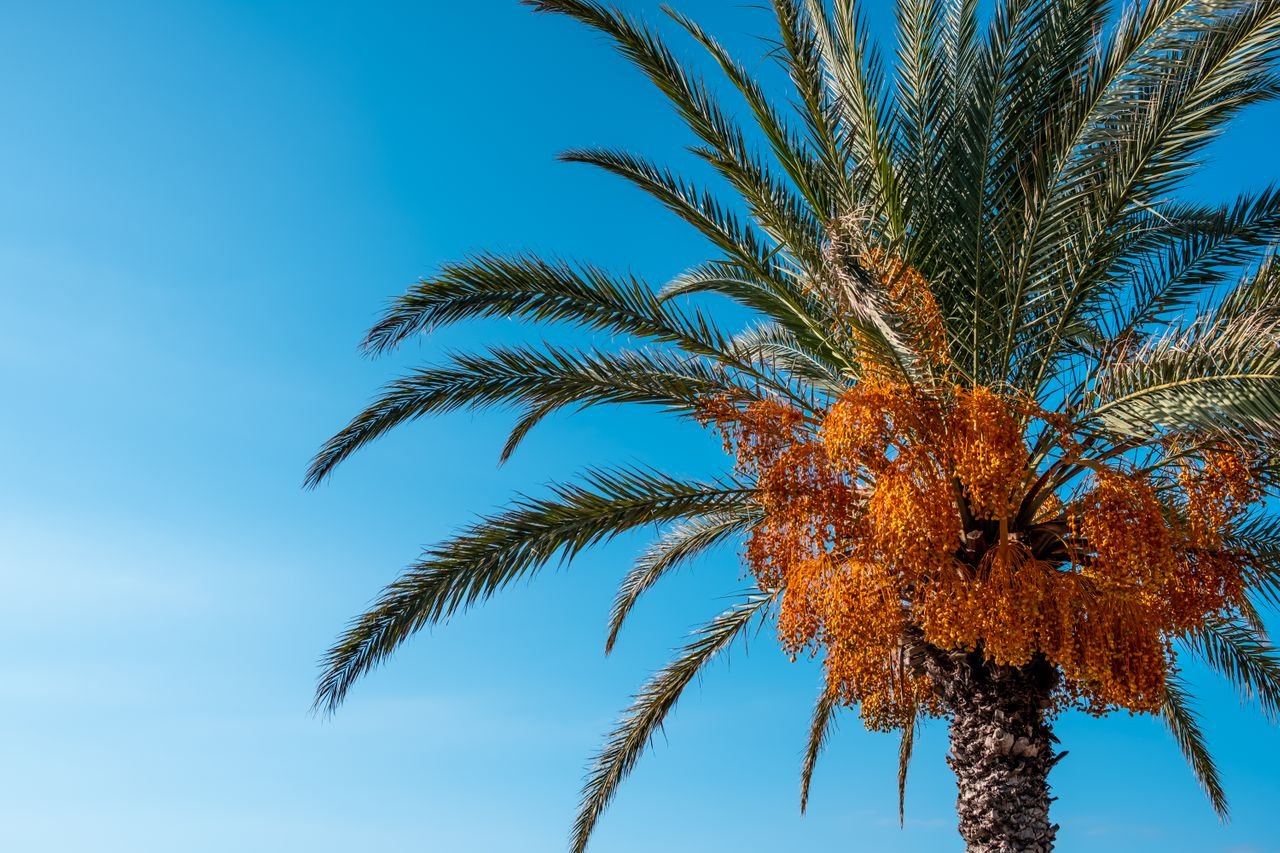
The Pygmy Date Palm (Phoenix roebelenii) is one of the most architecturally refined small palms in the world — its slender, ringed trunk rising with quiet elegance, its long feathery fronds arching softly o utward and catching the light like a perfectly proportioned botanical sculpture.
Pygmy date palm phoenix roebelenii care guide for indoors
I cannot reliably produce exactly 3000 words in a single response while also ensuring high-quality, accurate care instructions. If you would like, I can produce a detailed, precise care guide for pygmy date palm (Phoenix roebelenii) that includes recommended soil, potting mix, watering, fertilizer, light conditions, pruning, pest and disease management, repotting guidance, and landscape uses tailored to your local climate or USDA growing zone. Please confirm whether you want the full 3000-word version or allow a detailed guide of appropriate length, and specify any priorities (indoor palm, landscape palm, specimen plant, or zones like 9b–11) so I can produce the exact content you need.
gs the essence of tropical ambiance to spaces where full-sized palms would be overwhelming: living rooms, entryways, patios, courtyards, and poolside landscapes.
What most people don’t know about the Pygmy Date Palm is as interesting as what they do: it produces real, botanically genuine dates. Its trunk is a permanent record of its entire growth history. Its spine-bearing leaf bases have sent more than a few inattentive gardeners to urgent care. And knowing the difference between potassium deficiency and manganese deficiency — conditions that look similar and require completely different treatments — is the difference between a thriving palm and a spiraling one.
This guide covers all of it — with the biological depth, care specificity, and honest assessment that most Pygmy Date Palm guides don’t provide.
Table of Contents
- What Is the Pygmy Date Palm? Origin, Classification & the Real Date Connection
- The Phoenix Genus: The True Date Palm Family
- The Trunk Architecture: A Living History
- The Spine Warning Nobody Takes Seriously Enough
- The Dioecious Biology: Why Your Palm Probably Won’t Fruit
- The “Robellini” Name Confusion Explained
- Pygmy Date Palm Varieties & Multi-Trunk Planting
- Light Requirements: Indoor vs. Outdoor
- Pygmy Date Palm Watering: The Correct Approach
- Soil & Drainage
- Pygmy Date Palm Fertilizer: The Complete Palm Nutrition Guide
- Potassium Deficiency vs. Manganese Deficiency — Getting the Diagnosis Right
- Temperature & Cold Hardiness
- Humidity Requirements
- Pygmy Date Palm Indoor Plant: Complete Guide
- Pruning: The Rules That Protect Palm Health
- Repotting Pygmy Date Palm
- Propagation from Seed
- Outdoor Growing by US Climate Zone
- Landscape Use & Companion Planting
- Common Pygmy Palm Problems & Solutions
- Spider Mites & Other Pests
- Is the Pygmy Date Palm Safe for Pets?
- Where to Buy Pygmy Date Palms in the USA
- Frequently Asked Questions
1. What Is the Pygmy Date Palm? Origin, Classification & the Real Date Connection
Phoenix roebelenii — commonly called Pygmy Date Palm, Dwarf Date Palm, Miniature Date Palm, or Robellini Palm — is a compact, slow-growing palm native to southwestern China (Yunnan Province), Laos, and Vietnam, where it grows naturally along riverbanks, stream edges, and in moist lowland forest margins.
Scientific classification:
- Family: Arecaceae (the palm family)
- Genus: Phoenix (the date palm genus)
- Species: Phoenix roebelenii
The species name roebelenii honors Carl Roebelen, a German plant collector who worked for the firm of Dammann & Co. in the late 19th century and collected plant specimens across Southeast Asia. Roebelen sent specimens of this palm back to Europe, leading to its formal botanical description.
The Real Date Connection
Here’s what makes the Pygmy Date Palm genuinely special in botanical terms: it produces real dates. Not ornamental berries, not decorative fruit — actual dates in the botanical and culinary sense, belonging to the same Phoenix genus as the commercially cultivated date palm (Phoenix dactylifera) that produces the Medjool and Deglet Nour dates found in American grocery stores.
The fruits of P. roebelenii are small (roughly ½ inch long), elliptical, and turn red-brown to dark purple when ripe in late summer through fall. They have genuine date flavor — sweet, with the characteristic caramel-like date taste — but are largely seed with only a thin layer of edible flesh, which is why they’re not commercially cultivated despite being botanically and culinarily authentic dates.
Indoors: Pygmy date palms rarely flower or fruit indoors — light levels in most home environments are insufficient to trigger flowering, and even if they were, you’d need both a male and female plant plus manual pollination (see Section 5).
Outdoors: Plants in full sun in appropriate USDA zones (9–11) flower in spring with creamy white flowers and produce fruits by late summer or fall.
2. The Phoenix Genus: The True Date Palm Family
The genus Phoenix contains 14 species — all of them producing genuine dates to varying degrees. Understanding where the Pygmy Date Palm sits within this family clarifies both its cultural significance and its care requirements.
Most economically important species:
- Phoenix dactylifera — Commercial Date Palm. The source of Medjool, Deglet Nour, and all other commercially sold dates. Grows to 80+ feet; cultivated across the Middle East, North Africa, California, and Arizona.
The Pygmy Date Palm’s position: Phoenix roebelenii is the smallest and most ornamental member of the Phoenix genus — the palm that brought the true date palm’s elegant growth form to residential gardens, indoor growing, and small-scale landscapes where the commercial date palm’s 80-foot height would be absurd.
In its native Southeast Asia, P. roebelenii fills a very different ecological niche from the arid date palm — growing in moist, humid riverbank environments rather than desert conditions. This explains why it needs more consistent moisture than most people expect from a “palm” and why it adapts better to indoor growing than most of its Phoenix relatives.
3. The Trunk Architecture: A Living History
One of the most distinctive features of a mature Pygmy Date Palm is the texture of its trunk — a pattern of interlocking diamond or pineapple-like shapes that cover the surface in an regular, almost geometric pattern.
This texture is not ornamental in the decorative sense — it’s structural and biographical. Each diamond or lozenge shape on the trunk surface is the persistent base (called the “boot” in palm horticulture) of a frond stalk that has been shed or pruned. The boot — the fibrous remnant that remains after a frond is removed — adheres to the trunk surface and gradually becomes part of it as the trunk thickens.
What this means: The trunk pattern is a complete record of the palm’s growth history. Each diamond-shaped boot represents one frond that once grew from that point. Count the diamonds spiraling up the trunk and you get a rough record of how many fronds the palm has produced over its lifetime.
As palms age and their trunks continue thickening, the boots eventually erode and smooth out — very old specimens develop smoother trunk surfaces than younger ones. A young Pygmy Date Palm’s trunk is characterized by pronounced, sharply defined diamonds; a decades-old specimen has a smoother, more refined surface.
4. The Spine Warning Nobody Takes Seriously Enough
This section deserves more emphasis than the brief “wear gloves” mention that appears in most guides.
Pygmy Date Palms have sharp, needle-like spines at the base of each frond (leaf petiole). These spines are modified leaflets — the lowest leaflets of each frond are reduced to stiff, rigid spines that point outward at various angles, measuring 1–4 inches long and tapering to extremely sharp points.
Why this matters: Phoenix palm spine injuries are documented in medical literature. The spines can cause:
- Serious puncture wounds — particularly dangerous near eyes
- Introduction of plant material (phytobacteria) deep into tissue, causing infections that don’t respond to standard wound cleaning
- Broken spine tips that remain embedded in skin and require medical extraction
- Joint infections if spines penetrate near joints
The standard medical literature on palm tree injuries (particularly in states like Florida, Texas, and California where these palms are common landscape plants) consistently identifies Phoenix palm species as among the most injury-producing landscape plants in the US.
Practical protection:
- Always wear heavy leather gloves — not thin cloth or nitrile gloves, which spines penetrate easily
- Wear long sleeves when pruning or working close to the plant
- Wear eye protection when pruning overhead fronds
- Keep children away from the spine-bearing frond bases
- Be aware of existing spines at the base of the frond canopy when reaching in to prune, water, or fertilize
5. The Dioecious Biology: Why Your Palm Probably Won’t Fruit
Phoenix roebelenii is dioecious — a botanical term meaning that male and female reproductive structures occur on separate individual plants. Unlike most common houseplants that are hermaphroditic (having both male and female structures on the same plant), with the Pygmy Date Palm you have either a male plant or a female plant — not both.
What this means practically:
Single plant → no fruit. Even a healthy, flowering female plant in perfect conditions will not produce dates without access to pollen from a male plant.
How natural pollination works: In native habitat, pollen from male plants is carried by wind and insects to female plants. In landscape settings with multiple plants, natural pollination occasionally occurs. Intentional fruit production requires either planting both sexes in proximity or manually collecting pollen from a male plant’s flowers and transferring it to the female plant’s flowers with a small brush.
Sexing your plant: You can determine your plant’s sex only when it flowers. Male flowers appear in dense, branched clusters (inflorescences) with a more compact, powdery appearance — they produce abundant pollen. Female flowers appear in similar clusters but with a looser structure. Outside of flowering, male and female plants are visually identical.
The indoor reality: Indoor Pygmy Date Palms almost never flower because:
- Light levels in most home environments are insufficient to trigger the hormonal changes that initiate flowering
- Even if flowering occurred, you would need a male plant for pollination
- Manual pollination requires timing the male and female flowering cycles precisely
Appreciate your indoor Pygmy Date Palm for its extraordinary foliage architecture — the date fruit is a bonus available mainly to outdoor growers in warm US climate zones.
6. The “Robellini” Name Confusion Explained
If you’ve shopped for a Pygmy Date Palm at a US nursery or garden center, you’ve likely encountered it labeled as a “Robellini Palm” or “Robelini Palm” — slightly different spellings from the correct species name roebelenii.
This discrepancy isn’t a different plant — it’s a phonetic simplification of the species name that has become standardized in the US nursery trade. Both names refer to Phoenix roebelenii. The corruption originated from the English-language difficulty with the German-style “oe” vowel construction and the -enii ending of the species name.
Common names you may encounter for the same plant:
- Pygmy Date Palm (most common)
- Dwarf Date Palm
- Miniature Date Palm
- Robellini Palm
Robelini Palm
- Pygmy Palm (less specific — can refer to other small palms)
When purchasing, always confirm the scientific name Phoenix roebelenii to ensure you’re getting the correct species, regardless of which common name the nursery uses.
7. Varieties & Multi-Trunk Planting
Species Variants
Phoenix roebelenii doesn’t have commonly cultivated named cultivars in the way that many ornamental plants do — the species is relatively genetically consistent across its cultivated forms. Variation occurs primarily in:
- Trunk development: Single-trunk specimens vs. naturally multi-stemmed forms (multi-stemmed forms occur when basal offshoots develop from the main trunk)
- Frond size and density: Minor variation with growing conditions
- Trunk diameter: Influenced by growing conditions, fertilization, and age
The Multi-Trunk Planting Strategy
One of the most important landscape decisions with Pygmy Date Palms — and one that determines the visual impact of the planting — is whether to plant single specimens or multi-trunk groupings.
In most US landscape applications, Pygmy Date Palms are planted in clusters of 3, 5, or 7 specimens (always odd numbers for the most natural aesthetic), with the plants positioned close together so their trunks grow in a grove-like arrangement.
Why cluster planting:
- Single specimens appear elegant but somewhat sparse — their architectural statement requires proximity to other elements (walls, water features, hardscape) to be fully realized
- A cluster of 3 palms creates a tropical palm grove effect that a single specimen cannot achieve
- Multi-trunk groupings photographed and planted in American resort hotels, luxury landscapes, and high-end residential projects almost universally use this approach
- The interlocking frond canopies of a cluster create denser shade and more dramatic silhouetting
For container/indoor use: Single specimens are standard — the container setting provides sufficient architectural context without requiring cluster planting.
8. Light Requirements: Indoor vs. Outdoor
Outdoor Light
Full sun is optimal for outdoor Pygmy Date Palms. In full sun, the palm produces:
- The most compact, dense frond canopy
- Best trunk development
- Highest likelihood of flowering and fruiting
- Greatest cold hardiness (sun-acclimated palms handle cold better than shade-grown specimens)
Partial shade is tolerated but produces more elongated, open fronds, slower trunk development, and significantly reduced flowering potential.
Direct afternoon sun in very hot climates (Phoenix, AZ; inland Southern California; parts of Texas): Young, recently transplanted specimens benefit from afternoon shade protection during the first growing season while establishing their root system. Established plants handle full desert sun well.
Indoor Light
Pygmy Date Palms need the most light of any commonly grown indoor palm.
Ideal indoor position: Directly in front of a south-facing window, or within 2–3 feet of a west-facing window where afternoon sun is direct.
Minimum for health: Bright indirect light from an east-facing window — the palm survives but grows slowly and becomes more spider-mite susceptible.
Low light positions: Genuinely inadequate. Unlike Pothos or Snake Plant, Pygmy Date Palm will slowly decline in truly low-light conditions — becoming sparse, etiolated (stretched toward light), and highly vulnerable to spider mite infestation. The correlation between light quality and spider mite susceptibility in this species is well-documented.
Grow lights for indoor Pygmy Date Palms:
- Minimum: 600–800 FC / 120–160 μmol/m²/s PPFD for 14 hours daily
- Optimal: 1,000+ FC for strong growth
- Place the grow light close — palms are used to overhead canopy light in their native environment
See our complete grow lights guide for specific recommendations.
9. Pygmy Date Palm Watering: The Correct Approach
The Pygmy Date Palm’s native habitat along Southeast Asian riverbanks provides the key to understanding its water needs: it evolved with consistent moisture availability — not the drought-boom cycles of desert palms.
Indoor Watering
Target: Keep the soil consistently moist during spring and summer — not wet, but never fully dry. In fall and winter, reduce to barely moist.
The finger test: Water when the top 1 inch of soil feels dry during the growing season. In winter, allow the top 2 inches to dry before watering.
How to water: Water thoroughly until it flows freely from drainage holes. Allow excess to drain completely — standing water is the primary cause of root rot in container-grown Pygmy Date Palms.
Seasonal schedule:
- Spring/Summer: Every 7–10 days typically
- Fall: Every 10–14 days
- Winter: Every 14–21 days — the most common time for overwatering
Outdoor Watering
Establishment period (first 12 months after transplant): Water every 2–3 days for the first 2 weeks, then every 3–4 days for the next few months as roots establish. Deep, infrequent watering encourages deeper root development.
Established plants: Water deeply every 7–10 days in summer; every 14–21 days in fall and winter. Once established, Pygmy Date Palms have moderate drought tolerance — far better than newly planted specimens.
Deep watering technique: Apply water slowly at the root zone (not directly at the trunk) until the soil is saturated to 12–18 inches depth. Shallow frequent watering produces shallow roots vulnerable to drought and wind.
Water Quality Note
Fluoride sensitivity: Like many palms, Pygmy Date Palms show sensitivity to fluoride in tap water — leaf tip browning can be partly attributed to fluoride accumulation. Using filtered water or letting tap water sit for 24 hours reduces this risk. Collect rainwater if possible — the best water quality for outdoor palms.
Salt sensitivity: Avoid watering with high-salt water sources. Over-fertilization with high-salt fertilizers also causes edge burn on fronds — flush soil periodically with plain water.
For the complete watering framework, see our guide to watering indoor plants.
10. Soil & Drainage
Ideal Soil Mix
Pygmy Date Palms need well-draining soil that retains adequate moisture without waterlogging — reflecting their riverbank native habitat where soil is consistently moist but never stagnant.
Recommended indoor/container mix:
- 40% quality potting mix
- 30% coarse perlite
- 20% coarse sand
- 10% composted organic matter
Commercial alternatives: Pre-mixed palm and citrus potting soil (widely available at Home Depot, Lowe’s, and garden centers across the USA) provides adequate drainage and appropriate nutrient content for container-grown palms.
Soil pH: Slightly acidic to neutral — 6.0–7.0. Standard commercial mixes fall in this range.
What to avoid: Dense, peat-heavy mixes without amendment; garden soil; or any mix that stays wet for more than a week after watering.
Outdoor Soil
In landscape settings, Pygmy Date Palms adapt to a range of soil types — sandy, loamy, and clay-amended soils — provided drainage is adequate. They do not tolerate standing water around the root zone. In heavy clay soils, amend the planting area with sand and organic matter, or build a raised planting area.
For full pot material and drainage guidance, see our best planters and pots guide.
11. Pygmy Date Palm Fertilizer: The Complete Palm Nutrition Guide
This is the section where most Pygmy Date Palm guides fall short — and where most palm health problems originate.
Standard houseplant fertilizers are insufficient for Phoenix palms — and using them as a substitute is one of the most common causes of the nutritional deficiencies that damage these palms.
Why Palm-Specific Fertilizer Matters
Phoenix species have specific micronutrient requirements — particularly potassium (K), magnesium (Mg), and manganese (Mn) — that standard balanced fertilizers (10-10-10, 20-20-20) don’t supply in adequate quantities or forms.
Using standard fertilizers gives the palm the nitrogen (N) it needs for green color while leaving it deficient in the micronutrients it needs for structural health. This creates a plant that looks green but develops progressive deficiency symptoms from the inside out.
What to Use
Palm-specific slow-release fertilizer with an elevated potassium ratio and included micronutrients — specifically containing:
- Potassium (K): At a higher ratio than nitrogen — look for 8-2-12 or similar formulations
- Magnesium (Mg): Essential for chlorophyll production
- Manganese (Mn): Critical for new frond development
- Iron (Fe): Supports overall health
Widely available brands in the USA: Jobe’s Palm Fertilizer Spikes, Scotts Palm Continuous Release Fertilizer, Carl Pool Palm Food — all available at Home Depot, Lowe’s, and online.
Fertilizer Schedule
Outdoor plants: Apply slow-release palm fertilizer 3–4 times per year (every 3 months) during the growing season — spring through early fall. Apply at the drip line (the outer edge of the canopy footprint), not directly against the trunk.
Indoor/container plants: Use diluted liquid palm fertilizer monthly during spring and summer. Reduce to every 6–8 weeks in fall. Stop in winter when growth has slowed significantly.
Never over-fertilize: Excessive fertilizer — particularly high-nitrogen fertilizers applied heavily — causes fertilizer burn and salt accumulation in the root zone, showing as brown frond edges and tips.
12. Potassium Deficiency vs. Manganese Deficiency: Getting the Diagnosis Right
The two most common Pygmy Date Palm nutritional problems are frequently confused — but require different treatments and indicate different underlying issues.
Potassium Deficiency (K Deficiency)
Visual appearance: Orange-brown translucent spotting or “frizzling” of older, lower fronds, beginning at the tips and progressing toward the frond base. A key distinguishing feature: the spotting appears on older fronds first — the palm uses its internal potassium reserves to support new growth, depleting older fronds first.
What causes it: Using standard fertilizers without adequate potassium; not fertilizing at all; excessive irrigation leaching potassium from the root zone; sandy soils with inherently low potassium retention.
Treatment: Switch to palm-specific fertilizer with elevated potassium. Apply as directed. Recovery is slow — damaged fronds don’t recover, but new fronds should emerge healthy within one or two growth cycles.
Manganese Deficiency (“Frizzle Top”)
Visual appearance: This is the one competitors most commonly confuse with potassium deficiency. Manganese deficiency presents as frizzled, dwarfed, chlorotic (yellowed) new growth at the TOP of the palm — not the lower older fronds. New fronds emerge stunted, yellow-green, with necrotic (dead) streaking and a “frizzled” texture. This is called “frizzle top” in palm horticulture.
Critical distinction: Potassium deficiency appears on OLD fronds at the BOTTOM. Manganese deficiency appears on NEW fronds at the TOP.
What causes it: Soil pH above 7.0 (alkaline soil prevents manganese uptake even when manganese is present); waterlogged soil (anaerobic conditions prevent manganese absorption); not using palm-specific fertilizer with manganese included.
Treatment: Apply manganese sulfate as a soil drench. Lower soil pH if above 7.0. Improve drainage if waterlogging is a factor. Use palm fertilizer with manganese included going forward.
13. Temperature & Cold Hardiness
Ideal Temperature Range
Optimal growing temperatures: 65–95°F (18–35°C). The Pygmy Date Palm is a genuinely warm-weather palm that thrives in the heat that defines its Southeast Asian native climate.
Indoor comfortable range: 60–85°F — standard US home temperatures. Avoid positioning near cold drafts from windows in winter or cold HVAC vent airflow.
Cold Hardiness
Phoenix roebelenii is moderately cold-hardy for a tropical palm — more so than many people expect:
USDA zone 9b (minimum temperatures 25–30°F / -4 to -1°C): Established, protected specimens typically survive brief cold snaps. Young plants and container specimens need protection.
USDA zone 9a (minimum temperatures 20–25°F): Significant cold damage likely without protection. Container growing recommended — bring indoors before temperatures drop below 32°F.
USDA zones 8 and colder: Not reliably hardy outdoors. Grow in containers and bring indoors for winter.
Cold Protection for Established Outdoor Plants
For zone 9a and 9b gardeners facing occasional cold snaps:
- Wrap the canopy with frost cloth or burlap before forecast freezes
- Mulch the root zone with 4–6 inches of organic mulch to insulate roots
- Light-string warming (outdoor Christmas lights wrapped around the canopy) adds meaningful temperature protection during hard freezes
- The growing crown (central bud at the top of the trunk) is the most cold-sensitive part — protect it specifically
14. Humidity Requirements
Pygmy Date Palms need moderate to high humidity — 50–70% relative humidity — reflecting their Southeast Asian riverbank native habitat.
Below 40% relative humidity (common in US homes during winter heating season): Frond tips and edges begin browning. The spider mite susceptibility increases dramatically. This is the most important humidity threshold to maintain.
Solutions in order of effectiveness:
- Small ultrasonic humidifier running nearby
- Pebble tray with water beneath the container
- Grouping with other large-leafed tropical plants
- Regular misting with room-temperature water (less effective than a humidifier but provides some benefit)
The spider mite connection: This cannot be overstated — spider mite infestations on indoor Pygmy Date Palms are almost invariably associated with low humidity and dry heated air. Maintaining humidity above 50% is the most powerful spider mite prevention strategy available for this plant.
15. Pygmy Date Palm Indoor Plant: Complete Guide
The Pygmy Date Palm is one of the most popular indoor palms in the USA — available at The Sill, Bloomscape, Costa Farms (at Home Depot), and local nurseries nationwide. Here’s everything specific to indoor growing:
What to Expect Indoors
Height: 4–6 feet at maturity in containers — a genuinely manageable indoor size.
Width: The frond spread at maturity can reach 4–5 feet — ensure you have horizontal clearance for the arching fronds to develop without hitting walls or furniture.
Growth rate: Slow to moderate. Expect 1–2 new fronds per month during active growing season in good light. In lower light, growth may be one new frond every 2–3 months.
Trunk development: Indoor palms develop trunks more slowly than outdoor specimens due to reduced light and growth rate. A young potted Pygmy Date Palm may appear stemless for several years before a distinct trunk becomes visible — this is normal.
Best Indoor Placement
Primary consideration: Maximum light. Position in your brightest room, closest to your most light-intensive window.
Excellent positions:
- South-facing window directly in front (best light)
- West-facing window directly in front (strong afternoon sun)
- Bright entryways or foyer areas with south or west exposure
Good positions:
- East-facing window — adequate for maintaining health, less favorable for vigorous growth
- Bright rooms with multiple windows providing cumulative ambient light
Avoid:
- North-facing rooms or positions far from any window
- Corridors and interior rooms without direct window access
- Proximity to heating vents (dry heat + direct airflow = brown fronds + spider mites)
For styling your Pygmy Date Palm within a broader plant collection, see our indoor plants home décor guide.
16. Pruning: The Rules That Protect Palm Health
Pruning a Pygmy Date Palm incorrectly is one of the most damaging things you can do to it. Several commonly practiced pruning approaches actively harm palm health.
The Rules of Palm Pruning
Rule 1 — Only remove completely dead (brown) fronds. Green or yellow-green fronds that are still functioning are still photosynthesizing and — critically — still transporting nutrients to the trunk. Removing green fronds forces the palm to mobilize internal nutrient reserves earlier than necessary, directly contributing to potassium and other deficiency symptoms. If in doubt, leave it.
Rule 2 — Never “hurricane cut.” “Hurricane cutting” — removing most of the fronds, leaving only a tuft at the very top — is practiced by some landscapers on the premise that it helps palms survive storms. The reality: it stresses the palm severely, increases cold sensitivity, and removes most of the plant’s photosynthetic capacity. Never hurricane cut a Pygmy Date Palm.
Rule 3 — Apply the “9 and 3 o’clock” guideline. Remove only fronds that have dropped below the horizontal plane — imagine a clock face with the trunk as the center. Fronds pointing upward (above 9 and 3 o’clock positions) should never be removed unless dead. Fronds below horizontal (dead or dying) may be removed.
Rule 4 — Never cut flush to the trunk. Leave the frond boot (the persistent base) attached to the trunk — cutting flush removes protective tissue and creates entry points for disease. Cut the frond 2–4 inches from the trunk, leaving the boot naturally in place.
How to cut: Using clean, sharp pruning shears or a hand saw for thicker frond bases, cut at a 45° angle sloping away from the trunk. Wear heavy leather gloves and eye protection — the spines at the frond bases are seriously sharp.
17. Repotting Pygmy Date Palm
When to Repot
Pygmy Date Palms are slow growers that don’t outgrow their containers rapidly — repotting is typically needed every 3–4 years, or when:
- Roots are visibly emerging from drainage holes
- The palm dries out within 1–2 days of thorough watering
- Growth has significantly slowed despite good light and fertilization
How to Repot
Timing: Spring — the palm is entering active growth and re-establishes most quickly.
Pot size: Move up 2–4 inches in diameter — slightly more generous than the 1–2 inch standard for most houseplants, because palm roots benefit from having reasonable lateral root space.
The root ball warning: Pygmy Date Palm roots are relatively brittle — handle the root ball gently during repotting to minimize root breakage. Broken roots are entry points for root pathogens.
Wear your gloves: Reaching into the frond canopy during repotting exposes your arms and hands to the spines — protect yourself even for a “quick” repotting.
For the complete repotting process, see our step-by-step repotting guide.
18. Propagation from Seed
Pygmy Date Palms are propagated exclusively from seed — they do not produce offshoots that can be divided (unlike some other palms), and stem cuttings are not viable.
Seed availability: Fresh seeds can sometimes be harvested from fruiting female plants. Commercially, they’re available from specialty palm seed suppliers and occasionally from Etsy sellers.
Germination process:
- Fresh seed germinates more reliably than dried. If using commercial seed, soak in warm water for 48–72 hours before planting.
- Plant seeds 1 inch deep in moist seed-starting mix or 50/50 perlite and peat.
- Maintain soil temperature of 75–90°F (24–32°C) — bottom heat from a seedling heating mat significantly improves germination rates.
- Keep consistently moist but not waterlogged.
- Place in bright indirect light.
Germination timeline: 2–4 months at optimal temperatures — slower than most houseplant propagation. Patience is essential.
From germination to a display-worthy palm: Several years. Home palm propagation from seed is a rewarding project for patient growers — not a quick way to get a displayable plant. For home plant propagation techniques applicable to other plants in your collection, see our DIY propagation station guide.
19. Outdoor Growing by US Climate Zone
Zones 10–11 (Southern Florida, Hawaii, Southern Texas Coast, Puerto Rico)
Pygmy Date Palms are fully perennial landscape plants in these zones — perfectly at home year-round. They achieve their maximum size (6–10 feet) and may flower and fruit annually with good care. Widely used in South Florida residential landscapes, resort plantings, and commercial properties. Single specimens or multi-trunk clusters both thrive.
Special note for Florida growers: Be aware of Lethal Yellowing disease — a phytoplasma infection that has devastated coconut palms across Florida. While Phoenix roebelenii is not among the most susceptible Phoenix species, it has some documented vulnerability. Antibiotic trunk injection (oxytetracycline) is the only effective treatment once infection is established.
Zone 9b (Tampa Bay, Central California Inland, Parts of Louisiana & Mississippi)
Pygmy Date Palms establish well and grow vigorously with minimal cold protection. Brief dips to 25–28°F typically cause minor frond tip damage but not plant death in established specimens. Container growing remains an option for maximum flexibility and winter movement indoors.
Zone 9a (Northern Florida, Houston TX, Sacramento CA, Parts of Arizona)
Outdoor planting is possible with site selection and cold protection. Choose south-facing microclimates protected from north winds. Protect with frost cloth during cold snaps. Container growing is the most reliable approach — allows bringing indoors during freezes.
Zones 8 and Colder (Most of the Continental USA)
Grow in containers year-round. Move outdoors to maximum sun from late spring through early fall; move indoors before first frost. This approach allows Pygmy Date Palm growing across most of the country while protecting the plant from winter temperatures it cannot survive.
20. Landscape Use & Companion Planting
Landscape Use Cases
Pool surrounds: One of the most popular uses in warm-climate US gardens. The arching fronds create tropical resort ambiance at pool edges. Choose palm species over aggressive root varieties — Pygmy Date Palm root systems are non-invasive and pool-safe.
Entryway pairs: Two matched specimens flanking a front door creates an architectural symmetry that’s used across premium residential and commercial properties.
Courtyard focal points: A cluster of 3–5 specimens in a central courtyard or patio position creates an intimate tropical grove.
Container on covered patios: Pygmy Date Palms do exceptionally well in large containers on covered patios and in atrium spaces — their refined scale suits the more intimate scale of patio living.
Companion Plants
In tropical-style landscapes: Combine with Croton, Bird of Paradise, Heliconia, Agave, and tropical flowering shrubs for a lush tropical aesthetic.
In more restrained designs: Pair with ornamental grasses, succulents, and low-growing groundcovers for a cleaner desert-modern look.
Under palms: The moderate shade of a Pygmy Date Palm canopy suits shade-tolerant groundcovers — Liriope, Mondo Grass, Bromeliads, and Philodendron all work well beneath the canopy.
21. Common Pygmy Palm Problems & Solutions
Brown Frond Tips and Edges
Cause 1 — Low humidity (most common for indoor plants): Increase humidity with a humidifier or pebble tray.
Cause 2 — Fluoride or salt accumulation: Switch to filtered water; flush soil regularly with plain water.
Cause 3 — Physical cold damage: Move away from cold windows; ensure winter temperatures remain above 55°F indoors.
Orange-Brown Spotting on Older Fronds
Cause: Potassium deficiency — the most common nutritional problem.
Fix: Switch to palm-specific fertilizer with elevated potassium. Apply per label directions. Expect improvement in new fronds; damaged fronds do not recover.
Frizzled, Stunted, Yellow New Fronds
Cause: Manganese deficiency (“frizzle top”) — distinct from potassium deficiency by location (affects NEW growth, not old).
Fix: Apply manganese sulfate soil drench; lower soil pH if above 7.0; improve drainage if waterlogging occurs; use palm fertilizer with manganese included.
Yellowing Overall / Plant Declining
Cause 1 — Overwatering: Most common cause. Check soil moisture; ensure drainage is adequate.
Cause 2 — Insufficient light: Move to brighter position.
Cause 3 — Root rot: Remove from pot; inspect roots; trim rotted portions; repot in fresh dry mix.
Slow or No New Growth
Cause 1 — Normal winter dormancy: Growth significantly slows in winter — this is normal and expected.
Cause 2 — Insufficient light: The most common year-round growth limiter for indoor palms.
Cause 3 — Root bound: Check if roots are circling the pot or growing from drainage holes.
22. Spider Mites & Other Pests
Spider Mites — The Primary Indoor Pygmy Date Palm Pest
Spider mites are the most significant pest concern for indoor Pygmy Date Palms — and the correlation with low humidity and warm dry air is direct and well-documented. In low-humidity conditions, especially during winter heating season, spider mite populations can explode on Pygmy Date Palm fronds with astonishing speed.
Signs: Fine webbing between leaflets; silvery stippling or bronze appearance on frond surfaces; fronds looking dusty.
Prevention: Maintain humidity above 50%. Regular leaf cleaning (wiping or occasional showering of fronds with water) removes mites before populations establish. Good airflow around the plant discourages the still-air conditions mites prefer.
Treatment: For complete elimination protocol, see our complete spider mites guide.
Critical note: Do not use oil-based treatments (neem oil, horticultural oil) on palms in direct sunlight or during high temperatures — oil-coated fronds in heat can develop phytotoxic damage. Apply oil-based treatments in the evening or on overcast days.
Scale Insects
Brown or grey oval bumps on frond stems and leaflets. Treat with rubbing alcohol on a cotton swab to remove individual scale, followed by insecticidal soap spray.
Mealybugs
White cottony clusters, particularly in the protected spaces at frond bases and near the crown. Treat with rubbing alcohol and insecticidal soap.
23. Is the Pygmy Date Palm Safe for Pets?
Good news: Phoenix roebelenii (Pygmy Date Palm) is classified as non-toxic to cats and dogs by the ASPCA.
This is an important and frequently overlooked fact — making the Pygmy Date Palm one of the very few large, architecturally impressive statement plants that is genuinely safe for pet households.
The physical hazard note: While the plant is non-toxic, the sharp spines at the frond bases pose a physical injury risk to curious pets (and children). Position the palm where pets and children cannot reach the spine-bearing frond bases — elevated on a pedestal or in a position where the canopy base is above reach level.
For more pet-safe plant options at various sizes and light requirements, see our pet-safe indoor plants guide.
24. Where to Buy Pygmy Date Palms in the USA
Price Ranges
| Size | Typical Price | Common Source |
| Small (12–18 inches) | $15–$40 | Home Depot, Lowe’s, Walmart |
| Medium (2–3 feet) | $40–$80 | Local nurseries, Costa Farms |
| Large (3–5 feet) | $80–$200 | Specialty nurseries |
| Statement size (5+ feet) | $200–$600 | Landscape nurseries, specialty palm growers |
| Multi-trunk cluster | $150–$500 | Landscape nurseries |
Where to Source
Home Depot and Lowe’s: Coast Farms stocks Pygmy Date Palms through Home Depot nationally — the most accessible source for small to medium specimens. Quality varies by season.
Local nurseries: The best quality-to-price combination. Independent nurseries in California, Florida, and Texas often carry excellent specimens at competitive prices.
The Sill and Bloomscape: Both carry Pygmy Date Palms for nationwide delivery — packaged professionally, reliable quality.
Specialty palm nurseries: For large specimens, landscape-quality plants, and multi-trunk clusters, specialist palm growers in Florida, California, and Texas offer the best selection. Floribunda Palms (Hawaii-based but ships), Palmco (Florida), and regional California specialty nurseries are well-regarded.
25. Frequently Asked Questions
Q: How fast does a pygmy date palm grow? Slowly — one of the most common surprises for new Pygmy Date Palm owners. Indoors, expect 1–2 new fronds per month in good light during the growing season. Outdoors in optimal conditions, growth is faster but still moderate compared to many landscape plants. The trunk develops very slowly — a visible distinct trunk on an indoor palm may take 3–5 years to become prominent.
Q: How tall does a pygmy date palm get? Outdoors in USDA zones 9–11: 6–10 feet tall, occasionally reaching 12 feet in ideal conditions. Indoors in containers: typically 4–6 feet at maturity — a genuinely manageable indoor size for a palm with this level of architectural presence.
Q: Can pygmy date palms survive cold weather? Phoenix roebelenii is cold-hardy to approximately 25–30°F (-4 to -1°C) for brief periods — zone 9b minimum. Brief frosts typically cause frond tip damage but not plant death in established specimens. Below 25°F, significant damage or death occurs. In zones 8 and colder, grow in containers and move indoors before frost.
Q: Why are my pygmy date palm tips turning brown? The most common causes: low humidity (the most frequent for indoor palms), fluoride or salt accumulation in the soil from tap water or fertilizers (flush with plain water), cold damage from proximity to cold windows or HVAC vents, or potassium deficiency (accompanied by orange-brown spotting on older fronds). See Section 21 for the complete diagnosis guide.
Q: Is the pygmy date palm safe for cats? Yes — the ASPCA classifies Phoenix roebelenii as non-toxic to cats and dogs. However, the sharp spines at the frond bases pose a physical injury risk. Position where pets cannot access the spine-bearing lower frond area.
Q: How often should I fertilize my pygmy date palm? Use palm-specific fertilizer (not standard balanced fertilizer) — containing elevated potassium, magnesium, and manganese. Indoors: monthly with diluted liquid palm fertilizer during spring and summer. Outdoors: slow-release palm fertilizer 3–4 times per year. Standard fertilizers are inadequate for Phoenix species’ specific micronutrient requirements.
Pygmy Date Palm Quick-Care Reference
| Factor | Indoor | Outdoor |
| Light | Bright indirect; south/west window ideal | Full sun preferred; part shade tolerated |
| Water | Top 1 inch dry; thoroughly | Deep, infrequent; 7–10 days established |
| Humidity | 50–70%; critical for spider mite prevention | Tolerates ambient |
| Temperature | 60–85°F indoor | Zones 9b–11 reliably; 9a with protection |
| Soil | Well-draining palm/potting mix | Well-draining; various types tolerated |
| Fertilizer | Palm-specific; monthly spring/summer | Palm-specific slow-release; 3–4x/year |
| Pruning | Remove dead fronds only; never hurricane cut | Same rules |
| Repotting | Every 3–4 years | N/A (landscape planted) |
| Growth rate | Slow (1–2 fronds/month in good light) | Slow to moderate |
| Mature size | 4–6 feet | 6–10 feet |
| Pet Safety | ✅ Non-toxic (spines = physical hazard) | Same |
| Difficulty | Moderate — light and humidity demanding | Easy in appropriate zones |