
Maidenhair Fern Care: The Complete Guide to Growing the Most Beautiful Fern Alive
Tags: caring for maidenhair fern, how to grow maidenhair fern, maidenhair fern, maidenhair fern care, maidenhair fern problems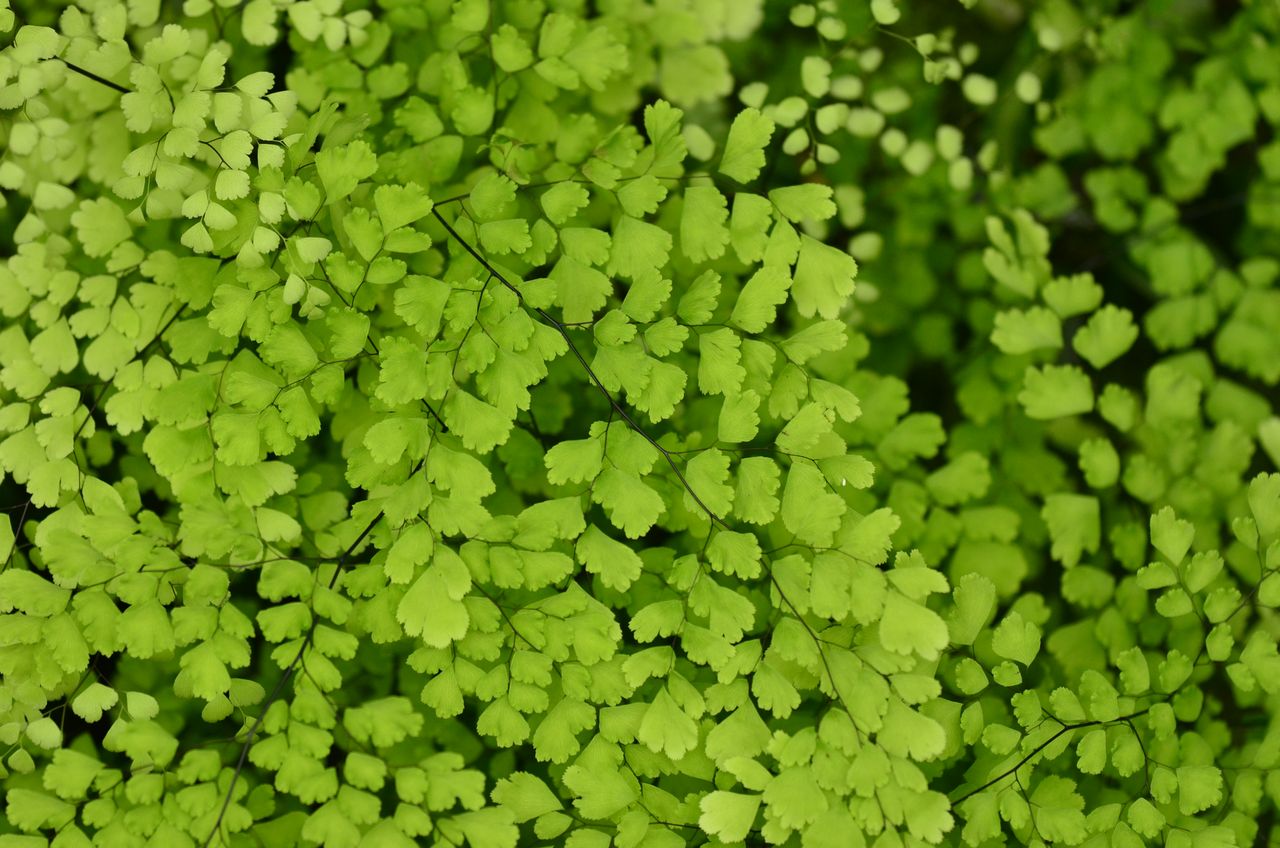
There is no houseplant quite as visually arresting as the maidenhair fern. Its delicate, fan-shaped leaflets arranged on glossy black wiry stems — trembling with the slightest air movement, catching light like the finest lacework — make it one of the most sought-after and most photographed plants in the American home growing scene.
It also has a formidable reputation. The maidenhair fern (Adiantum species) is widely considered one of the most challenging houseplants to keep alive. Stories circulate in plant communities of beautiful specimens purchased at full price from premium nurseries that declined to a brown crispy mess within three weeks of coming home.
Here is the truth that cuts through that reputation: maidenhair ferns don’t die because they’re inherently difficult. They die because they have three specific, non-negotiable requirements — humidity, moisture consistency, and water quality — that most homes fail to provide without deliberate effort.
Meet those three requirements reliably, and the maidenhair fern is not just survivable — it’s one of the most rewarding plants you’ll ever grow. This guide tells you exactly how.
Table of Contents
- Maidenhair Fern: What It Is & Why It’s Worth the Effort
- Maidenhair Fern Varieties: Which One Is Right for You
- The Three Non-Negotiable Requirements
- Light: Finding the Perfect Spot
- Water: Consistency Is Everything
- Humidity: The Make-or-Break Factor
- Soil & Drainage
- Temperature & Placement
- Fertilizing Maidenhair Ferns
- How to Grow Maidenhair Fern: Planting & Setup
- Repotting Maidenhair Ferns
- Propagation
- Maidenhair Fern Problems: Diagnosis & Fix Guide
- The Resurrection Trick (When It Goes Crispy)
- Frequently Asked Questions
1. Maidenhair Fern: What It Is & Why It’s Worth the Effort
Maidenhair ferns belong to the genus Adiantum — a large genus of approximately 200 species distributed across tropical and temperate regions worldwide. The name “maidenhair” comes from the plant’s slender, dark, hair-like stems that resemble — according to historical botanical observers — the fine dark hair of a young woman.
In their natural habitat, maidenhair ferns grow in deeply shaded, perpetually moist environments: alongside waterfalls, in rainforest understories, on stream banks, and in cave mouths where humidity stays consistently high. This habitat profile tells you almost everything you need to know about their care requirements — they evolved in conditions that most indoor environments simply don’t provide without deliberate modification.
Why Grow Maidenhair Fern?
Unmatched visual delicacy: No other common houseplant produces the same fine-textured, light-catching, trembling foliage as the maidenhair fern. In a well-lit bathroom or greenhouse window, a thriving maidenhair is genuinely breathtaking.
Outstanding wellness benefits: The maidenhair fern is one of the most effective humidity-adding plants you can grow indoors — its continuous moisture transpiration raises local humidity meaningfully. For more on how plant-generated humidity supports sleep and respiratory health, see our plant wellness benefits guide and air-purifying bedroom plants guide.
Completely pet-safe: Unlike many stunning houseplants (Pothos, Peace Lily, ZZ Plant), all common Adiantum species are non-toxic to cats and dogs per ASPCA records. A rare combination of beauty and pet-household safety.
Rewarding challenge: There’s a specific satisfaction in successfully growing a plant that requires skill and attention. Once you crack the maidenhair fern code — and this guide gives you everything you need — the plant becomes a source of genuine pride and a daily visual reward.
2. Maidenhair Fern Varieties: Which One Is Right for You
The Adiantum genus contains dozens of species, but a handful are consistently available in US nurseries and online retailers:
Delta Maidenhair Fern (Adiantum raddianum)
The most common variety in US stores. Fan-shaped bright green leaflets on dark wiry stems. Multiple cultivars available including ‘Fritz Lüthi’ (large leaflets), ‘Pacottii’ (compact), and ‘Micropinnulum’ (very fine-textured). Moderately demanding — the best starting point for new maidenhair fern growers.
Southern Maidenhair Fern (Adiantum capillus-veneris)
Native to parts of the US — found naturally along streams and in moist rock crevices across the south and west. Slightly more cold-tolerant and adaptable than tropical species. The most widely distributed maidenhair species globally. Excellent choice for growers in moderate-humidity environments.
Rosy Maidenhair Fern (Adiantum hispidulum)
Distinctive and striking — new fronds emerge with a pinkish-bronze color before maturing to green, giving the plant a two-toned appearance during periods of active growth. Slightly more tolerant of lower humidity than A. raddianum, making it a somewhat more forgiving variety for beginners.
Giant Maidenhair Fern (Adiantum formosum)
The largest variety — can reach 3 feet tall under ideal conditions. More architectural than delicate in its scale. Needs high humidity and warmth consistently.
Brittle Maidenhair Fern (Adiantum tenerum)
Extremely delicate and fine-textured — the most visually ethereal of the common varieties, with tiny, intricate leaflets. The most demanding in terms of humidity. Best for experienced growers or genuinely humid environments like a greenhouse bathroom.
Best variety for beginners: Adiantum raddianum or Adiantum hispidulum (Rosy Maidenhair) — both are the most forgiving of the group while still delivering the characteristic maidenhair aesthetic.
3. The Three Non-Negotiable Requirements
Before covering individual care factors in detail, understand these three requirements clearly — they determine success or failure more than everything else combined:
Non-Negotiable 1: Consistently Moist Soil
Maidenhair ferns cannot tolerate drought. Their fine, fibrous roots are not adapted to store water between dry periods. Even a single instance of completely drying out — going bone dry — can cause the entire plant to collapse and brown within 24–48 hours. The soil must stay consistently moist at all times, never drying out completely.
This is distinct from “wet” — soggy, waterlogged soil causes root rot just as effectively as drought. The target is a sustained, even moisture that never swings to either extreme.
Non-Negotiable 2: High, Consistent Humidity
Maidenhair ferns require humidity levels of 60–80% — significantly higher than the 30–50% typical of most American homes, and dramatically higher than the 20–30% common during winter heating season. Insufficient humidity causes rapid and dramatic browning that often cannot be reversed before the plant collapses.
This single requirement is the most common point of failure for US plant owners. A humidifier near the plant is the most reliable solution — more on this in Section 6.
Non-Negotiable 3: Filtered or Soft Water
Maidenhair ferns are highly sensitive to the fluoride, chlorine, and dissolved minerals in most American municipal tap water. Chronic exposure causes tip browning, frond collapse, and gradually worsening decline that owners frequently misattribute to humidity or watering frequency issues. Always use filtered, distilled, or rainwater.
This requirement is shared with Calatheas — for more context on water quality and sensitive plant species, see our Calathea care guide.
4. Light: Finding the Perfect Spot
Maidenhair ferns need bright, indirect light — and are particularly sensitive to direct sunlight, which scorches their delicate leaflets within hours.
In their natural habitat, they grow under dense forest canopy or in the permanent shade of rock faces and cliff sides. Direct sun never touches them. Replicating this filtered, bright-but-shaded quality is the light goal.
What Works
East-facing windows: Ideal. Receive soft morning direct sun (gentle enough for most maidenhair ferns to tolerate briefly) and bright indirect light for the remainder of the day.
North-facing windows with good ambient light: The maidenhair fern is one of the more shade-tolerant ferns — a bright north-facing window that gets good ambient daylight works well, though growth will be slower than in an east-facing position.
A few feet back from south or west-facing windows: The light intensity near south and west windows in the US is generally too high for direct placement. Position 3–5 feet away from these windows, or filter with a sheer curtain, to achieve the bright-but-filtered quality maidenhairs prefer.
Bathrooms with windows: Often the ideal room for maidenhair ferns in American homes — consistent high humidity from showering, indirect light from a frosted or shaded window, and stable warm temperatures. If your bathroom has a window with reasonable light, it’s the single best placement in most US homes.
What to Avoid
- Direct afternoon sun: The most reliably damaging light situation. West-facing windows with unfiltered afternoon sun will scorch a maidenhair fern rapidly.
- Very low light: While maidenhair ferns tolerate some shade, genuinely dim interiors produce sparse, pale fronds and significantly weakened plants. If natural light is insufficient, a grow light on a 12–14 hour timer provides effective supplemental light.
- Drafty windowsills in winter: The combination of cold air from the glass and the plant’s high humidity needs creates a particularly damaging microclimate.
5. Water: Consistency Is Everything
Watering a maidenhair fern correctly is less about frequency and more about never allowing extremes — neither bone-dry nor waterlogged.
The Target Soil State
Goal: Soil that remains consistently, evenly moist throughout the pot — like a wrung-out sponge. Moist to the touch at all depths, but not waterlogged or sitting in standing water.
Check daily or every other day during establishment. Once you understand how quickly your specific plant in your specific environment dries out, you’ll develop an accurate sense of the rhythm.
When to Water
Before the surface dries: Unlike most other houseplants where you wait for 1–2 inches of soil to dry before watering, maidenhair ferns should be watered when the top ½ inch of soil surface is just barely beginning to dry. Do not wait for the deeper soil to dry.
The finger test: The standard tool for most houseplants — insert your finger 1 inch into the soil. For maidenhair ferns, if it feels barely damp rather than clearly moist at 1 inch, water now. Don’t wait until it’s dry.
How to Water
Bottom watering (recommended): Set the pot in a basin of filtered room-temperature water for 15–20 minutes, allowing the soil to absorb moisture evenly from below. This method ensures thorough, even saturation without the risk of wetting the crown (the central growing point where fronds emerge) — crown rot is a real risk with top-watering if water pools in the center.
Top watering: If top-watering, water slowly and evenly around the outer soil surface rather than directly into the crown. Water until it flows from the drainage holes. Remove from any standing water immediately.
For the complete watering framework applicable to all your plants, see our guide to watering indoor plants correctly.
Water Quality: Non-Negotiable
Use filtered, distilled, or collected rainwater for all maidenhair fern watering and misting. The fluoride and mineral content of most US municipal tap water causes progressive tip browning that is frequently mistaken for humidity problems. Once you switch to filtered water, the improvement in tip condition over successive new frond generations is clearly visible.
If you have no choice but tap water: Let it sit in an open container for 24+ hours to allow chlorine to dissipate. This doesn’t address fluoride, but reduces the chlorine load. A basic pitcher filter (Brita or similar) is a better solution and is inexpensive.
6. Humidity: The Make-or-Break Factor
This is where most US maidenhair fern owners fail — not from lack of effort, but from underestimating how high the humidity requirement actually is and overestimating what basic measures like occasional misting provide.
Target humidity: 60–80% relative humidity. Most American homes sit at 30–50% during normal conditions and 20–30% during winter heating. This gap between what the plant needs and what most homes provide is large enough that passive measures alone are rarely sufficient.
Humidity Solutions: Ranked by Effectiveness
1. Ultrasonic Humidifier (Most Effective) A small ultrasonic humidifier placed 1–3 feet from the plant, running for several hours per day, is the single most reliable way to provide the sustained high humidity maidenhair ferns require. Modern ultrasonic humidifiers are quiet, energy-efficient, and available for $25–$60 at major US retailers. This is the method used by every serious maidenhair fern grower.
Important: Use distilled or filtered water in your humidifier — mineral deposits from tap water can coat plant leaves and surfaces over time, and humidifiers running on hard tap water need frequent cleaning to prevent bacterial growth.
2. Enclosed Growing Environment A glass cloche over the plant, a greenhouse cabinet, or an enclosed bathroom creates a naturally elevated humidity microenvironment. Wardian cases (glass terrariums designed for ferns and mosses) are specifically designed for this purpose and produce ideal conditions for maidenhair ferns. This is the most elegant, aesthetic approach.
3. Bathroom Placement A naturally humid bathroom with adequate window light is the easiest passive humidity solution available in most US homes. The recurring humidity from showers keeps ambient humidity consistently elevated without any additional intervention.
4. Pebble Tray Fill a shallow tray with pebbles and water. Place the plant pot on top, ensuring the pot base sits above the waterline. As water evaporates, it raises local humidity immediately around the plant. Provides a meaningful improvement over nothing, though rarely sufficient as a standalone solution for the high humidity maidenhair ferns require.
5. Grouping With Other Plants Clustering the maidenhair with other humidity-loving plants (Boston fern, peace lily, calathea) creates a collective microclimate through transpiration. Works as a complement to other humidity methods rather than a complete solution on its own.
What doesn’t work: Misting the leaves once a day. This provides a brief humidity spike that evaporates within minutes in typical indoor air and does nothing to raise the sustained ambient humidity the plant needs. Misting also risks fungal disease on the fine leaflets if water sits on the fronds in low airflow conditions. Skip misting — invest the effort in a humidifier or environmental solution instead.
7. Soil & Drainage
Ideal Soil Mix
Maidenhair ferns need a growing medium that holds consistent moisture while still allowing adequate aeration — not the fast-draining, dry-prone mixes appropriate for succulents, nor the dense, waterlogging mixes that cause root rot.
Recommended mix:
- 2 parts quality peat-based potting mix or coco coir
- 1 part perlite (for aeration and drainage)
- 1 part orchid bark or coarse sand (additional drainage and texture)
This blend holds sufficient moisture for the fern’s needs while still allowing adequate root oxygenation and preventing the waterlogged conditions that cause root rot in consistently-moist soil.
Alternatively: Commercial fern and moss potting mixes (available at most US garden centers) are formulated specifically for ferns and work well directly without amendment for most varieties.
Pot Material & Size
Best pot material: Glazed ceramic or plastic. Both retain moisture longer than terracotta — critical for a plant that needs consistent soil moisture. Unglazed terracotta wicks moisture too rapidly, making it very difficult to maintain the even moisture maidenhair ferns need.
Pot size: Choose a pot only 1–2 inches larger in diameter than the root ball. Oversized pots hold excess moisture the roots can’t access, increasing root rot risk. Maidenhair ferns have relatively compact root systems — they do not need large pots.
Drainage: Essential. Consistent moisture does not mean standing water — the pot must have drainage holes to prevent waterlogging. For full pot selection guidance, see our best planters and pots guide.
8. Temperature & Placement
Ideal Temperature
55–75°F (13–24°C) for most common varieties. Maidenhair ferns prefer temperatures on the cooler end of typical home ranges — they originated in temperate to tropical regions but are generally not fans of heat above 75°F combined with dry air.
Avoid:
- Temperatures below 50°F (10°C) — causes frond damage and growth shutdown
- Sudden temperature drops or cold drafts from windows
- Proximity to heating vents — the combination of heat and dry forced air is particularly damaging
- Air conditioning vents blowing directly on the plant — chills and dries leaves simultaneously
Best Placement Locations in US Homes
Bathroom with east or north-facing window: The single best location in most American homes. Consistent shower-generated humidity, indirect light, stable temperature.
Kitchen windowsill (east-facing): Morning light, cooking-generated humidity, stable temperatures. Particularly suitable if you cook frequently — steam from cooking provides meaningful humidity contribution.
Terrarium or Wardian case: Enclosed glass growing environments maintain high, consistent humidity with almost no management effort. A glass terrarium placed near (but not in direct) a north or east-facing window provides near-ideal conditions. For terrarium building guidance, see our DIY terrarium guide.
Shaded bathroom shelf near a humidifier: In any bathroom without adequate natural light, a small full-spectrum grow light plus a humidifier creates the conditions for a thriving maidenhair fern regardless of window situation.
9. Fertilizing Maidenhair Ferns
Maidenhair ferns are light feeders compared to many popular houseplants. Over-fertilizing is a more common problem than under-fertilizing — too much fertilizer causes fertilizer burn on the delicate fronds and damages the fine root system.
Schedule: Once per month during the active growing season — spring through early fall (approximately March through September in most US climate zones). Do not fertilize in winter.
Fertilizer type: A balanced liquid fertilizer (10-10-10 or similar NPK ratio) diluted to one-quarter the recommended strength — not half-strength as with most other houseplants, but quarter strength. The maidenhair fern’s fine root system and delicate fronds are easily burned by normal fertilizer concentrations.
Application: Always water the plant thoroughly before fertilizing — never apply fertilizer to dry soil. This prevents root burn from concentrated fertilizer contact with dry root tips.
Signs of over-fertilization: Brown frond tips appearing rapidly after fertilization, white crusting on soil surface, wilting despite adequate moisture. If this occurs, flush the soil thoroughly with a large volume of plain filtered water to leach excess mineral salts and hold off fertilizing for 6–8 weeks.
10. How to Grow Maidenhair Fern: Setup Guide
Setting up your maidenhair fern correctly from the start is the most impactful single thing you can do for long-term success. Here’s the complete setup sequence:
Step 1 — Choose your location first. Before buying the plant, identify the specific spot in your home that meets the light requirements (bright indirect, no direct sun) and assess whether you can provide adequate humidity there (humidifier? bathroom? terrarium?).
Step 2 — Prepare your humidity solution. Purchase and test your humidifier or set up your terrarium before the plant arrives. Humidity must be adequate from day one — don’t let the plant spend its critical first week in inadequate conditions while you figure it out.
Step 3 — Source filtered water. Have your filtered water supply ready before the plant comes home. A Brita pitcher is sufficient for a start — fill it 24 hours before your first watering.
Step 4 — Choose the right pot and soil. Glazed ceramic or plastic pot with drainage holes, 1–2 inches larger than the nursery pot. Mix your soil blend per Section 7.
Step 5 — Acclimate gently. New plants from nurseries have been grown in greenhouse conditions with consistently high humidity and controlled light. The transition to home conditions is stressful even when home conditions are well-prepared. Place in its designated spot and resist any urge to move, repot, or fertilize for the first 2–3 weeks. Simply maintain appropriate moisture and humidity and let the plant acclimate.
Step 6 — Establish your watering rhythm. Check the soil every day or every other day for the first two weeks to understand how quickly your specific plant in your specific environment dries out. Once you have a feel for the rhythm, you’ll know when to water without checking daily.
11. Repotting Maidenhair Ferns
Maidenhair ferns have compact, fibrous root systems that don’t outgrow their pots quickly. Most specimens need repotting only every 2–3 years, or when roots are clearly growing from drainage holes or circling visibly at the soil surface.
Best time: Spring — the plant is entering its active growth phase and recovers most quickly from any repotting disturbance.
Process: Maidenhair fern roots are fine and relatively fragile — work gently. This is also an opportunity for division if the plant has multiple crowns — see Propagation below. Move up only one pot size (1–2 inches larger). Use fresh potting mix. Water thoroughly immediately after repotting. Keep in slightly reduced light for 1–2 weeks post-repot to reduce stress.
For the complete repotting process applicable to all houseplants, see our step-by-step repotting guide.
12. Propagation
Maidenhair ferns can be propagated through two methods:
Division (Easiest)
The most practical propagation method for home growers. During repotting, gently separate the root ball into two or more sections — each with its own root system and fronds. Pot each division independently in fresh soil and maintain high humidity during re-establishment (a clear plastic bag tent over the newly potted division for 2–3 weeks significantly improves success).
Spore Propagation (Advanced)
Maidenhair ferns reproduce in nature through spores — tiny, dust-like reproductive particles produced on the undersides of mature fronds. Spore propagation is achievable at home but requires patience (several months to produce plantable seedlings) and a sterile, humid growing environment. A good project for experienced plant growers looking for a rewarding challenge.
13. Maidenhair Fern Problems: Diagnosis & Fix Guide
Problem 1: Brown, Crispy Fronds (Entire Fronds Browning)
The most common maidenhair fern problem. Almost always caused by one or more of:
Low humidity (most likely): The fine leaflets desiccate rapidly in dry air. If the browning appeared quickly — particularly during winter heating season or in an air-conditioned room — humidity is almost certainly the primary cause. Fix: Implement a humidifier immediately. Move to a more humid location. Check if heating or cooling vents are nearby.
Underwatering: Soil that dried out — even briefly — causes rapid total browning. Fix: Water immediately with filtered water using the bottom-watering method. See Section 14 (the resurrection trick) if the entire plant has gone crispy.
Tap water minerals: Progressive, gradual tip browning that worsens over weeks despite reasonable humidity and moisture. Fix: Switch exclusively to filtered or distilled water. Flush the existing soil with a large volume of filtered water to leach accumulated minerals.
Problem 2: Yellow Fronds
Cause: Usually overwatering or root rot, less commonly nutrient deficiency.
Confirm: Check soil — if it’s been consistently wet for many days, root rot is likely.
Fix: Allow to dry slightly more than usual. Remove the plant from its pot and inspect roots — healthy roots are white and firm; rotted roots are dark, mushy. Trim rotted roots with clean scissors, repot in fresh soil, resume careful moisture management.
Problem 3: Fronds Dropping or Collapse Without Browning
Cause: Cold shock, sudden draft, or extreme temperature change.
Fix: Move away from cold windows, drafts, and vents. Stable temperature is essential — avoid placing near frequently opened doors in winter.
Problem 4: New Growth Is Sparse and Pale
Cause: Insufficient light.
Fix: Move to a brighter (but still indirect) location, or supplement with a full-spectrum grow light on a 12–14 hour timer.
Problem 5: Brown Tips Only (Not Entire Fronds)
Cause: Usually tap water mineral content or low humidity.
Fix: Switch to filtered water. Increase humidity. Trim the brown tips with clean scissors following the natural frond edge.
Problem 6: White Powdery Coating on Fronds
Cause: Powdery mildew — a fungal disease promoted by still, humid air without adequate airflow.
Fix: Improve air circulation around the plant (a small fan on low nearby helps). Remove affected fronds. Apply a diluted neem oil spray to remaining fronds. Reduce overhead misting.
Problem 7: Insects
Maidenhair ferns can be affected by spider mites (particularly in dry conditions), scale, and occasionally thrips. The treatment approach for each follows the same protocols covered in our dedicated pest guides:
- Spider mites: see our spider mites guide
- Mealybugs: see our mealybugs guide
14. The Resurrection Trick (When Your Maidenhair Goes Completely Crispy)
This section exists because it’s one of the most searched maidenhair fern questions in America — and the answer surprises almost everyone.
If your maidenhair fern has gone completely brown and crispy — apparently dead — do not throw it out.
Maidenhair ferns have a remarkable ability to regenerate from their rhizome (the underground root structure) even when all above-ground fronds have died. The plant looks dead. The fronds are brown, crispy, and collapsing. But the rhizome may still be alive and capable of producing completely new growth.
The Resurrection Protocol
Step 1: Cut all brown, dead fronds off at the soil line — remove every dead frond completely. Do not leave any dead material attached. This looks drastic but is correct.
Step 2: Check the rhizome by gently digging just beneath the soil surface. Healthy rhizome material is green, white, or pale — firm to the touch. Dead rhizome is brown, dry, and papery. If any healthy rhizome material remains, proceed.
Step 3: Water the soil thoroughly with filtered water.
Step 4: Place the pot inside a clear plastic bag, seal loosely, and place in bright indirect light. This creates a high-humidity enclosed environment that gives the rhizome the best possible conditions to produce new growth.
Step 5: Wait. New fronds can take 2–6 weeks to emerge. During this time, maintain moisture and keep in the bag. Do not fertilize.
Step 6: Once new fronds are clearly established, gradually open the bag over several days to acclimate the new growth to normal (higher-humidity-than-before) room conditions.
This resurrection protocol works with surprising frequency — many apparently dead maidenhair ferns successfully regrow when given this treatment. The key variable is whether the rhizome survived, which depends on how long the stressful conditions lasted.
15. Frequently Asked Questions
Q: Is maidenhair fern hard to care for? Maidenhair ferns are not generally difficult — they are specifically demanding. They have three non-negotiable requirements (consistent moisture, high humidity, filtered water) that most homes don’t provide by default. Meet those three requirements reliably and the maidenhair fern is genuinely manageable. Fail to provide them and no amount of effort in other care areas will save the plant. The challenge is environmental adjustment, not horticultural skill.
Q: Why does my maidenhair fern keep dying? The most common causes in order of frequency: (1) insufficient humidity — the most likely cause for most US owners; (2) tap water mineral content causing progressive damage; (3) inconsistent watering — even one complete drying-out event causes rapid collapse; (4) direct sun exposure scorching the delicate fronds. Address all three in sequence using the guidance in Sections 5, 6, and 4 respectively.
Q: How often should I water my maidenhair fern? There is no fixed schedule — it depends on your environment. The target is keeping the soil consistently moist at all depths without waterlogging. Check every 1–2 days during the growing season and water when the top ½ inch is barely beginning to dry. Most US owners find this means watering every 2–4 days in spring and summer, slightly less in winter. For the full watering framework see our watering guide.
Q: Can I grow maidenhair fern in a terrarium? Yes — a closed or semi-closed terrarium is actually one of the best environments for maidenhair ferns, as it naturally maintains the high humidity they require with minimal management. Use a well-draining fern-appropriate soil mix, bright indirect light, and ensure the terrarium allows for some air exchange to prevent fungal issues. Maidenhair ferns in terrariums are genuinely stunning display pieces.
Q: Is maidenhair fern safe for cats and dogs? Yes — Adiantum species are non-toxic to both cats and dogs per ASPCA records. The maidenhair fern is one of the most beautiful pet-safe plant options available to American plant owners.
Q: Can maidenhair fern grow outdoors in the USA? In USDA hardiness zones 5–11 (depending on species), maidenhair ferns can grow outdoors year-round in appropriate conditions — shaded, consistently moist, sheltered from wind. Adiantum pedatum (Northern Maidenhair) is a cold-hardy native species suitable for outdoor shade gardens in zones 3–8. A. capillus-veneris grows outdoors in zones 7–11. All varieties thrive outdoors in humid, shaded conditions during US summer months and can be brought back inside before frost.
Q: How do I increase humidity for my maidenhair fern without a humidifier? The most effective non-humidifier options: (1) bathroom placement with a window, (2) enclosed terrarium or Wardian case, (3) grouping with many other plants in a small area to create a collective transpiration microclimate, (4) pebble tray with water beneath the pot. None of these approaches reliably reaches the 60–80% humidity target in a typical US home — a small humidifier ($25–$60 at any US retailer) remains the most practical and effective solution for owners serious about growing this plant successfully.
Maidenhair Fern Quick-Care Reference
| Factor | Requirement |
|---|---|
| Light | Bright indirect — no direct sun |
| Water | Filtered/distilled; keep consistently moist |
| Humidity | 60–80% (humidifier strongly recommended) |
| Temperature | 55–75°F; avoid below 50°F |
| Soil | Peat/coco coir + perlite + bark; moisture-retentive but draining |
| Pot | Glazed ceramic or plastic; drainage holes essential |
| Fertilizer | Monthly (spring–fall), quarter-strength balanced |
| Repotting | Every 2–3 years |
| Pet Safety | Non-toxic to cats and dogs ✅ |
| Difficulty | Moderate — specific rather than complex |