
The Ugliest Corners of Your Home — Fixed With Plants (Before & After Ideas)
Tags: corner plant ideas, empty corner decoration ideas plants, how to decorate empty corners with plants, indoor plant placement ideas, plant corner ideas living room, ugly corner fix with plants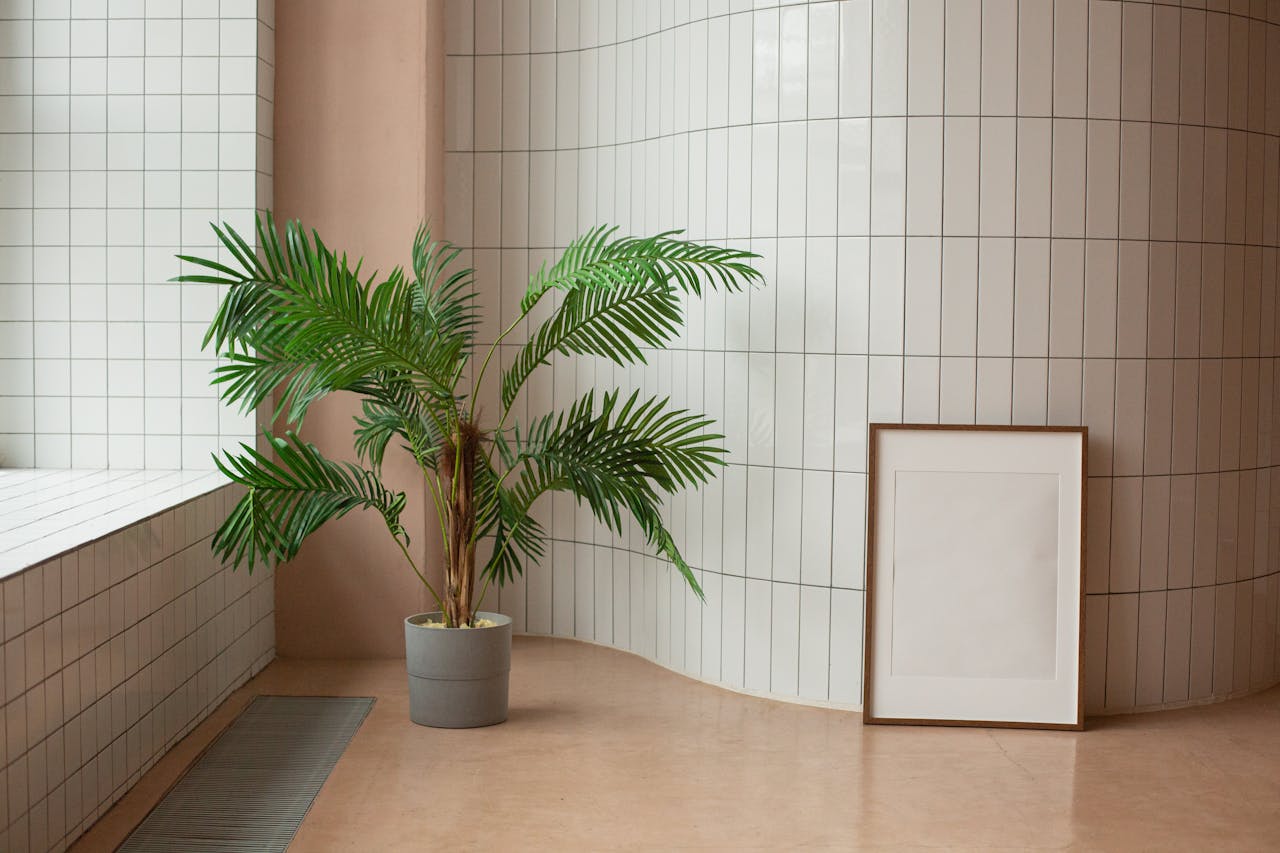
Every home has at least one. That corner by the front door that collects shoes and dust. The dead space beside the sofa that looks empty no matter what you put in it. The dim hallway that makes your home feel smaller than it is. The bathroom shelf that’s been bare for two years.
These aren’t design failures. They’re opportunities — specifically, opportunities for plants.
Plants solve corner and awkward space problems better than almost any other decorating tool because they bring what no furniture or ornament can: height, organic shape, living texture, and a warmth that makes a space feel finished rather than forgotten.
This guide covers the 10 most common “ugly corner” problems in a home, the exact plant solution for each, and what the transformation looks like.
1. The Dark, Empty Living Room Corner
The problem: A corner of the living room that seems to attract nothing — no furniture fits it well, ornaments look lost in it, and it just feels like wasted space that drags down the whole room.
The plant fix: This is the classic “statement corner plant” scenario, and it works because tall plants are the one type of object that fills vertical space naturally without looking like you’re trying to hide the corner.
The formula:
- One large plant (120–150cm or taller) — fiddle leaf fig, snake plant, bird of paradise, or monstera
- A simple floor planter in terracotta, stone-effect, or matte white
- If the corner is dark: choose a snake plant, ZZ plant, or cast iron plant — all thrive with minimal light
- Elevate the pot on a small wooden stool or plant stand if the plant isn’t quite tall enough to fill the vertical space
The result: The corner becomes the focal point of the room rather than its weak point. Visitors comment on the plant rather than registering the corner at all.
For the best statement plants for dark corners, see our guide to best indoor plants that grow without sunlight.
2. The Bare, Depressing Hallway
The problem: A narrow hallway with blank walls, a functional light, and nothing that makes you feel good about arriving home. It’s the first thing you see when you walk in — and it sets the tone for the whole house.
The plant fix: The hallway has specific constraints — often limited floor space, low light from windows, and a high-traffic zone where plants can be knocked. The solution is wall-mounted rather than floor-standing.
The formula:
- Mount a simple wooden shelf at eye height and place 2–3 trailing plants — pothos or heartleaf philodendron
- Vines growing down the wall as the plant matures create a genuinely dramatic effect in a narrow hallway
- A single vertical floor plant with a slim footprint (snake plant) works if floor space allows
- Add a clip-on grow light behind the shelf if the hallway gets no natural light — discreet and highly effective
The result: What was a corridor becomes an entrance with character. The trailing greenery against a plain wall creates the kind of look that makes people say “I love what you’ve done with this.”
3. The Sad, Empty Windowsill
The problem: A windowsill that’s collecting dust, random objects, or nothing at all — completely failing to use the best-lit spot in the room.
The plant fix: A windowsill is the highest-value real estate in any room for plants. It provides natural light, a natural display surface, and frames the window as a feature rather than just a functional opening.
The formula:
- Choose plants whose size suits the windowsill depth — succulent arrangements and small herb pots for narrow sills; larger pots for wide ones
- Use identical pots for a composed, intentional look — three terracotta pots of different sizes beats three random mismatched ones every time
- Layer heights — a taller plant at the back, medium in the middle, trailing plant at the front
Best windowsill plants by direction:
- South-facing: succulents, cacti, herbs, aloe vera, tomatoes (in season)
- North-facing: pothos, peace lily, fern, spider plant
- East/West: most herbs, begonias, spider plant, small ferns
For a full kitchen herb windowsill guide: how to grow herbs indoors in small pots.
4. The Cluttered, Chaotic Bookshelf
The problem: A bookshelf that’s too full, too random, or just looks like organised chaos. You can’t remove the books, but you also can’t leave it looking like every shelf is fighting for attention.
The plant fix: Plants on a bookshelf do something no styling trick with books or objects achieves — they break the rigid horizontal pattern of shelf lines with organic, living form. A trailing plant spilling off one shelf, a compact plant sitting between books on another, and a small hanging plant on the top shelf transforms the whole bookshelf from storage to display.
The formula:
- Top shelf: trailing pothos or heartleaf philodendron — let the vine grow long and drape down the shelf face
- Middle shelves: one or two compact plants (small peperomia, ZZ plant offshoot, small fern) positioned in gaps between book sections
- Bottom shelf: a slightly larger plant in a nice pot as an anchor
Design tip: The plants shouldn’t compete with the books for attention. Choose plants with calm, uncomplicated foliage — not busy-patterned varieties — so the shelf reads as curated rather than more chaotic.
5. The Lifeless Bathroom Shelf
The problem: A bathroom shelf with nothing on it, or only practical items (shampoo, bottles, cotton balls) that make the room feel purely functional rather than relaxing.
The plant fix: A plant on a bathroom shelf is one of the highest-impact changes per plant in any room. The humidity and indirect light of most bathrooms are ideal conditions for many species, and even a single well-chosen plant transforms the atmosphere from functional to spa-like.
The formula:
- Small shelf: one small fern, air plant (Tillandsia — no soil, sits directly on the shelf), or trailing pothos in a small pot
- Medium shelf: peace lily, heartleaf philodendron, or Boston fern
- High shelf with trailing space: pothos or string of pearls — let it trail toward the floor
6. The Dead Space Beside the Sofa
The problem: The gap between the sofa end and the wall — too small for a side table, too large to ignore, too awkward for most furniture.
The plant fix: A single floor plant in this space solves the problem completely. The scale is right (you want something that reads from sofa height), the organic form doesn’t fight with sofa furniture, and it brings the room together rather than leaving an obvious gap.
Best plants for beside-sofa positions:
- Medium snake plant (60–90cm) in a simple pot
- Peace lily with its graceful arching leaves
- Small ZZ plant — sculptural, low-maintenance, suits small gaps well
- Olive tree in a terracotta pot for a Mediterranean living room vibe
The detail that makes it: Put the pot on a small wooden plant stand rather than directly on the floor. This elevates the plant to where it sits comfortably in the sightline from the sofa, and adds a natural material element.
7. The Forgotten Home Office Corner
The problem: A home office or study with a desk against a blank wall, staring at nothing. The environment is purely functional with no visual comfort — which research shows directly impacts focus, creativity, and stress levels.
The plant fix: Studies confirm that having plants visible from your desk reduces stress and improves focus and cognitive performance. A plant in the corner of your field of vision while working is not decoration — it’s a functional productivity tool.
The formula:
- Behind/beside the monitor: a small pothos, peperomia, or ZZ plant — compact enough not to dominate the desk surface
- Corner of the room: a medium floor plant — something architectural that you can glance at while thinking
- On a shelf in view of the desk: trailing plant that adds life to the peripheral vision
The bonus: Video calls immediately look more professional and interesting with a plant visible in the background. The “office plant” is simultaneously a biophilic wellbeing tool and a backdrop upgrade.
8. The Bare Dining Room Wall
The problem: A dining room wall that needs something — a painting is either expensive or impersonal, a mirror feels predictable, and nothing seems quite right.
The plant fix: A living wall arrangement — whether a proper pocket planter system or simply a series of floating shelves with plants — on a dining room wall is one of the most sophisticated and original decorating moves available. It becomes a genuine conversation piece at every dinner.
The simple version: 3–5 floating shelves in a staggered arrangement, each with 1–2 plants in complementary pots. Total cost: minimal. Impact: significant.
The dramatic version: A framed pocket planter system with dense planting — effectively a living painting on the wall. Full step-by-step guide: how to build a DIY vertical garden wall indoors.
9. The Unloved Staircase Landing
The problem: A staircase landing or the wall alongside stairs — an often-ignored space that feels neither here nor there. Too large to ignore, too awkward for most furniture.
The formula:
- A tall dramatic plant at the base of the stairs — bird of paradise, fiddle leaf fig, or large snake plant — creates an immediate arrival moment
- A trailing plant on the landing banister or a shelf beside the staircase — pothos trailing downward alongside the stairs is architecturally stunning
- Wall-mounted pocket planters along the stair wall — fills the long vertical space that no picture gallery quite achieves
The result: Stairs go from functional transition space to one of the most beautiful, nature-filled journeys through your home.
10. The Outdoor Eyesore — Balcony Corner or Bare Patio Wall
The problem: A bare concrete wall on a balcony, a corner with an ugly downpipe, a fence panel that just looks depressing.
The plant fix: Climbing plants, railing planters, and wall-mounted pocket systems transform outdoor walls just as effectively as indoor ones. In some ways, outdoor eyesores are easier to fix because you can use vigorous fast-growing climbers that cover large areas quickly.
The fast solutions:
- Climbing plants on a trellis fixed to the wall — nasturtium, black-eyed Susan vine, or clematis cover a wall within a single season
- A row of tall plants in large containers in front of an ugly wall — creates a green screen without any wall fixings
- Railing-mounted planters along the balcony edge filled with trailing petunias or nasturtiums — transforms the railing from a barrier into a feature
Full balcony garden transformation guide: transform your balcony into a garden paradise.
The Before & After Effect: What Plant Placement Actually Changes
Every one of the transformations above follows the same underlying principle: plants change how a space feels, not just how it looks. The before isn’t just visually worse — it’s psychologically less comfortable. Bare corners, empty shelves, and lifeless hallways create a subtle but real sense of incompleteness.
After a well-chosen plant is added, the same space feels:
- More intentional — like someone lives here and cares about the space
- Warmer — organic shapes and living colour are intrinsically warmer than furniture
- Larger — paradoxically, a room with a statement corner plant often feels bigger, because the corner is resolved
- Calmer — the proven biophilic effect of living plants on the nervous system
Frequently Asked Questions
Q: What is the best plant to put in a corner of a room? For a floor-level corner, a large snake plant, ZZ plant, fiddle leaf fig, or bird of paradise are the best choices. They’re tall enough to fill vertical space, architectural enough to read as intentional, and available in a range of light tolerances. For a dark corner with minimal light, the snake plant and cast iron plant are the most reliable choices.
Q: How do I decorate an awkward corner with no light? The snake plant and cast iron plant are the most light-tolerant floor plants available — both survive in very dim conditions. Alternatively, a small clip-on grow light fitted to a shelf above the corner provides enough artificial light for most shade-tolerant plants. The grow light can be positioned discreetly and makes even the darkest corner a workable space for plants.
Q: Can plants make a small room feel bigger? Yes. Strategically placed plants — particularly a tall vertical plant in a corner — actually make rooms feel larger, not smaller. This is because they resolve the corner, removing the visual “empty gap” that can make a room feel unfinished. They also draw the eye upward, creating a sense of vertical space.
Q: What is the most impactful corner plant for a small flat? For a small flat, the pothos is the most versatile choice — it can trail from a high shelf, climb a wall with small hooks, sit on a windowsill, or stand in a corner. One plant, propagated over time, can genuinely transform multiple spaces in a small flat. Start with one pot and work from there.
Final Thoughts
Every home has corners that aren’t working. The ones that feel empty, awkward, dark, or simply unfinished. Plants are the answer to most of them — not because plants are magic, but because they bring the three things most empty corners lack: organic form, living texture, and height.
The transformation in most cases requires one plant in the right pot in the right position. Start with the single most problematic corner in your home. Choose the right plant for its light conditions. Give it a good pot, good soil, and consistent care. The difference from week one to week eight will surprise you.
Explore more on plantcarehacks.com: