
Growing guide: Grow and care for English ivy (Hedera helix)
Tags: english ivy, english ivy benefits, english ivy hanging basket, english ivy houseplant, english ivy indoor plant, english ivy invasive, english ivy medicinal uses, english ivy outdoor, english ivy plant, english ivy plant care, english ivy poisonous, english ivy propagation, english ivy pruning, english ivy spider mites, english ivy symbolism, english ivy toxic to cats, english ivy varieties, english ivy watering, english ivy yellow leaves, hedera helix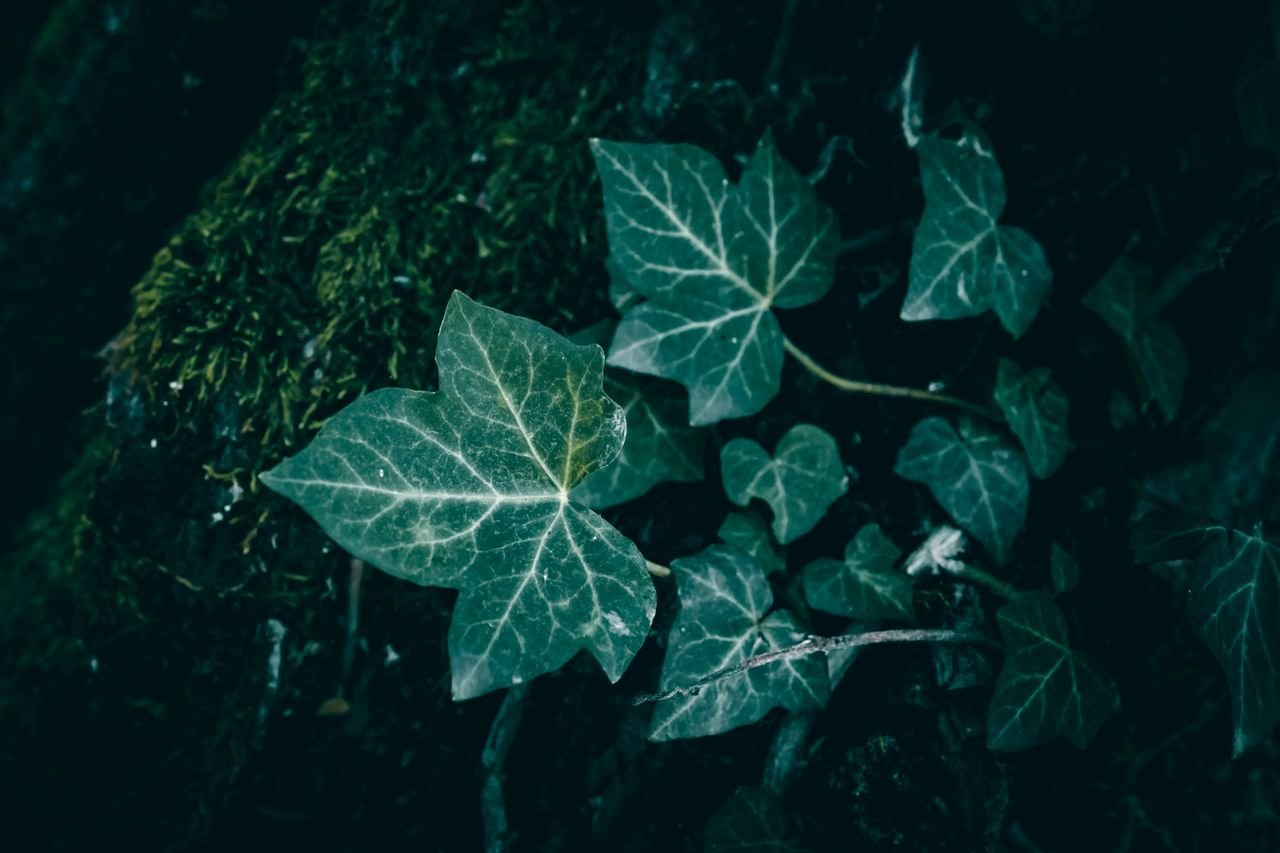
English ivy (Hedera helix), also called common ivy or atlantic ivy, is an evergreen woody vine and ground cover valued for its dark green, variegate foliage and ability to thrive in shade to full sun. Native to western Asia and northern Africa, this perennial from the Araliaceae family can also become invasive in natural areas, where it climbs trees and shrubs, forms dense groundcover, and can be considered invasive or an invasive species in many regions such as the Pacific Northwest.
English ivy care
Plant english ivy as a houseplant or outdoors as ground cover. Ivy prefers moist soil but tolerates a range of conditions once established. English ivy grows via adventitious roots and aerial rootlets that allow the vine and groundcover to cling to vertical surfaces and spread across the soil. Cultivars and species of ivy include hedera helix, hedera hibernica (hibernica) and many variegated or unlobed selections with 3 to 5 lobes per leaf.
- Soil and light: Ivy prefers moist, well-drained soil. Many cultivars do well in partial to full shade; some tolerate full sun with sufficient moisture.
- Watering: Keep consistent moisture for young plants to avoid root rot; established plants are drought tolerant but perform best in evenly moist soil.
- Temperature and hardiness: Being an evergreen perennial, English ivy is hardy in a range of climates but may suffer pest or cold damage in extreme conditions.
- Plant care: Fertilize lightly in spring and prune to control spread. Prune vines in spring and summer to shape or reduce climbing on trees and structures.
Invasive: controlling English ivy and eradication tips
Because English ivy is invasive in many ecosystems, controlling English ivy may involve a combination of mechanical removal and chemical treatment. Eradicate large infestations by cutting vines at the base, carefully peeling aerial rootlets from bark to protect trees, and removing root systems to prevent regrowth. For persistent plants, targeted glyphosate applications can help, although herbicide use should follow local regulations and environmental guidance. Ivy also disperses seeds via birds, so removing flowering and fruiting stems helps reduce spread.
Table of Contents
- What Is English Ivy? Origin, Classification & the Name
- The Juvenile vs. Adult Phase Change: The Biology Nobody Explains
- English Ivy History: Dionysus, Olympic Athletes & the Ivy League
- English Ivy Meaning & Symbolism
- English Ivy Benefits: The Real Science
- English Ivy Houseplant: Complete Indoor Care Guide
- English Ivy Light Requirements
- English Ivy Watering: The Correct Approach
- Soil & Drainage
- English Ivy Fertilizer Schedule
- Humidity & Temperature
- English Ivy Varieties: Complete Cultivar Guide
- English Ivy Pruning: How, When & Why
- English Ivy Propagation
- English Ivy Hanging Basket & Display Guide
- Repotting English Ivy
- English Ivy Yellow Leaves: Every Cause Diagnosed
- English Ivy Spider Mites & Other Pests
- Common Problems & Solutions
- English Ivy Poisonous: Complete Toxicity Guide
- English Ivy Toxic to Cats: What Every Pet Owner Must Know
- English Ivy Outdoor Growing & The Invasive Species Reality
- English Ivy Medicinal Uses: The European Pharmaceutical Story
- English Ivy Feng Shui & Spiritual Meaning
- Frequently Asked Questions
1. What Is English Ivy? Origin, Classification & the Name
Hedera helix is a woody, evergreen climbing vine native to Europe, western Asia, and northern Africa — with its primary native range spanning Britain, Ireland, continental Europe, and extending east through Turkey and the Caucasus. It belongs to the family Araliaceae (the aralia family).
The name “Hedera” is the ancient Latin word for ivy — used by Roman authors including Pliny and Virgil. “Helix” comes from the Greek word for “spiral” or “twist” — referring to the plant’s twining growth habit.
Common names:
- English Ivy (most common in USA)
- Common Ivy
- European Ivy
- Hedera Ivy
- British Ivy
In its native European habitat, English ivy grows as a forest floor groundcover, a climbing vine on trees and rock faces, and an architectural plant on stone walls — using specialized aerial rootlets to grip surfaces and ascending toward light. Mature plants can climb to heights of 100 feet or more on suitable host structures.
2. The Juvenile vs. Adult Phase Change: The Biology Nobody Explains
Here is the most extraordinary biological fact about English ivy — and the one virtually every care guide omits entirely:
English ivy is not always the lobed, five-pointed, climbing plant you recognize. When it reaches maturity, it transforms into a completely different-looking plant.
Two Completely Different Growth Forms from One Plant
Hedera helix goes through a process called phase change — transitioning between two morphologically distinct growth phases with different leaf shapes, growth habits, and reproductive capacity.
Juvenile phase (the ivy everyone recognizes):
- Lobed, five-pointed, distinctly “ivy-shaped” leaves
- Climbing or trailing growth habit
- Produces aerial rootlets (holdfasts) for climbing
- Does NOT flower or produce fruit
- What virtually all indoor ivy plants remain permanently
Adult (arborescent) phase:
- Leaves transform completely — becoming oval, entire (not lobed), glossy, and darker
- Plant stops climbing and grows as a self-supporting shrub
- Produces small, inconspicuous yellow-green flowers in autumn
- Produces the small blue-black berries that birds find attractive
- No longer produces aerial rootlets
The phase change trigger: When a juvenile ivy stem reaches sufficient light (typically by climbing to the top of its support), the plant’s hormonal balance shifts and adult phase growth begins from that point forward. The same individual plant has both juvenile stems (lower) and adult stems (upper).
What this means for indoor growing: Indoor ivy kept in containers with limited vertical space almost never reaches the light intensity and maturity needed to trigger the phase change. The five-lobed juvenile form you’re growing is likely the only form your indoor ivy will ever display — which is fine, because it’s the more visually attractive of the two phases.
The propagation implication: Cuttings taken from juvenile-phase stems remain juvenile indefinitely, producing more of the characteristic lobed leaves. Cuttings from adult-phase stems (if you ever access them on a large outdoor plant) produce adult-phase plants — growing as shrubs rather than climbers.
3. English Ivy History: Dionysus, Olympic Athletes & the Ivy League
Ancient Greece and Rome: Sacred to Dionysus
In ancient Greek mythology, English ivy was sacred to Dionysus (the god of wine, ecstasy, and festivity) — and his Roman counterpart Bacchus. The association was multifaceted: ivy was believed to counteract the effects of wine (completely false botanically, but the belief persisted for centuries), and Dionysus/Bacchus was frequently depicted wearing ivy wreaths.
In practice, ivy leaves and berries were woven into wreaths that were given as prizes to winning poets and athletes in Greek festivals and competitions — a cultural honor second only to laurel wreaths. The phrase “winning the ivy” was a mark of intellectual and creative achievement in ancient Greek culture.
Ancient Greek symposia (formal drinking gatherings where philosophy and poetry were discussed) often used ivy as decoration — partly for its Dionysiac association, partly for its practical function as a cool, humid-loving plant that suited the cool stone interiors where symposia were held.
Ivy in Medieval and Renaissance Culture
Throughout medieval Europe, ivy was one of the most symbolically loaded plants in the cultural vocabulary — representing fidelity, friendship, and eternal life because of its evergreen character and its tendency to cling persistently to its support. The “clinging ivy” metaphor for devoted (if sometimes suffocating) love has been in continuous use in Western literature since at least the 12th century.
Ivy was frequently paired with the holly in traditional English Christmas decorations — the holly representing masculinity and the ivy femininity in a complex symbolic vocabulary that persists in the traditional carol “The Holly and the Ivy.”
The Ivy League: How English Ivy Named America’s Elite Universities
The term “Ivy League” — now synonymous with elite American university education — comes directly from the English ivy (Hedera helix) that has grown on the brick and stone facades of Harvard, Yale, Princeton, Columbia, and other ancient American universities for centuries.
The term was popularized in 1937 by New York Herald Tribune sportswriter Stanley Woodward, who used “ivy colleges” to describe a group of northeastern universities with long academic traditions. The term “Ivy League” formally emerged in reference to the athletic conference formed in 1954.
The visual ivy on those ancient brick walls — providing the cascade of dark green lobed leaves down historic stonework — became so inseparable from the image of these prestigious institutions that the plant itself became their symbol. Growing English ivy indoors connects you, in a small way, to this long tradition of associating the plant with learning, endurance, and cultivated tradition.
4. English Ivy Meaning & Symbolism
Across cultures and centuries, English ivy carries consistent symbolic themes:
Fidelity and Enduring Love: The plant’s persistent clinging to its support — never releasing its hold through seasons and years — made it the most widely used symbol of faithful, enduring love in Western tradition. Ivy was woven into wedding wreaths across medieval and Renaissance Europe.
Friendship and Connection: The clinging, intertwining growth of ivy was read as a metaphor for the bonds of deep friendship — particularly in Victorian floriography (the language of flowers), where ivy specifically meant “I cling to thee” or “friendship.”
Eternity and Immortality: The evergreen character of ivy — maintaining its leaves through winter when most plants are bare — made it a natural symbol of eternal life across religious and secular contexts. It appears in medieval church carvings and funerary art representing the persistence of the soul beyond death.
Protection: In European folk tradition, ivy growing on the exterior walls of a house was believed to protect the inhabitants from harm. Removing ivy from a house was considered bad luck — the protection was symbolically withdrawn.
Academic Achievement: Via the Ivy League connection, the plant has become associated with intellectual endeavor, academic tradition, and the pursuit of knowledge in American culture.
English Ivy Feng Shui Meaning
In contemporary feng shui practice, English ivy is associated with protective energy and softening of harsh architectural features. Feng shui practitioners use ivy to:
- Soften sharp corners (in feng shui, sharp corners create “sha qi” — cutting energy — that trailing ivy is said to soften and transform)
- Bring living, growing energy to stagnant spaces
- Create visual connection between indoor and outdoor environments
- Add Wood element energy to spaces needing growth and vitality
Recommended placement: Living rooms and home offices — spaces where growth energy and protection are welcome. Some feng shui practitioners advise against bedrooms (the active growing energy may interfere with rest) and bathrooms (symbolically washing away protective energy).
The care consideration: Feng shui placement should always be secondary to actual care requirements — English ivy’s light and humidity needs should determine its physical position first.
5. English Ivy Benefits: The Real Science
Air Purification: The Numbers Competitors Don’t Give You
English ivy was one of the species included in NASA’s landmark Clean Air Study — and it performs among the best of any commonly cultivated houseplant for specific air pollutants.
Documented air purifying capabilities of Hedera helix:
- Benzene: One of the most effective plants tested for benzene removal (from paint, cleaning products, and cigarette smoke)
- Formaldehyde: Strong performer — particularly effective at removing formaldehyde off-gassing from furniture, carpets, and building materials
- Trichloroethylene: Removes this solvent compound found in dry-cleaned clothing and some adhesives
- Carbon monoxide: Documented absorption capability
The Mold Reduction Discovery (The Study Competitors Summarize Poorly)
A study published by the American College of Allergy, Asthma & Immunology examined English ivy’s specific effect on airborne mold and allergens — with results that surprised researchers.
The findings: English ivy reduced airborne mold particles by up to 78% and airborne fecal particles by 94% within 12 hours of being placed in a test space.
The mechanism: The large, dense leaf surface of ivy acts as a physical filter — airborne particles settle onto leaves through a combination of electrostatic attraction and mechanical impaction. The plant’s surface area per volume is among the highest of commonly cultivated houseplants, making it particularly effective at this passive particle capture.
Practical implication: For households with mold sensitivity, respiratory conditions, or allergy concerns, English ivy provides documented, meaningful airborne allergen reduction — not just vague “air purifying” properties.
Aesthetic Benefits
English ivy’s trailing vines, lobed leaves (available in green, variegated, and miniature forms), and vigorous growth rate make it one of the most versatile decorative plants for American homes:
Hanging basket: The cascading vine form creates dramatic visual impact from elevated positions — one of the most effective hanging basket plants available.
Topiary and trained forms: English ivy readily grows over wire frames — topiary spirals, spheres, and animal forms are all achievable with patient training.
Shelf trailing: Positioned on a high shelf or bookcase, ivy creates the “plant waterfall” effect of cascading vines down vertical surfaces.
Wall coverage: In indoor spaces, ivy trained on a trellis or wall panel creates a genuine living wall effect — a more manageable and reversible version of the dramatic living wall installations that define contemporary biophilic interior design.
6. English Ivy Houseplant: Complete Indoor Care Guide
English ivy is frequently marketed as a low-maintenance, low-light plant — and while it is genuinely more adaptable than many popular houseplants, this framing leads to neglect that produces spider mite infestations and decline.
The honest summary: English ivy requires moderate, consistent care — not the high-maintenance attention of Calatheas or Fiddle Leaf Figs, but distinctly more than truly forgiving plants like Pothos or ZZ Plant. The specific areas where it demands attention are light, humidity, and vigilant pest management.
7. English Ivy Light Requirements
The Core Requirement
English ivy thrives in medium to bright indirect light. It tolerates lower light better than high-light plants, but “tolerates” is the operative word — it does not thrive there.
Natural window positions:
East-facing window (ideal): Bright morning sun followed by bright indirect light — excellent conditions for vigorous growth and strong leaf color. Variegated forms maintain their color patterns beautifully.
West-facing window (good): Afternoon direct sun — position back from the window or filter with a sheer curtain. Direct afternoon sun can scorch leaves.
North-facing window (tolerated): English ivy is one of the more shade-tolerant common houseplants, making north-facing positions viable. Growth will be slower and variegated forms may lose some color contrast as the plant increases chlorophyll production in response to lower light.
South-facing window (with filtering): The highest-intensity natural light in US homes. Position 2–4 feet back from a south-facing window or filter with a sheer curtain — direct, unfiltered southern sun scorches English ivy’s leaves.
Variegated Forms and Light
All variegated English ivy cultivars (Glacier, Goldheart, Anne Marie, and others) require more light than solid green forms. The cream, white, and gold sections of variegated leaves contain little to no chlorophyll — the plant must compensate by placing the green sections in higher light. In low light, variegated forms:
- Revert toward solid green (the plant increases chlorophyll production in the green sections)
- Grow more slowly than in bright indirect light
- May drop leaves as the plant cannot support its full leaf count
Grow lights for English ivy: English ivy responds well to supplemental grow lighting in low-natural-light environments. A full-spectrum LED grow light on a 12–14 hour timer provides effective substitute lighting. See our complete grow lights guide for product recommendations.
8. English Ivy Watering: The Correct Approach
The Balance English Ivy Needs
English ivy occupies a watering middle ground that many care guides describe imprecisely: it is neither drought-tolerant nor moisture-loving — it needs consistent, moderate moisture without either extreme.
Unlike: Pothos or ZZ Plant (can handle significant drying), OR Calathea or Ferns (need consistently moist soil)
English ivy wants: Soil that stays moderately moist — never bone dry, never waterlogged.
When to Water
The finger test target: Water when the top 1 inch of soil feels dry. Unlike drought-tolerant plants where you wait for 2–3 inches of dryness, English ivy needs watering as soon as the surface inch dries.
Seasonal adjustment:
- Spring/Summer: Check every 3–5 days; water when the top inch is dry. In warm, bright conditions this can mean every 5–7 days.
- Fall: Check every 5–7 days; water every 7–10 days typically.
- Winter: Check every 7–10 days; water every 10–14 days. Reduce significantly from summer frequency — overwatering in winter when growth has slowed is the most common cause of root rot.
How to Water
Water thoroughly — slowly and evenly until water flows from drainage holes. Empty the saucer after 20 minutes. Never leave English ivy sitting in standing water.
Water temperature: Use room-temperature water. English ivy is more sensitive to cold water shock than many houseplants — cold tap water directly on warm roots can cause stress and leaf spotting.
Avoid: Wetting the foliage overhead if your home has poor airflow. While English ivy enjoys humidity, water sitting on leaves in stagnant air promotes fungal disease. Water at soil level.
For the complete watering framework, see our guide to watering indoor plants.
9. Soil & Drainage
Ideal Soil Mix
Recommended: 50% quality potting mix + 30% perlite + 20% coarse sand or orchid bark
This produces a well-draining, moderately moisture-retentive medium — holding enough moisture for English ivy’s consistent water needs while draining fast enough to prevent the waterlogging that causes root rot.
What to avoid: Dense, peat-heavy mixes that retain moisture for extended periods; garden soil (too dense, poor drainage, introduces pests); or any mix that stays wet for more than a week after watering.
pH preference: Slightly acidic to neutral — 6.0–7.0. Standard commercial potting mixes generally fall within this range.
Pot Selection
With drainage holes: Essential. English ivy’s root rot sensitivity makes drainage holes non-negotiable.
Material: Terracotta is an excellent choice — its porosity helps the soil dry to the appropriate level between waterings and provides the aerated root environment English ivy prefers. For full pot guidance, see our best planters and pots guide.
Size: Choose a pot only 1–2 inches larger than the root ball when repotting. English ivy performs well in moderately snug conditions.
10. English Ivy Fertilizer Schedule
What to Use
Balanced liquid fertilizer — 10-10-10 or 20-20-20 — at half the recommended strength provides complete nutrition during the growing season.
For variegated forms: Reduce to quarter-strength. Variegated ivy grows more slowly than solid green forms and is more susceptible to fertilizer burn.
Schedule
Spring and Summer (March–September):
- Every 2–4 weeks with balanced liquid fertilizer at half strength
- This is the active growth period; consistent feeding produces vigorous vine extension and full leaf development
Fall:
- Reduce to every 4–6 weeks
- Decrease concentration as growth slows
Winter:
- Stop completely. English ivy’s growth slows significantly in winter. Unused fertilizer accumulates as mineral salts in the soil — causing root damage and leaf tip browning. Resume feeding in late February when growth begins again.
11. Humidity & Temperature
Humidity: The Most Important and Most Neglected Factor
Humidity is where most indoor English ivy struggles — and where most care guides are least specific.
Ideal: 40–60% relative humidity.
Minimum: 30% — but below 40% the plant’s most damaging pest (spider mites) becomes significantly more likely to establish. Low humidity + warm indoor heating = optimal spider mite breeding conditions and weakened plant defenses. These two factors combine to create the cycle of declining ivy that many American plant owners experience in winter.
The humidity-pest connection that competitors miss: Spider mites on English ivy are not primarily a pest problem — they are a humidity management failure. Plants maintained above 50% humidity experience dramatically lower spider mite incidence than those in dry air. Treating spider mites without addressing humidity means treating symptoms rather than the underlying cause.
Humidity solutions:
- Small humidifier running nearby (most effective)
- Pebble tray with water beneath the pot
- Group with other humidity-transpiring plants
- Bathroom placement (naturally elevated humidity from showering — excellent for English ivy if adequate light is available)
Temperature
Ideal range: 50–70°F (10–21°C). This is cooler than most popular tropical houseplants — and it’s important.
English ivy prefers cool to moderate temperatures — a reflection of its native European climate. It actively dislikes:
- Temperatures consistently above 75°F (common in warm American homes)
- Hot, dry air from heating vents
Proximity to heat-generating electronics
Cold tolerance: Much more cold-tolerant than most houseplants — can handle temperatures down to 32°F (0°C) briefly without permanent damage. This cold tolerance makes it an excellent choice for cool entryways, sunrooms, and north-facing rooms where other tropicals would struggle.
USDA outdoor hardiness: Zones 4–9 for most cultivars; 5–9 for standard varieties.
12. English Ivy Varieties: Complete Cultivar Guide
The Hedera helix species encompasses hundreds of named cultivars. Here are the most commonly available in US nurseries with individual care notes:
‘Glacier’ — The Most Popular Variegated Form
Appearance: Three to five-lobed leaves with a grey-green center and irregular white to cream margins. One of the most elegant and widely available English ivy cultivars in the USA.
Light: Bright indirect light to maintain the distinct grey-green and white contrast. In low light, the center deepens toward solid green.
Best for: Hanging baskets, shelf trailing, and mixed arrangements where the subtle silver-grey-white palette complements other plants.
‘Goldheart’ — The Bold Statement Variety
Appearance: Deep green lobed leaves with a striking, irregular gold-yellow center splash. One of the most visually dramatic of all ivy cultivars.
Light: Bright indirect light is essential to maintain the gold center — in low light, the center fades to pale green and the overall effect becomes muddy rather than dramatic.
Best for: Feature positions where a single specimen needs to make an impact — high shelves, architectural niches, hanging baskets in bright rooms.
‘Anne Marie’ — The Refined Variegated Form
Appearance: Grey-green center with clean, distinctly demarcated cream-white margins. More refined and less irregular than ‘Glacier’ — a more tailored, precise variegation pattern.
Light: Bright indirect light for best margin definition.
Best for: Formal arrangements, minimalist interiors, positions where clean variegation lines suit the aesthetic better than ‘Glacier’s irregular patterning.
‘Needlepoint’ — The Elegant Small-Leafed Form
Appearance: Deeply lobed, narrow, finger-like leaf segments giving an almost fern-like or star-like silhouette. Significantly different from the broad, blunt-lobed typical ivy form.
Light: Medium to bright indirect.
Best for: Detailed topiaries, terrariums, miniature arrangements, and anywhere the distinctive fine-textured leaf form can be appreciated at close range.
‘Ivalace’ — The Ruffled Curiosity
Appearance: Dark green, curled, ruffled leaf edges that give each leaf a distinctive crimped or curly kale appearance. One of the most unusual textural effects available in any ivy cultivar.
Light: Medium to bright indirect.
Best for: Tabletop displays, small containers, and anywhere the unusual texture is a feature rather than background.
‘Thorndale’ — The Cold-Hardy Performer
Appearance: Dark green leaves with distinct silver-white vein markings. Larger leaves than many cultivars.
Light: Medium to bright indirect.
Cold hardiness: Exceptionally cold-hardy — one of the most reliably winter-hardy ivy cultivars for outdoor use in the northern US (zones 4–5). Maintains its appearance at temperatures other cultivars find damaging.
Best for: Outdoor containers in cold-winter US regions; cool indoor environments like unheated sunrooms.
‘Baltica’ — The Northern Survivor
Appearance: Smaller leaves than standard English ivy; deep green with light veining.
Cold hardiness: Among the most cold-tolerant cultivars available — documented to survive zone 4 winters. Excellent for outdoor groundcover in northern states.
Best for: Outdoor use in zones 4–5 where standard English ivy may winter-kill; cool indoor environments.
Standard Green (Hedera helix) — The Original
Appearance: The five-lobed, medium to dark green leaf form in its unmodified state. The most vigorous grower and the most light-flexible of all ivy forms.
Light: Low to bright indirect — the most tolerant of lower light conditions.
Best for: Any position where adaptability and vigor are more important than decorative variegation. The best performer for hanging baskets in lower-light positions.
13. English Ivy Pruning: How, When & Why
Why Pruning Is Essential for English Ivy
Unlike some houseplants where pruning is optional maintenance, regular pruning is functionally important for English ivy — for three reasons:
1. Prevents legginess: Unpruned ivy develops long, increasingly bare vines with leaves concentrated only at the growing tips — a sparse, straggly appearance.
2. Encourages bushiness: Cutting stem tips triggers the growth of two new branches below each cut, producing progressively denser growth.
3. Reduces pest pressure: Dense, unpruned growth creates the still-air microclimate that spider mites love. Regular pruning improves airflow through the plant and makes pest populations less sustainable.
How to Prune English Ivy
Tools: Clean, sharp scissors or small pruning shears. Sterilize with isopropyl alcohol before use.
Basic maintenance pruning:
- Snip trailing vines back to the desired length — cut just above a leaf node (the point where a leaf attaches to the stem)
- The cut end stops growing; two new branches typically emerge from the node below the cut
- Repeat across all vines that have exceeded desired length
Bushing-up pruning:
- Cut each growing tip back by 2–4 nodes — not just the very tip
- More aggressive cuts produce more new branching points and a denser result
- Can be done to up to one-third of the plant at any session
Timing: Year-round for light maintenance trimming. For heavy shaping pruning, spring is ideal — the active growing season provides maximum energy for recovery and new branching.
Use the cuttings: Every stem you remove is a potential new plant through propagation (Section 14).
14. English Ivy Propagation
English ivy is one of the easiest plants to propagate from stem cuttings — a valuable trait given how frequently pruning provides cutting material.
Stem Cutting Propagation — The Standard Method
Step 1: Take a cutting of 4–6 inches from the tip of a healthy, non-flowering stem. The cutting should include at least 3–4 leaf nodes.
Step 2: Remove the lowest 2 sets of leaves — the bare stem will be submerged in water or inserted into propagation medium.
Step 3: Choose your method:
Water propagation (most visual): Place the cutting in a vessel with room-temperature water, ensuring at least one node is submerged. Place in bright indirect light. Change water every 5–7 days. Roots typically emerge within 2–4 weeks. Transfer to soil when roots reach 1–2 inches. Water-rooted ivy cuttings are ideal for a propagation station display — see our DIY propagation station guide.
Soil/perlite propagation (stronger roots): Dip the cut end in rooting hormone powder. Insert into moist perlite or 50/50 perlite/potting mix. Cover with a clear plastic bag or dome to maintain humidity. Roots develop in 3–5 weeks.
Sphagnum moss propagation: Wrap the lower node section in moist sphagnum moss, seal in a clear container. Roots in 3–4 weeks.
Step 4: Transfer to standard English ivy potting mix when roots are 1–2 inches long.
Success rate: Very high — English ivy is one of the most reliably propagating common houseplants. Even non-optimal cuttings frequently root successfully.
15. English Ivy Hanging Basket & Display Guide
English ivy’s trailing growth habit makes it a natural hanging basket plant — and one of the most impactful options available.
Hanging Basket Setup
Pot choice: Choose a hanging basket with a coco-coir liner or traditional wire basket with liner — both provide good drainage and sufficient soil volume for active ivy growth. For solid-bottomed hanging pots, ensure drainage holes and use a saucer.
Positioning: Hang where the trailing vines have room to develop downward — at least 18–24 inches of clearance below the basket is ideal for dramatic trailing effect.
Light: Hang near windows or in well-lit rooms. The canopy-level position in a room typically receives more light than shelf or floor positions — beneficial for English ivy’s light needs.
The pet safety advantage of hanging baskets: Positioning English ivy in a hanging basket at least 5 feet from the floor keeps it out of reach of dogs and most cats — a particularly important placement consideration given the plant’s toxicity. See Sections 20–21 for complete toxicity details.
Topiary Training
English ivy’s flexible stems and vigorous growth make it one of the best plants for indoor topiary:
Wire frame topiary: Insert a pre-formed wire topiary frame (widely available at US garden centers — spheres, spirals, animal forms) into the pot. As ivy grows, weave stems through the wire frame and secure loosely with soft plant ties. The ivy eventually covers the frame in a dense, sculptural form.
Moss pole training: Train ivy up a moss pole for a vertical, climbing display — different from its standard trailing form and visually striking.
For broader plant styling and display ideas, see our indoor plants home décor guide.
16. Repotting English Ivy
Frequency: Every 1–2 years, or when roots are visibly growing from drainage holes.
Best timing: Spring — the active growing season provides maximum energy for re-establishment in fresh soil.
Pot size: Move up 1–2 inches in diameter from the current container. English ivy doesn’t require a significantly larger pot at each repotting — a modest size increase provides enough fresh soil and root space without creating excess moisture-holding soil volume.
Fresh soil: Use fresh potting mix at each repot. Old, compacted soil loses its drainage properties and nutrient content over time. For the complete repotting process, see our step-by-step repotting guide.
17. English Ivy Yellow Leaves: Every Cause Diagnosed
Yellow leaves are the most common English ivy complaint — and different yellowing patterns indicate completely different causes requiring different treatments.
Yellow Leaves Starting from the Bottom, Working Upward
Most likely cause: Overwatering or root rot.
Confirming signs: Soil is consistently wet; possible mushy stems at the soil level; slow overall growth despite regular watering.
Fix: Stop watering immediately. Allow to dry significantly. If advanced — remove from pot, inspect roots (healthy = white/firm; rotted = brown/mushy). Trim rotted roots with clean scissors, repot in fresh dry mix. Significantly reduce future watering frequency.
Yellow Leaves Uniformly Across the Plant (Pale Yellow-Green, Not Bright Yellow)
Most likely cause: Insufficient light.
Confirming signs: Leggy growth toward light sources; small new leaves; variegated forms losing their color contrast.
Fix: Move to brighter indirect light position. New growth in appropriate light should emerge with correct coloration within 3–4 weeks.
Yellow Leaves with Green Veins (Interveinal Chlorosis)
Most likely cause: Iron or magnesium deficiency — often a secondary symptom of soil pH that’s too alkaline (above 7.0), which prevents iron and magnesium uptake even when they’re present.
Fix: Test soil pH. If above 7.0, acidify with elemental sulfur or switch to an acidifying fertilizer. Apply a diluted micronutrient supplement containing iron chelate and magnesium.
Yellow Leaves After a Seasonal Change or Move
Most likely cause: Environmental adjustment — a response to changed light, temperature, or humidity rather than a care problem.
Fix: Allow 2–4 weeks for adjustment. Ensure the new position meets all care requirements.
Single Yellow Lower Leaves
Most likely cause: Natural leaf aging — the plant’s oldest leaves naturally senesce and yellow as new growth is produced at the tips.
Fix: Remove cleanly. Continue normal care. No adjustment needed.
18. English Ivy Spider Mites & Other Pests
Spider Mites: The Primary English Ivy Pest
Spider mites are the most significant pest concern for indoor English ivy — and understanding their relationship with the plant’s environment is the most important factor in both prevention and control.
The core connection: Spider mites on English ivy are almost always associated with low humidity and warm, dry indoor air. These are the spider mite’s ideal breeding conditions — and they’re also exactly the conditions created by American central heating in winter. This is why English ivy spider mite infestations peak in winter months.
Signs of spider mite infestation:
- Fine webbing on leaf undersides and stem joints
- Silvery stippling on leaf surfaces (individual feeding punctures)
- Bronzed, dusty appearance on affected leaves
- Leaves yellowing and dropping if infestation is severe
Prevention (most important): Maintain humidity above 50%, particularly during winter. Regular leaf cleaning (wiping with a damp cloth removes mites and their eggs before populations establish). Adequate airflow through regular pruning.
Treatment: See our complete spider mites guide for the full elimination protocol.
Key point: Treating spider mites without addressing humidity means the infestation will return. Fix the humidity first.
Other Pests
Aphids: Small, soft-bodied insects clustering on new growth tips. Treat with insecticidal soap spray.
Scale: Brown, immobile bumps on stems. Treat with rubbing alcohol swabs and neem oil.
Mealybugs: White cottony clusters in stem joints. Treat with rubbing alcohol and insecticidal soap.
19. Common Problems & Solutions
| Problem | Most Likely Cause | Fix |
| Yellow leaves, lower first | Overwatering | Reduce watering; check roots |
| Yellow leaves, uniform pale | Insufficient light | Move to brighter position |
| Yellow with green veins | pH too high, nutrient deficiency | Test pH; apply micronutrients |
| Brown leaf edges and tips | Low humidity or fertilizer burn | Humidifier; flush soil; reduce fertilizer |
| Brown, dry patches on leaves | Direct sun scorching | Filter or reduce sun exposure |
| Wilting despite moist soil | Root rot | Inspect roots; repot in fresh dry mix |
| Leggy, sparse growth | Insufficient light OR not pruned | Increase light; prune tips for branching |
| Fine webbing on leaves | Spider mites | Increase humidity; treat with neem oil |
| Variegation fading to green | Insufficient light | Move to brighter position |
| Leaf drop | Cold shock, overwatering, or pest stress | Identify specific cause above |
20. English Ivy Poisonous: Complete Toxicity Guide
English ivy (Hedera helix) is toxic to humans, cats, dogs, and horses — a fact that must inform placement decisions for every household that grows it.
What Makes It Toxic: The Compounds
English ivy contains several toxic compounds, the most significant being triterpenoid saponins — particularly hederacoside C and alpha-hederin. These compounds:
- Disrupt cell membranes on contact (causing irritation to mouth, throat, and GI tract when ingested)
- Cause contact dermatitis in sensitive individuals (via direct skin contact with sap)
- In significant ingestion: cause vomiting, diarrhea, drooling, abdominal pain
The Important Distinction Most Guides Miss: Leaves vs. Berries
The leaves contain more toxic compounds than the berries. This counterintuitive fact matters because berries look more dangerous (small, round, like tempting food) but are actually less concentrated in saponins than the foliage.
This doesn’t mean berries are safe — both are toxic — but it means that ingestion of leaves is typically the more serious concern compared to berry consumption.
Contact Dermatitis (Separate from Ingestion Toxicity)
English ivy sap contains falcarinol — a compound that causes contact dermatitis (allergic skin reaction) in sensitive individuals. Symptoms: redness, itching, blistering, and inflammation of skin that contacted the sap.
Who is most at risk: People who handle ivy extensively (pruning, repotting) without gloves; people with pre-existing plant allergies.
Prevention: Always wear gloves when pruning or extensively handling English ivy, particularly if you have sensitive skin or known plant allergies.
Human Toxicity
Children: Toddler ingestion is the most common human toxicity scenario — berries and leaves look interesting to young children. Symptoms are typically mild GI upset, but medical evaluation is appropriate.
Adults: Significant ingestion (unlikely in most cases) causes more serious GI symptoms. Contact Poison Control: 1-800-222-1222 if ingestion occurs.
Safe Placement Strategies
- Hang in baskets at ceiling height or on high shelves — minimum 5 feet from floor for cat and dog safety
- Use wall-mounted brackets that place the plant against the wall at height rather than on accessible surfaces
- Never place on coffee tables, floors, or low shelves in homes with pets or young children
- For pet households that want trailing or climbing plants without toxicity risk, see our pet-safe indoor plants guide.
21. English Ivy Toxic to Cats: What Every Pet Owner Must Know
English ivy is toxic to cats — classified as such by the ASPCA. This is one of the most frequently searched questions about this plant, and the answer is clear: cats should not have access to English ivy.
Symptoms in Cats from English Ivy Exposure
From ingestion (chewing leaves or berries):
- Oral irritation — burning sensation in mouth and throat
- Excessive drooling
- Vomiting
- Diarrhea
- Abdominal pain
- Lethargy
From skin contact with sap:
- Skin irritation or rash (contact dermatitis)
- Some cats develop localized skin reactions from brushing against English ivy leaves
Severity: Moderate. English ivy ingestion in cats is not typically life-threatening in small amounts, but it causes real suffering and warrants veterinary contact.
What to Do If Your Cat Ingests English Ivy
- Contact ASPCA Animal Poison Control: (888) 426-4435 — available 24/7
- Contact your veterinarian, especially if symptoms are severe
- Do not induce vomiting unless specifically directed by a veterinarian
- Note approximately how much was consumed
Is English ivy as dangerous as true lilies for cats? No. True lily species (Lilium and Hemerocallis) cause acute kidney failure in cats that can be fatal from even small exposures. English ivy causes GI upset — serious, but in a significantly different severity category.
English Ivy Toxic to Dogs
The same toxicity applies to dogs — triterpenoid saponins cause oral irritation, vomiting, and diarrhea. Dogs that chew on English ivy (chewing behavior is more common in dogs than cats for many plant materials) may develop more significant symptoms due to larger quantities ingested.
For the complete plant toxicity reference for US pet owners, see our toxic plants for cats and dogs guide.
22. English Ivy Outdoor Growing & The Invasive Species Reality
Outdoor Growing Guide
English ivy is an excellent outdoor plant in USDA hardiness zones 4–9 — one of the most cold-tolerant evergreen groundcovers available in the American garden.
Outdoor use cases:
- Groundcover: Under trees where grass struggles; shaded areas; slopes requiring erosion control
- Wall coverage: Climbing on stone, brick, and wood structures (with the wall-damage caveat below)
- Container trailing: In outdoor pots and window boxes
Wall attachment warning: English ivy’s aerial rootlets secrete a bio-adhesive substance (closely studied by bioengineers for its remarkable bonding properties) that bonds the rootlets to wall surfaces. When ivy is removed from a wall, these rootlets often remain — requiring scraping or chemical treatment to remove. Paint may be damaged or removed with the rootlets. Never allow English ivy to grow on painted surfaces you intend to preserve.
The Invasive Species Reality
This is the most important and most underaddressed topic in English ivy guides:
English ivy is classified as an invasive species in over 15 US states — and active removal campaigns operate in Oregon, Washington, California, and other Pacific Northwest and mid-Atlantic states.
Why English ivy is ecologically problematic:
- Creates “ivy deserts” — dense groundcover that completely suppresses native plant regeneration
- Climbs and eventually kills trees by weight and by blocking photosynthesis
- Provides inadequate habitat for native wildlife compared to the native plants it displaces
- Spreads aggressively via birds that eat the berries and deposit seeds
States where English ivy is classified as invasive or noxious: Oregon, Washington, California, Georgia, Virginia, Maryland, Pennsylvania, and others. Check your state’s invasive species list before planting English ivy outdoors.
The Pacific Northwest situation specifically: In Portland, Oregon, and Seattle, Washington, English ivy removal is a significant conservation effort — organized volunteer groups specifically remove English ivy from urban parks and natural areas to restore native plant communities.
The responsible position for US gardeners: Grow English ivy indoors as a contained houseplant. If growing outdoors, contain in pots to prevent spreading. Do not plant English ivy in the ground in any US state without first confirming it is not on the invasive species list for your region.
23. English Ivy Medicinal Uses: The European Pharmaceutical Story
Here is the most unexpected fact about English ivy — and the one that distinguishes a truly informed guide from a generic care article:
Hedera helix (English ivy) dry leaf extract is an approved over-the-counter pharmaceutical medication in Germany and several other European countries.
The Active Compounds
English ivy leaves contain hederacoside C and alpha-hederin — saponin compounds that, when properly extracted and standardized, have documented pharmacological effects including:
- Expectorant action: Reducing mucus viscosity and facilitating clearance from airways
- Bronchodilatory effects: Relaxing smooth muscle in bronchial airways
- Anti-inflammatory properties: Reducing airway inflammation in some formulations
The Approved Medication
Prospan (marketed by Engelhard Arzneimittel in Germany) is the most widely sold ivy leaf extract preparation — available as a cough syrup and effervescent tablets in pharmacies across Europe. It has been the subject of multiple clinical trials published in peer-reviewed journals documenting efficacy for acute bronchitis and cough.
Important clarity: This is an approved, standardized, professionally manufactured pharmaceutical extract — not the raw plant. Ingesting raw English ivy leaves is toxic, not medicinal. The pharmaceutical preparation involves extraction, standardization, and processing that removes or neutralizes the toxic compounds while concentrating the pharmacologically active ones.
This medicinal use history also explains the plant’s long inclusion in European herbal medicine traditions going back centuries — the empirical observation that ivy preparations affected the respiratory system preceded modern understanding of the underlying chemistry by millennia.
24. English Ivy Feng Shui & Spiritual Meaning (Expanded)
Beyond the general feng shui overview in Section 4, specific feng shui applications for English ivy:
Bagua placement: The wealth/abundance corner (southeast) or the family/health area (east) are considered beneficial positions for growing plants in feng shui. English ivy’s vibrant, trailing growth energy suits these areas.
The softening function: Feng shui specifically identifies trailing plants as tools for softening “poison arrows” — the sharp architectural lines and corners (wall corners, furniture edges, beam angles) that feng shui associates with negative “sha qi” energy. English ivy trailing from a high shelf, or wound around a structural column, is specifically recommended for this purpose.
Symbol of resilience: The plant’s evergreen character — maintaining its leaves and vitality through winter, clinging persistently to its support — makes it a feng shui symbol of tenacity, adaptability, and enduring strength.
25. Frequently Asked Questions
Q: Is English ivy easy to care for indoors? English ivy requires moderate, consistent care — more demanding than Pothos or ZZ Plant, less demanding than Calatheas or Fiddle Leaf Figs. Its specific demands: adequate light (not truly low-light tolerant for best performance), consistent moisture (not drought-tolerant), adequate humidity (critical for spider mite prevention), and regular pruning. Meet these consistently and English ivy is a rewarding, vigorous houseplant.
Q: Is English ivy toxic to cats? Yes — English ivy is toxic to cats. The plant contains triterpenoid saponins that cause oral irritation, drooling, vomiting, and diarrhea if ingested. Contact ASPCA Animal Poison Control (888-426-4435) if your cat ingests English ivy. Use hanging baskets or wall-mounted positions at 5+ feet height to prevent cat access. For pet-safe trailing plant alternatives, see our pet-safe plants guide.
Q: What are the benefits of English ivy as a houseplant? Documented benefits include: significant air purification (removal of benzene, formaldehyde, trichloroethylene per NASA Clean Air Study), dramatic airborne mold particle reduction (up to 78% per ACAAI research), humidity regulation through transpiration, aesthetic versatility (hanging baskets, topiaries, wall coverage), and long cultural associations with positive symbolism (fidelity, protection, learning).
Q: Why are my English ivy leaves turning yellow? Yellow leaves have multiple distinct causes — overwatering (most common, starts at lower leaves), insufficient light (uniform pale yellowing), nutrient/pH issues (yellow with green veins), natural aging (single lower leaves), or environmental adjustment after a move or seasonal change. See Section 17 for the complete cause-by-cause diagnostic guide.
Q: Can I grow English ivy outdoors in the USA? Yes, in USDA zones 4–9 for most cultivars. However, English ivy is classified as invasive in 15+ US states and is actively removed from natural areas in the Pacific Northwest and other regions. Check your state’s invasive species list before planting outdoors. Indoor container growing is the most ecologically responsible approach in most US regions.
Q: How do I get rid of spider mites on my English ivy? Address the root cause first — spider mites on ivy are almost always a humidity problem. Raise ambient humidity above 50% (humidifier recommended). Then treat with neem oil spray or insecticidal soap applied to all leaf surfaces every 4–5 days for 4–6 weeks. See our complete spider mites guide for the full protocol.
English Ivy Quick-Care Reference
| Factor | Requirement |
| Light | Medium to bright indirect; no direct intense sun |
| Water | When top 1 inch dry; consistently moist but not wet |
| Humidity | 40–60%; critical for spider mite prevention |
| Temperature | 50–70°F preferred; cold-tolerant |
| Soil | Well-draining; potting mix + perlite |
| Fertilizer | Balanced, half-strength, every 2–4 weeks (spring/summer) |
| Pruning | Regular — essential for bushiness and pest prevention |
| Propagation | Stem cuttings in water or soil; very easy |
| Repotting | Every 1–2 years |
| Pet Safety | ⚠️ TOXIC to cats, dogs, horses & humans |
| Invasive status | Check your US state — invasive in 15+ states |
| Difficulty | Easy to Moderate |