
Feng Shui Plants: Complete Guide to Choosing
Tags: air purifying plants, bagua map plants, feng shui placement, feng shui plants, houseplant care, indoor plants, jade plant, money tree, peace lily, positive energy, pothos care, snake plant, wealth corner plants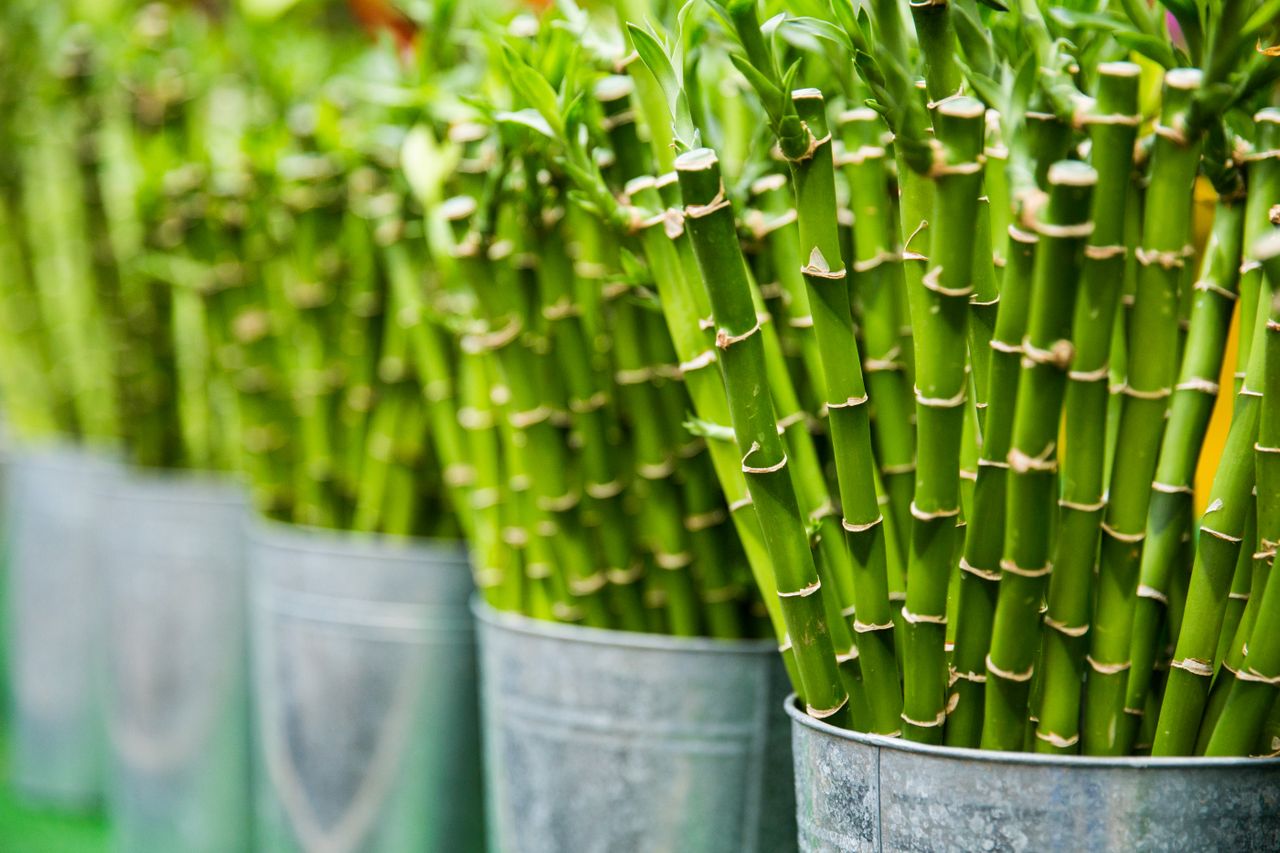
Feng Shui Plants: How to Bring Positive Energy into Your Home
Feng shui plants are an easy-to-care way to encourage positive energy, harmony and balance in living spaces. Feng shui is an ancient Chinese practice focused on the energy of your home and how objects and space influence fortune and wealth. According to feng shui, plants in your home can attract wealth, bring peace and prosperity, and reduce negative energy.
Why Use Plants in Feng Shui?
Plants represent life, growth, and renewal. Used in feng shui, house plants and hanging plants activate the wood element—supporting wealth and prosperity when placed in the right area. Many indoor and outdoor plants also act as air purifiers that clean the air, helping remove benzene and formaldehyde and reducing stress and anxiety in a peaceful home.
Best Feng Shui Plants and Features
- Pothos plants: A choice for office or home, pothos are forgiving, thrive in indirect sunlight (see our complete guide to growing pothos), and are known to bring positive energy.
- Plants with rounded leaves: Rounded leaves symbolize gentler chi and are ideal for harmony and balance.
- Plants with white flowers: White flowers can bring peace and prosperity and calm the energy of a room.
- Hanging plants: Great for nurturing energy in corners and underused areas, especially where floor space is limited.
- Easy to care houseplant options: Choose low-maintenance species if you have limited light or time, and keep the soil moist as appropriate for the species.
Placement Tips According to Feng Shui Principles
Feng shui experts say placement matters more than having many plants. For attracting wealth and prosperity, place healthy green plants in the southeast sector of your home or office. To encourage peaceful energy, place plants with rounded leaves in living spaces where family gathers. Avoid thorny or spiky plants near seating or sleeping areas to prevent negative energy.
Light, Water, and Care
Consider the amount of light when choosing a plant: some need direct sunlight, while others prefer indirect sunlight. Keep the soil moist for species that require it, and choose plants that suit indoor conditions. Check out our indoor houseplant care guide to learn more about balancing light and water requirements. Regularly clean leaves to remove dust so plants can clean the air effectively.
Choosing a Plant
When choosing a plant, consider the elements of feng shui, indoor and outdoor placement, and the role it will play in your home environment. Ask whether you want to attract wealth, bring positive energy, or create a peaceful home. Plants that attract wealth often have rounded, coin-shaped leaves and vibrant growth.
Common Benefits
- Bring positive energy and reduce negative energy.
- Attract wealth and good fortune when placed according to feng shui principles.
- Act as natural air purifiers to clean the air —explore our list of the top air-purifying houseplants to remove toxins like benzene and formaldehyde.
- Reduce stress and anxiety and promote a peaceful home environment.
Quick Feng Shui Checklist
- Choose healthy house plants or hanging plants with rounded leaves.
- Place wealth-related plants in the southeast sector.
- Avoid thorny species near beds or sofas.
- Match plant light needs to direct sunlight or indirect sunlight availability.
- Keep soil moist when required and clean leaves regularly.
Feng shui plants are more than decoration; they are tools for encouraging positive energy and balancing the energy of your home. Whether you pick pothos plants for their resilience or select flowering varieties for added peace, thoughtful placement and care will help bring good fortune and harmony and balance to your home and office.
Placing and Caring for Plants to Enhance Chi
Feng shui plants are more than decoration: they are living remedies that help balance energy, invite prosperity, improve health and strengthen relationships. This comprehensive guide covers the best plants for feng shui, the principles behind plant selection and placement, care tips to keep chi vibrant, common mistakes to avoid, plant pairings, and how to use plants for each bagua area. It also includes related terms and concepts often missing from shorter guides, such as elemental correspondences, symbolism, ritual maintenance, and technical plant care details.
Why use plants in feng shui?
Plants are natural conduits of life force (chi). In feng shui systems—both Form School and Compass School—they represent growth, vitality and the wood element that activates movement and progress. Plants can soften harsh corners, purify air, add vitality to stagnant rooms, and serve as symbolic remedies: a money plant for prosperity, a peace lily for harmony, or a citrus tree for abundance.
Core feng shui terms and concepts
- Chi (Qi): The vital life force or energy that feng shui seeks to balance and direct.
- Bagua: The energy map divided into nine areas—wealth, fame, love, family, health, creativity, knowledge, career and helpful people—each corresponding to life aspects and directions.
- Five Elements: Wood, Fire, Earth, Metal, Water. In traditional feng shui principles, plants primarily represent the wood element, driving vital growth and movement.
- Yin and Yang: Complementary forces; plants often introduce yang (activity, growth) but can be chosen to balance yin spaces.
- Form School: Feng shui approach focused on shapes, landscape and interior forms that affect energy flow.
- Compass School (BTB, Flying Stars): Uses compass directions and yearly/monthly stars to place cures and enhancements.
Best feng shui plants and what they symbolize
The following list includes popular plants for feng shui, their symbolism, elemental quality, direction recommendations, and basic care notes.
- Lucky Bamboo (Dracaena sanderiana) — Symbol: flexibility, growth. Element: Wood. Directions: Southeast (wealth), East (family). Care: Indirect light, keep roots in water or well-draining soil, change water weekly if grown hydroponically.
- Money Tree (Pachira aquatica) — Symbol: prosperity and financial luck. Element: Wood/Earth hybrid when in ceramic pot. Directions: Southeast. Care: Bright indirect light, moderate watering, avoid drafts.
- Jade Plant (Crassula ovata) — Symbol: wealth and stability. Element: Earth (succulent), with metal if pot is metallic. Directions: Southeast or South (fame). Care: Bright light, infrequent watering, well-draining soil.
- Snake Plant (Sansevieria/Dracaena trifasciata) — Symbol: protection and resilience. Element: Earth/Wood depending on pot. Directions: Near entrance for protection, North for career if paired with water element. Care: Tolerates low light, minimal watering, good for bedrooms when paired with other plants to manage night CO2 concerns.
- Peace Lily (Spathiphyllum care guide)— Symbol: peace, purification, relationship harmony. Element: Wood/Water. Directions: Living room center, bedroom for calm energy, East or Southeast. Care: Low to medium light, keep soil moist but not waterlogged.
- Pothos / Devil’s Ivy (Epipremnum aureum) — Symbol: growth, ease of prosperity. Element: Wood. Directions: Southeast (wealth), halls and stairways. Care: Adaptable to low light, keep soil slightly moist.
- Orchid (Phalaenopsis and others) — Symbol: beauty, fertility, romance, refinement. Element: Wood/Water. Directions: Southwest (love), East. Care: Bright indirect light, moderate humidity, specialized potting mix.
- Aloe Vera — Symbol: healing and protection. Element: Earth. Directions: Near kitchen or medicine cabinet area, southeast for abundance if placed with other auspicious items. Care: Bright light, infrequent watering, well-draining soil.
- Rubber Plant (Ficus elastica) — Symbol: wealth and abundance; strong, glossy leaves represent vitality. Element: Wood/Earth. Directions: Southeast or entrance. Care: Bright indirect light, keep soil evenly moist but not soggy.
- ZZ Plant (Zamioculcas zamiifolia) — Symbol: endurance and long-lasting success. Element: Wood. Directions: Office areas, corners lacking energy. Care: Low light tolerant, drought-resistant.
- Bonsai (various species) — Symbol: harmony, patience, controlled growth. Element: Wood/Earth. Directions: Meditation corner, knowledge area. Care: Species-specific; generally needs careful watering and pruning.
- Citrus Trees (dwarf lemon, orange) — Symbol: abundance, happiness, good luck; fruiting symbolises fruitfulness. Element: Wood/Metal (fruit as metal/earth). Directions: Southeast for wealth or East for family. Care: Bright light, regular watering, good drainage.
- Chrysanthemum — Symbol: longevity, joy. Element: Wood. Directions: Living room, family area. Care: Bright light, cool conditions, deadhead spent blooms.
- Herbs (Basil, Rosemary, Mint) — Symbol: vitality, cleanliness, culinary abundance. Element: Wood/Fire when used in cooking. Directions: Kitchen, near stove (but not on it). Care: Lots of light, regular trimming to encourage growth.
Five elements, colors and pot materials
To use plants to balance elements, consider the plant type, pot color and material:
- Wood element — represented by plants themselves. Choose green, tall, upright plants. Pot colors: brown, green.
- Fire element — use plants with red, orange or purple flowers or red pots. Good for fame area (South).
- Earth element — use terra cotta or ceramic pots in yellow, beige or earth tones. Succulents and cacti can also bring earth energy but use cacti sparingly in interiors.
- Metal element — metallic pots, white or gray colors. Use small, round-leaved plants or plants in decorative metal containers to enhance metal energy.
- Water element — place plants near water features or in blue/black containers to combine wood generating water or water supporting wood depending on desired effect.
Placing plants by bagua area
Use the bagua map to align plants with life areas. Walk the perimeter of a room or overlay the bagua on your floor plan with the wealth area typically in the southeast (traditional feng shui) and the career area in the north.
- Wealth & Abundance (Southeast) — Money tree, jade plant, lucky bamboo. Use lush, vigorous plants but avoid plants with thorns.
- Fame & Reputation (South) — Plants with red flowers or red pots; orchids, kalanchoe, anthurium.
- Love & Relationships (Southwest) — Pairs of flowering plants or two matching pots; orchids or peonies for romance; avoid overly spiky plants.
- Family & Health (East) — Tall, healthy plants like rubber plant or peace lily; use wooden pots for stronger wood energy.
- Children & Creativity (West) — Low-growing blooming plants; succulents, chrysanthemums; metal pots can help activate the west.
- Knowledge & Self-Cultivation (Northeast) — Small potted plants or bonsai to support study and introspection.
- Career (North) — Use water-compatible combinations or plants near water features; snake plant at entrance for protection; plants that unobtrusively support calm focus.
- Helpful People & Travel (Northwest) — Large plants near entrance; plants in metallic planters to attract helpful mentors.
- Center (Health) — Healthy, low-maintenance plants like spider plant or peace lily to stabilize the core chi.
Plants for specific rooms
Choose plants for rooms based on light, humidity, and desired feng shui effect:
- Living Room — Use welcoming, lush plants: rubber plant, pothos, money tree. Place in corners to soften edges and encourage vibrant social chi.
- Bedroom — Use calming, non-allergenic plants: peace lily, orchid, small palms. Avoid too many vigorous plants; consider air-purifying types and avoid thorny or spiky species.
- Kitchen — Aloe vera, herbs, small citrus for abundance. Keep plants off direct stove heat and maintain cleanliness.
- Bathroom — Ferns, spider plant, pothos for humidity-loving species. Use bright pots to counteract damp chi if needed.
- Home Office — ZZ plant, snake plant, jade plant for resilience and prosperity. Position near desk but not blocking light.
- Entryway — A strong, tidy plant like a fiddle leaf fig or snake plant to attract protective, inviting energy into the home. Keep the area uncluttered.
Plant health, ritual maintenance and keeping chi alive
Feng shui places as much importance on plant health as on plant selection. A wilting or dusty plant creates stagnant chi rather than good energy. Maintain your plants with these routines:
- Regular watering and correct drainage—root rot from overwatering is a common problem; use pots with drainage holes and appropriate potting mix.
- Light management—match species light needs to location: full sun, bright indirect, low light, or shade.
- Cleaning—wipe leaves to remove dust; mist or give showers for humidity-loving plants; trim dead leaves and spent flowers to keep energy fresh.
- Repotting—refresh soil and move to a larger pot when roots bind; replace old soil to keep nutrients available.
- Fertilizing—use a balanced, slow-release or liquid fertilizer during the growing season but avoid overfertilizing which can stress plants.
- Pest control—inspect regularly for aphids, mealybugs, spider mites. Use organic treatments like neem oil when possible to avoid toxic chemicals indoors.
- Intentional care—water with mindful intention, speak kindly, and visualize healthy growth as part of the feng shui practice to cultivate positive chi.
Common mistakes and plants to avoid
Misplaced or neglected plants can harm feng shui energy. Avoid these pitfalls:
- Thorny and spiky plants (many cacti, agave) in areas where you want harmonious relationships—these introduce cutting energy.
- Dead, dying or moldy plants—remove or rehabilitate immediately as they represent stagnation.
- Overcrowding—too many plants can clutter a space and cause stagnant chi; balance is key.
- Large plants blocking natural pathways or doors—obstructed flow reduces opportunity and movement of chi.
- Poorly matched element—putting a plant that creates counterproductive energy for a bagua area (for example, large water features without supporting elements in the wealth area) can unbalance intentions.
- Using household toxic pesticides indiscriminately—these create harmful chemical energy indoors.
Plant pairings and arrangements
Feng shui often recommends pairings to strengthen intentions. Examples:
- Wealth corner: a money tree plus a jade plant in complementary pots; add a small bowl of coins or a water feature nearby for added activation when using compass-based feng shui.
- Relationship area: two orchids or identical planters side by side to symbolize partnership; keep blooms healthy and renewed.
- Career area: a single tall plant like a snake plant or dracaena to symbolize steady upward growth; pair with water or blue décor.
- Center of home: a balanced, healthy plant such as a peace lily or spider plant to stabilize core energy.
Seasonal care and seasonal feng shui adjustments
Seasons affect plant care and feng shui activations:
- Spring — time for new growth: prune, repot, fertilize, and plant new symbolic species to invite fresh opportunities.
- Summer — monitor watering and pests more frequently; blooms can be showcased in wealth or fame areas.
- Autumn — reduce feeding and prepare plants for lower light; transition flowering displays and preserve leaves cleanly.
- Winter — watch for low light stress; move sensitive plants to brighter windows, reduce watering frequency, and keep humidity at healthy levels.
Using plants with other feng shui cures
Plants work well with crystals, water features, mirrors, wind chimes and lighting. Some effective combinations:
- Place plants with a small tabletop fountain in the wealth area to combine wood (plant) generating fire/water dynamics depending on setup; ensure the water is clean and flowing.
- Pair plants with green or wooden artwork to amplify wood energy.
- Use a metal pot with a small succulent in the west or northwest to combine metal and wood cautiously—metal can control wood; use sparingly and intentionally.
- Light—place accent lighting above a plant in the fame area to spotlight success energy.
Allergies, pets and safety
When selecting plants, account for household allergies and pets. Many popular feng shui plants (peace lily, philodendron, pothos) are toxic to pets if ingested. Consider these pet-safe alternatives:
- Spider plant (Chlorophytum comosum) — pet-safe, air-purifying.
- Bamboo palm (Chamaedorea seifrizii) — pet-safe and elegant.
- Moth orchid (Phalaenopsis) — generally considered non-toxic to pets.
Always verify toxicology details for specific species relative to your pets.
Commercial and office feng shui plants
In workplaces, plants can boost productivity, reduce stress and improve air quality. Consider these options:
- Potted ficus or rubber plant for reception areas to signal company stability.
- Desk plants like succulents, small pothos and ZZ plants for low-maintenance greenery.
- Vertical gardens or living walls in lobbies for powerful first-impression chi.
- Care and maintenance plan—employ a schedule or professional plant service to ensure healthy plants in business settings.
Buying, gifting and etiquette
When gifting plants for feng shui purposes, follow etiquette:
- Choose auspicious species like lucky bamboo, money tree or orchids.
- Avoid giving plants with thorns or black flowers for celebratory occasions.
- When giving potted plants as gifts, wrap with bright paper or ribbon and include care instructions.
- For corporate gifts, include a card explaining the symbolism and a small tray to catch water.
FAQ: Frequently asked questions
Can I have plants in the bedroom?
Yes—choose calming, air-purifying, low-allergen plants. Avoid overly vigorous climbers that create restless energy. If you are concerned about nighttime CO2 release from plants, select species that are known to oxygenate at night (e.g., certain succulents like aloe) or keep plants out of direct breathing zone.
How many plants are too many?
There’s no magic number. The guideline is balance: enough plants to introduce vibrancy but not so many that they clutter pathways, create maintenance burden or produce stagnant areas. Aim for healthy, well-spaced arrangements.
Do fake plants work in feng shui?
Artificial plants can provide visual benefits but lack living chi. If used, keep them immaculate and replace them if faded or dusty. Real plants are preferred for genuine life energy.
Is it bad to have cactus indoors?
Cacti have sharp, protective energy and are usually not recommended in relationship areas or places where you want open, gentle chi. They can work in exterior gardens for protection or in specific repellent contexts but use carefully indoors.
How do I revive a dying plant?
Assess light, water, soil, pests and temperature. Remove dead parts, repot with fresh soil if rootbound, adjust watering schedule, and isolate for pest treatment. Practice patience; gradual recovery is common.
Advanced feng shui plant tips and missing terms
To deepen practice, consider these advanced ideas and often-missing terms:
- Dynamic cures—rotate or reposition plants seasonally to align with changing flying star energies (annual and monthly stars).
- Qi Pathways—use plants to open or guide chi through corridors and stairways; avoid obstructing doors.
- Symbolic pruning—shape plants intentionally (rounded forms for friendliness, upward forms for career ascent) while respecting plant health.
- Microclimates—measure humidity and light at specific locations with sensors to choose species that will thrive; consider grow lights where natural light is insufficient.
- Evocative staging—arrange plants with symbolic objects (coins, crystals, art) to strengthen intention; avoid cluttering with too many different symbols.
- Root health monitoring—use finger test or moisture meters to prevent over/underwatering and maintain steady chi.
- Biophilic design—integrate plants into architecture for sustained health benefits and improved indoor environmental quality.
- Air purification index—choose plants with proven air-cleaning abilities for spaces with poor ventilation (e.g., spider plant, peace lily, snake plant) but do not rely solely on plants to control indoor air quality.
Conclusion
Feng shui plants are powerful tools for cultivating balanced, nourishing energy in your home and workspace. The right species, healthy maintenance, mindful placement and awareness of elemental relationships will amplify beneficial chi. Start with a few well-chosen plants—money tree in the southeast, a peace lily in the center, a snake plant near the entry—and maintain them with attentive care. As you build confidence, integrate advanced techniques like seasonal rotations, pairings and careful element mixes to fine-tune energy flow. Plants reward patience: vibrant foliage and flourishing blooms are visible reminders that your space supports growth, prosperity and well-being.
Further reading suggestions: explore classic feng shui texts on the bagua and flying stars, horticulture resources for plant-specific care, and studies on indoor biophilia and air quality to create a consistent, science-informed and energetically balanced living environment.