
Jade Plant: Complete Guide to Care, Propagation, Problems, and Varieties
Tags: crassula ovata, indoor plants, jade plant, jade plant benefits, jade plant care, jade plant light requirements, jade plant propagation, jade plant watering, lucky plant, succulent care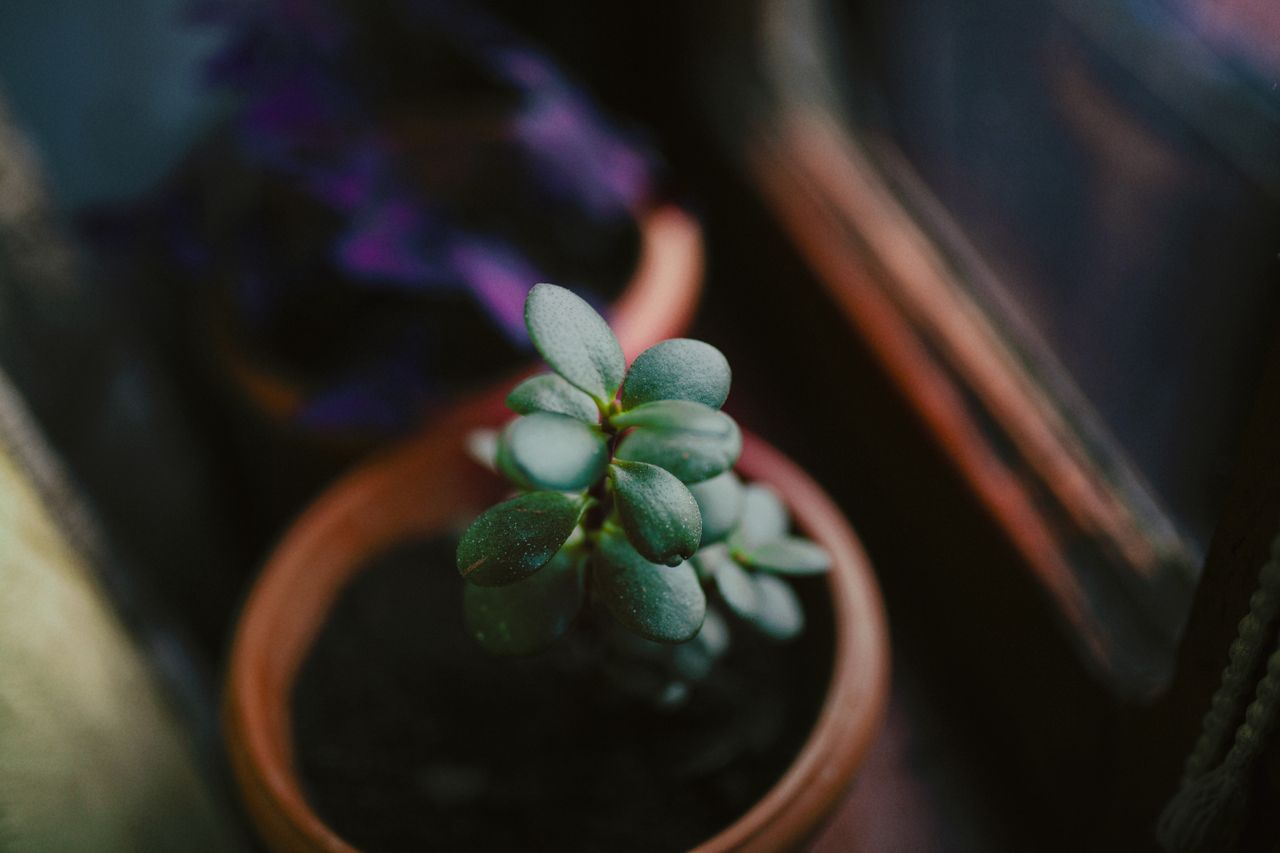
The jade plant (Crassula ovata), also known as the money plant, is a popular succulent Valued for its thick trunk, fleshy leaves, and remarkable durability, the jade plant is widely considered one of the best low-maintenance indoor plants for beginners and busy growers. This comprehensive guide covers everything you need: light, water, soil, fertilizing, pruning, repotting, propagation, troubleshooting common problems, and frequently asked questions — all optimized for the keyword “jade plant”.
Overview and Key Characteristics
What is a jade plant?
The jade plant (Crassula ovata) is a woody succulent native to South Africa and Mozambique. It forms a tree-like structure over years with thick, glossy, oval leaves and can develop a trunk that resembles bonsai. It belongs to the Crassulaceae family and is prized as an indoor ornamental.
Common names and symbolism
Also called money tree, friendship tree, and lucky plant, jade plants are associated with prosperity and good fortune in many cultures. They are often gifted for business openings and housewarmings.
Appearance and growth habit
Jade plants have succulent leaves that store water, round stems that thicken with age, and sometimes produce small white or pink star-shaped flowers in late winter or spring when conditions are right. Mature specimens can reach a few feet tall indoors and larger outdoors in frost-free climates.
Light Requirements
Ideal light levels
Jade plants prefer bright light and will thrive in a sunny south- or west-facing window. They need at least 4–6 hours of direct or strong indirect sunlight daily for compact growth and leaf coloration.
Signs of inadequate light
If your jade plant doesn’t get enough light, it may become leggy, with elongated stems and widely spaced leaves. Leaves can lose their rich green or red-tinged edges and become pale.
Adjusting light for indoor placement
Rotate the pot periodically so all sides receive light. If natural light is insufficient, supplement with grow lights (full spectrum LED) positioned a foot or two above the plant for 10–12 hours/day to mimic bright daylight.
Watering and Humidity
Watering schedule
Water jade plants sparingly. Use the soak-and-dry method: water thoroughly until excess drains, then allow the top 1–2 inches of soil to dry before watering again. Frequency varies by season, typically every 2–4 weeks indoors. To master proper watering depth and timing for all your greenery, check out our guide on how to water outdoor plants correctly.
Seasonal differences
In active growth (spring and summer) water more often but still allow drying between waterings. In fall and winter, reduce watering significantly because the plant rests and uses less moisture.
Signs of overwatering and underwatering
Overwatering causes soft, translucent, or mushy leaves, stem rot, and yellowing. Underwatering causes wrinkled, shriveled leaves and leaf drop. Adjust water based on soil moisture and plant appearance.
Soil, Potting, and Drainage
Best soil mix
Use a fast-draining succulent or cactus mix. A blend of potting soil, coarse sand, and perlite or pumice in equal parts works well. Avoid heavy soils that retain moisture.
Choosing the right pot
Select a pot with drainage holes. Terra cotta pots accelerate drying and help prevent overwatering; plastic pots retain moisture longer. Match pot size to plant: slightly larger than the root ball to avoid excess soil moisture.
Repotting frequency and signs it’s needed
Repot every 2–4 years to refresh soil and provide room for growth. Signs you need to repot: roots growing out of drainage holes, severely compacted soil, or the plant becoming top-heavy and unstable.
Temperature and Humidity
Optimal temperature range
Jade plants prefer daytime temperatures between 65–75°F (18–24°C) and slightly cooler nights down to 50–55°F (10–13°C). They tolerate occasional higher temperatures but cannot survive prolonged frost.
Humidity considerations
They prefer low to average household humidity. High humidity and poor ventilation increase the risk of fungal issues and rot.
Fertilizing
When and what to feed
Fertilize lightly during the growing season (spring and summer) about once a month with a balanced, diluted (half-strength) fertilizer formulated for succulents or houseplants. Avoid feeding in fall and winter.
Signs of nutrient deficiencies or overfeeding
Slow growth and pale leaves may indicate a lack of nutrients. Overfeeding causes excessive, leggy growth and can damage roots; flush soil with water and reduce fertilizer frequency if overfertilized.
Pruning and Shaping
Why prune a jade plant?
Pruning controls size, encourages branching for a fuller form, removes dead or diseased wood, and shapes the plant. It also helps create bonsai-like specimens.
How to prune properly
Use clean, sharp shears. Cut just above a leaf node and let cuttings callus for a few days before rooting. Avoid removing more than one-third of the plant at a time to reduce stress.
Training and bonsai techniques
Combine pruning with selective wiring and pot size control for bonsai-style jade plants. Reduce root size during repotting and pot in shallow containers to maintain proportion.
Propagation
Propagation methods
Jade plants are easily propagated from leaf cuttings, stem cuttings, or by division.
Leaf cuttings
Gently twist off a healthy leaf, allow it to callus for 2–7 days, then place it on top of well-draining soil. Mist occasionally until roots and tiny plantlets form, then water sparingly.
Stem cuttings
Cut a 2–4 inch stem, let it callus for several days, then plant in dry, well-draining soil. Keep in bright indirect light and water lightly when roots establish.
Division and air layering
Division is less common but possible when repotting large plants; separate rooted offsets. Air layering can be used to encourage trunk or branch rooting for bonsai-style shaping.
Common Pests and Diseases
Pests
- Mealybugs: white cottony clusters on leaves and stems; treat with alcohol swabs or insecticidal soap.
- Spider mites: fine webbing, stippled leaves; increase humidity and use miticide or insecticidal soap.
- Aphids: clustering on new growth; wash off with water or use insecticidal soap.
- Scale insects: brown or tan shell-like bumps; remove manually and treat with horticultural oil.
Diseases
- Root rot: from overwatering and poor drainage; remove affected roots, repot in fresh dry soil, and reduce watering.
- Leaf spot and fungal issues: caused by high humidity and poor airflow; improve ventilation and avoid wetting foliage.
Common Problems and Solutions
Leaves falling off
Causes: overwatering, underwatering, sudden temperature change, or physical shock. Check soil moisture, inspect roots for rot, and adjust watering and environment.
Leaves turning yellow
Often a sign of overwatering or poor drainage. Move to drier soil and reduce watering frequency.
Leggy growth or stretching
Insufficient light causes etiolation. Move to brighter light or provide supplemental grow lights.
Brown, crispy leaf edges
Usually from underwatering, low humidity, or sunburn. Adjust watering, avoid harsh midday sun, and acclimate plants to brighter light gradually.
Red or bronze leaf margins
Often normal response to bright light and mild stress; can enhance plant appearance. If excessive, check for sunburn or drought stress.
Varieties and Cultivars
Popular jade plant varieties
- Crassula ovata ‘Hummel’s Sunset’ — variegated leaves with yellow and pink margins.
- Crassula ovata ‘Tricolor’ — cream, green, and pink variegation.
- Crassula ovata ‘Gollum’ — tubular, trumpet-shaped leaves.
- Crassula ovata ‘Hobbit’ — curled tubular leaves with red edges.
- Crassula arborescens — similar species with slightly different leaves and cold tolerance.
Choosing a variety
Pick a cultivar based on leaf shape, variegation, growth habit, and light tolerance. Variegated varieties often need more light to maintain color.
Landscape and Indoor Uses
Indoor décor and placement
Jade plants are excellent for windowsills, bright shelves, and as focal points in succulent arrangements. Their drought tolerance and sculptural form make them ideal for low-maintenance indoor greenery.
Outdoor planting
In frost-free climates (USDA hardiness zones 11–12) jade plants can be grown outdoors in full sun to partial shade. Protect from heavy rain and cold snaps.
Special Topics
Flowering jade plants
Flowering is more likely when plants experience a cooler, drier dormant period in winter and are given bright light. Small clusters of star-shaped white or pink flowers appear on mature plants.
Toxicity
Jade plants are mildly toxic to pets (cats and dogs) and can cause gastrointestinal upset if ingested. Keep plants out of reach of curious pets and children, or browse our curated list of pet-safe indoor plants for non-toxic houseplant alternatives.
Longevity and heirloom care
Jade plants can live for decades with proper care and can be passed down as heirloom specimens. Consistent light, controlled watering, and occasional pruning will keep them healthy for many years.
Frequently Asked Questions (FAQ)
How often should I water my jade plant?
Water thoroughly, then let soil dry out 1–2 inches before watering again. Typically every 2–4 weeks depending on season, pot size, and home conditions.
Can jade plants survive low light?
They tolerate lower light but will become leggy and lose vibrant coloration. Bright light is best for compact, healthy growth.
How do I get my jade plant to branch?
Prune tips to encourage branching. Make cuts above a node and provide bright light and moderate fertilization in spring and summer.
Is it OK to leave my jade plant outside in summer?
Yes, if temperatures are above 50°F (10°C) and you gradually acclimate it to outdoor sun to prevent sunburn. Bring it inside before cool nights or frost.
Why are my jade plant leaves wrinkled?
Wrinkling indicates dehydration (underwatering) or sometimes extreme cold damage. Check soil moisture and environmental conditions.
Practical Tips: Keep Your Jade Healthy
- Plant when the top layer of soil is dry to the touch.
- Use a succulent potting mix with perlite for proper drainage.
- Avoid overwatering; let the soil dry out between waterings.
- Place in bright light; partial direct sun yields the best leaf color.
- Watch for pests such as mealybug and spider mites; treat early.
- Repot if roots crowd the pot or soil quality declines.
Quick Care Summary
- Light: Bright light, several hours of direct sun preferred.
- Water: Soak and dry method; infrequent watering.
- Soil: Fast-draining succulent mix.
- Temperature: 65–75°F (18–24°C) daytime; protect from frost.
- Fertilizer: Light feeding in spring/summer at half strength.
- Propagation: Easy from leaf or stem cuttings.
Conclusion
The jade plant is an adaptable, attractive succulent that rewards proper light, well-draining soil, and conservative watering with years of reliable growth. Whether you’re a beginner or an experienced grower, understanding the jade plant’s preferences will help you cultivate a healthy, long-lived specimen that can serve as a decorative focal point or a cherished heirloom.