
Calla Lily: Complete Guide to Meaning, Symbolism, Colors & Plant Care
Tags: calla lily, calla lily colors, calla lily fertilizer, calla lily flower, calla lily meaning, calla lily plant, calla lily symbolism, pink calla lily meaning, purple calla lily meaning, red calla lily meaning, white calla lily meaning, yellow calla lily meaning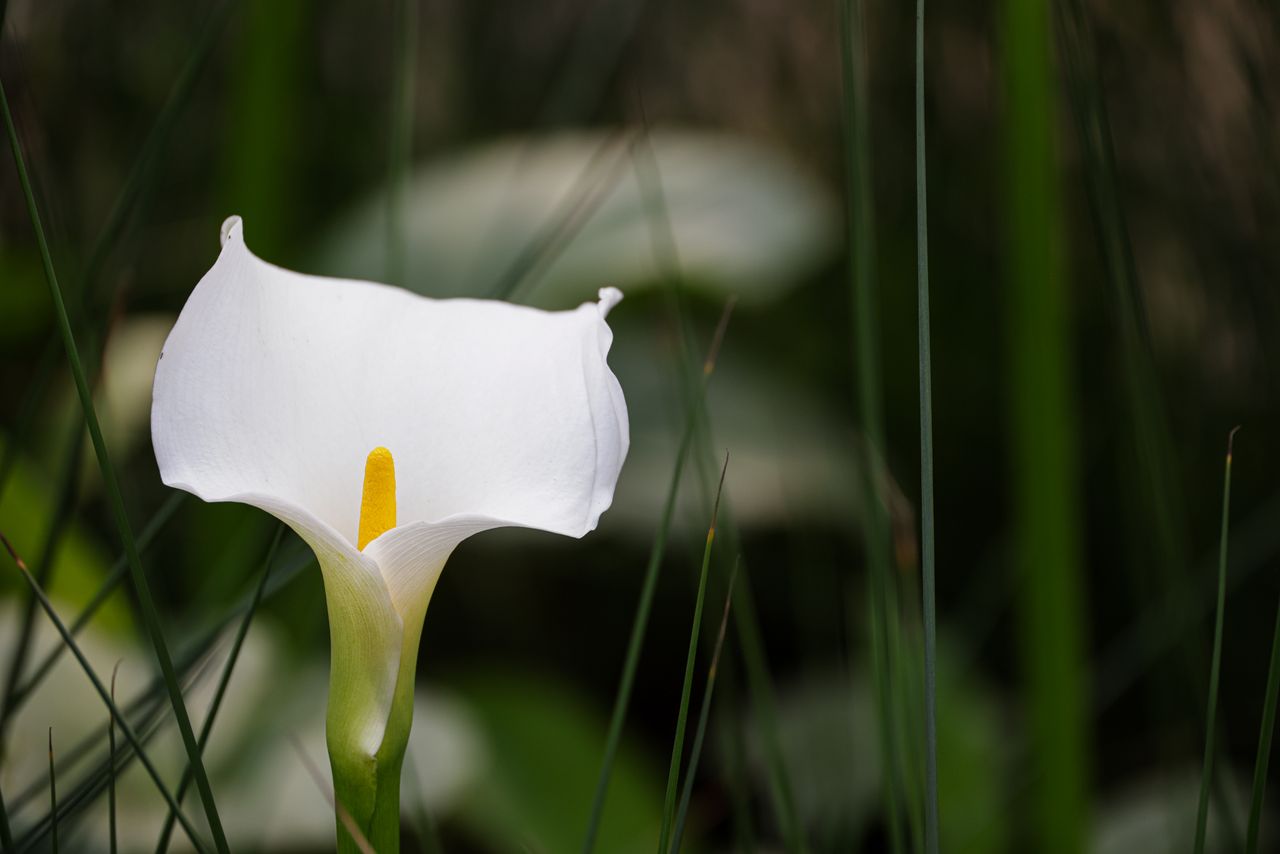
Few flowers carry as much cultural weight as the calla lily. It has graced the canvases of Georgia O’Keeffe, the bridal bouquets of Grace Kelly and Princess Diana, the altars of churches across America, the graveside arrangements of mourners, and the centerpieces of weddings from California to Connecticut. Its sleek, trumpet-shaped form — a single smooth sweep of color curling into a pointed tip — is one of the most immediately recognizable silhouettes in the entire floral world.
And yet most people don’t know what a calla lily actually is. Not just culturally — botanically. The answer is surprising.
This guide covers everything: the fascinating botanical truth behind the “flower,” the mythology that gave it meaning, the complete color symbolism guide (including colors most guides miss), the care system for growing it as a houseplant, the fertilizer schedule that produces the best blooms, and the vase care tips that make cut calla lilies last as long as possible.
Table of Contents
- What Is a Calla Lily? The Botanical Truth Nobody Tells You
- The Naming Double Confusion: Not a Calla, Not a Lily
- Two Distinct Types: Why This Changes How You Care for Them
- Calla Lily History & Cultural Significance
- Calla Lily Mythology: Juno, Zeus & the Milky Way
- Georgia O’Keeffe & the Calla Lily’s American Cultural Identity
- Calla Lily Symbolism: What the Flower Represents
- Calla Lily Colors: Complete Meaning Guide
- Calla Lily Gifting Guide: Which Color for Which Occasion
- Calla Lily Plant Care: Complete Indoor Growing Guide
- Light Requirements
- Watering: The Critical Difference Between White & Colored Varieties
- Calla Lily Fertilizer: The Complete Schedule
- Soil, Pots & Drainage
- Temperature & Humidity
- The Dormancy Cycle: How to Get Your Calla Lily to Rebloom
- Outdoor Growing Guide by US Zone
- Cut Calla Lily Vase Care
- Common Calla Lily Problems & Solutions
- Are Calla Lilies Toxic to Cats & Dogs?
- Frequently Asked Questions
1. What Is a Calla Lily? The Botanical Truth Nobody Tells You
Here is the fact that will permanently change how you look at calla lilies: the large, colored, trumpet-shaped structure you think of as the “flower” is not the flower at all.
The Spathe and the Spadix
What appears to be a single elegant petal is actually a spathe — a modified leaf (a type of bract) that wraps around the plant’s true flowering structure. The true flowers are tiny and numerous, arranged along the finger-like spike rising from the center of the spathe. That spike is called the spadix.
If you’ve looked closely at a calla lily and noticed the yellow or cream-colored protrusion in the center of the “funnel” — that is the spadix, and the tiny structures along its surface are the actual flowers. The spathe’s role is to attract pollinators and protect the reproductive structures — a function it performs through its size, color, and form rather than being a flower itself.
This same spathe-and-spadix structure appears in other members of the Araceae family — including peace lilies (Spathiphyllum), anthuriums, and jack-in-the-pulpit. If you’ve ever seen these plants, you’ll recognize the visual kinship immediately.
Family & Genus
Calla lilies belong to the family Araceae (the aroid family) and the genus Zantedeschia. They are native primarily to southern Africa — with Zantedeschia aethiopica (the white calla lily) native to southern Africa including South Africa, Lesotho, and Eswatini, growing naturally in marshy areas, stream banks, and moist coastal regions.
2. The Naming Double Confusion: Not a Calla, Not a Lily
The name “calla lily” is botanically wrong in two separate ways — and the story of how it got its name is genuinely interesting.
Not a Lily
True lilies belong to the genus Lilium in the family Liliaceae. Calla lilies are members of Zantedeschia in the family Araceae — a completely different plant family. The confusion between calla lilies and true lilies is significant beyond taxonomy: true lilies are severely toxic to cats (causing acute kidney failure), while calla lilies, while still toxic, are in a different toxicity category entirely.
Not a “Calla”
When Swedish botanist Carl Linnaeus originally classified the plant, he placed it in the genus Calla. Later botanical work revealed that the single remaining true Calla species (Calla palustris — water arum) was sufficiently different that the South African plants deserved their own genus.
In 1826, German botanist Kurt Sprengel formally separated the South African plants into their own genus, naming it Zantedeschia — in honour of Italian botanist Giovanni Zantedeschi (1773–1846). So the plant was renamed, but by then “calla lily” had been in common use long enough that the popular name stuck despite being technically inaccurate twice over.
The species name aethiopica — meaning “of Ethiopia” — reflects a common historical geographic error, as early European botanists often used “Ethiopia” or “Aethiopia” loosely to refer to all of sub-Saharan Africa.
3. Two Distinct Types: Why This Changes How You Care for Them
This is one of the most important distinctions in calla lily care — and one that virtually no care guide addresses clearly:
There are two fundamentally different groups of calla lily plants, and they have different care requirements — particularly around watering.
Type 1: Zantedeschia aethiopica — Common White Calla Lily
The original, most widely known species. Produces the large, classic white spathe with yellow spadix. In its native South African habitat, it grows in semi-aquatic conditions — marshy wetlands, stream banks, seasonally flooded areas. It is significantly more tolerant of moisture than other Zantedeschia species and can even grow with its roots in standing water.
Key care difference: Z. aethiopica prefers consistently moist to occasionally wet soil. It tolerates — and in outdoor settings actually thrives — with more water than most houseplants receive. Its dormancy period typically occurs in summer (when conditions dry out in its native range), meaning it often continues growing through winter indoors.
Type 2: Zantedeschia Hybrids — Colored Miniature Calla Lilies
All the colored calla lilies (pink, yellow, purple, red, orange, black) are hybrids, primarily derived from crosses between Z. aethiopica and Z. rehmannii (a smaller, moisture-sensitive pink-flowered species from South Africa) plus other Zantedeschia species.
These hybrid varieties are significantly more drought-tolerant and moisture-sensitive than Z. aethiopica. Their Z. rehmannii heritage means they prefer soil that dries out between waterings and are much more prone to rhizome rot in consistently moist conditions.
Key care difference: Hybrid colored callas prefer to dry out partially between waterings. Treating them like the white Z. aethiopica (consistently moist) frequently causes rhizome rot.
How to tell which type you have: If your calla lily has a large white flower and you’re growing it outdoors or in a large pot, it’s likely Z. aethiopica. If it has a colored (yellow, pink, purple, red) flower, or is labeled “miniature calla,” it’s almost certainly a hybrid.
4. Calla Lily History & Cultural Significance
Origins and Introduction to Europe
Calla lilies were first described by European botanists in the late 17th century as Dutch and Portuguese trading ships established contact with southern Africa. Botanical specimens reached European gardens in the early 1700s, where the plant’s dramatic, sculptural form immediately attracted attention among aristocratic gardeners.
By the Victorian era, calla lilies had become established favorites in European formal gardens, conservatories, and floral design. Their use in British royal and aristocratic gardens — and their frequent depiction in Victorian botanical illustration — established the cultural prestige that followed them to America.
Calla Lilies in American Culture
In the United States, the calla lily became particularly associated with Easter celebrations and spring religious observance in the late 19th and early 20th centuries — a connection it retains today. Its white form’s associations with purity, rebirth, and renewal made it a natural symbolic fit for Easter’s themes.
The calla lily became the official flower for 6th wedding anniversaries in American tradition — representing the growth and refinement of a maturing marriage.
5. Calla Lily Mythology: Juno, Zeus & the Milky Way
The most enduring origin myth for the calla lily comes from Greek and Roman mythology — and it’s a story that explains both the flower’s pristine white color and its connection to divine purity. Almost no care guide tells this story, but it’s central to understanding why the calla lily has carried such powerful symbolism for centuries.
The Story
In Roman mythology, Jupiter (Zeus in the Greek version) wanted his infant son Hercules — born to the mortal woman Alcmene — to be granted divine strength and immortality by drinking the milk of the goddess Juno (Hera). Because Juno had not willingly consented to nurse the child, Jupiter arranged for the sleeping infant to be placed at Juno’s breast while she slept.
When Juno woke and realized what was happening, she pushed the infant away. The spurted milk flew across the sky — creating the Milky Way from the drops that fell upward. The drops that fell to earth became the first white calla lilies.
In some versions of the myth, the goddess Venus (Aphrodite), offended by the flower’s perfection and purity, cursed the calla lily by placing the yellow spadix in its center as an element of imperfection — the “blemish” in an otherwise flawlessly pure flower.
This mythology directly explains why:
- White calla lilies are associated with purity and divine beauty
- The yellow spadix is sometimes interpreted symbolically as nature’s reminder that even perfection contains complexity
- The flower appears frequently in religious and ceremonial contexts across Western culture
6. Georgia O’Keeffe & the Calla Lily’s American Cultural Identity
No single artist did more to define the calla lily’s place in American cultural consciousness than Georgia O’Keeffe (1887–1986).
Beginning in 1923 and continuing through the late 1920s, O’Keeffe produced a celebrated series of large-format close-up paintings of calla lilies — magnified to monumental scale, the flowers’ smooth curves, shadows, and interior spaces filling the entire canvas. Works including Calla Lily Turned Away (1923), Two Calla Lilies on Pink (1928), and her many other calla studies became some of the most reproduced and recognized American paintings of the 20th century.
O’Keeffe’s calla lily paintings were enormously commercially successful at the time — she was commissioned to paint calla lilies for advertisements and public works, and the series helped establish her reputation as one of America’s leading modernists. The paintings’ intimacy and abstraction transformed a familiar flower into something simultaneously organic and architectural — qualities the calla lily itself embodies.
The result was a decades-long cultural elevation of the calla lily in American art, design, and culture. The flower became a recurring motif in Art Deco design, architectural ornament, jewelry, and interior decoration throughout the 1920s and 1930s — a craze that was directly traceable to O’Keeffe’s influence.
Today, when an American reaches for a calla lily for a wedding, a gift, or a floral arrangement, they are participating — consciously or not — in a cultural tradition that O’Keeffe significantly shaped a century ago.
7. Calla Lily Symbolism: What the Flower Represents
Core Symbolism
Across cultures and centuries, several symbolic themes appear consistently associated with calla lilies:
Purity and Innocence: The white calla lily’s pristine, unblemished form has made it a universal symbol of spiritual and moral purity across Western religious and secular traditions. The mythology of Juno’s milk directly informs this symbolism.
Rebirth and Resurrection: The calla lily’s seasonal emergence from a dormant rhizome — appearing suddenly from bare ground — made it a natural symbol of rebirth and new life across multiple spiritual traditions. It is one of the most commonly used flowers in Easter celebrations for exactly this reason.
Transition and New Beginnings: The trumpet-like form of the spathe has been interpreted symbolically as an announcement — a herald’s trumpet calling attention to a significant change or beginning. This interpretation underlies its use at both weddings (beginning of a new chapter) and funerals (beginning of a new existence beyond life).
Beauty and Elegance: The calla lily’s sculptural simplicity — achieving maximum visual impact with minimum ornamentation — has made it a symbol of refined beauty and understated elegance. In contemporary design contexts, the calla lily represents a certain modernist ideal of beauty as form rather than decoration.
Cultural & Religious Context
Christian tradition: White calla lilies are associated with the Virgin Mary and the purity of the Divine. They appear frequently in Renaissance and Baroque paintings of the Annunciation, the Resurrection, and the Holy Family. Their Easter association comes directly from Christian symbolism of resurrection.
Wedding symbolism: Calla lilies in bridal contexts symbolize devotion, faithfulness, and the purity of new love. Grace Kelly’s 1956 wedding to Prince Rainier of Monaco featured calla lilies prominently — cementing their status as the ultimate refined bridal flower for American audiences.
Funeral and sympathy symbolism: In Western funeral tradition, white calla lilies represent the peaceful transition of the soul and the hope of resurrection. They are the most commonly used flower at Catholic funerals in the United States.
8. Calla Lily Colors: Complete Meaning Guide
The explosion of colored calla lily varieties — produced through intensive Dutch and Dutch-influenced hybridization programs in the 20th century — dramatically expanded the flower’s symbolic range. Here is the complete color guide including meanings most guides don’t cover.
⬜ White Calla Lily Meaning
Symbolism: Purity, innocence, devotion, new beginnings, spiritual clarity, remembrance.
White is the original, most culturally significant calla lily color. It carries the full weight of the flower’s historical symbolism — the mythology, the religious associations, the bridal tradition, the funeral meaning.
Best for: Weddings, funerals and sympathy, Easter and religious occasions, expressing sincere devotion, minimalist design arrangements, honoring someone.
The white calla lily meaning in different contexts: In a wedding bouquet, white says devotion and new beginning. In a sympathy arrangement, white says peaceful transition and hope. In a home display, white says refined elegance. Context transforms the same flower.
💛 Yellow Calla Lily Meaning
Symbolism: Gratitude, appreciation, new beginnings, optimism, joy, friendship.
Yellow calla lilies carry a lighter, more celebratory energy than their white counterparts. Their brightness signals warmth, positivity, and appreciation — making them genuinely versatile for positive occasions.
Best for: Thank-you gestures, congratulations, get-well gifts, housewarming presents, celebrating achievements, brightening a friend’s day.
The yellow calla lily in interior design: Yellow varieties create warm, energetic accents in contemporary interiors — particularly effective in neutral-toned rooms where the warmth is needed without overwhelming.
🩷 Pink Calla Lily Meaning
Symbolism: Admiration, affection, appreciation, gentle romance, femininity, gratitude.
Pink calla lilies occupy a spectrum from pale blush (softer, more delicate symbolism) to deep rose-pink (warmer, more expressive affection). They communicate warm feeling without the intensity of red.
Best for: Mother’s Day, expressing admiration for a mentor or friend, early-stage romantic gestures, celebrating feminine achievements, birthdays for women who appreciate understated elegance.
The color genetics note: Pink calla lilies derive from Zantedeschia rehmannii — a naturally pink-flowered South African species. The pale pink of many varieties is the most botanically “natural” of the colored calla lilies.
💜 Purple Calla Lily Meaning
Symbolism: Charm, passion, admiration, sophistication, mystery, elegance, royal dignity.
Purple calla lilies have become increasingly prominent in contemporary American floral design — their dramatic color combined with the calla’s sculptural form creates an arrangement of uncommon visual power.
Cultural note: Purple has historically represented royalty and luxury in Western culture, and purple calla lilies carry that legacy — they communicate that the recipient is worthy of something exceptional.
Best for: Expressing deep admiration, romantic gestures for someone who appreciates the dramatic, anniversary gifts, events with a sophisticated aesthetic, sympathy arrangements that want to express dignity rather than just sadness.
❤️ Red Calla Lily Meaning
Symbolism: Passionate love, desire, courage, strength, deep romance.
Red calla lilies are the most romantically intense of the color range — combining the calla lily’s inherent elegance with the passionate urgency traditionally associated with red. The result is a romantic gesture that feels simultaneously bold and refined.
Best for: Expressing deep romantic love, Valentine’s Day, significant anniversaries, passionate declarations.
Red vs white in context: Red calla lilies say “I desire and love you intensely.” White calla lilies say “I am devoted to you completely.” Both are appropriate for romantic occasions — the choice depends on whether the moment calls for passion or devotion.
🟠 Orange Calla Lily Meaning
Symbolism: Enthusiasm, creativity, warmth, confidence, vitality, excitement.
Orange calla lilies are among the most energetic and visually impactful of the color range. Their warmth and brightness make them excellent for celebrations and expressions of enthusiasm.
Best for: Celebrating an achievement or milestone, expressing enthusiasm about someone’s project or endeavor, energetic creative environments, autumn seasonal arrangements.
🪸 Peach/Apricot Calla Lily Meaning
Symbolism: Sincerity, warmth, gratitude, appreciation, gentle affection.
Peach and apricot calla lilies bridge the warmth of orange and the sweetness of pink — creating a tone of genuine, warm appreciation that feels personal without being too intense.
Best for: Thank-you gestures, expressing genuine appreciation to a mentor or colleague, housewarming gifts, celebrating a friend’s success.
🖤 Black / Near-Black Calla Lily Meaning
Symbolism: Mystery, elegance, sophistication, power, the avant-garde.
“Black” calla lilies (technically a very deep burgundy-purple — true black pigment doesn’t exist in the natural plant world) are the most dramatically modern of the color range. Their use in floral design signals a specific aesthetic sensibility — one that values the unconventional and the dramatic.
Best for: Evening events, fashion-forward floral arrangements, expressing sophisticated personal style, modern sympathy arrangements that reject sentimentality.
🔵 Blue Calla Lily: The Truth
There are no naturally blue calla lilies. Blue calla lilies appearing in photographs, social media, and some flower market listings are either:
- Dyed: White calla lilies can be dip-dyed or injected with blue floral dye to produce temporary blue coloration
- Digitally altered: Photographs of white or purple calla lilies with color-shifted editing
If you’re buying “blue calla lilies” for an arrangement, confirm with the florist whether they are naturally colored or dyed. Dyed flowers have a shorter vase life and the dye can fade unevenly. They are not inferior for decorative use — but knowing what you’re buying helps set expectations.
9. Calla Lily Gifting Guide: Which Color for Which Occasion
| Occasion | Best Color | Why |
|---|---|---|
| Wedding | White, cream, blush pink | Purity, devotion, new beginning |
| Funeral / Sympathy | White, pale purple | Peace, dignity, hope |
| Mother’s Day | Pink, peach, white | Admiration, love, devotion |
| Valentine’s Day | Red, deep purple | Passion, desire, romance |
| Anniversary (6th) | Any — traditional anniversary flower | Refinement of lasting love |
| Congratulations | Yellow, orange | Celebration, enthusiasm, joy |
| Thank You | Yellow, peach, pink | Gratitude, appreciation, warmth |
| Housewarming | Any warm color — orange, peach, yellow | Warmth, new beginning |
| Birthday | Recipient’s favorite color | Personal; all colors appropriate |
| Graduation | White, purple | New beginning, achievement, dignity |
| Get Well | Yellow, pink, orange | Optimism, warmth, care |
| Corporate gift | White, purple, near-black | Sophisticated, professional, impactful |
10. Calla Lily Plant Care: Complete Indoor Growing Guide
Growing calla lilies as indoor plants rewards the right conditions with some of the most architecturally striking blooms available from any houseplant. Here’s the complete system.
What You’re Growing From
Calla lilies grow from rhizomes (sometimes called corms in commercial contexts) — underground storage structures that contain the plant’s energy reserves and from which roots, shoots, and eventually flowers emerge. Understanding the rhizome is the key to successful calla lily care, particularly around the dormancy cycle that determines whether your plant reblooms next year.
11. Light Requirements
Ideal: Bright indirect to some gentle direct light — 4–6 hours of bright light daily.
White Z. aethiopica: Tolerates lower light than hybrid colored varieties. Does well in bright indirect light from an east or west-facing window. Can handle morning direct sun.
Colored hybrid varieties: Need more light than the white species. Bright indirect light with some direct sun (especially morning sun from an east-facing window) produces the best bloom color and intensity.
South-facing windows: Excellent for both types — position 2–3 feet back from the window or use a sheer curtain to filter the most intense midday direct sun.
Signs of insufficient light:
- Tall, leggy growth with long stretching stems
- Pale flower color
- Failure to flower in subsequent seasons
- Leaves losing their rich green color
Signs of too much direct sun:
- Bleached or scorched patches on leaves
- Wilting during the sunniest hours despite adequate water
12. Watering: The Critical Difference Between White & Colored Varieties
This is where most calla lily guides fail — giving the same watering advice for both types when they actually have different moisture preferences.
White Calla (Z. aethiopica) — Water More Generously
This species evolved in semi-aquatic conditions. It prefers consistently moist soil and tolerates — even appreciates — more water than most houseplants.
Watering target: Keep the soil consistently moist at all depths. Allow only the top ½ inch to dry slightly before watering again.
How often: Check every 3–5 days. Water before the soil dries significantly.
Colored Hybrid Callas — Water More Conservatively
Colored hybrids carry the genetic heritage of Z. rehmannii, which grows in better-drained habitats than Z. aethiopica. They are more sensitive to overwatering and rhizome rot.
Watering target: Allow the top 1–2 inches to dry between waterings. The soil should feel moist but not wet at depth.
How often: Check every 5–7 days. Water when the top inch or two feels clearly dry.
General rule for both types: Water thoroughly when you water — until it flows from drainage holes. Empty saucers after 30 minutes. Never allow either type to sit in standing water.
For the complete plant-responsive watering framework, see our guide to watering indoor plants.
13. Calla Lily Fertilizer: The Complete Schedule
Calla lilies are moderate to heavy feeders during their active growing season — the nutrient demands of producing large leaves and flowering spathes require consistent nutrition. Here is the complete fertilizer guide most care articles skip.
What Nutrients Calla Lilies Need
Nitrogen (N): Drives leaf production — dark green, lush foliage. Important especially in the early growing phase when the plant is establishing its leaf canopy.
Phosphorus (P): Critical for flower development and root growth. During the pre-flowering phase, increasing phosphorus supports bud formation.
Potassium (K): Supports overall plant health, disease resistance, and flower quality.
The Two-Phase Fertilizer Approach
Phase 1 — Foliage establishment (from initial emergence to before bud formation):
Use a balanced fertilizer with slightly higher nitrogen, such as:
- 10-10-10 balanced liquid fertilizer (widely available at garden centers and Amazon)
- 20-20-20 at half strength
- Any fertilizer with equal NPK at half the recommended concentration
Application: Every 2 weeks from when growth first emerges in spring through the time flower buds become visible.
Phase 2 — Bud formation through flowering:
Switch to a low-nitrogen, high-phosphorus fertilizer to fuel flower development:
- Bloom-boosting fertilizer such as 5-10-5 or similar (phosphorus-heavy)
- Liquid tomato fertilizer (typically higher phosphorus — works well for flowering plants)
Application: Every 2 weeks from when buds become visible through the end of flowering.
Phase 3 — Post-flowering / Pre-dormancy:
After the last flower fades but while leaves are still green, return to a balanced fertilizer for 4–6 weeks. This feeds the rhizome’s energy reserves for the coming dormancy period and next year’s bloom cycle.
Phase 4 — Dormancy:
Stop fertilizing completely during the dormant period. The rhizome is resting and cannot utilize nutrients.
Fertilizer Application Tips
- Always apply to moist soil — never fertilize dry roots
- Dilute liquid fertilizers to half the recommended strength — calla lilies are more sensitive to fertilizer burn than many plants
- Flush the soil with plain water every 6–8 weeks during the growing season to prevent mineral salt buildup from accumulated fertilizer applications
- Signs of over-fertilization: brown leaf tips, white crust on soil surface, leaf edges appearing burned
14. Soil, Pots & Drainage
Ideal Soil Mix
For white Z. aethiopica:
- 60% quality potting mix + 30% compost or peat + 10% perlite
- Richer in organic matter than the hybrid formula — supports its preference for consistent moisture while maintaining adequate aeration
For colored hybrid callas:
- 50% quality potting mix + 30% perlite + 20% orchid bark or coarse sand
- Faster draining — reduces rhizome rot risk
Pot Selection
Material: Terracotta is an excellent choice for colored hybrid callas — the porosity helps the soil dry appropriately between waterings. For white callas that prefer more consistent moisture, glazed ceramic or plastic are better choices.
Size: Choose a pot 2–4 inches wider in diameter than the rhizome cluster. Calla lilies actually perform well when relatively snug — too much pot space leads to excess soil that stays wet and increases rot risk.
Drainage: Absolutely essential for both types. For full pot guidance, see our best planters and pots guide.
15. Temperature & Humidity
Temperature
Ideal growing temperature: 60–75°F (15–24°C).
Minimum: 50°F (10°C). Below this, growth stops and rhizome damage begins.
Maximum concern: Temperatures above 90°F cause heat stress — leaves may wilt and flowers may not fully develop. In very hot US summers, afternoon shade is beneficial for outdoor plants.
USDA zone hardiness:
- Z. aethiopica (white): Reliably hardy outdoors in zones 8–10. Marginal in zone 7 with mulch protection.
- Colored hybrids: Hardy in zones 8–10. More tender than white calla — protect from frost in zone 8.
Humidity
Preferred: 40–60% relative humidity — typical of most US homes.
Calla lilies are less humidity-sensitive than many tropical plants. They don’t require a humidifier in most US home conditions. The main humidity-related care consideration: avoid placing calla lilies near heating vents or air conditioning ducts that channel hot, dry air directly at the leaves — this causes rapid leaf tip browning.
16. The Dormancy Cycle: How to Get Your Calla Lily to Rebloom
This is the most critical and most commonly misunderstood aspect of calla lily care — and the reason most people only get one season of blooms from a plant that can bloom for many years.
Why Calla Lilies Go Dormant
Calla lilies are geophytes — plants that store energy in underground structures (rhizomes) and go through predictable cycles of active growth, flowering, and dormancy. The dormancy period is not a sign of decline — it’s the essential rest period during which the rhizome rebuilds its energy reserves for the next flowering cycle.
White Z. aethiopica: Naturally goes dormant in summer (dry season in South Africa). Indoors in the USA, this typically means late summer to early fall dormancy.
Colored hybrids: Generally go dormant in late fall/winter. Their active growing and flowering season is spring and early summer in most US conditions.
The Dormancy Protocol
When you notice: Leaves beginning to yellow and die back; flowers finished; plant looking tired and less vigorous.
Step 1: Gradually reduce watering over 2–3 weeks. This signals the plant to begin shutting down for dormancy.
Step 2: Stop watering entirely when all leaves have died back completely. The rhizome is now in full dormancy.
Step 3: Store the pot in a cool, dry, dark location — a basement, garage (in non-freezing conditions), or cool interior closet. Temperature: 50–60°F. Duration: 2–3 months for most varieties.
Step 4: After 2–3 months, or when you’re ready to restart the growing cycle, move the pot back to a warm, bright location and resume light watering. New shoots typically emerge within 2–4 weeks.
Step 5: As new growth appears, resume normal watering and begin the Phase 1 fertilizer program (Section 13).
The reward: A plant that goes through proper dormancy and is restarted correctly will bloom again next season — and will typically produce more rhizome offsets, meaning more plants and more flowers over time.
17. Outdoor Growing Guide by US Zone
For US gardeners who want to grow calla lilies outdoors, zone determines your strategy:
Zones 8–10 (California, Pacific Northwest, Southern States, Hawaii)
Both white calla lilies and colored hybrids can be grown as perennials — left in the ground year-round. White Z. aethiopica is particularly vigorous in zone 9–10 and can become almost invasive in ideal conditions (it is officially classified as an invasive plant in California and Australia). Plant rhizomes 3–4 inches deep in rich, moisture-retentive soil. In coastal California conditions, white calla lilies naturalize spectacularly along roadsides and creek banks.
Zones 6–7 (Mid-Atlantic, Pacific Northwest, Parts of the Midwest)
White calla lily (Z. aethiopica) survives zone 7 winters with heavy mulch (4–6 inches over the planting area). Colored hybrids are too tender for zone 7 winters outdoors — treat as annuals or dig up in fall (see below).
Zones 3–5 (Northern US, Mountain States, Upper Midwest, New England)
Treat all calla lilies as tender annuals grown from rhizomes:
Spring planting: Plant rhizomes 3–4 inches deep after all frost risk has passed (typically late April to May depending on zone). Choose a location with 4–6 hours of sun daily.
Summer care: Water regularly — calla lilies in summer heat need consistent moisture. Fertilize every 2 weeks with balanced fertilizer.
Fall digging: After the first light frost has killed back the foliage (but before a hard freeze), carefully dig up the rhizomes with a garden fork. Brush off excess soil. Allow to dry in a warm, ventilated location for 1–2 weeks.
Winter storage: Store dried rhizomes in paper bags or ventilated containers filled with peat moss or wood shavings. Keep in a cool, dry, frost-free location (45–55°F). Check monthly — remove any rhizomes showing signs of rot.
Replanting: Start indoors 4–6 weeks before last frost date for an earlier bloom season.
18. Cut Calla Lily Vase Care
Calla lilies are among the longest-lasting cut flowers available — a well-cared-for stem can remain fresh and beautiful for 7–14 days in a vase. Here is the care system that maximizes vase life:
Buying / Cutting
When buying: Choose stems where the spathe is still partially closed or just opening — not fully open. The tight-to-opening stage provides the most remaining vase life.
When cutting from the garden: Cut in the early morning when stems are fully hydrated. Cut stems at a 45° angle with a clean, sharp knife or floral scissors.
Vase Setup
Step 1: Fill a clean vase with room-temperature water. Add a floral preservative packet (provided by florists or available at most US grocery stores) — the sugar, acidifier, and bactericide combination meaningfully extends vase life.
Step 2: Cut 1–2 inches from the bottom of each stem at a 45° angle while holding under running water or submerged in water. This prevents air bubbles from blocking the water-conducting vessels.
Step 3: Remove any leaves that will be below the waterline — submerged foliage promotes bacterial growth that shortens vase life.
Step 4: Place in the vase immediately after cutting.
Ongoing Vase Maintenance
Water change: Change the water and re-cut stems every 2–3 days. This is the single most impactful maintenance habit for extending vase life.
Location: Keep away from direct sunlight (speeds wilting), heat sources, and drafts. Away from ripening fruit — ethylene gas produced by ripening fruit dramatically accelerates cut flower aging.
Temperature: Cooler room temperatures extend cut flower life. Moving arrangements to a cool room overnight noticeably extends longevity.
The florist trick for drooping stems: Calla lily stems sometimes droop from the base (a condition called “geniculation” caused by water-conducting tissue bending). To correct: tightly wrap the entire stem in wet newspaper from just below the flower head to the bottom, recut the stem, and place in deep water for 1–2 hours. The support allows the stem to rehydrate and firm up.
19. Common Calla Lily Problems & Solutions
Yellow Leaves (Plant Still Growing)
Cause 1: Overwatering (most common for colored hybrids) — check soil, reduce watering. Cause 2: Nutrient deficiency — resume fertilization if the plant hasn’t been fed. Cause 3: Natural dormancy beginning — if it’s late summer/fall and the plant has finished flowering, this is normal.
Leaves Turning Yellow and Plant Collapsing
Cause: Root/rhizome rot from overwatering. Remove from pot immediately, inspect rhizome. Healthy rhizome is firm, cream-colored. Rotted sections are brown, mushy, foul-smelling. Trim all rotted tissue with a clean knife, dust with ground cinnamon (natural antifungal), allow to dry 24 hours, repot in fresh well-draining mix.
Failure to Flower
Cause 1 (most common): Insufficient light. Move to brighter position. Cause 2: Dormancy was not properly completed. The rhizome needs the rest period to produce next season’s flowers. Cause 3: Rhizome too cold or damaged during storage. Cause 4: Plant is too young (purchased rhizomes need one full season to establish before reliable flowering begins).
Brown Leaf Tips
Cause: Low humidity, fluoride in tap water, or fertilizer salt buildup. Fix: Switch to filtered water, flush soil to remove salt buildup, move away from drafts and vents.
Failure to Emerge From Dormancy
Cause: Rhizome was stored too cold (below 40°F causes freezing damage), too wet (rot), or too dry (desiccation). Fix: Bring to a warm location (65–70°F), water lightly, and wait 4–6 weeks. Check rhizome viability with the scratch test — firm, cream flesh is viable; brown or shrunken flesh indicates a dead rhizome.
20. Are Calla Lilies Toxic to Cats & Dogs?
Yes — calla lilies are toxic to both cats and dogs, and to humans if consumed in quantity.
The Toxicity Mechanism
Calla lilies contain insoluble calcium oxalate crystals in all parts of the plant — the same mechanism as Pothos, Dieffenbachia, and Peace Lily. When plant tissue is chewed, the crystals are released into the mouth, throat, and GI tract, causing:
In cats and dogs: Oral irritation and burning, excessive drooling, pawing at the mouth, vomiting, difficulty swallowing.
In humans: Skin irritation from sap (wear gloves when handling extensively), oral burning and irritation if plant material is consumed.
Severity classification: Moderate toxicity — significantly less dangerous than true lilies (Lilium species, which cause acute kidney failure in cats) but more than mild (like Snake Plant). Treatment is usually supportive — rinsing mouth, monitoring, veterinary contact if symptoms are severe.
An important clarification: Because of the name “lily,” calla lilies are frequently confused with true lilies (Lilium and Hemerocallis species) in toxicity discussions. True lilies are far more dangerous to cats — even pollen or vase water can cause fatal kidney failure. Calla lilies, while toxic, do not cause kidney failure and are in a significantly less severe toxicity category.
If your pet ingests calla lily material, contact ASPCA Animal Poison Control: (888) 426-4435 or your veterinarian.
For a complete guide to toxic and pet-safe plant options, see our toxic plants guide and pet-safe plants guide.
21. Frequently Asked Questions
Q: What does a calla lily symbolize? Calla lilies symbolize purity, innocence, rebirth, new beginnings, and beauty — with the specific meaning varying by color and context. White callas represent devotion and purity (weddings and funerals); colored varieties carry more specific emotional meanings. See the complete color guide in Section 8.
Q: What does a yellow calla lily mean? Yellow calla lilies represent gratitude, appreciation, optimism, and joy. They are ideal for thank-you gestures, congratulations, and brightening someone’s day.
Q: What does a white calla lily mean? White calla lilies represent purity, innocence, devotion, and new beginnings. They are traditionally used in weddings (devotion and new life together) and funerals (spiritual purity and peaceful transition).
Q: What does a purple calla lily mean? Purple calla lilies represent charm, passion, sophistication, and deep admiration. They carry a more dramatic and romantic energy than pink but less overt passion than red — ideal for expressing admiration or sophisticated romance.
Q: What does a pink calla lily mean? Pink calla lilies represent admiration, affection, appreciation, and gentle love. They are well-suited for Mother’s Day, expressing care for a friend, or soft romantic gestures.
Q: What does a red calla lily mean? Red calla lilies represent passionate love, desire, courage, and deep romance — comparable to red roses but with the calla lily’s additional elegance and refinement.
Q: How often should I water a calla lily? White Z. aethiopica: Keep consistently moist — check every 3–5 days. Colored hybrid varieties: Allow the top 1–2 inches to dry between waterings — check every 5–7 days. Always water thoroughly and ensure good drainage.
Q: Are calla lilies the same as true lilies? No. Calla lilies (Zantedeschia) are a completely different genus in the Araceae family. True lilies (Lilium) are in the Liliaceae family. The distinction matters for toxicity: true lilies cause acute kidney failure in cats; calla lilies cause oral irritation and GI upset — serious but significantly less severe.
Q: How do I get my calla lily to bloom again? Allow the plant to go through its full dormancy cycle (Section 16): reduce watering as leaves die back, rest the rhizome in cool storage for 2–3 months, then restart in warmth and light. Proper dormancy is the single most important factor for repeat blooming.
Calla Lily Quick-Reference Guide
| Factor | White Calla (Z. aethiopica) | Colored Hybrid |
|---|---|---|
| Light | Bright indirect | Bright indirect to some direct |
| Water | Consistently moist | Allow top 1–2 in to dry |
| Dormancy | Late summer/fall | Late fall/winter |
| Hardiness | Zones 8–10 | Zones 8–10 (more tender) |
| Fertilizer | Balanced; bloom boost at flowering | Same |
| Soil | Rich, moisture-retentive | Well-draining |
| Pet Safety | ⚠️ Toxic (moderate) | ⚠️ Toxic (moderate) |
| Vase life | 7–14 days with proper care | 7–14 days with proper care |
| Difficulty | Easy | Easy to moderate |