
12 Genius Ways to Use Plants to Decorate Your Home on a Budget
Tags: budget plant decor, cheap ways to decorate with plants, home decorating with houseplants, how to decorate with plants at home, indoor plant styling ideas, plant decor ideas living room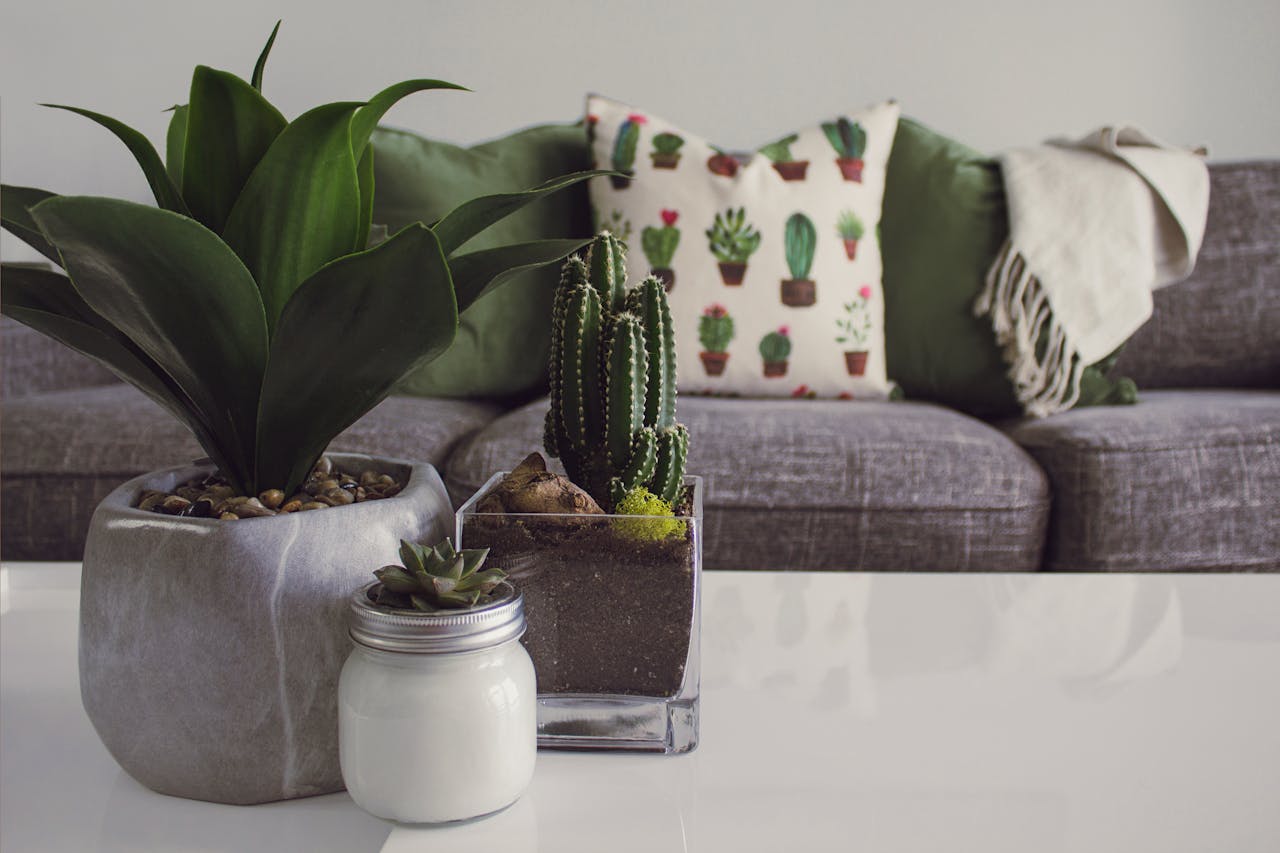
Here’s a decorating secret interior designers don’t shout about: plants are the most versatile, most affordable, and most impactful decorating tool available. A single well-placed plant can transform a corner that no throw pillow, painting, or side table ever could.
The catch? Most people either overload a room with random pots or buy one expensive plant and call it done. Neither works. What does work is strategy — knowing which plants to use, where to place them, and how to style them to make a space feel intentional, layered, and alive.
In 2026, greenery is becoming part of the full home experience — people are creating plant shelves, reading spaces near windows, moss panels, and vertical gardens as natural extensions of the home. The best part? You don’t need a designer’s budget to do any of it.
Here are 12 genuinely clever ways to decorate your home with plants — most costing less than a candle.
1. Create a Statement Corner With a Single Tall Plant
The fastest single upgrade you can make to any living room or bedroom. One large plant — a fiddle leaf fig, snake plant, or bird of paradise — placed in a bare corner instantly creates a focal point that makes the entire room feel designed.
In 2026, large sculptural plants are being used just like furniture, art, or architectural features — anchoring corners, defining zones, and bringing vertical presence to interiors.
How to do it on a budget:
- A large snake plant in a simple terracotta pot costs significantly less than most ornaments
- For maximum impact, place the pot on a wooden stool or plant stand to add height
- Use a plain white or terracotta pot — busy printed pots fight with the plant for attention
Best plants for corners: Snake plant, ZZ plant, fiddle leaf fig, bird of paradise, rubber plant.
For full care details on low-maintenance statement plants, see our guide to best indoor plants that grow without sunlight.
2. Use Trailing Plants to Make High Shelves Look Intentional
Bare shelves and tops of wardrobes are one of the most common styling problems in any home. The solution is almost always a trailing plant.
Pothos, heartleaf philodendron, or string of pearls spilling over the edge of a high shelf creates a lush, layered effect that looks editorial without trying. It also softens the hard horizontal line of a shelf edge — something no ornament achieves as naturally.
The budget trick: Buy one pothos and propagate it. A single cutting in water will root within 2–3 weeks. Within a few months you can fill multiple shelves from a single plant.
Best trailing plants for shelves: Pothos (any variety), heartleaf philodendron, string of pearls, English ivy, spider plant.
3. Build a Plant Shelfie — The Most Photogenic Wall in Your Home
A “plant shelfie” is simply a floating shelf or series of shelves styled with a mix of plants at different heights, textures, and pot styles. Done well, it becomes the most visually interesting wall in any room — and the most photographed corner in any home.
The formula for a great plant shelf:
- Vary the heights — use pot stands, stacked books, or different-height pots
- Mix leaf textures — pair large glossy leaves (pothos, rubber plant) with feathery or delicate ones (fern, string of pearls)
- Use a consistent pot palette — two or three complementary colours or materials (terracotta + white + wood) look curated; rainbow pots look chaotic
- Add one non-plant element — a candle, a small print, or a stone — to anchor the arrangement
Budget execution: Floating shelves from budget homeware stores cost very little. Second-hand pots and basic plants from a garden centre or supermarket complete the look.
4. Hang Plants From the Ceiling to Add Vertical Dimension
Most home decorating happens at eye level. Going vertical — hanging plants from the ceiling — instantly makes a room feel larger, more dynamic, and more designed.
Macramé plant hangers are inexpensive, widely available, and suit any hanging plant. Ceiling hooks rated for the weight are an easy DIY install.
Best plants for hanging: Pothos, spider plant, Boston fern, string of pearls, heartleaf philodendron, trailing succulents.
Where to hang them:
- A cluster of 3 hanging plants at different heights in a corner
- A single hanging plant near a window to frame natural light
- Above a kitchen island or dining table for an organic centrepiece effect
Important: Make sure the ceiling hook can support the weight of pot, soil, and water. Wet soil is significantly heavier than dry.
5. Turn Your Kitchen Window Into a Herb Garden
This might be the most practical plant decorating idea available — and it looks genuinely beautiful. A kitchen windowsill lined with small herb pots in matching containers is functional, fragrant, and effortlessly stylish.
The visual appeal comes from using identical or complementary pots — three terracotta pots in a row have an aesthetic impact that three mismatched pots never achieve.
The budget setup: Three small terracotta pots, potting compost, and basil, mint, and chives from a garden centre or supermarket herb section costs very little and outperforms most kitchen decorating choices.
For a complete guide to growing herbs indoors successfully, see our article on how to grow herbs indoors in small pots.
6. Use Plants to Divide an Open-Plan Room
If you have an open-plan living space and want to create visual separation between areas — living and dining, work and rest, kitchen and sitting — plants are a free-standing, renter-friendly, and beautiful alternative to walls or screens.
A row of tall plants (3–5 large snake plants or peace lilies in matching pots) creates a natural visual boundary without blocking light or requiring any structural work.
The design principle: Plants used as dividers should be consistent in pot style and plant type for a composed, architectural look — a mix of random plants in a row just looks messy.
7. Create a Living Centrepiece for Your Dining Table
Replace the standard candle or fruit bowl centrepiece with a low arrangement of plants. This works especially well with succulents, small ferns, or moss in shallow dishes or terracotta saucers.
The arrangement formula:
- Use a shallow tray, wooden board, or large saucer as a base
- Arrange 3–5 small plants at slightly different heights in the centre
- Add pebbles, moss, or a small stone between pots to fill gaps
- Keep everything low — centrepieces that block sightlines across the table are a dinner party hazard
Budget note: Small succulents and cacti from garden centres are among the cheapest plants available and are perfectly suited to table arrangements.
8. Frame a Mirror or Window With Climbing Plants
The space around a mirror or large window is premium decorating real estate. A climbing or trailing plant trained around the frame — hooked to small wall pins — creates a living, organic border that makes the mirror or window a genuine focal point.
Best plants for framing: Pothos and heartleaf philodendron are the most practical — they grow quickly, tolerate most indoor conditions, and their stems can be pinned or attached with small hooks as they grow.
How to train them: Press small adhesive wall hooks along the route you want the vine to follow. Gently weave the growing stems along the hooks as the plant extends. Within a few weeks the plant creates its own path.
9. Upgrade Empty Bathroom Shelves With Plants
Bathrooms are typically the most neglected room when it comes to plant decorating — which is a missed opportunity. The combination of humidity and indirect light in most bathrooms is ideal for ferns, pothos, and peace lilies, and a plant on a bathroom shelf transforms the feel of the room completely.
A bathroom with a well-placed plant feels like a spa. Without one, it just feels like a bathroom.
Best bathroom plants: Peace lily, Boston fern, pothos, spider plant, heartleaf philodendron.
10. Propagate Plants to Fill Your Home for Free
The most underused budget decorating trick in any plant lover’s toolkit: propagation. Many common houseplants — pothos, spider plants, heartleaf philodendron, tradescantia — root effortlessly in a glass of water within 2–3 weeks.
The process: Cut a stem just below a leaf node, remove the lower leaves, place in a glass of water on a bright windowsill, and change the water every few days. Once roots are 2–3cm long, pot into soil.
The decorating bonus: A small glass or bud vase with a cutting rooting in water is itself a beautiful, minimal decorating object — particularly in kitchens and bathrooms. Style with a small ceramic vase or clear glass on a windowsill.
Over a few months, one purchased pothos can fill an entire home with cuttings that cost nothing after the original plant.
11. Use Pot Style to Tie a Room Together
The plant is only half the decorating equation. The pot is the other half — and it’s the pot that determines whether a plant looks like intentional decor or an afterthought.
In 2026, interior designers recommend matching the pot’s texture to the room’s aesthetic — matte ceramic pots in sandstone for minimalist spaces, hand-carved terracotta for Mediterranean styles, and whimsical shapes for boho or eclectic rooms.
The budget approach to pot styling:
- Choose a palette of two or three pot materials or colours for your home and stick to it
- Terracotta is the most versatile and affordable — it suits modern, rustic, Mediterranean, and minimal styles
- Plain white ceramic is the most neutral — works in any room
- Avoid novelty pots with patterns or characters — they date quickly and fight with the plant
Cheap pot upgrade: Spray paint plain plastic nursery pots in matte white, terracotta, or sage green. It takes ten minutes and transforms the look completely.
12. Group Plants in Odd Numbers for Instant Style
This is possibly the most impactful single styling rule you can apply to plant decor — and it costs nothing. Groups of three or five plants always look more visually interesting than groups of two or four. This is a fundamental principle of visual design that applies everywhere from floral arrangement to interior styling.
The rule in practice:
- Three plants at different heights on a windowsill beats two plants at the same height
- Five succulents in a tray arrangement looks composed and intentional
- One large plant, one medium, and one small — all in the same pot style — is the simplest formula for a polished grouped arrangement
Vary the texture, not the pot: For a grouped arrangement to look intentional, keep pots consistent and let the leaf variation provide visual interest.
Plants That Give the Most Decorating Impact for the Least Money
| Plant | Why It’s Great for Decorating | Cost | Difficulty |
|---|---|---|---|
| Pothos | Fast-growing, trails beautifully, propagates free | Low | Very Easy |
| Snake plant | Architectural statement, suits any style | Low | Very Easy |
| Spider plant | Produces babies to propagate; great on shelves | Low | Very Easy |
| Peace lily | Flowers; soft, elegant appearance | Low-medium | Easy |
| Tradescantia | Purple/green trailing foliage; very fast grower | Low | Very Easy |
| Boston fern | Lush, full look; great in bathrooms | Low-medium | Moderate |
| Succulents | Versatile, minimal; great for table arrangements | Very low | Very Easy |
Frequently Asked Questions
Q: What is the cheapest way to decorate with plants? Propagation is the cheapest method — one pothos or spider plant can fill an entire home with free cuttings over time. Start with one easy-to-propagate plant, and invest in a consistent set of inexpensive terracotta pots for the cuttings. The total cost is minimal and the result is a home full of greenery that looks genuinely considered.
Q: How many plants does a room need to look well-decorated? There’s no fixed number, but the principle of odd groupings applies — three to five plants in a room, at varying heights and sizes, tends to look more intentional than either one isolated plant or a room crowded with dozens. Quality of placement matters more than quantity.
Q: Which room benefits most from plants for decorating? Living rooms and kitchens benefit the most because they’re used most. However, bathrooms typically see the largest transformation per plant — a single good plant changes the entire atmosphere of a bathroom. Bedrooms benefit most from the wellbeing angle — calmer, more serene atmosphere.
Q: What plants look best in modern interiors? For modern and minimalist interiors, architectural plants with clean lines — snake plant, ZZ plant, fiddle leaf fig, rubber plant — suit the aesthetic best. Use simple, matte-finish pots in white, black, or terracotta. Avoid overly fussy or busy-foliage plants in minimal spaces.
Final Thoughts
Decorating with plants is one of the highest-impact, lowest-cost changes you can make to any home. The key is thinking like a designer — considering scale, grouping, trailing versus upright forms, and pot consistency — rather than simply placing individual plants wherever there’s space.
Start with one or two of the ideas above rather than trying to implement everything at once. A single statement corner plant and a propagated trailing shelf plant will visually transform a room more than a dozen randomly placed pots.
Explore more on plantcarehacks.com: