
How to Get Rid of Aphids on Plants Naturally (Without Chemicals)
Tags: aphids on indoor plants, get rid of aphids organically, how to get rid of aphids on plants naturally, how to kill aphids without chemicals, natural aphid spray for plants, neem oil for aphids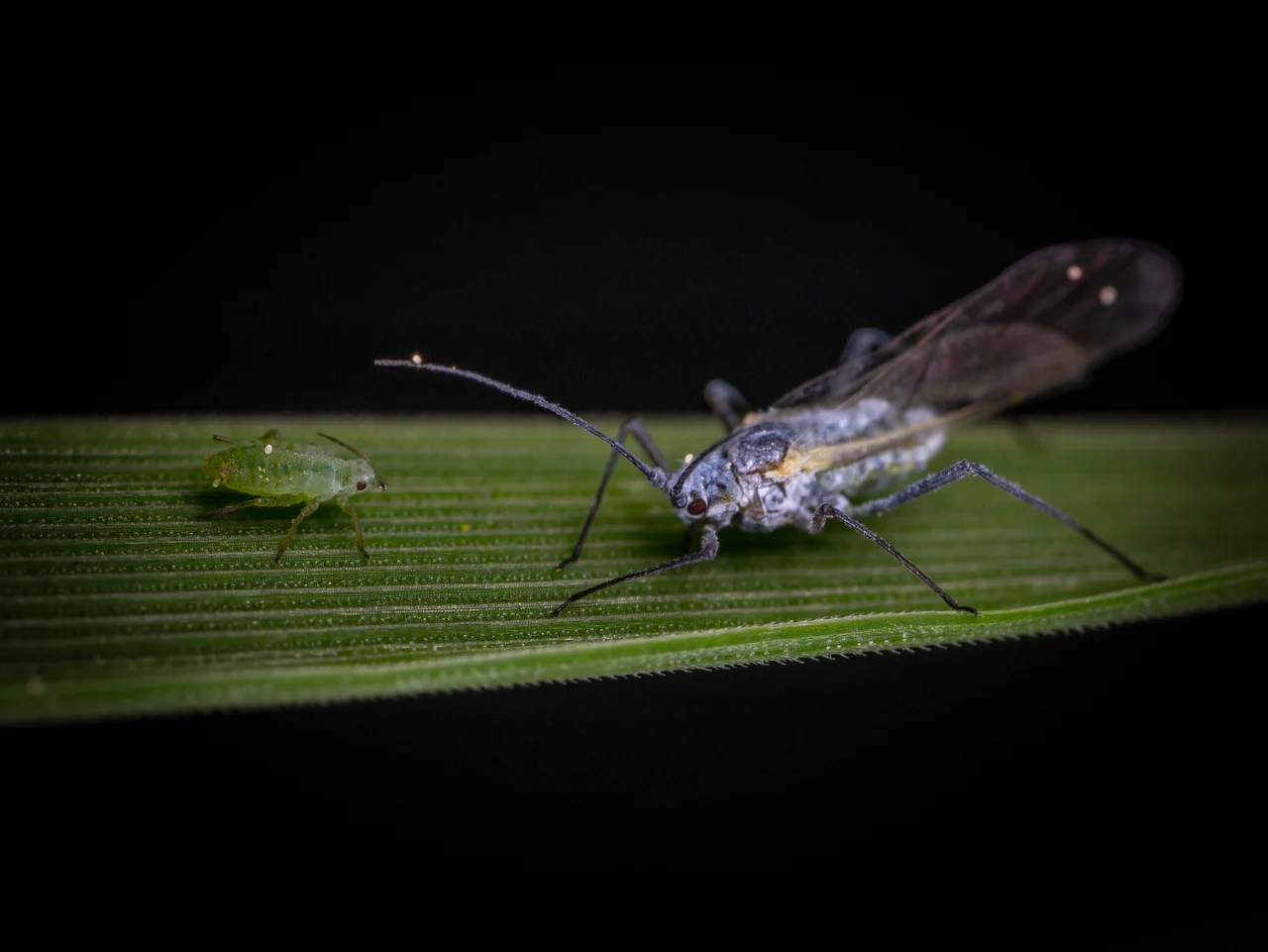
Aphids are one of the most common pests home gardeners encounter — and one of the most frustrating. A small cluster on a shoot tip in the morning can become a full-scale infestation within days. They reproduce rapidly, weaken plants by sucking sap, and can spread viral diseases from plant to plant.
The good news is that aphids are also one of the easiest pests to control without resorting to chemical pesticides. Natural methods are highly effective against aphids and, crucially, don’t harm the beneficial insects that are your garden’s best long-term defence.
This guide covers everything you need to identify aphids correctly, eliminate an active infestation naturally, and prevent them from returning.
What Are Aphids and Why Are They a Problem?
Aphids are tiny soft-bodied insects, typically 1–3mm long, that feed by piercing plant stems and leaves and extracting sap. They come in many colours — green, black, white, yellow, grey, and even woolly white — and cluster densely on the softest, youngest growth.
According to the Royal Horticultural Society (RHS), there are over 500 species of aphid in the UK alone, and they affect almost every type of garden plant including vegetables, herbs, houseplants, and ornamentals.
The damage aphids cause:
- Direct feeding damage — distorted, curled, or yellowing leaves as the plant loses sap and nutrients
- Sticky honeydew — aphids excrete a sugary liquid that coats leaves and encourages the growth of black sooty mould, which further blocks photosynthesis
- Virus transmission — aphids are a primary vector for dozens of plant viruses; once introduced, these cannot be cured
- Ant farming — ants are attracted to honeydew and actively protect aphid colonies from predators, making infestations worse
For more on the damage aphids can cause and how to spot it early, see our guide to why plant leaves turn yellow.
How to Identify Aphids
Before treating, confirm you’re dealing with aphids and not another pest.
What to look for:
- Dense clusters of tiny insects on shoot tips, flower buds, and the undersides of young leaves
- Distorted, curled, or puckered new growth
- Sticky, shiny residue (honeydew) on leaves below the infestation
- Black sooty mould growing on the honeydew
- Ants moving up and down stems in regular patterns (they’re farming the aphids)
- White shed skins on leaves (aphids moult as they grow; shed skins look like tiny white flakes)
Common aphid species to know:
- Blackfly (black bean aphid) — most common on broad beans, nasturtiums, and dahlias
- Greenfly — general term for green aphid species; common on roses, lettuce, tomatoes, and many vegetables
- Woolly aphid — white, fluffy-looking colonies on apple trees and woody shrubs; slightly different control methods needed
- Root aphid — feeds below soil; harder to detect; causes wilting despite adequate watering
8 Natural Ways to Get Rid of Aphids
1. Blast Them Off With Water
The fastest and most immediate treatment — and remarkably effective for moderate infestations. A strong jet of water from a hose knocks aphids from the plant. Most are unable to return and die on the ground.
How to do it:
- Use a hose with a spray nozzle set to a firm jet (not so strong it damages leaves)
- Direct the jet at clusters from the undersides of leaves as well as the tops
- Repeat every 2–3 days for one to two weeks until the infestation is clear
- Do this in the morning so foliage dries before evening
Best for: Outdoor plants with established infestations; fast initial knockdown.
2. Neem Oil Spray
Neem oil is extracted from the seeds of the neem tree (Azadirachta indica) and is one of the most widely used organic pesticides available. Its active compound, azadirachtin, disrupts the feeding, moulting, and reproduction of aphids and many other soft-bodied insects — without harming bees, birds, or larger beneficial insects when used correctly.
How to make a neem oil spray:
- Mix 2 teaspoons of neem oil with 1 teaspoon of mild liquid soap (acts as an emulsifier)
- Add to 1 litre of warm water and shake well
- Pour into a spray bottle
- Apply to all leaf surfaces, particularly undersides, in the early morning or evening (never in direct midday sun — oil can scorch leaves in heat)
- Repeat every 7–10 days
Best for: Persistent or recurring infestations; indoor plants; use when other methods alone aren’t clearing the infestation.
3. Insecticidal Soap Spray
Insecticidal soap works by penetrating the soft outer membrane of aphids, causing dehydration and death. It’s contact-kill only — it has no residual effect once it dries — but it’s safe for most plants and harmless to bees and other beneficial insects once dry.
How to make a DIY insecticidal soap spray:
- Mix 1–2 teaspoons of pure castile soap or washing-up liquid with 1 litre of water
- Spray directly onto aphid colonies, coating them thoroughly
- The soap must make contact with the aphids to work — it has no preventive effect
- Repeat every 3–5 days
Important: Test on a small area of the plant first — some plants are sensitive to soap (sweet peas, ferns, and some succulents can react badly). Rinse foliage with clean water 30 minutes after applying to reduce any plant stress.
4. Introduce Natural Predators
This is the most sustainable long-term solution — building a garden ecosystem where aphid populations are naturally controlled by the insects that eat them.
The best natural aphid predators:
- Ladybirds (ladybugs) — a single ladybird eats up to 5,000 aphids during its lifetime; both adults and larvae are voracious predators
- Lacewings — lacewing larvae are particularly effective aphid predators; adults feed on pollen and nectar
- Hoverflies — hoverfly larvae feed on aphids; attract adults by growing flat-topped flowers like fennel, dill, and marigolds
- Parasitic wasps — tiny wasps lay eggs inside aphids; the larvae develop inside, killing the aphid; you can see “mummified” golden-brown aphids when they’re active
- Blue tits and other small birds — actively feed on aphids on outdoor plants
How to attract these predators:
- Plant flowers near your vegetable garden — marigolds, nasturtiums, fennel, dill, and yarrow are particularly good
- Leave areas of undisturbed ground or dead stems as overwintering habitat
- Avoid any pesticides (even organic ones) near flowering plants where beneficial insects feed
For a step-by-step guide to creating a garden environment where these predators thrive alongside your vegetables, see our guide to starting a vegetable garden at home.
5. Garlic and Chilli Spray
Aphids are repelled by strong aromatic compounds. Homemade garlic or chilli spray creates a scent barrier that discourages aphids from settling on treated plants.
Garlic spray:
- Blend 4–6 garlic cloves with 500ml of water
- Strain well through a fine cloth or coffee filter
- Dilute with 500ml more water and add a few drops of liquid soap
- Apply to all leaf surfaces every 5–7 days
Chilli spray:
- Boil 6–8 fresh chillies (or 2 teaspoons of chilli flakes) in 1 litre of water for 15 minutes
- Cool completely, strain, and add a few drops of liquid soap
- Apply as above
Note: These sprays are repellents, not contact killers — they work best as preventive measures or at the first signs of aphids, rather than clearing heavy established infestations.
6. Remove Aphids by Hand
For small infestations on individual plants, physical removal is quick, chemical-free, and effective. Put on gloves and wipe or squeeze aphid clusters from stems and leaves, dropping them into a bowl of soapy water.
For shoot tips heavily colonised by aphids, simply pinch off and remove the entire tip — this also removes the most attractive feeding site and encourages the plant to produce bushier growth.
7. Use Companion Planting to Repel Aphids
Certain plants repel aphids when grown nearby, either through scent, or by attracting their natural enemies.
Plants that repel aphids:
- Marigolds (Tagetes) — one of the most well-known pest-deterrent companions; plant around the edges of vegetable beds
- Catnip (Nepeta) — highly repellent to aphids; also attracts beneficial insects
- Garlic and chives — planted near roses and brassicas; the allium scent confuses aphids
- Lavender — aromatic; deters many pest insects
Plants that attract aphids away from your crops (trap crops):
- Nasturtiums — aphids are strongly attracted to nasturtiums; plant them as a sacrifice crop around or near your vegetables to draw aphids away
- Broad beans — plant a few near your main crops; blackfly infestations on the beans act as a buffer
8. Yellow Sticky Traps
Yellow sticky traps are physical traps coated in a non-drying glue. Aphids (and many other flying pest insects including whitefly and fungus gnats) are attracted to the yellow colour and stick to the surface.
They don’t eliminate an outdoor infestation on their own, but they’re particularly useful for:
- Monitoring aphid activity (tells you if they’re present before you see direct damage)
- Controlling aphids on indoor plants where biological controls are harder to introduce
- Catching winged aphids before they settle and colonise new plants
Place traps near plants at canopy level; replace when covered with insects.
For Indoor Plants: Specific Aphid Control Tips
Aphids on houseplants and indoor herb gardens require slightly different approaches since you can’t rely on natural predators and the enclosed environment allows colonies to grow quickly.
The most effective approach for indoor plants combines three methods:
- Manual removal — wipe affected areas with a damp cloth or cotton bud dipped in diluted isopropyl alcohol (70%)
- Neem oil spray — apply every 7–10 days as described above; effective and safe for indoor use
- Isolation — immediately move any infested indoor plant away from others; aphids spread rapidly between houseplants in close proximity
For more on keeping indoor plants healthy and pest-free, see our guide to the best indoor plants that grow without sunlight.
How to Prevent Aphids Coming Back
Getting rid of an active infestation is only half the job. Prevention is what breaks the cycle.
Key prevention strategies:
Check plants regularly — early detection is the most effective control. Inspect shoot tips and leaf undersides weekly during the growing season. A small cluster caught early takes five minutes to remove; the same colony left for two weeks becomes a major problem.
Avoid over-fertilising with nitrogen — lush, fast-growing shoots produced by excessive nitrogen feeding are the most attractive targets for aphids. Use balanced feeds and feed at the recommended rate. Over-fed plants are more vulnerable, not less.
Water consistently — stressed, drought-weakened plants attract more aphids. Consistent watering keeps plants resilient.
Encourage biodiversity — a garden with a wide variety of plants attracts a wide variety of insects, including aphid predators. Monocultures (large areas of one crop) create aphid breeding grounds with no natural checks.
Clear away aphid-infested plant material promptly — don’t leave infested clippings on the ground; they can harbour colonies that re-infect plants.
Manage ants near aphid-prone plants — ants protect aphid colonies from predators. Sticky barriers around pot rims or plant stems prevent ants from climbing up and disrupting natural predator access.
Frequently Asked Questions
Q: What is the fastest way to get rid of aphids naturally? The fastest natural method is a combination of blasting with water (immediate knockdown) followed by insecticidal soap spray within 24 hours. This two-step approach removes most of an active infestation within days. Follow up with neem oil applications every 7–10 days to prevent the colony rebuilding.
Q: Can I use washing-up liquid to kill aphids? Yes — ordinary washing-up liquid diluted in water (1–2 teaspoons per litre) is an effective contact insecticide against aphids. It works by penetrating their outer membrane. The key is direct contact — spray must hit the aphids to kill them. Rinse leaves with clean water 30 minutes after applying to minimise any plant stress.
Q: Do aphids spread from plant to plant? Yes. Aphids reproduce both sexually and asexually — in summer, most aphids are wingless females that reproduce without mating. When colonies become overcrowded or conditions change, winged aphids are produced that fly to new plants and establish new colonies. This is why isolating infested plants (particularly indoors) and acting quickly on early infestations is important.
Q: Why do I keep getting aphids even after treating them? Recurring aphids usually mean either: the infestation wasn’t fully cleared the first time (eggs or hidden colonies survived), or new aphids are flying in from elsewhere. Treat consistently for 2–3 weeks, not just once. Also check whether ants are protecting the colonies from natural predators — controlling ants often breaks the cycle.
Q: Are aphids harmful to humans? No. Aphids don’t bite, sting, or carry diseases that affect humans. The only concern is the viral plant diseases they can spread between garden plants. Produce from plants affected by aphids is completely safe to eat once washed.
Q: Do aphids overwinter and come back the next year? Yes. Most aphid species overwinter as eggs on the bark or dormant growth of host plants, hatching in spring when new growth appears. Clearing plant debris in autumn, checking overwintering plants for egg clusters, and encouraging bird activity in your garden reduces the spring population that emerges each year.
Final Thoughts
Aphids are one of the most manageable garden pests once you understand how they work and have a toolkit of natural treatments ready. The key is catching them early — regular weekly checks during the growing season are worth more than any spray.
For persistent problems, the combination of physical removal, neem oil spray, and encouraging natural predators through companion planting is the most complete approach available without chemicals. Each method reinforces the others: predators mop up what you miss; sprays knock back colonies predators haven’t reached yet.
Stay consistent for 2–3 weeks after you first notice aphids, and most infestations can be fully resolved with natural methods alone.
Explore more on plantcarehacks.com: