
Why Are My Plant Leaves Turning Yellow? (Causes & Fixes)
Tags: how to fix yellow plant leaves, overwatering plant signs, plant care mistakes beginners, plant leaves turning yellow causes, yellow leaves indoor plants, yellow leaves on houseplants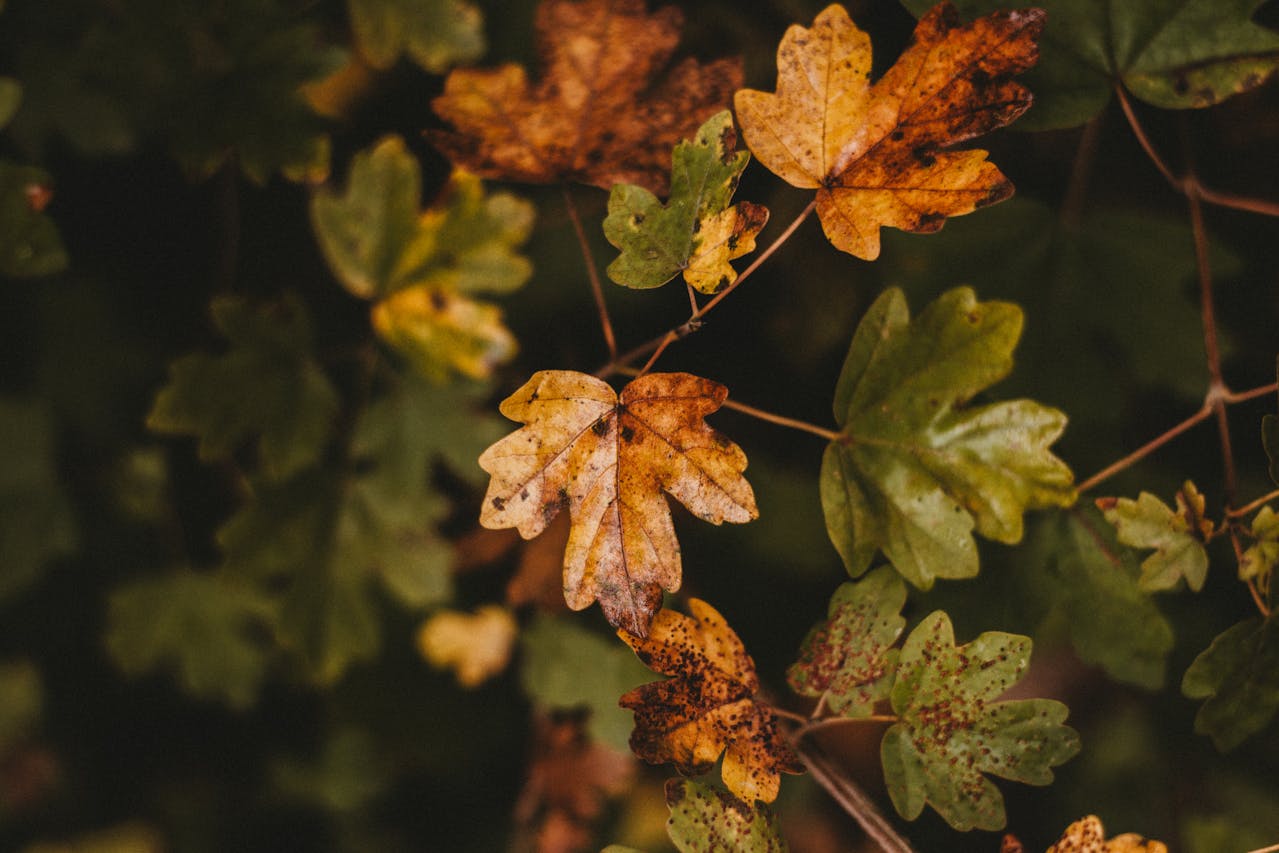
Yellow leaves are one of the most common distress signals a plant can send — and one of the most misdiagnosed. The instinct is to water more, but more often than not, overwatering is the very reason leaves are turning yellow in the first place.
The truth is that yellowing leaves can have over a dozen different causes. Getting the fix right depends entirely on identifying the right cause first.
This guide walks through every major reason plant leaves turn yellow, how to tell them apart, and exactly what to do to bring your plant back to health.
Is Yellowing Always a Problem?
Before diving into causes, it’s worth knowing: not all yellow leaves signal a crisis.
Normal yellowing to expect:
- Old lower leaves — it’s completely natural for the oldest, lowest leaves to yellow and drop as a plant redirects energy to newer growth. If it’s only one or two leaves at the very base of the plant, and new growth looks healthy, this is normal.
- Seasonal changes — many plants slow down in autumn and winter, dropping older leaves as part of their natural cycle.
- Newly purchased plants — plants often drop or yellow a few leaves after being moved to a new environment. This is transplant stress and usually resolves within 2–3 weeks.
When to investigate:
- Multiple leaves yellowing at once
- Yellowing spreading from older leaves to newer ones
- Yellow leaves combined with wilting, spots, or mushy stems
- A healthy plant suddenly showing yellow leaves with no obvious cause
If you’re seeing widespread yellowing or it’s progressing quickly, work through the causes below systematically.
The 10 Most Common Reasons Plant Leaves Turn Yellow
1. Overwatering (Most Common Cause)
Overwatering is the number one killer of houseplants and the most frequent cause of yellow leaves. When soil stays saturated for too long, roots are deprived of oxygen — they essentially drown. Damaged roots can no longer deliver water and nutrients to the leaves, causing them to yellow and drop.
Signs this is the cause:
- Soil feels wet or soggy — hasn’t dried out between waterings
- Yellowing starts on lower leaves and spreads upward
- Leaves may feel soft or limp rather than crisp
- You may notice a sour or musty smell from the soil
- Mould or algae visible on the soil surface
How to fix it:
- Stop watering immediately and let the soil dry out
- Check roots — gently remove the plant from its pot. Healthy roots are white or tan and firm; rotten roots are brown, black, mushy, and may smell bad
- If root rot is present, trim away all affected roots with clean scissors, dust the cuts with cinnamon (a natural antifungal), and repot into fresh, dry potting mix
- Going forward: always check soil moisture before watering. Push your finger 2–3cm into the soil — only water when it feels dry at that depth
Prevention: Ensure your pot has drainage holes. Never let plants sit in water-filled saucers for more than 30 minutes after watering.
2. Underwatering
While overwatering gets more attention, underwatering also causes yellow leaves — though the pattern looks different.
Signs this is the cause:
- Soil is completely dry — pulling away from the sides of the pot
- Leaves are yellowing AND feel dry, crispy, or papery at the edges
- Plant looks wilted or drooping, even after you check the soil
- Lower leaves yellowing and dropping rapidly
How to fix it:
- Water thoroughly until water drains from the bottom of the pot
- For very dry soil that repels water (hydrophobic soil), place the entire pot in a tray of water for 20–30 minutes to allow the rootball to rehydrate slowly
- Establish a more consistent watering routine — check soil moisture every 2–3 days rather than watering on a fixed schedule
Tip: Lightweight pots = dry soil. Lift your pots regularly — a noticeably light pot usually means it’s time to water.
3. Insufficient Light
Plants need light to produce chlorophyll — the green pigment that gives leaves their colour. In too little light, chlorophyll production drops, and leaves turn pale yellow or lime green, particularly on the parts of the plant furthest from the light source.
Signs this is the cause:
- Yellowing is uniform and pale (lime green to yellow), not patchy or spotted
- New growth is small, pale, and leggy (long thin stems reaching toward light)
- The plant is positioned in a dark corner or far from any window
- Lower leaves or leaves on the shaded side of the plant yellow first
How to fix it:
- Move the plant closer to a window — within 1–2 metres of a bright window makes a significant difference
- For plants that need high light (most fruiting plants, most succulents), a south or west-facing window is ideal
- Rotate the pot a quarter turn every 2 weeks so all sides receive equal light
- If natural light is genuinely limited, add a basic LED grow light for 12–14 hours per day
Note: When moving a plant from low light to bright light, do it gradually over 1–2 weeks. A sudden shift to bright light can shock or scorch a plant that’s been in the dark.
4. Too Much Direct Sunlight (Scorching)
The opposite problem — too much intense direct sunlight — causes a type of yellowing that looks quite different from light deficiency.
Signs this is the cause:
- Yellowing appears bleached or washed out, often with brown, papery patches
- Damage appears on leaves closest to the light source or on the tops of leaves
- Leaves may feel dry and crispy in the affected areas
- Problem is worse in summer or after a plant has been moved to a sunnier spot
How to fix it:
- Move the plant away from direct sun or filter light with a sheer curtain
- Remove badly damaged leaves — they won’t recover
- If you’ve recently moved the plant into direct sun, move it back to a brighter-indirect position and acclimatise it more slowly
5. Nutrient Deficiency
Plants need a range of nutrients to stay green and healthy. When specific nutrients are lacking, leaves yellow in characteristic patterns that can help you identify which nutrient is missing.
Nitrogen deficiency (most common):
- Uniform yellowing starting from the oldest (lower) leaves, progressing upward
- Overall pale, washed-out appearance across the whole plant
- Slow growth
Iron deficiency (chlorosis):
- Yellowing between the leaf veins while the veins themselves stay green
- Affects newer, younger leaves first (the opposite of nitrogen deficiency)
- Common in plants in alkaline soil or hard water areas
Magnesium deficiency:
- Yellowing between veins on older leaves, similar to iron deficiency but starting lower on the plant
- Leaves may develop a marbled or mottled look
How to fix it:
- For general nutrient deficiency: apply a balanced liquid fertiliser (equal N-P-K ratio) every 2 weeks during the growing season
- For iron deficiency: use a chelated iron supplement or ericaceous (acidic) compost for acid-loving plants; avoid watering with very hard tap water
- For magnesium deficiency: dissolve 1 teaspoon of Epsom salt (magnesium sulphate) in 1 litre of water and apply monthly as a soil drench or foliar spray
Important: Don’t over-fertilise trying to fix a deficiency — excess fertiliser can burn roots and make yellowing worse. Follow dosage instructions carefully.
6. Root Bound Plant
When a plant outgrows its pot, roots have nowhere left to grow and begin circling the bottom and sides. A severely root-bound plant struggles to absorb water and nutrients efficiently, causing leaves to yellow — often alongside wilting even when the soil is moist.
Signs this is the cause:
- Roots visibly growing out of drainage holes
- Roots circling densely around the outside of the root ball when removed from pot
- Soil dries out extremely quickly after watering
- Plant hasn’t been repotted in 2+ years
- Stunted growth despite good care
How to fix it:
- Choose a new pot 3–5cm larger in diameter than the current one — don’t jump to an oversized pot as excess soil holds too much moisture
- Gently tease apart circling roots before repotting to encourage outward growth
- Use fresh potting mix and water thoroughly after repotting
- Expect some leaf drop in the first 1–2 weeks as the plant adjusts — this is normal
7. Temperature Stress and Cold Draughts
Most houseplants originate from tropical environments and are sensitive to cold temperatures, sudden temperature drops, and draughts from open windows, doors, or air conditioning vents.
Signs this is the cause:
- Yellowing leaves on the side of the plant closest to a window, door, or air vent
- Yellowing appearing after a cold spell, or after a window was left open
- Leaves may also show brown edges or curl inward
- The plant is positioned near an air conditioning unit, external door, or single-glazed window
How to fix it:
- Move the plant away from draughts and cold windows, especially in winter
- Keep most tropical houseplants above 15°C — ideally 18–24°C
- Avoid placing plants directly above or below radiators (too dry and hot) or air conditioning units (too cold and dry)
8. Pests
Several common houseplant pests cause yellowing leaves by feeding on plant sap, damaging leaf cells, or introducing disease as they feed. Pest-related yellowing often comes with other visible symptoms.
Common culprits:
Spider mites:
- Tiny yellow or white speckling across leaf surfaces (stippling)
- Fine webbing visible on undersides of leaves and between stems
- Yellowing spreads rapidly in dry, warm conditions
- Fix: Wipe leaves with a damp cloth, apply neem oil or insecticidal soap spray, increase humidity
Aphids:
- Clusters of tiny green, black, or white insects on new growth and leaf undersides
- Sticky honeydew residue on leaves; may attract ants
- Yellowing and distorted new growth
- Fix: Blast off with water, apply insecticidal soap, introduce natural predators (ladybirds)
Fungus gnats:
- Small flies hovering around soil surface
- Larvae in soil damage roots, causing yellowing and wilting
- Worse in consistently moist soil
- Fix: Allow soil to dry more between waterings, apply sticky yellow traps, treat soil with neem oil drench or beneficial nematodes
Scale insects:
- Brown, shell-like bumps on stems and undersides of leaves
- Yellowing and sticky residue on leaves
- Fix: Scrape off manually, apply neem oil or rubbing alcohol on a cotton swab
How to check for pests: Inspect the undersides of leaves, along stems, and at leaf joints carefully — most pests hide where they’re hard to spot. Use a magnifying glass if needed.
9. Disease (Fungal or Bacterial)
Fungal and bacterial infections can cause yellowing, often alongside other symptoms like spots, lesions, or wilting. Disease is often introduced through overwatering, poor airflow, or infected tools and soil.
Common diseases causing yellow leaves:
Root rot (Pythium, Phytophthora):
- Caused by overwatering and waterlogged soil
- Leaves yellow and wilt; plant collapses despite wet soil
- Roots are brown, black, and mushy
- Fix: See overwatering section above; repot with fresh sterile mix after removing affected roots
Leaf spot diseases:
- Yellow halos around brown or black spots on leaves
- Spots may merge in severe infections
- Spreads in humid conditions with poor airflow
- Fix: Remove affected leaves, improve airflow, avoid wetting foliage, apply copper-based fungicide if severe
Mosaic virus:
- Irregular yellow mosaic or mottled pattern across leaves
- Often accompanied by distorted or stunted growth
- No cure — remove and dispose of infected plants to prevent spread
10. Water Quality Issues
Tap water in many areas contains chlorine, fluoride, or minerals that can accumulate in soil and damage sensitive plants over time, causing yellowing — particularly brown-tipped, yellow-edged leaves.
Signs this is the cause:
- Yellow or brown leaf tips and margins, especially on sensitive plants like spider plants, dracaenas, and peace lilies
- White crusty mineral deposits visible on the soil surface or pot rim
- Problem worsens over time as minerals build up
How to fix it:
- Switch to rainwater, filtered water, or leave tap water to stand overnight before using (allows chlorine to dissipate)
- Flush the soil periodically — water deeply and allow excess to drain freely, washing accumulated minerals out through the drainage holes
- Repot every 1–2 years with fresh potting mix to reset mineral build-up
How to Diagnose Yellow Leaves: A Step-by-Step Process
Yellowing leaves can feel overwhelming because so many things can cause them. Use this systematic process to narrow down the cause:
Step 1: Check the soil first
Push your finger 2–3cm into the soil.
- Soaking wet? → Likely overwatering → go to cause #1
- Bone dry? → Likely underwatering → go to cause #2
- Moist but appropriate? → Continue to step 2
Step 2: Look at the pattern of yellowing
- Uniform pale yellowing across whole plant? → Light deficiency or nitrogen deficiency
- Yellowing between veins, veins stay green? → Iron or magnesium deficiency
- Yellowing on lower leaves only, moving upward? → Nitrogen deficiency or natural ageing
- Bleached, washed-out patches? → Too much direct sun
- Yellow with spots, lesions, or webbing? → Pests or disease
Step 3: Check for pests
Inspect leaf undersides, stems, and leaf joints with a magnifying glass. Look for insects, webbing, sticky residue, or small bumps.
Step 4: Assess the environment
- How close is it to a window? Which direction does the window face?
- Is it near an air vent, radiator, or external door?
- When did you last repot it? Are roots visible at drainage holes?
- What water do you use? How often do you fertilise?
Step 5: Check the roots
If all else fails, gently remove the plant from its pot and inspect the roots. White and firm = healthy. Brown, black, mushy, or smelly = root rot.
Yellow Leaves by Plant Type: Quick Reference
Different plants have known sensitivities. Here’s a quick guide to the most common:
Pothos: Yellow leaves almost always mean overwatering. Very drought-tolerant — erring on the side of too dry is far safer.
Peace lily: Yellow leaves often indicate too much direct light or fluoride-sensitive water. They also yellow from underwatering (check for accompanying drooping).
Monstera: Yellow leaves most commonly from overwatering or low light. Also yellows from nitrogen deficiency in older leaves.
Tomatoes (outdoor/indoor): Yellow lower leaves are normal early in the season. Widespread yellowing with spots suggests early blight or magnesium deficiency.
Fiddle leaf fig: Extremely sensitive to overwatering (yellowing + brown spots) and root disturbance. Brown edges usually indicate low humidity or temperature stress.
Snake plant: Almost exclusively yellows from overwatering or root rot. One of the most drought-tolerant plants available — water very sparingly.
Succulents: Yellowing is almost always overwatering. If leaves are also soft and translucent, root rot is likely well advanced.
Can Yellow Leaves Turn Green Again?
This is one of the most searched questions about plant care — and the honest answer is: it depends.
- Mildly yellow leaves that have yellowed due to temporary stress (underwatering, a cold draught, transplant shock) can sometimes recover some green colour once the problem is resolved and the plant is growing well again.
- Fully yellow leaves almost never turn fully green again. Once chlorophyll has broken down, it generally doesn’t regenerate in the same leaf tissue.
- The better metric: watch the new growth. If new leaves emerging after you’ve fixed the problem are healthy and green, the plant is recovering — even if the yellow leaves remain.
Should you remove yellow leaves? Yes, in most cases. Yellow leaves:
- Are no longer photosynthesising effectively
- Can harbour pests or disease
- Redirect the plant’s energy if left on
Remove them cleanly at the stem using clean, sharp scissors. Don’t yank — tearing can damage the stem.
Frequently Asked Questions
Q: Why are my plant’s leaves turning yellow and falling off? The most common causes are overwatering, underwatering, insufficient light, or natural leaf ageing (lower leaves only). Check your soil moisture first — if it’s wet, stop watering and investigate for root rot. If it’s bone dry, rehydrate slowly. If moisture seems fine, assess the light situation and check for pests.
Q: Can too much fertiliser cause yellow leaves? Yes. Over-fertilising causes fertiliser salt build-up in the soil, which draws moisture out of roots (osmotic stress) and causes leaf tips and edges to yellow or brown. If you suspect over-fertilising, flush the soil with clean water several times to leach out excess salts, and hold off feeding for 4–6 weeks.
Q: Why are only the lower leaves of my plant turning yellow? Lower leaf yellowing is often natural — older leaves at the base of a plant are shed as the plant grows and directs energy to newer growth. If it’s just one or two leaves at the very bottom and the rest of the plant looks healthy, this is normal. If yellowing is progressing rapidly up the plant, investigate nitrogen deficiency or overwatering.
Q: My plant has yellow leaves but the soil is moist — what’s wrong? Moist soil + yellow leaves is a classic sign of overwatering or root rot. The plant may look like it needs water because leaves are wilting, but the problem is actually that damaged roots can’t deliver water or nutrients despite the soil being wet. Check the roots and consider repotting if root rot is present.
Q: Why are my outdoor vegetable plant leaves turning yellow? For outdoor vegetables, the most common causes are nutrient deficiency (especially nitrogen in fast-growing crops), overwatering or waterlogged soil, pests (aphids, spider mites), or fungal disease. Tomato lower leaf yellowing is common and often normal; widespread yellowing with spots suggests early blight or a nutrient issue.
Q: How do I prevent yellow leaves in the future? The three most important habits: (1) always check soil moisture before watering rather than watering on a schedule; (2) ensure your plant is getting appropriate light for its species; (3) feed regularly during the growing season with a balanced fertiliser. These three things prevent the majority of yellowing issues.
Final Thoughts
Yellow leaves are your plant’s way of communicating that something is off — but the message takes a bit of interpreting. Work through the causes systematically rather than guessing, and resist the instinct to immediately add more water or fertiliser before identifying the actual problem.
The most important diagnostic step is always the same: check the soil first. Wet soil points to overwatering; bone-dry soil points to underwatering. From there, follow the pattern of the yellowing, check for pests, and assess the environment.
Most cases of yellow leaves are entirely fixable once the cause is identified. The plant won’t always recover the affected leaves, but new healthy growth after you’ve solved the problem is the real measure of success.
Explore more on plantcarehacks.com: