
Indoor Olive Tree Care Guide: How to Grow Olea Europaea at Home
Tags: arbequina olive tree care, best indoor olive tree variety, can olive trees grow indoors, how to prune indoor olive tree, indoor olive tree fruit, indoor olive tree light requirements, olea europaea indoor, olive tree benefits, olive tree bonsai, olive tree care indoors, olive tree indoor, olive tree meaning, olive tree symbolism, olive tree yellow leaves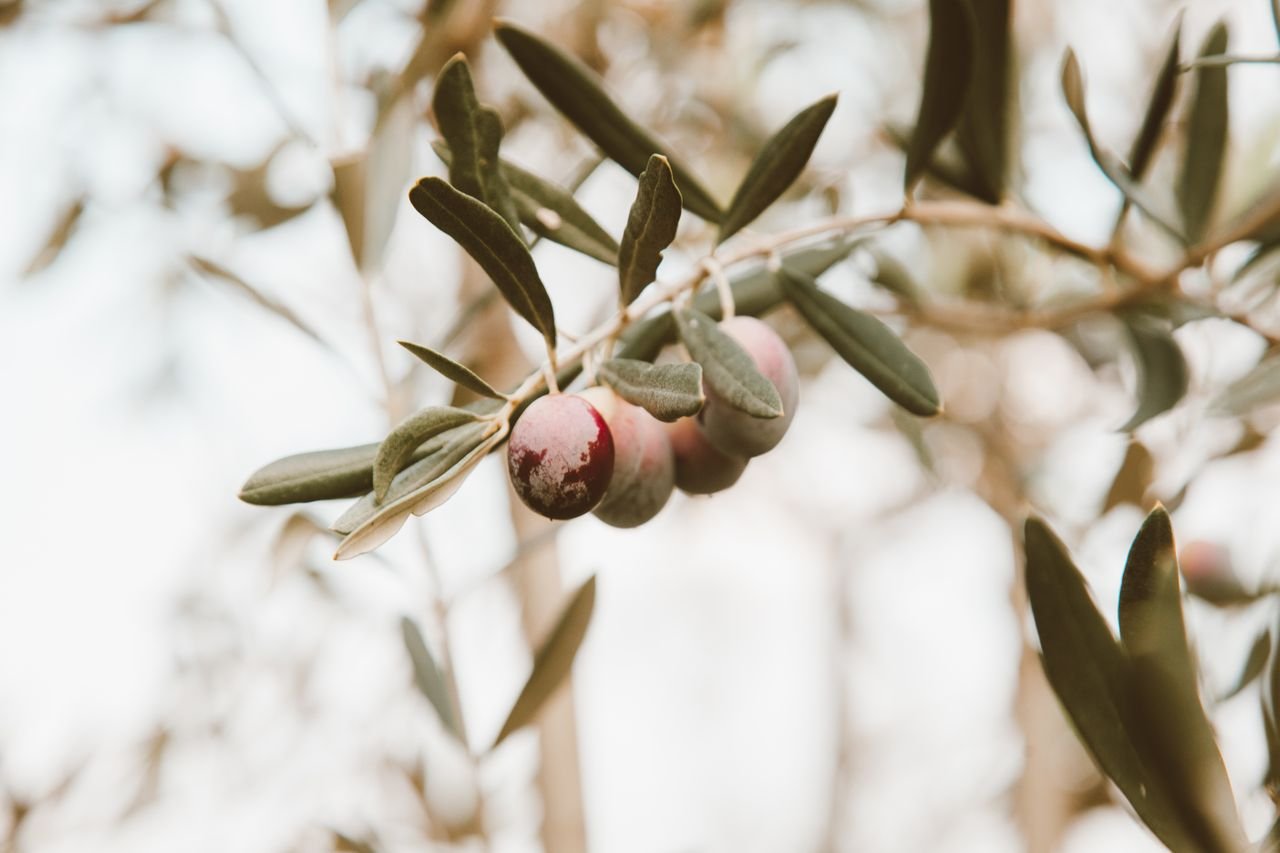
Walk into a design-forward American home in 2026 and there’s a good chance you’ll find one: the olive tree. That distinctive silvery-green canopy, the gnarled, textured trunk, the narrow Mediterranean leaves catching the light — a plant that looks like it belongs on a Tuscan hillside somehow making itself completely at home in a Brooklyn loft, a Scottsdale living room, or a Chicago sunroom.
The indoor olive tree has become the #1 trending houseplant statement of 2026 — not because it arrived suddenly, but because American home design has finally arrived at a place where the olive tree’s specific combination of elegance, history, Mediterranean warmth, drought tolerance, and symbolic richness resonates perfectly. Designers choose it. Plant lovers collect it. Pet owners love it.
But growing an indoor olive tree well requires more specific knowledge than most care guides provide. The olive tree (Olea europaea) has very particular preferences — especially around light, dormancy, and the specific conditions that determine whether your tree will ever fruit. This guide covers the biology, the culture, the care, and all the olive tree knowledge that competing guides leave on the table.
Table of Contents
- What Is the Olive Tree? Origin, Age & the Most Extraordinary Plant Biology
- Why the Leaves Are Silver: The Trichome Science Nobody Explains
- The Olive Tree Meaning & Symbolism: A 6,000-Year Story
- Oleuropein: The Compound That Makes the Olive Remarkable
- Best Indoor Olive Tree Varieties: Complete Guide
- The Indoor Olive Tree as a Design Object: Why It’s 2026’s Trending Plant
- Light Requirements: The Non-Negotiable Factor
- How to Water an Indoor Olive Tree
- Soil, Drainage & Pot Selection
- Temperature & the Chilling Requirement (Why Your Tree May Never Fruit)
- Humidity: Why Olive Trees Excel Here
- Indoor Olive Tree Fertilizer Schedule
- Pruning: How to Achieve the Perfect Tree Form
- How to Get Your Indoor Olive Tree to Fruit
- How to Cure & Eat Homegrown Olives (The Step Nobody Mentions)
- Moving Your Olive Tree Outdoors for Summer
- Repotting Indoor Olive Trees
- The Indoor Olive Tree as Bonsai
- Propagation
- Olive Tree Yellow Leaves & Common Problems
- Olive Tree Benefits: The Full Picture
- Indoor Olive Tree & Pets
- Where to Buy Indoor Olive Trees in the USA
- Frequently Asked Questions
1. What Is the Olive Tree? Origin, Age & the Most Extraordinary Plant Biology
Olea europaea belongs to the family Oleaceae (the olive family, which also includes ash trees, lilacs, and jasmine), native to the Mediterranean Basin — encompassing the coastal regions of southern Europe, North Africa, and the Middle East where the combination of hot dry summers, mild wet winters, and intense sun defines the climate.
The extraordinary longevity of olive trees is one of the most genuinely astonishing facts in the plant world. Olive trees are among the longest-lived plants on Earth:
- The Olive Trees of Gethsemane in Jerusalem — where Jesus reportedly prayed the night before his crucifixion — have been carbon-dated to be approximately 2,000 years old
- An olive tree on the island of Crete has been verified at over 3,000 years old — it still produces olives
- An olive tree in Bchaaleh, Lebanon is estimated at 5,000–6,000 years old
Why can olive trees live this long?
The olive tree’s extraordinary longevity comes from several biological adaptations:
- Extremely dense, resin-rich wood — among the densest hardwoods in the world, resistant to decay, insects, and fire
- The ability to regenerate from the root system — even if the entire above-ground trunk is burned, cut, or killed, the olive tree can regenerate completely from its root system. Ancient olive groves were sometimes burned by conquering armies and regrew from the surviving roots
- The gnarled trunk structure — the characteristic twisted, hollow trunk form that develops in mature trees actually increases structural resilience by distributing mechanical stress
When you grow an indoor olive tree, you are working with a species that has been cultivated by humans for 6,000+ years and is biologically capable of outliving every other plant in your home by thousands of years.
2. Why the Leaves Are Silver: The Trichome Science Nobody Explains
The most distinctive visual quality of the olive tree — the silvery, shimmering quality of the leaves in sunlight — is not pigment. It is physics.
Olive leaves are densely covered on their undersides (and less densely on their upper surfaces) with microscopic structures called peltate trichomes — tiny, scale-like specialized hairs that form a reflective silvery layer over the leaf surface. These trichomes serve multiple survival functions simultaneously:
1. UV Reflection: The trichome layer reflects a significant portion of the intense Mediterranean ultraviolet radiation back away from the leaf surface — protecting the photosynthetic cells from UV damage that would otherwise require expensive antioxidant biochemistry to manage.
2. Temperature Regulation: By reflecting rather than absorbing solar radiation, the trichomes keep the leaf surface significantly cooler than a non-trichome-covered leaf in the same sunlight intensity.
3. Water Loss Reduction: The trichome layer creates a boundary layer of still air over the leaf surface — reducing the rate of water vapor diffusion from leaf to atmosphere by up to 40% compared to a non-trichome leaf in the same conditions. This is a major component of the olive tree’s drought tolerance.
4. The Silver Shimmer: The combined optical effect of thousands of light-scattering trichomes is the characteristic silver-green shimmer that makes olive foliage so visually distinctive — and so appealing in interior design contexts.
Why this matters for indoor care: The same trichome biology that makes olive trees drought-tolerant in Mediterranean climates makes them tolerant of the low humidity common in American heated homes. The trichomes reduce water loss regardless of ambient humidity — which is why olive trees handle the dry air of central heating better than most popular houseplants.
3. The Olive Tree Meaning & Symbolism: A 6,000-Year Story
No other commonly grown houseplant carries as much cultural and symbolic weight across as many civilizations as the olive tree. Understanding this symbolism dramatically deepens the experience of growing one.
The Greek Mythology Origin
The most famous olive tree origin story is the contest between Athena and Poseidon for patronage of Athens. According to the myth, both gods offered gifts to the city’s inhabitants. Poseidon struck the ground with his trident and produced a saltwater spring (or, in some versions, a horse). Athena struck the ground and produced the first olive tree — with its gifts of food (olives), light (olive oil lamps), and wood.
The Athenians judged Athena’s gift more useful and named their city after her. The olive tree Athena planted on the Acropolis was considered sacred — its offspring was reportedly still growing on the Acropolis in historical times.
The Biblical Peace Symbol
The olive branch as universal peace symbol originates in the Book of Genesis: after the Great Flood, Noah sends out a dove that returns carrying an olive branch — the first sign that land and vegetation have returned, and that God’s covenant of peace with humanity is established. This single image established the olive branch as the most universally recognized symbol of peace in Western culture.
The United Nations flag and seal features a world map centered on the North Pole, surrounded by two olive branches — chosen specifically for this ancient peace symbolism.
Olympic Tradition
At the Ancient Greek Olympic Games, victors received crowns woven from olive branches — the kotinos (κότινος) — considered the most honorable prize the games could bestow. The olive crown was specifically from a sacred wild olive tree at Olympia called the Kallistephanos (“beautiful-crowned”).
The modern Olympic revival periodically incorporates this tradition — athletes at the Athens 2004 Olympics received olive branch wreaths alongside their medals.
Universal Symbolism Today
Peace: Most universal — the olive branch as a peace symbol has crossed all cultural boundaries
Wisdom: Associated with Athena and the deliberate, long-term perspective required to cultivate a tree that takes decades to reach full production
Longevity & endurance: Given the tree’s extraordinary lifespan — a gift of olive trees carries a “this will outlast us both” significance
Abundance & prosperity: The Mediterranean world’s most economically valuable tree for thousands of years
Victory: Olympic tradition, military victory wreaths in Rome
Growing an olive tree indoors is an act of connecting with this entire symbolic heritage — a living cultural artifact in your home.
4. Oleuropein: The Compound That Makes the Olive Remarkable
Most people know the olive for two things: its fruit and its oil. But the olive tree produces a third remarkable product that most guides ignore entirely — and that is transforming the global supplement market.
Oleuropein is the primary phenolic compound in olive leaves, olive oil, and unprocessed olives. It is responsible for:
Why You Can’t Eat Raw Olives
Raw, unprocessed olives are almost intolerably bitter — a freshly picked olive from your tree will be near-inedible without curing. This bitterness comes entirely from oleuropein and its derivatives. The compound’s concentration in fresh olives is high enough to make the fruit’s flesh unpleasant to consume.
Traditional olive curing methods (water curing, brine curing, lye curing, dry curing) all work by leaching or breaking down oleuropein — transforming a bitter, unpleasant fruit into a complex, briny, flavorful one. See Section 15 for the complete curing guide.
The Health Benefits of Oleuropein
The same compound that makes raw olives bitter is now one of the most researched plant polyphenols in nutritional science:
Antimicrobial: Oleuropein and its metabolite hydroxytyrosol have documented antimicrobial activity against a wide range of bacteria, fungi, and viruses in laboratory studies
Antioxidant: Among the most potent antioxidant compounds studied from plant sources — higher ORAC (oxygen radical absorbance capacity) values than vitamin C and E in direct comparison studies
Anti-inflammatory: Multiple in vitro studies showing inhibition of inflammatory pathways
Cardiovascular: Population research on Mediterranean diet adherence consistently associates olive product consumption with reduced cardiovascular disease risk — oleuropein is one of the primary compounds credited
Olive leaf extract supplements: The commercial supplement market for standardized olive leaf extract (sold for immune support and blood pressure) is now hundreds of millions of dollars annually in the USA — all derived from the same compound concentrated in the leaves of the plant you’re growing as a houseplant
5. Best Indoor Olive Tree Varieties: Complete Guide
Choosing the right variety is the most important purchase decision for indoor olive tree success. Not all olive varieties suit container and indoor growing equally.
‘Arbequina’ — The #1 Indoor Recommendation
Origin: Spain (Catalonia), named for the village of Arbeca Fruit: Small, round, dark purple-black when ripe; high oil content Self-fertile: Partially — produces fruit without a second tree (more reliable with cross-pollination) Indoor suitability: ⭐⭐⭐⭐⭐ Excellent
Arbequina is the overwhelming consensus recommendation from experienced indoor olive tree growers in the USA — for good reasons:
- More compact growth habit than standard varieties
- Earlier fruiting (begins bearing at younger age than most varieties)
- Partially self-fertile (the best fruiting option for single-tree growing)
- More cold-tolerant than most Spanish/Italian varieties
- The most widely available indoor olive variety in US nurseries
Best for: Anyone wanting an indoor olive tree with genuine fruiting potential.
‘Little Ollie’ — The Ornamental Compact
Origin: Developed as an ornamental non-fruiting dwarf cultivar Fruit: Very rarely Indoor suitability: ⭐⭐⭐⭐⭐ Excellent for ornamental use; limited for fruiting
Compact, densely branched, and reliably non-invasive — ‘Little Ollie’ is what most garden centers and big-box stores sell as an “indoor olive tree.” It’s selected specifically for compact, ornamental form rather than fruit production. If your goal is a beautiful architectural houseplant with no fruit mess, this is your variety. If you want actual olives — choose Arbequina instead.
‘Koroneiki’ — The Greek Oil Giant
Origin: Greece (Peloponnese) — the source of much of Greece’s legendary olive oil Fruit: Very small, high oil content, excellent flavor Self-fertile: Partially Indoor suitability: ⭐⭐⭐⭐ Very good
Koroneiki produces some of the most flavorful olives of any cultivar — small, intensely flavored, with an oil quality that’s internationally recognized. Slightly more compact than standard varieties. Growing in popularity in US indoor plant collections as appreciation for olive oil quality has expanded.
‘Frantoio’ — The Classic Tuscan
Origin: Tuscany, Italy — the backbone of classic Italian olive oil Fruit: Medium-sized, excellent oil and table olive quality Self-fertile: Partially — produces better with cross-pollination (‘Leccino’ is the traditional partner) Indoor suitability: ⭐⭐⭐ Good — slightly larger growing habit than ideal for containers
A beautiful variety with classic Italian olive oil heritage. Slightly more vigorous than Arbequina — requires more aggressive pruning management in containers but produces excellent fruit.
‘Picholine’ — The French Classic
Origin: France (Languedoc region) Fruit: Medium, elongated, green when typically harvested for table use Self-fertile: Partially Indoor suitability: ⭐⭐⭐⭐ Very good
Picholine olives are what you typically find at good olive bars — firm, mild, slightly nutty flavor that makes them one of the most popular table olives worldwide. Manageable compact growth for container culture.
‘Skylark Dwarf’ — The Compact Fruiter
Origin: California Fruit: Small, ornamental Indoor suitability: ⭐⭐⭐⭐ Good
A dwarf variety developed specifically for container growing in the USA — compact, with a naturally rounded growth habit that requires minimal pruning to maintain.
Variety Quick-Reference
| Variety | Fruiting Potential | Self-Fertile | Compact? | Best For |
|---|---|---|---|---|
| Arbequina | ⭐⭐⭐⭐⭐ | Partial | Yes | Best all-purpose indoor |
| Little Ollie | ⭐ | Rarely | ⭐⭐⭐⭐⭐ | Ornamental only |
| Koroneiki | ⭐⭐⭐⭐ | Partial | Yes | Oil quality focus |
| Frantoio | ⭐⭐⭐⭐ | Partial | Moderate | Italian heritage |
| Picholine | ⭐⭐⭐⭐ | Partial | Yes | Table olives |
| Skylark Dwarf | ⭐⭐⭐ | Partial | ⭐⭐⭐⭐⭐ | Container specialist |
6. The Indoor Olive Tree as a Design Object: Why It’s 2026’s Trending Plant
The olive tree’s 2026 surge in American interior design popularity reflects a confluence of aesthetic trends:
Mediterranean interior design revival: The Mediterranean aesthetic — warm terracotta, natural linen, aged wood, ceramic vessels, muted earth tones — has become one of the dominant interior design directions in the USA in 2025–2026. The olive tree is its perfect botanical expression.
The “living artifact” preference: American plant culture has shifted toward plants with history and meaning — not just aesthetically pleasing houseplants but plants that connect to something larger than decoration. The olive tree’s 6,000 years of human cultivation, its global cultural symbolism, and its genuine utility make it feel like bringing history into the home.
Silver foliage as a design element: The silver-green leaf color works across virtually every interior palette — it complements warm terracotta, white and cream minimalism, earthy browns, and deep greens equally. Few plants have this chromatic versatility.
The gnarled trunk as sculpture: A mature olive tree in a container, with its distinctive twisted and textured trunk, is literally a natural sculpture — an object of aesthetic contemplation independent of the foliage.
Styling the indoor olive tree: Position against neutral walls where the silver foliage creates maximum contrast. Use terracotta, aged clay, or raw concrete planters that reinforce the Mediterranean aesthetic. Allow the tree to be a room anchor — it works best as a statement plant with space around it rather than crowded among other plants. For broader plant styling guidance, see our indoor plants home décor guide.
7. Light Requirements: The Non-Negotiable Factor
The olive tree is among the most light-demanding houseplants available. This single fact determines more about indoor olive tree success or failure than any other care variable.
The Minimum Requirement
6 hours of direct sunlight daily. Not bright indirect light. Not “near a window.” Direct sun — where the sun beam falls directly on the plant — for a minimum of 6 hours. 8 hours is better. 10 hours with supplemental lighting is optimal.
This requirement reflects the olive tree’s native Mediterranean habitat — where it evolved under some of the most intense sun in the world, in a climate with 300+ sunny days annually.
Window Position Guide
South-facing window (only reliable natural option): The only window orientation in North American homes that reliably provides direct sun for 6+ hours. Position the tree directly in front of the window — within 2 feet. This is the primary position for indoor olive tree success.
West-facing window (partial, needs supplement): Strong afternoon direct sun — 3–4 hours typically. Adequate for maintaining plant health with grow light supplement; insufficient alone for reliable fruiting.
East-facing window (inadequate alone): Morning direct sun only — rarely enough for olive tree health. Grow light supplement is essential.
North-facing window (cannot work): No direct sun. An olive tree cannot thrive in a north-facing position without significant grow light investment.
The Grow Light Solution
For rooms without adequate south-facing window exposure, a high-output full-spectrum LED grow light positioned 12–18 inches above the canopy for 16 hours daily provides effective supplemental lighting.
Minimum specs for olive tree grow lights:
- 800–1,200 FC / 160–240 μmol/m²/s PPFD
- Full-spectrum white LED (not blurple)
- 16 hours daily on a timer
See our complete grow lights guide for specific product recommendations.
Signs of Insufficient Light
- Elongated, thin, pale growth reaching toward the window
- Leaves losing their silvery appearance, becoming more uniformly green
- Leaf drop — particularly of older interior leaves
- No new growth despite adequate water and fertilization
- Tree never flowers or fruits despite maturity
8. How to Water an Indoor Olive Tree
The olive tree’s Mediterranean origin means it evolved for hot, dry summers with essentially no rainfall followed by cooler, wetter winters. This boom-bust water cycle — nothing like the consistent moisture most tropical houseplants receive — shapes how olive trees respond to irrigation.
The Correct Watering Target
Water when the top 2 inches of soil are dry — not bone dry throughout, but dry at the 2-inch depth. This is more drought-tolerant than most houseplants but less extreme than true succulents.
The leaf test: Well-hydrated olive leaves are firm, slightly glossy, and the tree holds its form upright. A thirsty olive tree shows subtly drooping branch tips and a slightly less turgid overall appearance. This is a secondary indicator — always confirm with a soil check.
Seasonal Watering Schedule
Spring (March–May): Every 7–10 days. The tree is entering active growth — water demand increases.
Summer (June–August): Every 7–14 days depending on light and heat. In very bright, warm positions, check every 7 days. Olive trees genuinely need water during summer active growth — the “drought tolerant” reputation is more relevant to outdoor established specimens than indoor container trees.
Fall (September–November): Every 14–21 days. Begin reducing as the tree moves toward dormancy.
Winter (December–February): Every 21–28 days. Minimum watering during dormancy — the most dangerous overwatering period. Olive trees in dormancy use very little water, and excess moisture during this period directly causes root rot in container-grown specimens.
How to Water
Water thoroughly — slowly until water flows from drainage holes. Then empty the saucer. Never leave the olive tree sitting in standing water — root rot is a real risk despite the plant’s drought reputation.
Water quality note: Olive trees are sensitive to high-fluoride tap water over time — leaf tip browning can develop from fluoride accumulation. Filtered water or collected rainwater is preferable, particularly if your tap water is heavily chlorinated or fluoridated.
For the complete watering framework, see our guide to watering indoor plants.
9. Soil, Drainage & Pot Selection
Ideal Soil Mix
The olive tree needs well-draining, relatively low-fertility soil — reflecting the rocky, mineral-poor Mediterranean hillsides where wild olives thrive.
Recommended mix:
- 40% quality potting mix
- 30% coarse perlite
- 20% coarse sand
- 10% fine gravel or grit
This produces a fast-draining, aerated substrate that prevents the waterlogging that causes root rot while retaining adequate moisture for between-watering intervals.
Commercial alternatives: Cactus/succulent potting mix with additional perlite works well. Some indoor olive growers use standard potting mix cut 50/50 with horticultural grit.
pH: Slightly alkaline to neutral — 6.5–8.0. Olive trees perform well across this range. Avoid highly acidic mixes.
Pot Selection
Terracotta is the classic and optimal choice for indoor olive trees — for the same reasons it suits other drought-tolerant plants: porosity helps soil dry appropriately between waterings, the weight provides stability for a tall, top-heavy plant, and the aesthetic complements the Mediterranean character of the olive perfectly.
Depth matters: Olive trees have deeper root systems than many houseplants — choose a pot at least as deep as it is wide, or deeper. Shallow, wide bowls that suit some plants are inappropriate for olive trees.
Pot size: When repotting, move up only 2–4 inches in diameter. Olive trees actually tolerate moderate root restriction well — they don’t demand a large pot and in fact fruit more reliably with some root restriction.
For full pot selection guidance, see our best planters and pots guide.
10. Temperature & the Chilling Requirement (Why Your Tree May Never Fruit)
Ideal Temperature for Growth
65–85°F (18–29°C) — standard US home temperatures. Olive trees grow actively and produce new foliage in this range.
The Chilling Requirement: The Fruiting Secret
Here is the single most important piece of olive tree information that most guides either omit or mention in one vague sentence:
Olive trees require 200–300+ hours of temperatures below 45°F (7°C) to initiate flowering and fruit development. This requirement — called vernalization in horticultural science — is a biological trigger that ensures the tree doesn’t waste energy on reproduction during marginal conditions.
What this means for indoor olive trees:
- A tree kept at 65–75°F year-round in a centrally heated American home receives approximately zero chilling hours
- Without the required chilling, the tree’s hormonal system never receives the signal to initiate flower bud development
- No flowering = no fruit
This is why most indoor olive trees in American homes never fruit — not because they’re unhealthy, not because of inadequate light or poor care, but because the chilling hour requirement simply isn’t being met in a consistently warm indoor environment.
How to Provide Chilling Hours for Indoor Olive Trees
Option 1 — Cool basement or garage dormancy: Move your olive tree to an unheated basement, attached garage, or cool sunroom where temperatures regularly drop to 35–45°F for 2–3 months (November through January in most US climate zones). The tree tolerates temperatures down to about 20°F briefly. This approach can provide 200+ chilling hours and dramatically increases fruiting potential.
Option 2 — Cool indoor position near windows: In drafty older homes, positions next to uninsulated windows in winter can naturally provide some chilling hours — though rarely the full 200+ hours needed.
Option 3 — Accept the ornamental reality: If providing chilling hours isn’t practical for your lifestyle, simply enjoy your indoor olive tree as a beautiful, meaningful, long-lived ornamental plant — exactly as millions of Americans do. The foliage, the trunk, the cultural significance, and the air-purifying benefits are all present without fruiting.
11. Humidity: Why Olive Trees Excel Here
Indoor olive trees are among the most humidity-tolerant houseplants available. The trichome layer on the leaves (Section 2) creates a boundary layer that dramatically reduces moisture loss regardless of ambient humidity.
They perform well in:
- The 20–30% humidity of winter-heated American homes
- The 40–60% of summer conditions
- The controlled environments of apartments and offices
You do not need a humidifier for olive trees. You do not need to mist them. In fact, misting olive foliage in indoor conditions with poor airflow can promote fungal disease on the leaves — the opposite of helpful.
This humidity tolerance — combined with drought tolerance and pet safety — makes the olive tree one of the genuinely easiest large-format houseplants to maintain in typical American conditions.
12. Indoor Olive Tree Fertilizer Schedule
What to Use
A balanced fertilizer with a slight nitrogen emphasis — NPK ratios around 10-10-10 or 12-4-8 — covers olive tree nutritional needs. Nitrogen supports the lush silvery-green foliage development that defines the plant’s visual character. Some specialty olive tree fertilizers with added trace elements are available from specialty horticulture suppliers.
Schedule
Spring (March–May): Begin feeding as new growth emerges. Apply every 3–4 weeks with balanced liquid fertilizer at half strength.
Summer (June–August): Continue every 3–4 weeks. This is peak growth season — consistent nutrition supports the foliage development and (if fruiting) the energy demands of olive development.
Late Summer (August–September): Switch to a low-nitrogen, higher-potassium fertilizer (0-10-10 or similar) for 4–6 weeks. This promotes hardening of new growth before dormancy and can support flower bud initiation if chilling hours are provided subsequently.
Fall and Winter: Stop fertilizing completely once growth has slowed or stopped. Resume in early spring when new growth begins to appear.
13. Pruning: How to Achieve the Perfect Tree Form
Pruning serves two purposes for indoor olive trees: maintaining manageable size and shaping the characteristic tree form that makes olive trees so architecturally appealing.
Understanding the Growth Habit
Left unpruned, olive trees grow as multi-stemmed shrubs — dense, bushy, and wide rather than the classic single-trunk tree form most indoor growers want. The “standard” or “lollipop” tree form that olive trees are most often sold in requires intentional pruning and maintenance.
The Standard/Lollipop Tree Form: How to Achieve It
Step 1 — Establish the clear trunk: Select the strongest central stem as the trunk. Remove all side branches from the lower two-thirds of this stem, leaving a clear bare trunk below the desired canopy height (typically 18–30 inches of clear trunk, depending on your container size and room height).
Step 2 — Shape the canopy: Allow 3–5 main framework branches to develop from the upper third of the trunk. These framework branches form the “skeleton” of the canopy.
Step 3 — Maintain the form: Prune back any branches that extend beyond your desired canopy diameter. Cut just above an outward-facing bud at a 45° angle. Regularly remove any sucker growth from the trunk (small shoots that emerge from the clear trunk section).
Step 4 — Open the center: Remove any branches that cross through the center of the canopy — the goal is a lightly open center that allows light penetration to inner branches.
Fruiting Pruning Note
Olive trees bear fruit on second-year wood — the growth produced the previous growing season. This means if you cut back all the previous year’s growth, you eliminate the current year’s fruiting wood. For fruiting olive trees, prune lightly — removing only crossing branches, dead wood, and excessive growth, while preserving the previous year’s productive wood.
When to Prune
Early spring (March–April in most US regions) — just as new growth begins. This timing allows maximum recovery time through the growing season.
Light maintenance: Year-round — remove dead, damaged, or crossing branches whenever noticed.
Heavy reshaping: Spring only — never cut more than 30% of the canopy in a single session.
14. How to Get Your Indoor Olive Tree to Fruit
Fruiting indoor olive trees are achievable — but require meeting specific conditions that most guides don’t clearly articulate.
The Complete Fruiting Checklist
☐ Mature specimen: Olive trees typically begin bearing fruit at 3–5 years of age minimum. Young specimens don’t fruit regardless of conditions.
☐ Fruiting variety: Choose ‘Arbequina’, ‘Koroneiki’, or ‘Picholine’ specifically. ‘Little Ollie’ and purely ornamental varieties rarely fruit even in ideal conditions.
☐ Chilling hours provided: The 200–300+ hours below 45°F requirement (Section 10) — the most frequently unmet requirement for indoor fruiting.
☐ 6+ hours daily direct sun: Non-negotiable for flowering and fruit development. Bright indirect light is insufficient.
☐ Cross-pollination: While Arbequina is partially self-fertile, fruiting is more reliable and abundant with two specimens. Even placing two Arbequina trees together dramatically increases fruit set.
☐ Dormancy respected: Allowing the tree to experience genuine winter dormancy (reduced watering, cooler temperatures, potentially reduced light) triggers the hormonal reset that supports spring flowering.
If all conditions are met, expect small white-yellow flowers in late spring (March–May), followed by olive fruit development through summer and fall — harvest in September through November when fruit turns from green to purple-black.
15. How to Cure & Eat Homegrown Olives
If your indoor olive tree does produce fruit — congratulations on meeting all the demanding conditions. Now for the information no guide provides: raw olives cannot be eaten directly from the tree.
Fresh olives contain oleuropein (Section 4) at concentrations that make them almost intolerably bitter — comparable to chewing a bitter pill. The curing process is required to remove or chemically transform the oleuropein before the olives become palatable.
Water Curing (Simplest Method, 2–4 Weeks)
Step 1: Pick olives when they begin to change color (green turning purplish).
Step 2: Score each olive with a knife (make 4–6 slits through the skin to the pit) or crack them with a mallet. This allows the bitter compounds to leach out.
Step 3: Place scored olives in a large jar. Cover completely with fresh water. Seal and store at room temperature.
Step 4: Change the water every day for the first week, then every 2–3 days for 2–4 weeks total. Taste regularly — olives are ready when the bitterness is acceptably mild.
Step 5: Transfer to brine (water + sea salt + herbs of choice) for final storage and flavor development. Store refrigerated.
Brine Curing (Traditional, 3–6 Months)
Place unscored olives directly in a strong salt brine (1 cup kosher salt per quart of water). Allow to cure for 3–6 months, tasting occasionally. This long-cure method produces complex, deeply flavored olives. Change brine if it becomes cloudy or off-smelling.
Dry Salt Curing (Easiest for Small Harvests)
Pack olives in coarse sea salt (equal weight of salt to olives) in a colander set over a bowl. Toss every few days. Cure for 4–6 weeks as the salt draws out the bitterness and moisture. Rinse and oil-pack for serving.
16. Moving Your Olive Tree Outdoors for Summer
Moving your indoor olive tree outdoors for summer is one of the single best things you can do for its health — and is strongly recommended wherever outdoor conditions allow.
Benefits of Summer Outdoor Growing
Dramatically more light: Even a shaded outdoor position typically provides more total light than the best indoor window position. Full outdoor sun provides 4–10× the light of indoor conditions.
Natural air movement: Gentle breeze strengthens trunk and branch structure (thigmomorphogenesis — same principle as the Bird of Paradise trunk wiggling technique) and improves natural pest control.
Chilling opportunity: Moving outdoors in fall provides the cool temperatures that contribute to the chilling hour accumulation needed for fruiting.
Temperature differential: Hot days and cooler nights mimic Mediterranean climate patterns — beneficial for olive tree physiology.
The Outdoor Transition Protocol
Never move an indoor-grown olive tree directly from indoor light to full outdoor sun. The same leaf acclimation issue that affects aloe vera applies here — indoor-adapted leaves lack the UV protection for immediate full sun exposure.
2-week acclimation:
- Week 1: Bright shade outdoors (north-facing area, beneath a covered porch)
- Week 2: Morning sun only (east-facing outdoor position)
- Week 3: Full sun position
When to move out: After last frost date in your region, when overnight temperatures are reliably above 50°F.
When to bring back in: Before first frost — well before, when overnight temps approach 35°F. Established outdoor plants handle cold better than freshly moved specimens.
17. Repotting Indoor Olive Trees
Olive trees tolerate root restriction well — they don’t urgently need repotting as frequently as vigorous tropical plants. This also makes them more patient subjects for bonsai practice (Section 18).
When to repot: Every 3–5 years, or when:
- Roots are visibly emerging from drainage holes
- The tree dries out within 2–3 days of watering despite adequate soil volume
- The tree is noticeably declining despite good light and care
Best timing: Late winter to early spring (February–March) — just before the new growth season.
Pot size: Move up 2–4 inches in diameter. Olive trees fruit better with some root restriction — resist the urge to dramatically upsize.
Root pruning option: For trees you want to keep at a specific size, root pruning during repotting (trimming the root ball by 20–30% and returning to the same or slightly smaller pot with fresh soil) maintains the tree’s size indefinitely.
For the complete repotting process, see our step-by-step repotting guide.
18. The Indoor Olive Tree as Bonsai
The olive tree (Olea europaea) is one of the most prized and traditional bonsai subjects in Mediterranean and European bonsai practice — and for compelling biological reasons:
Why olives make extraordinary bonsai:
- Naturally gnarled trunk: Even young trees begin developing the twisted, textured trunk character that bonsai practitioners spend decades trying to create artificially in other species
- Dense, fine-textured wood: The olive’s extremely hard, dense wood holds the shape of trunk bending and wiring permanently — it doesn’t spring back like softwoods
- Tolerance of root restriction: As container plants, olive trees naturally tolerate the tight root conditions that bonsai practice requires
- Small leaves: The narrow, relatively small leaves maintain appropriate scale with a miniaturized trunk
- Longevity: A bonsai olive tree can live for hundreds of years with proper care
- Remarkable recovery: Even dramatically root-pruned and branch-pruned olive bonsai specimens recover vigorously
Traditional olive bonsai styles: Literati (tall, sparse, windswept character), informal upright, and slanting forms all suit the olive’s natural character well.
Beginning olive bonsai: Purchase a nursery olive tree (Arbequina or a plain variety, not ‘Little Ollie’ which has different branching), begin with basic crown shaping and repotting into a proper bonsai container, and gradually develop the trunk and branch structure over years.
19. Propagation
Semi-Hardwood Stem Cuttings
Olive trees propagate from semi-hardwood cuttings taken in late summer (August–September) when the current year’s new growth has partially matured.
Step 1: Take 6–8 inch cuttings from healthy, semi-mature stem tips. The cutting should be firm but not fully woody — last year’s growth, not this year’s.
Step 2: Remove all but the top 2–3 pairs of leaves.
Step 3: Dip the cut end in rooting hormone (powder or gel — rooting hormone significantly improves olive cutting success rates).
Step 4: Insert into moist perlite or a 50/50 perlite/potting mix blend.
Step 5: Cover with a clear plastic bag or humidity dome. Maintain consistent moisture.
Step 6: Place in bright indirect light at 65–75°F. Roots develop in 6–12 weeks — considerably longer than most houseplant propagations. Patience is essential.
Success rate: Moderate — olive cuttings are more challenging than Pothos or Philodendron but more reliable than Fiddle Leaf Fig. Taking 4–6 cuttings simultaneously improves the probability of at least some rooting.
For propagation station setup, see our DIY propagation guide.
20. Olive Tree Yellow Leaves & Common Problems
Yellow Leaves — Diagnosis Guide
Yellow leaves with soggy soil: Overwatering or root rot. The most serious cause. Allow to dry completely. If soil has been chronically wet, remove from pot and inspect roots.
Yellow leaves with dry soil: Underwatering or natural winter leaf shedding. Olive trees are not fully evergreen in all conditions — some leaf drop in winter is normal.
Yellow leaves overall in winter: Dormancy-related — some yellowing and leaf drop during winter dormancy is normal, particularly with reduced light and temperatures.
Uniform yellow-green (not bright yellow) across all leaves: Insufficient light — the most common cause of poor overall appearance in indoor olive trees.
Yellow leaves with green veins (interveinal chlorosis): Iron or manganese deficiency — often caused by alkaline water or soil pH issue. Apply chelated iron supplement.
Brown Leaf Tips and Edges
Cause: Low humidity (less common — olive trees tolerate dry air well), fluoride in tap water accumulation, or fertilizer salt buildup. Fix: Switch to filtered water, flush soil with plain water monthly, trim tips at natural angle.
Leaf Drop (Not Just Yellowing)
Significant leaf drop in winter: Normal if gradual — olive trees can drop older leaves during winter dormancy, particularly in lower-light indoor positions. New growth emerges in spring.
Rapid leaf drop at any time: Environmental shock — sudden temperature change, moving locations, cold draft, or severe root stress (overwatering or underwatering). Identify and address the specific trigger.
No Growth Despite Good Care
Cause 1: Winter dormancy — completely normal. Cause 2: Insufficient light — the most common year-round growth limiter. Cause 3: Root bound — check if roots are overcrowding the pot.
Sooty Mold (Black Coating on Leaves)
Cause: Scale insects or aphids producing honeydew that supports mold growth. Fix: Inspect for insects (sticky residue + small bumps or clusters). Treat pests with rubbing alcohol and neem oil spray. The sooty mold clears once the honeydew source is eliminated.
21. Olive Tree Benefits: The Full Picture
Air purification: The olive tree’s large leaf surface area and active transpiration contribute to VOC removal and oxygen production, with the added benefit of the trichome layer trapping airborne particles.
Wellness and stress reduction: Research consistently confirms that the presence of significant trees — not just small houseplants — in interior spaces produces stronger stress-reduction effects than smaller plants. The olive tree’s scale, its living trunk and canopy, its movement in air — all contribute to the biophilic response that produces documented psychological benefit. See our plant wellness benefits guide.
Cultural connection: Growing a plant that connects to 6,000 years of human civilization, that symbolizes peace across virtually every global culture, and that still produces the fruit and oil that form the foundation of one of the world’s healthiest dietary patterns — this is a different category of benefit than most houseplants can claim.
Oleuropein accessibility: The leaves you’re growing contain one of the most researched and valuable plant polyphenols in the world. While eating raw leaves is not recommended, dried olive leaves can be used to make herbal tea with documented antioxidant properties.
22. Indoor Olive Tree & Pets
Excellent news: Olea europaea (olive tree) is completely non-toxic to cats and dogs — ASPCA-verified. All parts of the plant, including leaves, fruit (olives), bark, and stems, contain no compounds toxic to domestic pets.
This makes the olive tree one of the very few large, architecturally dramatic statement plants that pet owners can keep without any toxicity concern — a significant practical advantage over Monstera, Fiddle Leaf Fig, Rubber Plant, and other popular large houseplants that are toxic to animals.
The small olive fruit note: While non-toxic, unprocessed olives are extremely bitter (due to oleuropein) and most pets will not voluntarily consume them in significant quantities. If a pet does chew on olives, the most likely outcome is that they find them unpalatable and stop — any bitterness-induced GI upset is from the compound itself rather than true toxicity.
See our pet-safe indoor plants guide for more non-toxic options across all sizes.
23. Where to Buy Indoor Olive Trees in the USA
Price Ranges
| Size | Price Range | Source |
|---|---|---|
| Small (6–12 inches) | $15–$35 | Home Depot, Trader Joe’s (seasonal) |
| Medium (12–24 inches) | $35–$80 | Local nurseries, The Sill, Bloomscape |
| Large standard tree (3–5 ft) | $80–$200 | Specialty nurseries, online retailers |
| Statement tree (5+ ft, gnarled) | $200–$600+ | Specialty nurseries, imported specimens |
| Bonsai specimen | $50–$500+ | Bonsai specialty nurseries |
Best Sources
For Arbequina specifically: Lowe’s and Home Depot seasonally carry Arbequina in spring. Specialty olive nurseries (Peaceful Valley Farm & Garden Supply, Olea Farm in California) offer excellent quality specimens.
For statement specimens: Imported mature olive trees with naturally developed gnarled trunks — particularly those sourced from Spanish or Greek olive groves — represent extraordinary specimens. Several US specialty retailers import these. Prices are high ($300–$1,000+) but these are irreplaceable living sculptures.
For online ordering: The Sill, Bloomscape, and Leon & George all ship quality olive trees nationwide. Etsy specialty sellers offer unusual varieties and bonsai specimens.
24. Frequently Asked Questions
Q: Can olive trees really grow indoors? Yes — with one critical requirement: they need 6+ hours of direct daily sunlight from a south-facing window, or equivalent supplemental grow lighting. Without this light threshold, olive trees decline and never fruit. With adequate light, they are genuinely excellent indoor plants — drought-tolerant, humidity-tolerant, pet-safe, and architecturally beautiful.
Q: Why isn’t my indoor olive tree fruiting? The most likely answer: insufficient chilling hours. Olive trees need 200–300+ hours of temperatures below 45°F to initiate flowering. A consistently heated indoor environment provides essentially zero chilling hours — making fruiting impossible regardless of other care quality. Allow the tree to experience cold in a cool basement or garage during winter (November–January) to accumulate chilling hours.
Q: Which is the best indoor olive tree variety? Arbequina is the unanimous recommendation for indoor growing with fruiting potential — compact, partially self-fertile, earlier fruiting, and more tolerant of container conditions than most olive varieties. For purely ornamental use without fruiting expectation, ‘Little Ollie’ is the most compact and manageable option.
Q: Are indoor olive trees safe for cats and dogs? Yes — Olea europaea is ASPCA-verified non-toxic to both cats and dogs. All parts of the plant are safe. It’s one of the few large statement plants available to pet households without toxicity concerns.
Q: How long does an indoor olive tree live? Given its species’ extraordinary longevity (individual wild olive trees living 3,000+ years), a properly cared-for indoor olive tree could theoretically outlive every other plant and most furniture in your home. Practically speaking, with appropriate repotting and care, a container olive tree remains healthy for decades and potentially much longer.
Q: Can I eat olives from my indoor tree? Yes — but not raw. Raw olives contain oleuropein which makes them intolerably bitter. They must be cured before eating. See Section 15 for complete water curing, brine curing, and dry salt curing instructions.
Indoor Olive Tree Quick-Care Reference
| Factor | Requirement |
|---|---|
| Light | 6+ hours direct sun daily; south window essential |
| Water | When top 2 inches dry; every 7–14 days (summer), 21–28 days (winter) |
| Soil | Fast-draining; potting mix + perlite + sand |
| Pot | Terracotta preferred; deep rather than wide |
| Fertilizer | Balanced every 3–4 weeks (spring/summer); none in winter |
| Temperature | 65–85°F growing; needs 200+ chill hrs below 45°F for fruiting |
| Humidity | Tolerates very dry air — trichome biology protects the leaf |
| Pruning | Spring; maintain standard form; fruit on second-year wood |
| Repotting | Every 3–5 years; tolerates root restriction |
| Fruiting potential | Requires chilling hours + light + mature Arbequina variety |
| Pet Safety | ✅ Non-toxic to cats and dogs (ASPCA verified) |
| Difficulty | Moderate — light demanding; easy on humidity/watering |
| Longevity | Potentially decades to centuries with proper care |