
Best Indoor Plants That Grow Without Sunlight (Low Light Houseplants That Actually Thrive)
Tags: best houseplants for low light, easy indoor plants for beginners, indoor plants that grow without sunlight, low light houseplants, low light indoor plants, plants for dark rooms, shade tolerant indoor plants
Not every home is flooded with natural light. North-facing rooms, basement flats, interior offices, and apartments surrounded by taller buildings can feel like hopeless cases for plant lovers. But here’s the truth: dozens of houseplants don’t just survive in low light — they genuinely thrive in it.
This guide covers the best indoor plants that grow without direct sunlight, how to care for each one, and what “low light” actually means so you can set the right expectations before buying.
What Does “Low Light” Actually Mean?
Before diving into the plant list, it’s worth clarifying what low light means — because there’s a big difference between low light and no light.
No plant can survive in complete darkness. All plants need some light to photosynthesise and stay alive. What “grows without sunlight” really means is:
- No direct sunlight — no harsh rays hitting the leaves
- Indirect or ambient light — light that bounces off walls, ceilings, or comes through a sheer curtain
- Low natural light — rooms several metres from a window, north-facing rooms, or spaces lit mostly by artificial light
How to measure light in your room (simple method):
Hold a piece of white paper in the spot where you want to place your plant and hold your hand 30cm above it.
- Sharp, clear shadow → bright indirect or direct light
- Soft, visible shadow → medium indirect light
- Faint or no shadow → low light
Most plants on this list will survive in “faint shadow” conditions and do best in “soft shadow” zones.
The 12 Best Indoor Plants That Grow Without Sunlight
1. Pothos (Epipremnum aureum)
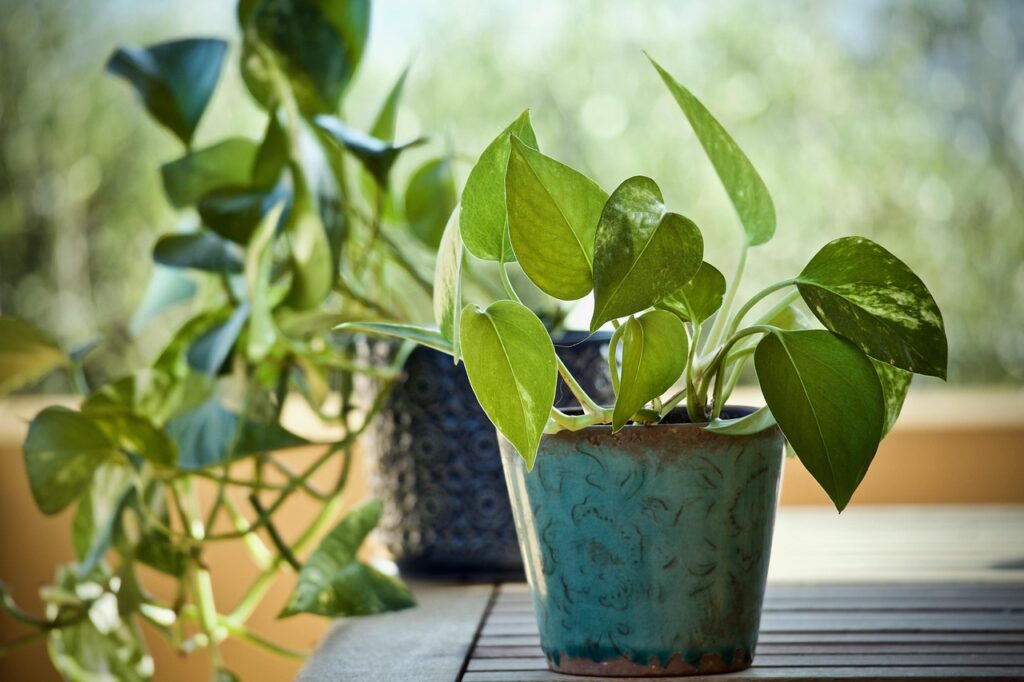
If there’s one plant that belongs on every low-light list, it’s pothos. This trailing vine is arguably the most forgiving houseplant in existence.
Why it works in low light: Pothos has evolved to grow on rainforest floors beneath dense canopies — real-world low light conditions. It tolerates neglect, irregular watering, and dim rooms with remarkable ease.
Care basics:
- Light: Low to medium indirect light; tolerates near-darkness better than almost any plant
- Watering: Every 1–2 weeks; let the top 2–3cm of soil dry out between waterings
- Soil: Standard potting mix
- Humidity: Not fussy — adapts to normal home humidity
- Common problem: Yellow leaves usually mean overwatering; leggy, pale growth means it wants slightly more light
Best for: Shelves, hanging baskets, trailing over furniture. One of the fastest-growing indoor plants even in low light.
2. Snake Plant (Sansevieria / Dracaena trifasciata)
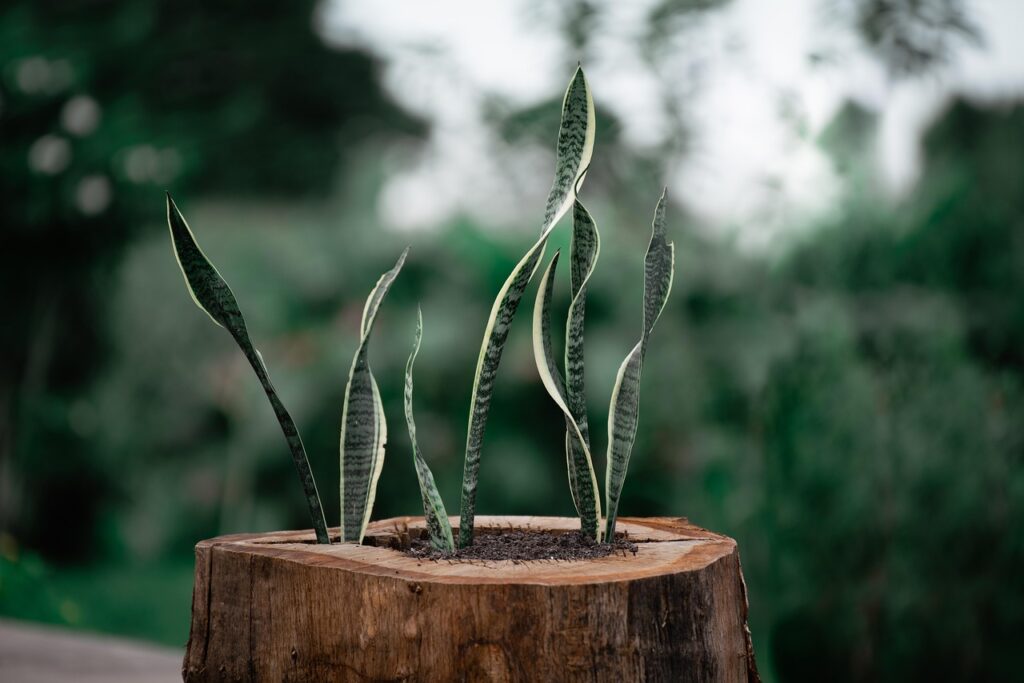
The snake plant — also called mother-in-law’s tongue — is a near-indestructible succulent-like plant with striking upright leaves banded in green and yellow.
Why it works in low light: Snake plants have evolved in dry, low-light environments in West Africa. They store water in their thick leaves, making them tolerant of both neglect and darkness.
Care basics:
- Light: Adaptable from very low light to bright indirect; growth slows significantly in low light but the plant remains healthy
- Watering: Every 2–4 weeks; one of the most drought-tolerant houseplants; overwatering is the primary way to kill it
- Soil: Well-draining mix; add perlite to standard potting mix
- Humidity: Tolerates dry air better than most
- Common problem: Soft, mushy leaves at the base = root rot from overwatering
Best for: Bedrooms, offices, bathrooms. Also one of the few plants shown to release oxygen at night rather than during the day — making it a popular bedroom choice.
3. ZZ Plant (Zamioculcas zamiifolia)
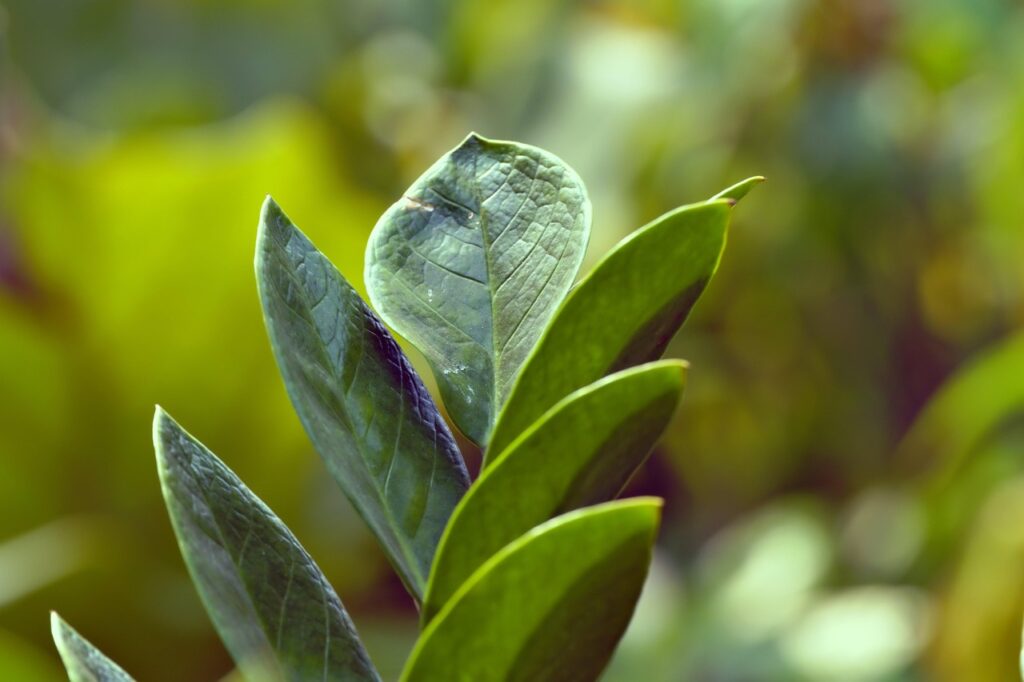
The ZZ plant has become a design staple in homes and offices for good reason: it’s architectural, glossy, and nearly impossible to kill.
Why it works in low light: ZZ plants grow from rhizomes (underground storage structures) that hold water and nutrients, allowing them to go weeks without watering or significant light. They’re adapted to dry conditions with seasonal drought in eastern Africa.
Care basics:
- Light: Low to medium indirect light; one of the most light-tolerant plants available
- Watering: Every 2–3 weeks in summer, monthly in winter; always let soil dry out completely
- Soil: Well-draining potting mix with added perlite
- Humidity: Tolerates dry air; not fussy at all
- Common problem: Yellowing leaves = overwatering (most common mistake)
Best for: Dark corners, offices, minimalist interiors. Slow-growing but very long-lived.
Note: ZZ plants are toxic to pets and humans if ingested. Keep out of reach of children and animals.
4. Peace Lily (Spathiphyllum)
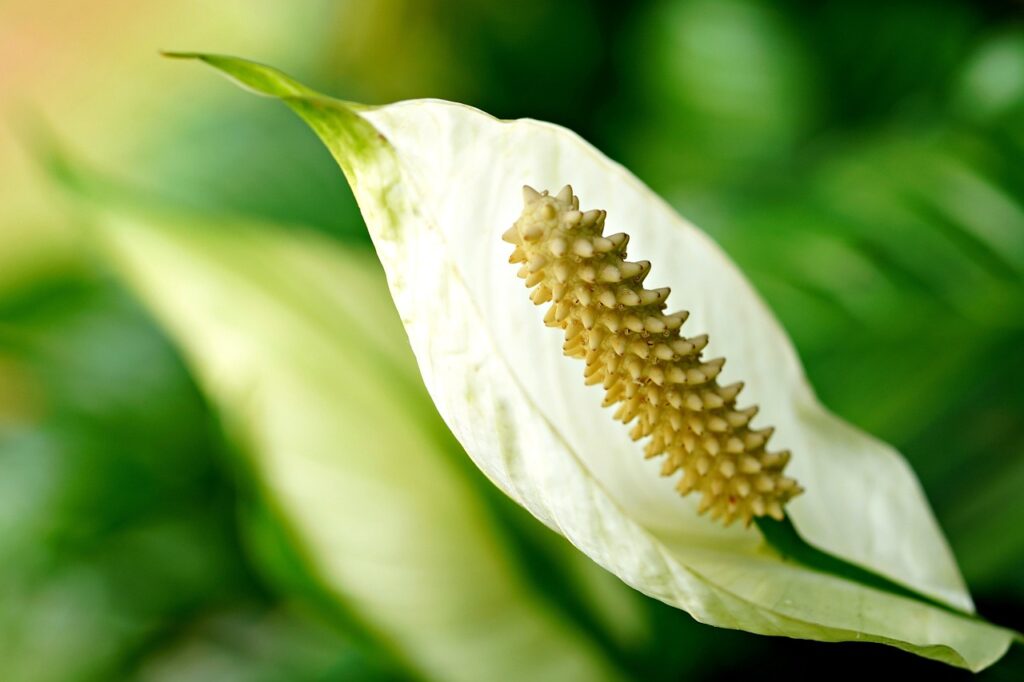
One of the few low-light plants that actually flowers, the peace lily produces elegant white blooms and has deep green, glossy leaves.
Why it works in low light: Peace lilies originate from tropical rainforest floors in Central and South America, where filtered, indirect light is the norm. They’re one of the best choices if you want both low-light tolerance and flowers.
Care basics:
- Light: Low to medium indirect light; will still flower in low light (though more light = more flowers)
- Watering: Once a week; peace lilies communicate well — leaves will droop slightly when thirsty, perk back up after watering
- Soil: Rich, moisture-retaining potting mix
- Humidity: Prefers higher humidity; mist leaves occasionally or place on a pebble tray with water
- Common problem: Brown leaf tips = tap water sensitivity or low humidity; try filtered water
Best for: Bathrooms, bedrooms, living rooms. One of the most recommended plants for air quality.
5. Chinese Evergreen (Aglaonema)
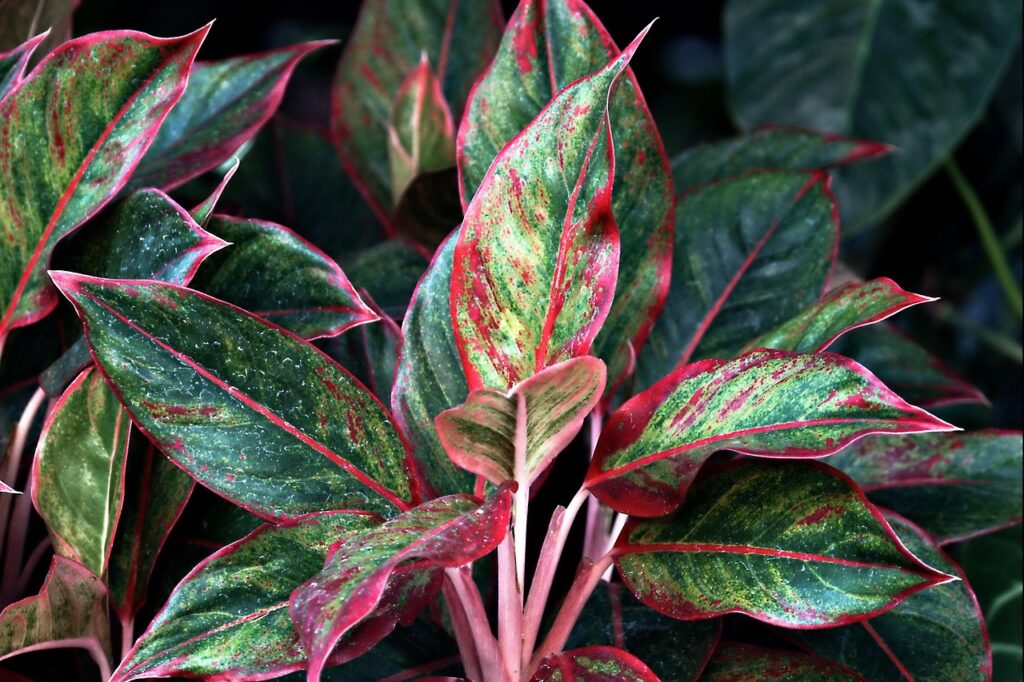
Chinese evergreens come in a stunning range of colours — deep green, silver, red, pink, and variegated — making them one of the most decorative plants on this list.
Why it works in low light: Aglaonemas are native to the tropical forests of Asia, where they grow in the understory beneath taller trees. They’ve adapted to filtered, indirect light and do exceptionally well in typical home conditions.
Care basics:
- Light: Low to medium indirect light; darker green varieties handle lower light; red and pink varieties prefer slightly more
- Watering: Every 1–2 weeks; let the top few centimetres dry between waterings
- Soil: Moist, well-draining mix
- Humidity: Appreciates moderate humidity but adapts to normal home levels
- Common problem: Curling leaves = too cold or cold draughts; keep away from air conditioning vents
Best for: Living rooms, offices, shelves. Available in many colour varieties to suit different interior styles.
6. Cast Iron Plant (Aspidistra elatior)
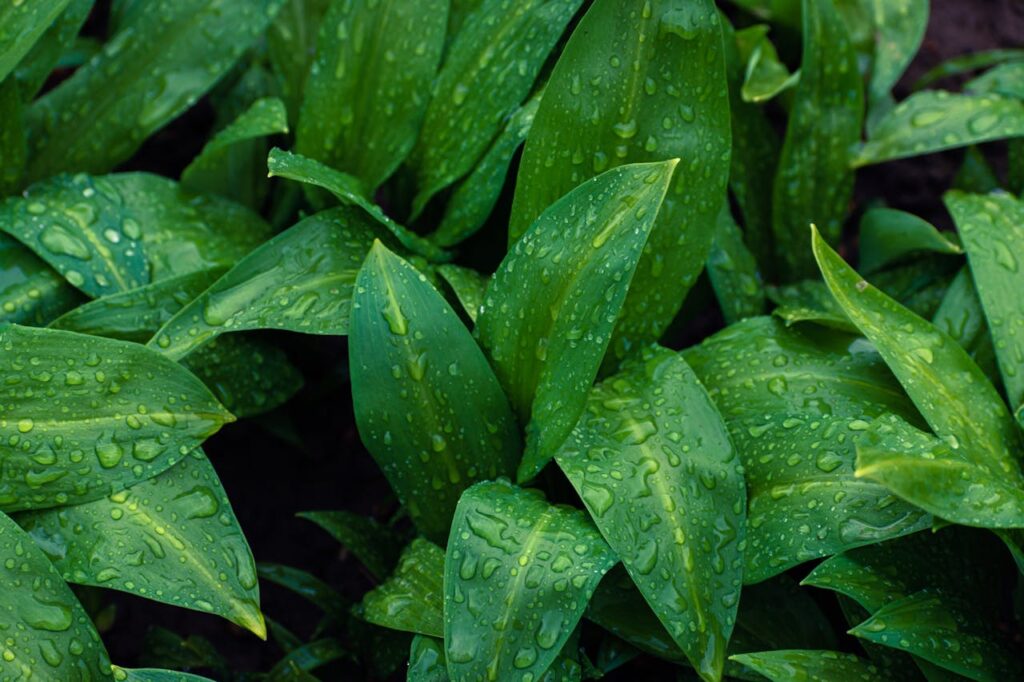
The name says it all. The cast iron plant earned its common name from its extraordinary ability to tolerate neglect, low light, temperature swings, and poor soil.
Why it works in low light: Native to the forest floors of Japan and China, cast iron plants are among the most shade-tolerant of all houseplants. Victorian households used them in dark hallways and parlours where other plants would fail.
Care basics:
- Light: Very low light to medium indirect; one of the best choices for truly dark spaces
- Watering: Every 2–3 weeks; highly drought tolerant
- Soil: Any standard potting mix; not fussy
- Humidity: Not fussy; tolerates dry air
- Common problem: Very slow-growing — don’t mistake lack of growth for a dying plant
Best for: Dark hallways, north-facing rooms, spaces other plants can’t handle. A true set-it-and-forget-it plant.
7. Dracaena (Various species)
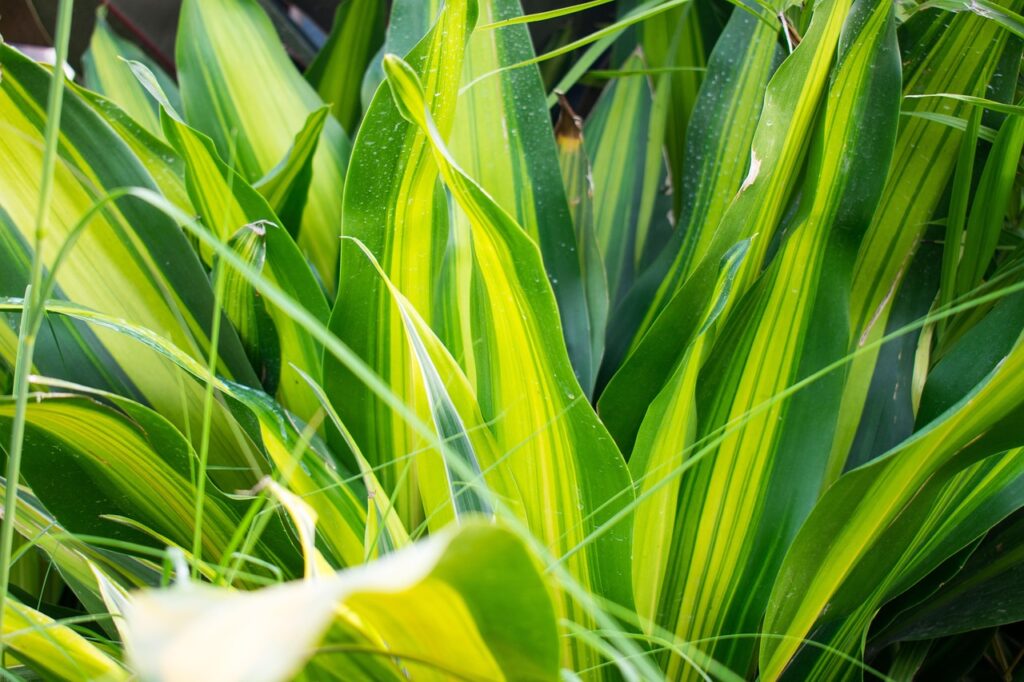
Dracaenas are a diverse group of architectural plants ranging from the compact Dracaena marginata to the large, tree-like Dracaena fragrans (corn plant). Most tolerate low light well.
Why it works in low light: Most dracaena species originate from tropical Africa and the Canary Islands, where they grow in filtered light conditions. They’re widely used in office environments for this reason.
Care basics:
- Light: Low to medium indirect light; avoid direct sun which can scorch leaves
- Watering: Every 1–2 weeks; sensitive to fluoride in tap water — use filtered or rainwater if possible
- Soil: Well-draining potting mix
- Humidity: Moderate; benefits from occasional misting
- Common problem: Brown leaf tips = fluoride sensitivity or dry air; brown spots = overwatering
Best for: Offices, living rooms, large spaces needing a statement plant. Particularly good air-purifying plant according to NASA Clean Air Study research.
8. Heartleaf Philodendron (Philodendron hederaceum)
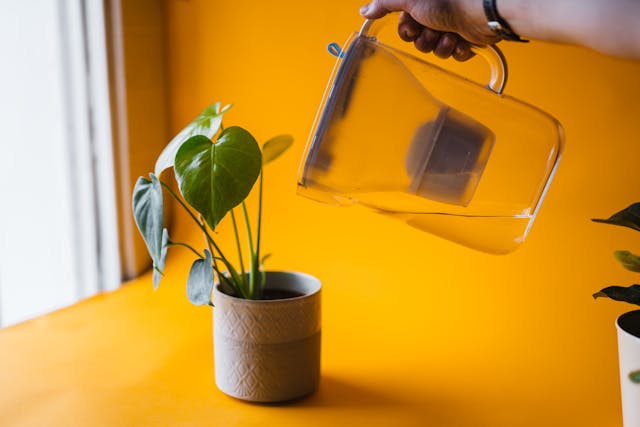
The heartleaf philodendron is a close relative of pothos and shares many of the same easygoing traits — fast growth, trailing habit, and excellent low-light tolerance.
Why it works in low light: Philodendrons are native to the rainforest understory of the Caribbean and South America, making them naturally adapted to indirect, filtered light.
Care basics:
- Light: Low to medium indirect light; grows faster with more light but tolerates darker conditions
- Watering: Every 1–2 weeks; let the top layer of soil dry before watering
- Soil: Standard potting mix
- Humidity: Appreciates humidity; does well in bathrooms
- Common problem: Yellowing leaves = overwatering; leggy stems = needs slightly more light or a trim
Best for: Hanging baskets, trailing over bookshelves, bathroom shelves. Fast grower — satisfying for beginners who want visible progress quickly.
9. Spider Plant (Chlorophytum comosum)
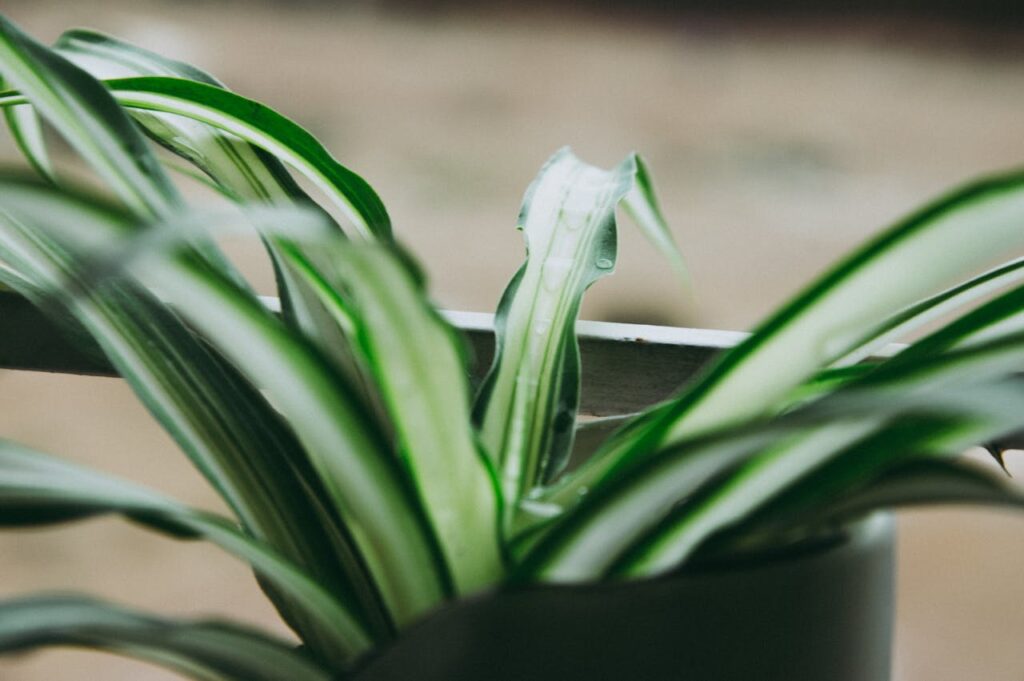
Spider plants are one of the most adaptable houseplants available — tolerant of neglect, low light, varying humidity, and irregular watering. They also produce charming “spiderettes” (baby plants on long runners) that can be propagated into new plants easily.
Why it works in low light: Spider plants originate from tropical and southern Africa and adapt readily to indoor conditions. While they prefer medium light, they remain healthy in lower light environments.
Care basics:
- Light: Low to medium indirect light; variegated varieties may lose some striping in very low light
- Watering: Every 1–2 weeks; quite tolerant of inconsistency
- Soil: Well-draining potting mix
- Humidity: Tolerates average home humidity well
- Common problem: Brown tips = fluoride or chlorine in tap water; switch to filtered water
Best for: Hanging baskets, high shelves, children’s rooms. Completely non-toxic to pets and children — a genuine advantage over many houseplants.
10. Lucky Bamboo (Dracaena sanderiana)
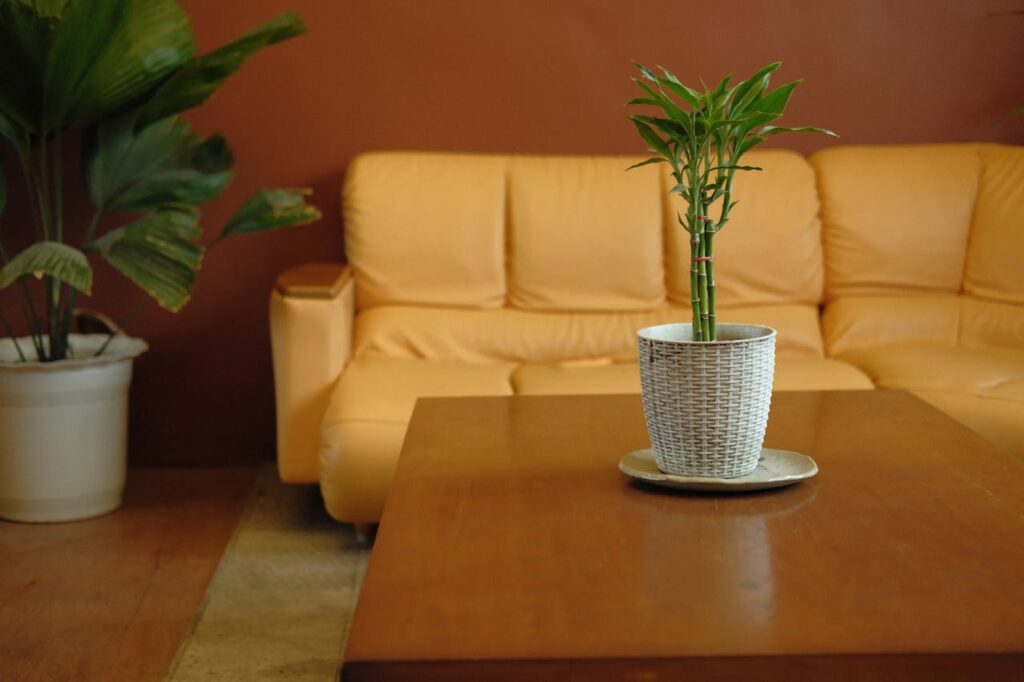
Despite the name, lucky bamboo isn’t actually bamboo — it’s a dracaena. It’s one of the few plants commonly grown in water alone, making it almost uniquely beginner-friendly.
Why it works in low light: Lucky bamboo is adapted to grow in the shade of forest floors in West Africa. It genuinely prefers indirect light and will suffer in direct sunlight.
Care basics:
- Light: Low to medium indirect light; keep away from direct sun
- Growing medium: Can grow in water alone (change weekly) or in well-draining soil
- Water: If growing in water, use filtered or bottled water; fluoride damages the leaves
- Humidity: Not fussy
- Common problem: Yellow leaves = too much direct light or fluoride in water
Best for: Desks, side tables, bathroom shelves. Often sold in decorative pots or glass vases — requires minimal setup.
11. Maidenhair Fern (Adiantum)
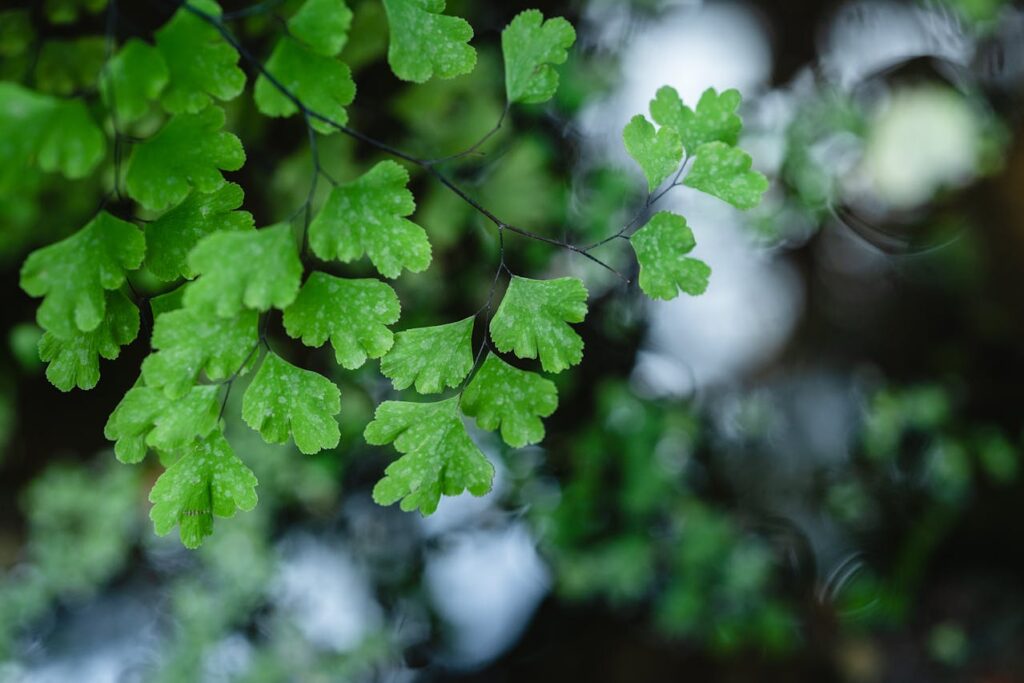
The maidenhair fern is one of the most delicate and beautiful ferns available, with lacy, fan-shaped fronds on fine dark stems. It does require more attention than the others on this list, but rewards you with genuinely stunning foliage.
Why it works in low light: Maidenhair ferns grow naturally in moist, shaded environments — often near waterfalls and streams in forests. They’re adapted to indirect light and high humidity.
Care basics:
- Light: Low to medium indirect light; keep away from direct sun and draughts
- Watering: Keep soil consistently moist but never waterlogged; doesn’t tolerate drought
- Soil: Rich, moisture-retaining mix with good drainage
- Humidity: Needs high humidity — bathroom or kitchen is ideal; mist regularly
- Common problem: Browning, crispy fronds = low humidity or irregular watering
Best for: Bathrooms, humid kitchens. Not the most forgiving on this list, but one of the most beautiful in the right conditions.
12. Boston Fern (Nephrolepis exaltata)
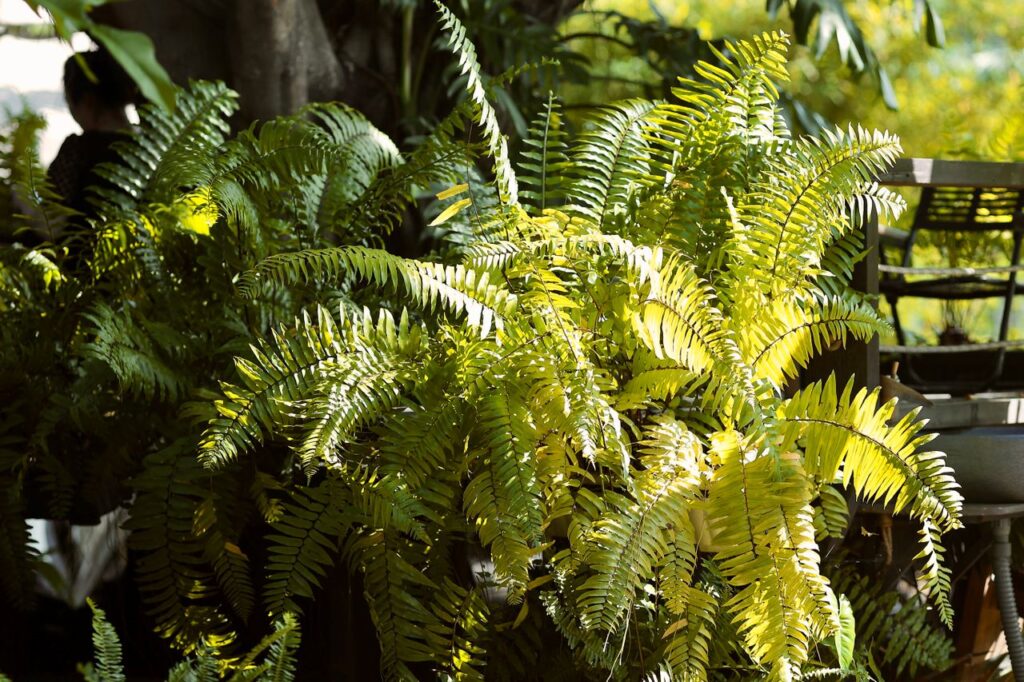
Boston ferns are lush, full plants with arching fronds that look spectacular in hanging baskets. They’re one of the best-known ferns for indoor growing and are well-suited to low-light conditions when humidity is adequate.
Care basics:
- Light: Low to medium indirect light; avoid direct sun
- Watering: Keep soil consistently moist; doesn’t tolerate drying out
- Soil: Rich, moisture-retaining mix
- Humidity: High humidity essential; place in bathrooms, mist regularly, or use a humidifier nearby
- Common problem: Frond drop and browning = too dry or too warm
Best for: Humid bathrooms, kitchens, shaded patios. Excellent air-humidifying plant.
Quick Comparison: Low Light Houseplants at a Glance
| Plant | Light Tolerance | Watering | Pet Safe? | Difficulty |
|---|---|---|---|---|
| Pothos | Very low | Low | No | Very Easy |
| Snake Plant | Very low | Very low | No | Very Easy |
| ZZ Plant | Very low | Very low | No | Very Easy |
| Peace Lily | Low | Moderate | No | Easy |
| Chinese Evergreen | Low | Moderate | No | Easy |
| Cast Iron Plant | Extremely low | Very low | Yes | Very Easy |
| Dracaena | Low | Low | No | Easy |
| Heartleaf Philodendron | Low | Low | No | Easy |
| Spider Plant | Low–medium | Low | Yes | Very Easy |
| Lucky Bamboo | Low | Low | No | Easy |
| Maidenhair Fern | Low | High | Yes | Moderate |
| Boston Fern | Low | High | Yes | Moderate |
Tips for Keeping Low Light Plants Healthy
Even shade-tolerant plants need a bit of care to look their best. These tips apply across the board:
1. Dust the leaves regularly
In low-light conditions, every bit of light matters. Dusty leaves block light absorption. Wipe leaves gently with a damp cloth every few weeks.
2. Rotate your plant
Rotate pots a quarter turn every 2–3 weeks so all sides of the plant receive equal light exposure. This prevents uneven, one-sided growth.
3. Don’t compensate with more water
A very common mistake: assuming a plant looks unhealthy because of underwatering, when it’s actually struggling from low light. In low light, plants photosynthesise more slowly and therefore need less water, not more. Overwatering in low-light conditions is the fastest way to kill these plants.
4. Supplement with grow lights
If your space is genuinely very dark (no natural light at all), consider a basic LED grow light. Even a few hours a day of supplemental light can make a significant difference to plant health. Modern grow lights are inexpensive, energy-efficient, and can be set on timers.
5. Feed less in low light
Plants in low light grow more slowly and require fewer nutrients. Feeding too frequently causes fertiliser build-up in the soil, which can damage roots. Feed at half the recommended rate and half the recommended frequency during low-light conditions.
Can You Grow Plants Under Artificial Light Only?
Yes — with the right lighting. Fluorescent and LED grow lights can fully substitute for natural light for many of the plants on this list. Key things to know:
- Full-spectrum LED grow lights are the most efficient and effective option
- Distance matters: place lights 20–40cm above the plant for most houseplants
- Duration: most low-light plants need 12–14 hours of artificial light per day to compensate for no natural light
- Look for: lights rated in PAR (photosynthetically active radiation) — anything above 50 µmol/m²/s is sufficient for low-light plants
This makes it possible to grow healthy plants in windowless offices, basement rooms, or interior spaces with no natural light whatsoever.
Frequently Asked Questions
Q: What is the best indoor plant that grows without sunlight?
The pothos, snake plant, and ZZ plant are consistently the top three choices for very low light conditions. All three tolerate near-darkness, require infrequent watering, and are extremely forgiving of beginner mistakes. If you can only choose one, start with a pothos.
Q: Can indoor plants survive in a room with no windows?
Without any natural light, plants will eventually decline. However, with a full-spectrum LED grow light running 12–14 hours per day, many of the plants on this list — including pothos, snake plants, and ZZ plants — can thrive in a windowless room indefinitely.
Q: Which low light indoor plants are safe for cats and dogs?
The spider plant, Boston fern, maidenhair fern, and cast iron plant are all non-toxic to cats and dogs. Many popular low-light plants — including pothos, ZZ plants, snake plants, and peace lilies — are toxic to pets if ingested. Always verify before buying if you have animals.
Q: How do I know if my plant is getting enough light?
Signs of insufficient light include: pale or yellowing leaves, unusually long and thin new growth (etiolation), leaves growing smaller than normal, and very slow or stopped growth. If you notice these, move the plant closer to a light source or add supplemental lighting.
Q: Do low light plants need less watering?
Yes. Plants in low light photosynthesise more slowly, which means they use water more slowly too. Overwatering is the most common cause of death for low-light houseplants. Always check the soil before watering rather than sticking to a fixed schedule.
Q: What low light plant is best for a bathroom?
Peace lilies, heartleaf philodendrons, Boston ferns, and maidenhair ferns are all excellent bathroom plants. They benefit from the higher humidity and indirect light typical of bathrooms. The spider plant is also a great choice if you have pets or children.
Final Thoughts
You don’t need a sun-drenched conservatory to keep beautiful, healthy plants indoors. From the near-indestructible ZZ plant to the trailing elegance of a pothos, there are excellent options for every dark corner, dim hallway, and north-facing room.
Start with one or two of the easiest varieties — pothos, snake plant, or spider plant — get comfortable with their rhythms, and build from there. Once you understand what low-light care looks like in your specific home, adding more plants becomes much easier.
The key rule to remember: in low light, water less and check more. That single principle will keep your plants alive longer than anything else.
Explore more on plantcarehacks.com: