
How to Water Outdoor Plants Correctly: The Complete Guide
Tags: best time to water plants, how often to water garden plants, how to water outdoor plants, outdoor plant watering tips, watering schedule for garden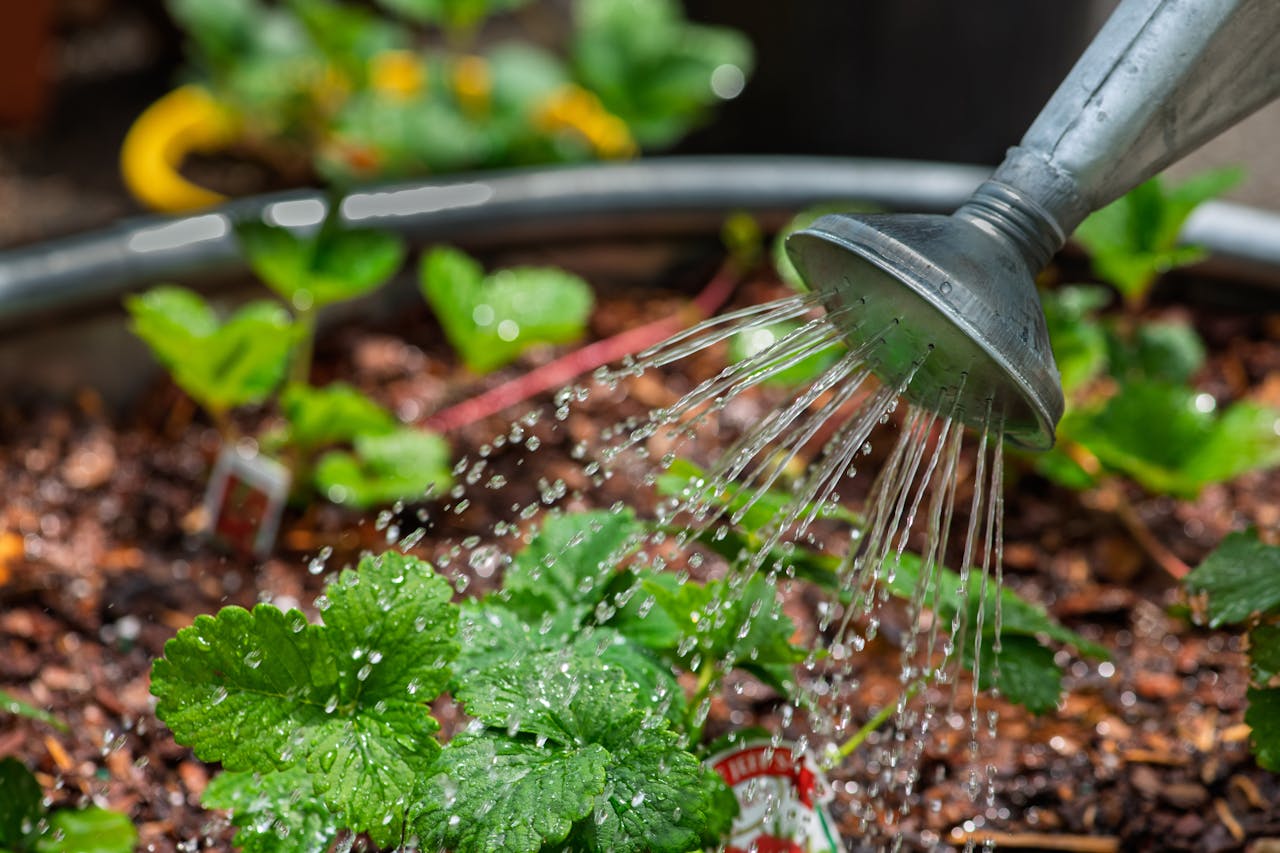
Most gardeners kill their plants with too much love — and that love usually comes in the form of too much water.
Whether you’re nurturing a vegetable patch, a bed of flowering perennials, or a collection of outdoor container plants, how you water matters just as much as how often you water. Get it wrong and you’ll face wilting, root rot, fungal disease, and a garden that never quite reaches its potential.
This guide cuts through the confusion. You’ll learn the exact techniques, timing, and tools to water your outdoor plants correctly — regardless of your climate, soil type, or plant variety.
Why Watering Correctly Is the Single Most Important Gardening Skill
Water is the engine of plant growth. It transports nutrients from the soil into roots, powers photosynthesis, and regulates plant temperature. But water is also a double-edged sword:
- Too little and plants wilt, drop leaves, and stop producing flowers or fruit.
- Too much and roots suffocate in waterlogged soil, fungal pathogens thrive, and plants slowly drown.
According to the Royal Horticultural Society (RHS), overwatering is actually more common than underwatering in home gardens, especially among beginners who water on a strict daily schedule rather than responding to what their plants actually need.
The good news? Once you understand a few core principles, watering correctly becomes second nature.
The Golden Rule: Water Deeply, Not Frequently
The most transformative shift you can make in your watering routine is to stop watering a little bit every day and start watering deeply, less often.
Here’s why:
When you water shallowly, moisture only penetrates the top inch or two of soil. Plant roots naturally grow towards water — so shallow watering produces shallow roots. Shallow-rooted plants are fragile, drought-sensitive, and easy to stress.
When you water deeply — soaking the soil to a depth of 6–8 inches — you encourage roots to grow downward. Deep roots access a larger reservoir of moisture and nutrients, producing stronger, more resilient plants.
The practical rule: Water until the soil is moist 6 inches deep, then wait until the top 2 inches dry out before watering again.
How Often Should You Water Outdoor Plants?
There is no universal answer, but here are solid starting points based on plant type:
| Plant Type | Watering Frequency (Average) |
|---|---|
| Vegetable garden | Every 2–3 days in summer |
| Annual flowers | Every 2–3 days |
| Perennial flowers | Once or twice a week |
| Established shrubs | Once a week or less |
| Trees (established) | Once every 2–3 weeks |
| Container plants | Daily in hot weather |
| Lawn/turf | 1–2 times per week |
These are guidelines, not rules. Actual frequency depends on:
- Soil type — Sandy soils drain fast and need more frequent watering. Clay soils retain water and need less.
- Climate and season — Hot, dry, windy conditions increase water demand dramatically.
- Plant size and age — Newly planted specimens need more water than established ones.
- Rainfall — Always account for rain. A good 1-inch rainfall can replace a week of watering.
The best tool for judging whether your garden needs water? Your finger. Push it 2 inches into the soil. If it’s dry at that depth, water. If it’s still moist, wait.
The Best Time to Water Outdoor Plants
Timing matters enormously — and most gardeners get this wrong.
Water in the Morning (Best Option)
Early morning — between 6 AM and 10 AM — is the ideal time to water outdoor plants. Here’s why:
- The soil absorbs water before the heat of the day causes evaporation.
- Any water that lands on leaves has time to dry before nightfall.
- Plants are waking up and beginning active growth, so water availability right when they need it most is a bonus.
Evening Watering (Second Choice)
If morning isn’t possible, early evening (before sunset) is your next best option. Water has time to soak into the soil before temperatures drop overnight.
The risk: Wet foliage overnight creates ideal conditions for fungal diseases like powdery mildew, black spot, and botrytis. If disease is already a problem in your garden, switch to morning watering immediately.
Avoid Midday Watering
Watering in the midday sun is inefficient — up to 30% of water can evaporate before it reaches the roots, according to research from the University of California Agriculture and Natural Resources (UC ANR). It can also sometimes burn delicate foliage, though this is less common than people believe.
How to Water Different Types of Outdoor Plants
Vegetable Gardens
Vegetables are thirsty plants — especially during fruiting. Most vegetable crops need 1–1.5 inches of water per week, either from rainfall or irrigation.
Best method: Soaker hoses or drip irrigation laid directly on the soil delivers water to the root zone without wetting foliage — crucial for preventing diseases like tomato blight and cucumber downy mildew.
Critical periods for consistent watering:
- Germination and seedling establishment
- Flowering (dry spells cause blossom drop)
- Fruit swelling and development
Flowering Perennials and Annuals
Most established perennials are more drought-tolerant than vegetables. The key is to water deeply when you do water, and avoid constant shallow surface irrigation.
Annuals — which grow, flower, and set seed within a single season — often need more frequent watering than perennials because they’re in constant growth mode.
Trees and Shrubs
Newly planted trees and shrubs need consistent moisture for the first 1–2 growing seasons while their root systems establish. After that, most established woody plants are far more drought-tolerant and need watering only during prolonged dry spells.
Tip: Apply a 2–3 inch layer of organic mulch around the base of trees and shrubs to dramatically reduce water loss from the soil surface.
Container and Pot Plants
Container plants dry out far faster than in-ground plants because their root systems are limited and pots heat up in the sun. In summer, some containers may need watering daily — or even twice daily in a heat wave.
How to tell: Lift the pot. A dry pot feels noticeably lighter. You can also stick a finger 1 inch into the compost — if it’s dry, water thoroughly until it drains freely from the bottom.
Recognising the Signs: Overwatered vs. Underwatered Plants
| Symptom | Overwatering | Underwatering |
|---|---|---|
| Leaf colour | Yellow, pale, or translucent | Brown tips, crispy edges |
| Leaf texture | Soft, mushy | Dry, papery, wilted |
| Soil | Constantly wet, may smell sour | Bone dry, pulls away from pot edges |
| Stems | Brown, mushy at the base | Dry, brittle |
| Root appearance | Brown, slimy (root rot) | Dry, white or tan |
If you’re seeing yellow leaves across your outdoor plants, water stress — either over or under — is one of the most common culprits. See our full guide on Why Outdoor Plant Leaves Turn Yellow and How to Fix It for a complete diagnosis checklist.
Smart Watering Tools and Techniques
1. Soaker Hoses
Soaker hoses are porous rubber tubes that “weep” water slowly along their length. Laid along the base of plant rows, they deliver water directly to the root zone with minimal waste. They’re especially effective in vegetable beds and border plantings.
Tip: If you are utilizing vertical garden ideas for small spaces, a specialized drip line is highly recommended to ensure water adequately reaches the bottom tiers without waterlogging the top.
2. Drip Irrigation Systems
Drip irrigation takes the soaker hose concept further — individual emitters on thin tubing deliver precise amounts of water to each plant. It’s the most water-efficient system available for home gardens and can reduce water use by 30–50% compared to overhead sprinklers, according to the USDA Natural Resources Conservation Service.
3. Watering Cans
Old-fashioned but effective for raised beds, indoor pots, and bringing your small balcony garden ideas to life.. Always use a rose (the perforated head) attachment to deliver a gentle shower rather than a harsh stream that disturbs the soil.
4. Hose with Adjustable Nozzle
For mid-sized gardens, a garden hose with a multi-setting nozzle set to a gentle “shower” or “soaker” pattern works well. Avoid high-pressure jet settings which compact soil and damage foliage.
5. Automated Irrigation Timers
Pair any drip or soaker system with an irrigation timer to automate watering. This ensures consistency and is particularly useful during holidays. Just remember to override during periods of heavy rainfall — no timer can account for the weather.
Mulching: Your Secret Weapon for Water Retention
If there’s one step that amplifies every watering effort you make, it’s mulching.
Applying a 2–3 inch layer of organic mulch (bark chips, straw, compost, or leaf mould) over your soil:
- Reduces surface evaporation by up to 70%
- Keeps soil temperature stable
- Suppresses weeds that compete with plants for water
- Improves soil structure over time as it breaks down
Keep mulch 2–3 inches away from plant stems and tree trunks to prevent rot.
Seasonal Watering Adjustments
Water requirements change dramatically across the seasons:
- Spring: Water needs are moderate as plants establish new growth. Watch new seedlings closely — they dry out fastest.
- Summer: Peak water demand. Water deeply and frequently. Check containers daily during heat waves.
- Autumn: Taper off watering as temperatures drop. Allow soil to dry slightly to harden off plants for winter.
- Winter: Most outdoor plants need little or no watering in winter. The exceptions are evergreens during dry, frosty spells, which can suffer from desiccation (drying out).
Watering and Water Conservation
Smart watering isn’t just good for your plants — it’s responsible for the environment. In many regions, outdoor watering accounts for 30–60% of household water use during summer months.
Simple conservation habits:
- Install a water butt to collect rainwater (free, naturally soft water that plants love)
- Water at dawn to minimise evaporation
- Group plants with similar water needs together (water zoning)
- Choose drought-tolerant plants for dry spots in your garden
- Improve soil with compost to boost its water-holding capacity
Common Watering Mistakes to Avoid
- Watering on a rigid daily schedule regardless of weather or soil moisture.
- Wetting foliage at night, inviting fungal disease.
- Watering too shallowly, keeping roots near the surface.
- Ignoring drainage — pots without drainage holes and clay-heavy beds are root rot waiting to happen.
- Forgetting newly planted specimens — the first summer after planting is critical.
- Not adjusting for rainfall — running irrigation on a rainy day wastes water and can waterlog roots.
Frequently Asked Questions
How do I know if my outdoor plants need water? Push your finger 2 inches into the soil near the plant’s root zone. If it’s dry, water. If it’s still moist, wait. Physical wilting in the morning (not afternoon heat wilt) is also a reliable indicator.
Can you over-water outdoor plants? Absolutely. Overwatering is one of the most common garden problems. Signs include yellowing leaves, mushy stems, and a perpetually wet, sometimes smelly soil. Root rot caused by overwatering can kill plants quickly.
What is the best way to water plants in hot weather? Water deeply in the early morning before temperatures rise. Apply mulch to retain moisture. Focus water at the base of plants rather than overhead. Check containers daily — they dry out fastest in heat.
Is tap water OK for outdoor plants? Generally yes, though it may be slightly alkaline and contains chlorine. For acid-loving plants like blueberries, rhododendrons, and azaleas, rainwater is preferable. Leaving tap water to stand overnight allows most chlorine to dissipate.
How much water does a garden need per week? Most garden plants need the equivalent of 1 inch of water per week during the growing season, from rain and/or irrigation combined. Use a simple rain gauge to track actual rainfall and top up accordingly.
Summary
Watering outdoor plants well comes down to a handful of core principles:
- Water deeply and infrequently rather than little and often
- Water in the morning whenever possible
- Match your watering frequency to your soil, climate, and plant type
- Use mulch to lock in moisture between waterings
- Invest in efficient delivery systems like drip irrigation or soaker hoses
- Adjust your habits through the seasons
Master these and your plants will respond with stronger roots, more abundant flowering, better yields, and greater resilience against drought and disease.